
Introduction
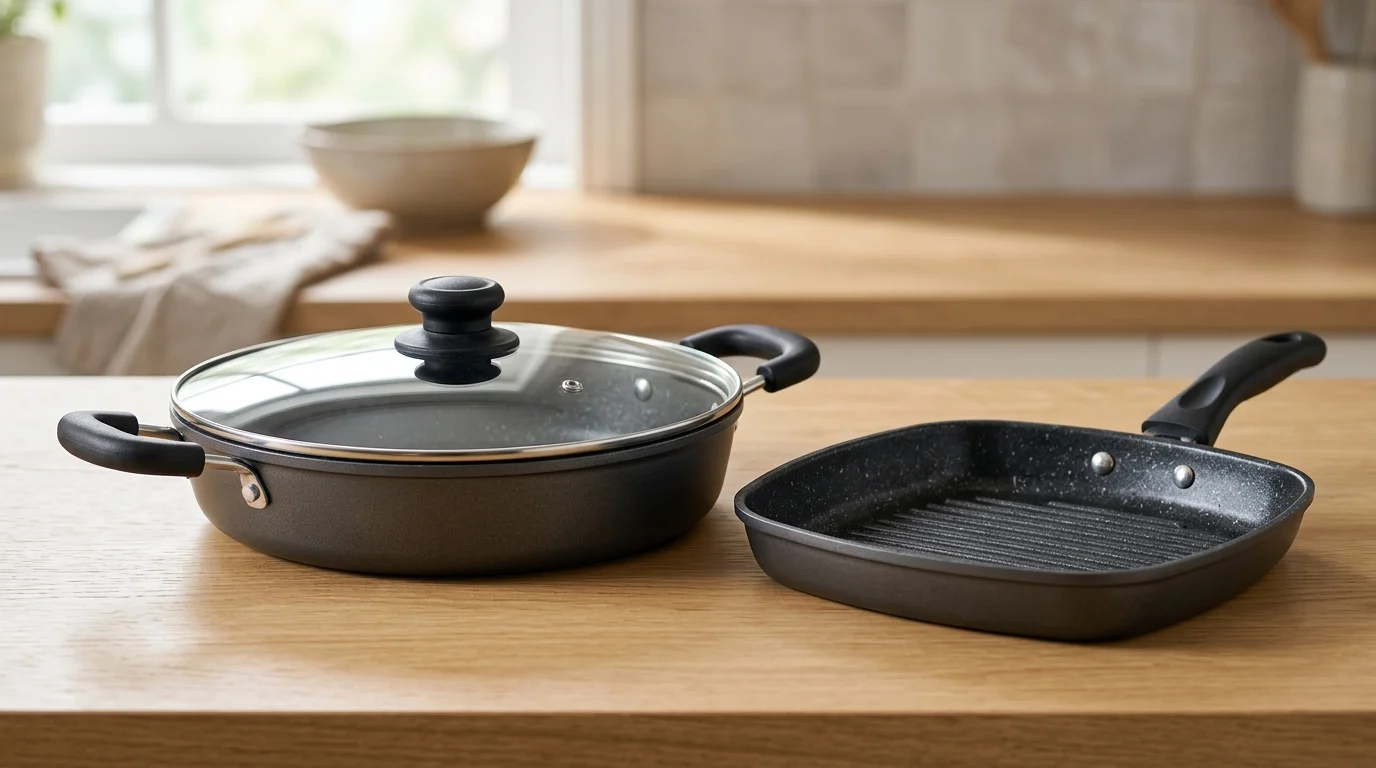
Microwave grill pans can brown, crisp, and sear food in a standard microwave, but their results depend heavily on correct use. Small mistakes—such as skipping preheating, overcrowding the surface, or choosing the wrong foods—can leave meals pale, soggy, or unevenly cooked. This article explains the most common errors people make with microwave grill pans and why those problems happen, from poor surface contact to misuse of lids and cooking times. By understanding these pitfalls, you’ll be better equipped to improve browning, texture, and overall cooking consistency before moving into the specific mistakes and fixes.
Common Problems With Microwave Grill Pans
Microwave grill pans represent a significant advancement in culinary technology, utilizing specialized susceptor materials to convert microwave radiation into conductive thermal energy. When functioning correctly, these devices can reach surface temperatures exceeding 400°F (200°C) in mere minutes, replicating the searing capabilities of a traditional stovetop.
However, users frequently encounter suboptimal outcomes due to fundamental misunderstandings of how these pans operate within a microwave cavity. Recognizing these common pitfalls is the first step toward achieving consistent, restaurant-quality results from a standard countertop appliance.
Performance issues during cooking
The most prevalent complaint regarding microwave grill pans is a lack of crispness or inadequate browning. This performance deficit typically occurs when the cooking surface fails to achieve the 285°F (140°C) threshold necessary to trigger the Maillard reaction.
Unlike conventional ovens that rely on ambient hot air, microwave grill pans require direct contact between the food and the heated base. When users select cuts of meat or vegetables with highly irregular surfaces, the lack of uniform contact prevents consistent caramelization, resulting in an unappealing, pale finish.
How misuse affects results
Misuse of the pan's lid or cover drastically alters the cooking environment. Many microwave grill pans include a shielded lid designed to block microwaves from directly penetrating the food, forcing the energy to heat the pan's base instead.
If a user cooks high-moisture foods with the lid completely sealed, the trapped water vapor increases ambient humidity to near 100%. This moisture retention drops the effective surface temperature by up to 30%, inadvertently converting the grilling process into a steaming process. Proper ventilation is critical to maintaining the dry heat required for a proper sear.
Material and Buying Mistakes
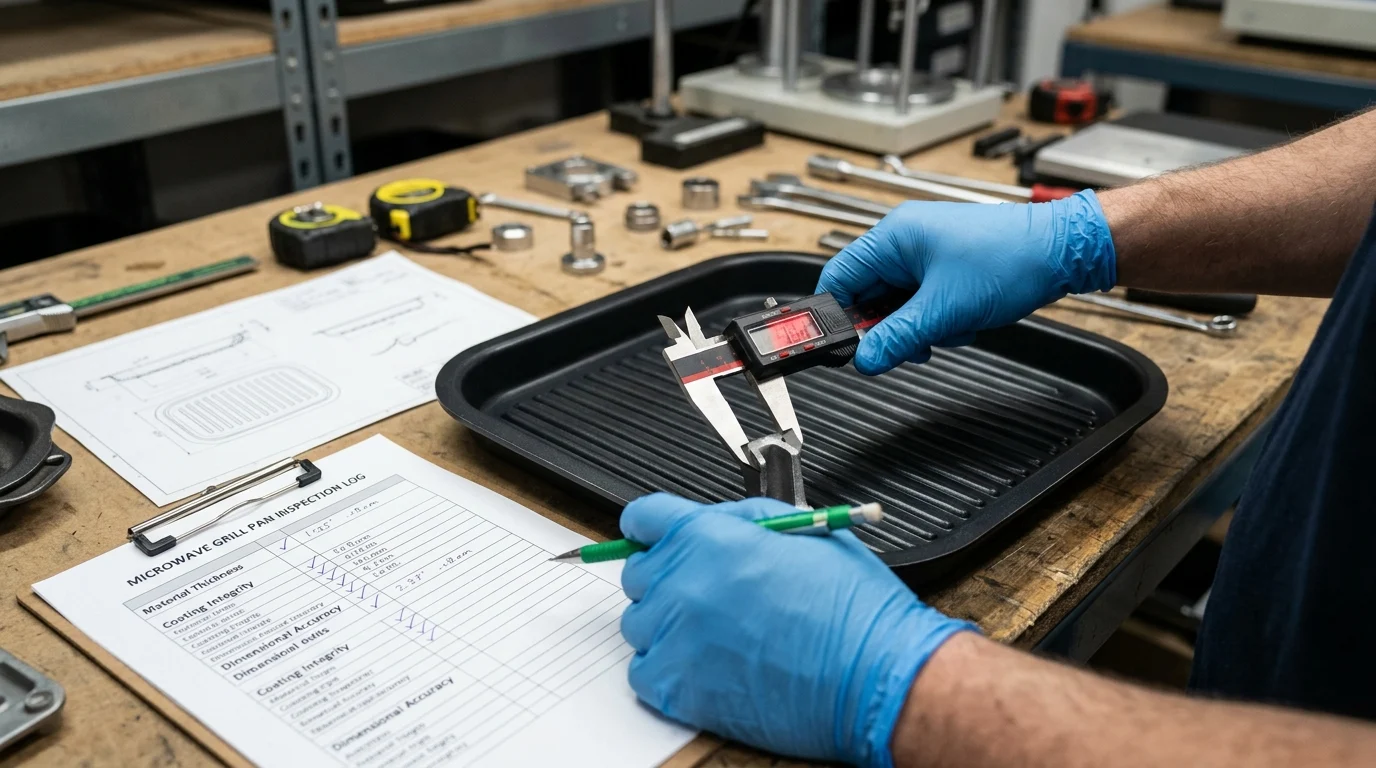
The materials used in microwave grill pans dictate both their thermal efficiency and operational lifespan. High-quality pans utilize a core of ferrite or specialized silicone-metal blends that safely absorb microwave energy.
Selecting a pan constructed with inferior materials not only yields poor culinary results but also introduces significant safety hazards, including the risk of arcing or chemical degradation. Industry data indicates that pans with a base thickness below 1.5mm suffer from severe heat retention issues, cooling too rapidly once cold food is introduced.
Choosing the wrong material
A common purchasing mistake is selecting lightweight, predominantly plastic pans marketed for microwave use, which lack the necessary susceptor base to generate high heat. Consumers must ensure the pan features an encapsulated metal core with appropriate microwave-safe shielding.
Verifying that the product aligns with international food-contact safety standards, such as those published by ISO, ensures the materials will not leach harmful compounds when subjected to intense microwave radiation.
| Material Type | Heat Retention | Max Safe Temperature | Coating Durability |
|---|---|---|---|
| Encapsulated Ferrite | High | 800°F (425°C) | Excellent (with Ceramic) |
| Thin Silicone Blend | Low | 400°F (200°C) | Moderate |
| Basic Microwave Plastic | None | 250°F (120°C) | Poor |
Ignoring coating durability and safety
The non-stick coating applied to the grill pan is highly susceptible to degradation if the wrong chemical composition is chosen. Traditional PTFE coatings can begin to break down and emit toxic fumes if temperatures exceed 500°F (260°C).
Because microwave grill pans can heat up exceptionally fast, ceramic-based sol-gel coatings are generally preferred for their higher thermal tolerance. They can often withstand temperatures up to 800°F (425°C) without compromising safety or structural integrity.
Picking the wrong size or shape
Purchasing a pan that is too large for the microwave cavity is a frequent logistical error. A microwave grill pan requires a minimum clearance of 2 inches (5 cm) from the interior walls of the microwave to prevent electrical arcing and ensure proper turntable rotation.
If the pan remains stationary in a microwave lacking an inverter, hot spots will develop, leading to localized burning, uneven cooking, and potential damage to the appliance's magnetron.
Cooking Mistakes That Reduce Performance
Even with a premium microwave grill pan, operational errors during the cooking phase can severely compromise the final product. The power output of the microwave plays a critical role, as consumer microwaves typically range from 700W to 1200W.
Failing to adjust cooking techniques to accommodate the specific wattage of the appliance is a primary cause of culinary failure, leading to either undercooked interiors or scorched exteriors.
Incorrect preheating
The most critical step in microwave grilling is the preheating phase. A standard 1000W microwave requires the empty pan to be preheated for 2 to 3 minutes to reach the optimal searing temperature.
Skipping this step means the food begins cooking via ambient microwave energy rather than conductive heat from the pan, resulting in a boiled texture. Conversely, preheating for more than 5 minutes can cause irreversible damage to the pan's susceptor material.
Overcrowding and poor food placement
Overcrowding the pan's surface area is a mistake that drastically reduces performance. When more than 75% of the grilling surface is covered, the pan's thermal mass is overwhelmed.
The rapid introduction of cold, moisture-rich food causes the surface temperature to plummet. Additionally, the tight grouping of ingredients traps steam. Leaving at least 25% of the pan empty ensures adequate airflow and maintains the high temperatures necessary for a crisp exterior.
Using the wrong power level
Users often default to 100% power for all microwave operations, which is highly detrimental when using a grill pan for thicker cuts of meat. On a 1200W appliance, maximum power will heat the pan too rapidly while simultaneously bombarding the food with unshielded microwaves (assuming the lid is removed).
This causes the exterior to burn before the internal temperature reaches a safe 165°F (74°C) for poultry. Modulating the power level to 70% or 80% allows for a more controlled, even transfer of thermal energy.
Maintenance and Compatibility Mistakes
The longevity of a microwave grill pan is heavily dependent on post-cooking care and routine maintenance. While a high-quality pan boasts an expected lifecycle of 3 to 5 years under optimal conditions, improper cleaning and storage practices can reduce its functional lifespan to less than 6 months.
Consumers must recognize that the complex, multi-layered construction of these pans requires specific handling protocols to maintain their efficacy and safety.
Damaging surfaces with improper cleaning
The most rapid way to destroy a microwave grill pan is through the use of abrasive cleaning tools. Steel wool or harsh scouring powders micro-scratch the non-stick surface, increasing the defect rate by exposing the underlying metal core to moisture and acidic food residues.
This exposure leads to oxidation and blistering of the coating. Users should rely exclusively on soft sponges and mild detergents, allowing stubborn residues to soak in warm water rather than applying excessive mechanical force.
Ignoring product instructions and microwave compatibility
Ignoring the specific compatibility requirements outlined in the product manual frequently results in appliance damage. Some microwave grill pans are designed exclusively for traditional transformer-based microwaves and may behave unpredictably in modern inverter microwaves, which deliver a continuous stream of power rather than pulsing.
Furthermore, failing to verify whether the pan's base is compatible with the microwave's glass turntable can lead to mechanical strain on the rotation motor, especially if the pan exceeds the recommended 3 lb (1.3 kg) weight limit.
Poor storage and thermal shock
Subjecting the pan to extreme temperature fluctuations induces thermal shock, a primary cause of structural failure. Taking a pan that has just reached 400°F (200°C) and immediately submerging it in cold tap water causes the metal core and the outer casing to contract at different rates.
This differential contraction results in permanent warping of the cooking surface, ensuring that future meals will not make even contact with the heat source. Pans must be allowed to cool naturally to room temperature (approximately 70°F / 21°C) before washing.
How to Compare and Use Microwave Grill Pans
Navigating the diverse market of microwave grill pans requires a systematic approach to evaluating product specifications. Consumers must balance capacity, thermal mass, and material safety to find a unit that aligns with their specific culinary needs and appliance constraints.
A thorough comparison can prevent the acquisition of a pan that either underperforms or poses a risk to the microwave oven, with typical price points varying significantly from $30 for basic models to over $100 for premium composite designs.
What to check before buying
Before finalizing a purchase, buyers must evaluate the pan's physical dimensions and weight. A heavier pan, typically weighing between 1.5 to 3 lbs (0.7 to 1.4 kg), indicates a thicker susceptor base, which translates to superior heat retention.
Additionally, checking the lid design is crucial; a lid with a metal shield encapsulated in silicone is necessary for true grilling, as it blocks microwaves from cooking the food from the top down.
How to compare products
Comparing products effectively requires looking beyond marketing claims and focusing on empirical specifications. Buyers should assess the maximum temperature rating, the type of non-stick coating, and the warranty period.
| Evaluation Criteria | Suboptimal Spec | Ideal Specification | Impact on Performance |
|---|---|---|---|
| Base Thickness | < 1.5 mm | 2.5 mm – 3.5 mm | Dictates heat retention and prevents rapid cooling. |
| Coating Type | Standard PTFE | Sol-Gel Ceramic | Ceramic withstands higher heat without toxic degradation. |
| Lid Construction | Clear Plastic | Shielded Silicone/Metal | Shielded lids force conductive heating for better searing. |
A practical setup and usage checklist
To maximize the utility and lifespan of a microwave grill pan, users should adhere to a strict operational checklist. First, verify the microwave cavity is clean to prevent arcing.
Second, lightly coat the food—not the pan—with an oil that has a high smoke point, such as avocado or grapeseed oil (smoke point > 400°F). Third, execute a precise 2-to-3-minute preheat sequence.
Finally, ensure the food is spaced adequately to allow steam to escape, guaranteeing a crisp, caramelized finish rather than a steamed disappointment.
Key Takeaways
- The most important conclusions and rationale for Microwave Grill Pans
- Specs, compliance, and risk checks worth validating before you commit
- Practical next steps and caveats readers can apply immediately
Frequently Asked Questions
Why doesn’t my microwave grill pan brown food properly?
Usually the pan isn’t hot enough or food isn’t making full contact. Preheat as directed, avoid overcrowding, and use flatter cuts for better searing.
Should I keep the lid fully closed while grilling?
Not always. For high-moisture foods, leave some ventilation if your model allows it. A fully sealed lid can trap steam and reduce browning.
How do I know if a microwave grill pan is safe to buy?
Choose a pan with a true susceptor or encapsulated metal core, microwave-safe shielding, and food-contact safety compliance. Avoid lightweight plastic-only pans.
What size microwave grill pan should I use in my microwave?
Pick a pan that leaves at least 2 inches of clearance from the microwave walls and can rotate freely on the turntable to prevent hot spots and arcing.
What coating is best for a microwave grill pan?
Ceramic-based coatings are usually the safer, more durable option for high heat. They tolerate higher temperatures better than standard PTFE-style non-stick coatings.


