A microwave grill pan‘s value really depends on your cooking needs and priorities. It offers convenience and speed, but it might not perfectly replicate traditional grilling results. This guide helps you decide if a microwave grill pan is a good investment for your kitchen. Many households own microwaves, making this type of cookware relevant.
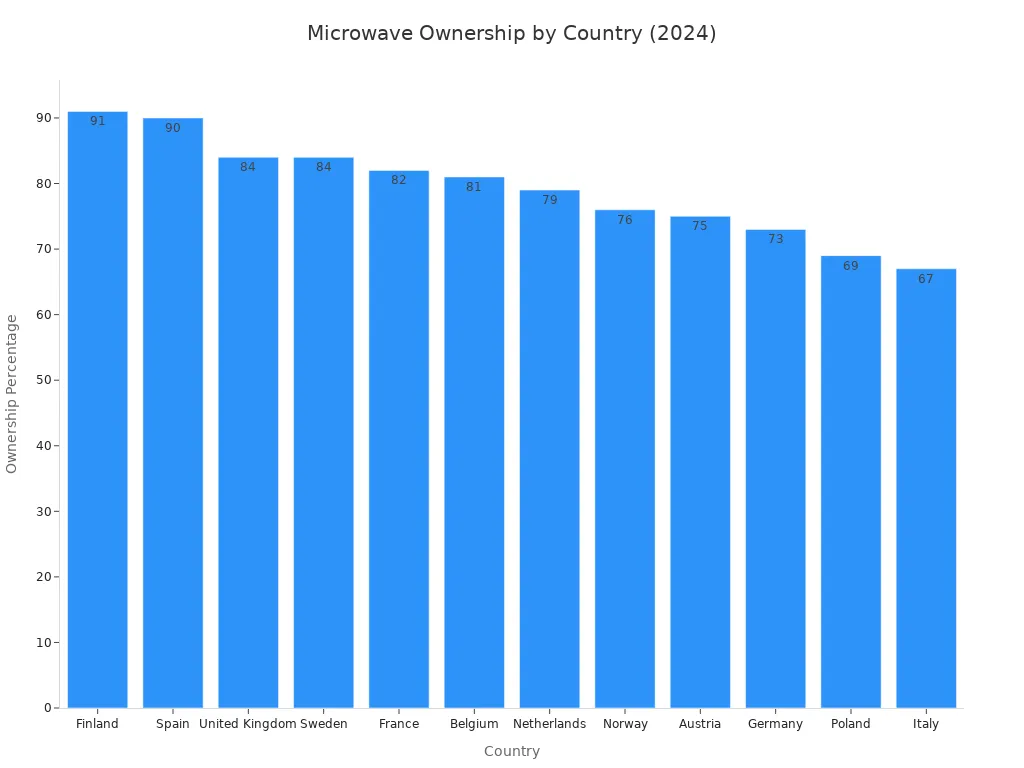
| Country | Microwave Ownership (2024) |
|---|---|
| Finland | 91% |
| Spain | 90% |
| United Kingdom | 84% |
| Sweden | 84% |
| France | 82% |
| Belgium | 81% |
| Netherlands | 79% |
| Norway | 76% |
| Austria | 75% |
| Germany | 73% |
| Poland | 69% |
| Italy | 67% |
The global market for microwave-safe utensils is projected to reach $3,475 million in 2024. So, are microwave grill pans safe to use? This Microwave Cookware Review will help you find the Best Microwave Grill 2026, considering even the most durable microwave grill brands. It clarifies if a Junsheng Microwave Grill Pan or similar products fit your lifestyle.
Key Takeaways
- Microwave grill pans use special materials to heat food directly. This creates browning and grill marks, unlike regular microwave cooking.
- These pans are great for quick meals and snacks. They cook foods like chicken, fish, and vegetables fast.
- Microwave grill pans offer speed and easy cleanup. However, they may not give the same deep, smoky flavor as outdoor grilling.
- Always check for ‘microwave-safe’ labels on cookware. Glass and ceramic are very safe choices for microwave use.
- Decide if a microwave grill pan is right for you. Think about your cooking habits, kitchen space, and if you value speed over traditional grilling taste.
Understanding Microwave Grill Pans: What They Are and How They Work
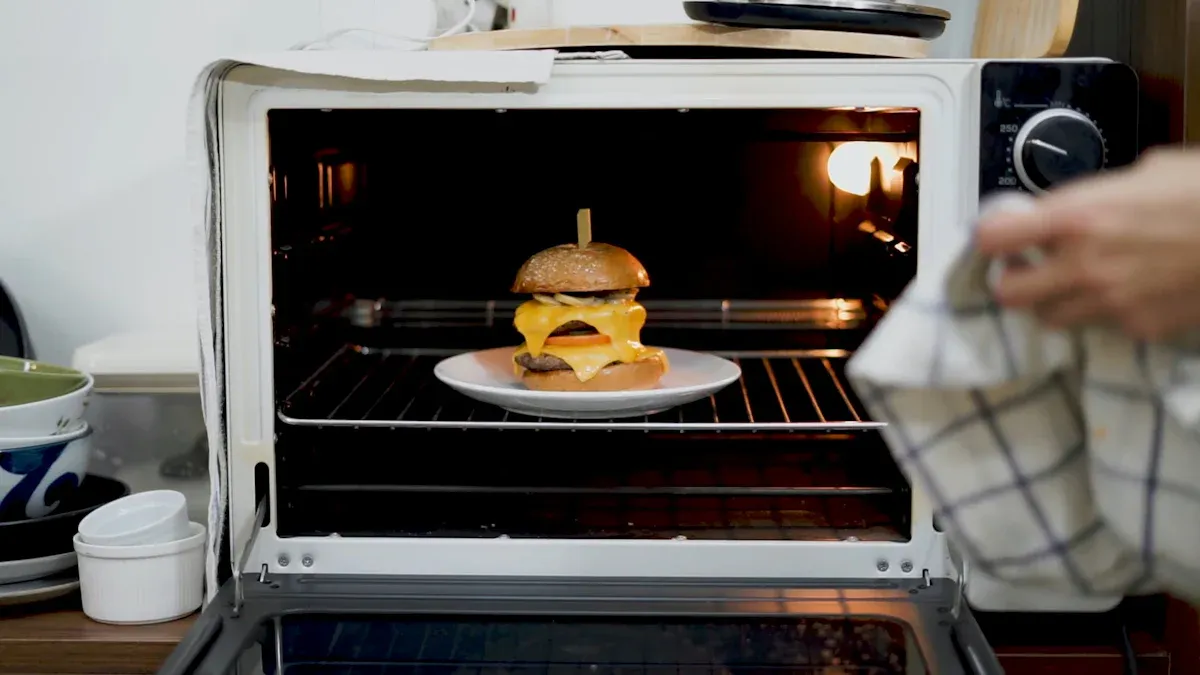
Microwave grill pans are special cooking tools. They let you get grilled results right in your microwave oven. People often wonder how these pans can brown food when microwaves usually just heat things up. It all comes down to clever design and advanced materials.
The Technology Behind Microwave Grilling
Traditional microwaves heat food by making water molecules vibrate. This process cooks food but does not create a crispy, browned surface. Microwave grill pans use different technology. They contain special materials that absorb microwave energy. This absorption converts the microwave energy into intense heat. This heat then cooks the food directly, much like a conventional grill or stovetop pan.
How Microwave Grill Pans Achieve Browning
These pans achieve browning through specific components. A crucial element is often a Tin-Oxide coating. This coating absorbs microwave energy and heats up quickly, allowing the pan to preheat. Other pans use special materials in their base. These materials absorb microwave energy and turn it into heat for browning. Some brands use patented Heatwave Technology. This technology converts microwave energy into infrared heat, which mimics traditional grilling. Ferrite technology also plays a big role. It generates and holds intense heat. This heat is perfect for the Maillard reaction, which creates that desirable browned crust on food. Advanced ferrite technology, a magnetic material, absorbs both electric and magnetic parts of an electromagnetic field. Its magnetic loss significantly contributes to heating. Another method involves patented thermal material technology under the grill pan. This converts microwaves into far-infrared heat, similar to a professional infrared grill.
Common Types and Designs
Microwave grill pans come in various designs, each with specific features. Most pans have a non-stick surface, often with a PTFE coating. This makes food release easy and cleaning simple. They also use heat-resistant and eco-friendly materials. These materials include aluminum alloy or food-grade options free from PFOA, PTFE, and BPA. Good pans ensure even heat distribution to prevent hot spots. Many models include cool-touch handles for safe handling. Raised ridges on the cooking surface are a common feature. They allow fat to drain and create those appealing grill marks. Always check for microwave-safe labeling and certifications.
Different materials offer various benefits. Ceramic pans hold heat well, cook evenly, and brown food effectively. They also have non-stick properties. Silicone pans are flexible, lightweight, and easy to clean. They may not brown food as well. Metal pans conduct heat quickly and are durable. However, not all metals are microwave-safe. Solid metal can cause arcing. Glass pans are microwave-safe and easy to clean, but they do not retain heat well. Pans should fit comfortably inside your microwave. This allows rotation and ensures even cooking. Some designs are dual-sided, cooking food without flipping. Square designs fit microwave interiors well, ideal for foods like fish or baguettes.
The Pros and Cons of Microwave Grill Pans
Microwave grill pans offer a unique cooking experience. They bring both benefits and drawbacks to your kitchen. Understanding these helps you decide if one fits your lifestyle.
Advantages: Speed, Convenience, and Less Mess
These pans truly shine in terms of speed and convenience. They cook food much faster than traditional methods. You can prepare a meal in minutes, perfect for busy weeknights. Cleanup is also a breeze. Most pans feature non-stick surfaces, so food slides right off. This means less scrubbing and less mess in your kitchen. You avoid heating up a large oven or firing up an outdoor grill. This saves energy and keeps your kitchen cooler.
Disadvantages: Limited Browning and Texture
Despite their benefits, microwave grill pans have some limitations. They may not achieve the deep, rich browning you get from a conventional grill. The texture might also differ. While they create grill marks and some crispiness, they often cannot replicate the smoky flavor or char of outdoor grilling. Some users find the browning to be lighter or less consistent than desired. This means your grilled chicken might look good but lack that intense, crispy skin.
Ideal Use Cases for Grill Pans
A microwave grill pan works best for specific cooking tasks. It excels at quickly preparing individual portions or small meals. Consider it for:
- Vegetables: Mushrooms, cherry tomatoes, bell peppers, onions, zucchini, asparagus, green beans, broccoli, cauliflower, eggplant slices.
- Breakfast/Brunch Items: Eggs (fried, scrambled, omelets), hash browns, breakfast sausages.
- Fruits: Pineapple slices, peaches, bananas, pears, apples (for caramelizing or crisps).
- Sandwiches/Wraps: Grilled cheese sandwiches, paninis, toasted wraps, quesadillas.
- Meats: Chicken breasts, thighs, tenders, fish fillets (salmon, cod), thin-cut steaks, minute steaks, burgers (beef, turkey, veggie).
- Snacks/Frozen Foods: Pizza slices, chicken nuggets.
These pans are perfect when you need a quick, hot meal without much fuss. They are a great tool for students, single individuals, or anyone short on time.
Key Factors to Consider Before Buying Any Microwave Cookware
When you look for new microwave cookware, several important things help you make a smart choice. These factors ensure your cookware is safe, lasts a long time, and works well for your cooking needs.
Material Safety and Durability
The materials in your microwave cookware matter a lot. You want items that can handle daily use without breaking down. Consumers should always look for cookware free from BPA (Bisphenol A) and phthalates. These chemicals can move into your food, especially when heated. They link to bad effects on reproductive, endocrine, metabolic, and neuro-developmental systems. Choosing materials that do not transfer harmful substances into food during heating is crucial. While some plastics say ‘microwave-safe,’ heating them can still release microplastics. Glass and ceramic cookware are stable and non-reactive choices.
Heat Resistance and Non-Toxic Properties
Cookware must withstand the intense heat microwaves create without melting or cracking. Materials like borosilicate glass and high-fired ceramics are known for their excellent heat resistance. The EN 15284 standard helps evaluate food contact materials for microwave heating. To qualify as microwave-safe, kitchenware must not show visual damage. Its surface temperatures should not exceed 56 to 60 °C after heating at 650 W for a short time.
| Material | Maximum Temperature Rating |
|---|---|
| Ceramic | 150°C |
| Borosilicate Glass | 300°C |
| Silicone | High heat resistance |
This standard helps assess suitability. Consumers should look for specific labels or symbols that show compliance with these safety rules.
Design and Functionality Features
Think about how the cookware looks and how easy it is to use. Good designs often include cool-touch handles. These handles make it safe to take hot dishes from the microwave. Lids that fit well prevent splatters and help food cook evenly. Non-stick surfaces make cleaning much easier. Also, consider the size and shape. Does it fit your microwave? Can you store it easily? These practical features make a big difference in your daily cooking experience.
Essential Microwave Cookware Materials: What to Look For
When you choose microwave cookware, the materials it uses are very important. They affect safety, how long the item lasts, and how well it cooks. Knowing the best materials helps you make smart choices for your kitchen.
Glass and Ceramic: Safe and Versatile
Glass and ceramic materials are excellent choices for microwave cookware. They are inherently stable and do not react with food. These materials do not contain chemical compounds found in plastics that can move into your food. They offer great alternatives to plastics, especially when you cook fatty foods or microwave for a long time. Glass and ceramic also have excellent heat resistance. They keep their shape even with repeated microwave use. This prevents chemicals from releasing into your food, ensuring safety and a long life for your cookware.
For example, glass offers chemical-free cooking and durability. It provides excellent thermal stability. You can also watch your food cook, which is great for dishes needing precise heating. Glass resists stains and odors and does not leach chemicals into food. Its strong build ensures it lasts a long time and gives you good value. You can move it from the microwave to the refrigerator or freezer easily. Its non-porous surface also cleans easily. Ceramic offers similar benefits, providing versatility for oven and microwave use. It transitions smoothly from microwave cooking to oven baking and even direct table serving.
However, glass and ceramic are heavier than plastic options. They need careful handling to prevent thermal shock or breaking. They can shatter with extreme temperature changes, especially when moving from the freezer to a hot oven. Damaged cookware, like items with chips or cracks, can weaken further during heating. This poses a safety risk. You also need to store them carefully to prevent chips and scratches, perhaps by using protective layers between items.
Silicone: Flexible and Heat-Resistant
Silicone is another popular material for microwave cookware. It is a synthetic polymer known for its high heat resistance, flexibility, and durability. The FDA approved silicone as a food-safe material in 1979. Most silicone kitchenware can withstand high heat, typically up to 425°F (220°C). Some products even have higher ratings. Silicone products are microwave-safe for reheating, but not always for initial cooking. Always check the manufacturer’s recommendations and the specific temperature rating of your silicone cookware before use.
When you choose silicone cookware, look for "food-grade" silicone products. These are free from harmful chemicals like BPA and phthalates. Make sure the label says "100% silicone." Food-grade silicone does not react with food and will not give off odors, tastes, or chemicals. It is safe for various microwave uses, as reasonable temperature changes do not affect its safety. When microwaving, avoid cooking items for too long. This prevents the product from losing its original shape over time. Always place silicone containers on a microwavable plate to catch any leaks or overflows.
Plastics: Safe vs. Unsafe Options
Using plastic in the microwave requires careful attention. Some plastics are safe, while others are not.
| Plastic Type | Microwave Safety | Reason/Notes |
|---|---|---|
| #2 (HDPE) | Safe | High heat tolerance, used in food storage containers and plastic bottles. |
| #4 (LDPE) | Safe (short periods) | Moderate heat tolerance, found in frozen food bags or cling wrap. |
| #5 (PP) | Safe | High melting point, durable, used in meal prep and reusable storage containers. |
| #7 (PC, BPA-free) | Safe (with caution) | High heat tolerance, but only safe if labeled BPA-free; traditional PC with BPA risks chemical leaching. |
| Bioplastics & Compostable Plastics | Safe (with caution) | Sugarcane bagasse and bamboo fiber can withstand heat; molded fiber products are often engineered to be microwave-safe. |
| #6 (Polystyrene/PS) | Avoid | Low melting point, warps easily, may release harmful chemicals. |
| #7 (PC, with BPA) | Avoid | Risks chemical leaching due to BPA content. |
| Unlabeled Containers | Avoid | Not tested for microwave use; may melt, warp, or release harmful chemicals. |
| Restaurant takeout containers | Avoid | Not designed for microwave use. |
| Water bottles | Avoid | Not designed for microwave use. |
| Plastic tubs (margarine, cream cheese, etc.) | Avoid | Not designed for microwave use. |
| Plastic storage bags/grocery bags | Avoid | Not designed for microwave use. |
You should avoid plastics like #6 (Polystyrene/PS) because they have a low melting point and can warp easily. They may also release harmful chemicals. Also, avoid #7 plastics that contain BPA, as they risk chemical leaching. Never use unlabeled containers, restaurant takeout containers, water bottles, plastic tubs, or plastic storage bags in the microwave. These items are not designed for microwave use and can melt, warp, or release harmful chemicals into your food. Always look for a "microwave-safe" label on plastic products.
When a Microwave Grill Pan Makes Sense (and When It Doesn’t)
A microwave grill pan offers a specific set of benefits. It fits certain cooking situations perfectly. However, it does not replace every traditional cooking method. Understanding its strengths and weaknesses helps you decide if it belongs in your kitchen.
For Quick Meals and Snacks
A microwave grill pan excels at making quick meals and snacks. It provides a fast way to prepare food when you have little time. For example, you can reheat bacon, eggs, pizza, fries, and steak using a crisper pan. A grill pan is also suitable for grilling, browning, and crisping various foods. You can quickly make waffles, including original, chocolate chip, fruit-filled, and mini bite-sized options. Heated ham and cheese sandwiches, turkey avocado melts, and veggie wraps cook or reheat in just 2-3 minutes. They retain moisture and crispness, making them perfect for a fast lunch or snack.
For Specific Food Types
Microwave grill pans work well for certain food types. They are great for single servings or small portions. Think about cooking a chicken breast, a fish fillet, or some vegetables. The pan helps achieve some browning and grill marks. This makes the food more appealing than plain microwaved items. It is a good option for people who want a slightly crisper texture without using a full oven or outdoor grill.
When Traditional Grilling is Preferred
Many people still prefer traditional grilling for good reasons. Traditional grills use direct heat from charcoal, gas, or wood. This gives food a distinctive smoky flavor and a crispy, charred exterior. These methods create complex flavor compounds that microwave grills cannot fully replicate. Microwave grills use an electric heating element with microwave energy. This browns and crisps food surfaces. However, it lacks the smoky aroma and deep char of outdoor grilling.
Traditional grills also deliver superior taste and texture. The high heat is essential for the Maillard reaction. This reaction transforms proteins and sugars, creating new flavors and characteristic brown colors. Traditional grills offer a broader range of food compatibility. They allow users to grill various ingredients like chicken, steak, vegetables, and fruits. They achieve desirable sear marks and complex flavors. Microwave grilling offers less flavor development compared to these direct heat methods. It is not ideal for complex or gourmet food types that require true grilling or searing.
Making Your Decision: A Microwave Cookware Review
Deciding on new kitchen tools always involves careful thought. This final Microwave Cookware Review helps you weigh your options. It ensures you pick the best microwave grill pan for your home.
Assessing Your Cooking Habits
Your daily cooking routine plays a big role in this decision. Do you often find yourself rushing to get meals on the table? Many busy individuals look for efficient cooking methods. A microwave grill pan offers significant time savings. It combines the speed of microwave cooking with the benefits of grilling. This tool allows users to prepare delicious meals quickly. Think about your kitchen space too. Small kitchens often present challenges for home cooks. Limited counter space makes preparing meals difficult. Traditional cooking appliances take up valuable room. A microwave grill pan offers a practical solution. It allows users to cook a variety of dishes without cluttering their countertops. This innovative tool fits inside the microwave, leaving precious counter space free for other tasks. This design makes it an essential item for compact living areas. If you value speed and space, a microwave grill pan might be a smart addition.
Budget and Storage Considerations
Cost is always a factor when buying new kitchen items. Microwave grill pans come in various price points. This allows you to find one that fits your budget.
| Model Type | Avg. Price |
|---|---|
| Entry-level models | $15–$25 |
| Mid-tier options | $25–$45 |
| Premium versions | $45+ |
| Basic Silicone Grill Mat | $15–$20 |
| Ceramic-Coated Tray | $25–$35 |
| Dual-Layer Crisper + Grill | $35–$50 |
Quality ceramic microwave grill pans typically range from $30 to $70 or more. Silicone microwave grill pans usually cost between $15 and $40. Consider these prices as part of your overall Microwave Cookware Review. Beyond the price tag, think about where you will store the pan. Some models are bulky. Make sure you have enough cabinet space. A compact design might be better if your kitchen is small.
Prioritizing Convenience vs. Quality
Ultimately, your choice comes down to what you value most in cooking. Do you prioritize speed and easy cleanup, or do you seek the highest food quality?
| Feature | Ceramic Microwave Grill Pan | Silicone Microwave Grill Pan |
|---|---|---|
| Food Quality | Superior browning, crisping, genuinely grilled finish | Less intense browning and crisping, suitable for lighter tasks |
| Convenience | Less convenient (e.g., cleaning, potentially heavier) | Unmatched convenience (lightweight, flexible, easy to clean) |
| Prioritization | Preferred for high-quality cooking results (performance) | Preferred for quick preparation and effortless cleanup |
| Performance | Offers superior browning and heat retention | Limitations in achieving intense browning and crisping |
Ceramic microwave grill pans offer superior browning and crisping. They give a genuinely grilled finish. However, they can be less convenient to clean and might feel heavier. Silicone pans, on the other hand, offer unmatched convenience. They are lightweight, flexible, and very easy to clean. Yet, they provide less intense browning and crisping. They suit lighter tasks better. If you prioritize high-quality cooking results and performance, a ceramic pan might be your choice. If quick preparation and effortless cleanup are more important, a silicone pan could be ideal. This Microwave Cookware Review helps you align your purchase with your personal cooking philosophy.
Microwave grill pans offer a specific solution for certain cooking needs. Their value depends on your lifestyle and what you expect from your food. They are not for everyone. This Microwave Cookware Review shows their worth is conditional, not universal. Consider your daily routine and culinary goals. This helps you make a smart choice about this specialized kitchen tool.
FAQ
What makes microwave grill pans safe for cooking?
Microwave grill pans are safe because manufacturers design them specifically for microwave ovens. They use special materials that can handle the intense heat. Always look for "microwave-safe" labels and follow the instructions. This ensures safe and effective cooking.
What types of food cook best in a microwave grill pan?
These pans excel at making quick meals and snacks. They are great for chicken breasts, fish fillets, and vegetables. People also use them for sandwiches, pizza slices, and even some fruits. They help achieve a crisper texture for many items.
How do microwave grill pans create browning and grill marks?
Microwave grill pans contain special materials. These materials absorb microwave energy. They then convert this energy into intense heat. This direct heat cooks the food, creating desirable browning and grill marks. It mimics traditional grilling effects.
Why should someone choose glass or ceramic for microwave cookware?
Glass and ceramic are excellent choices for microwave cookware. They are very stable and do not react with food. These materials also handle heat well. They ensure safe cooking without chemicals leaching into meals. They offer great durability too.
💡 Always check for "microwave-safe" labels on any cookware before use!