
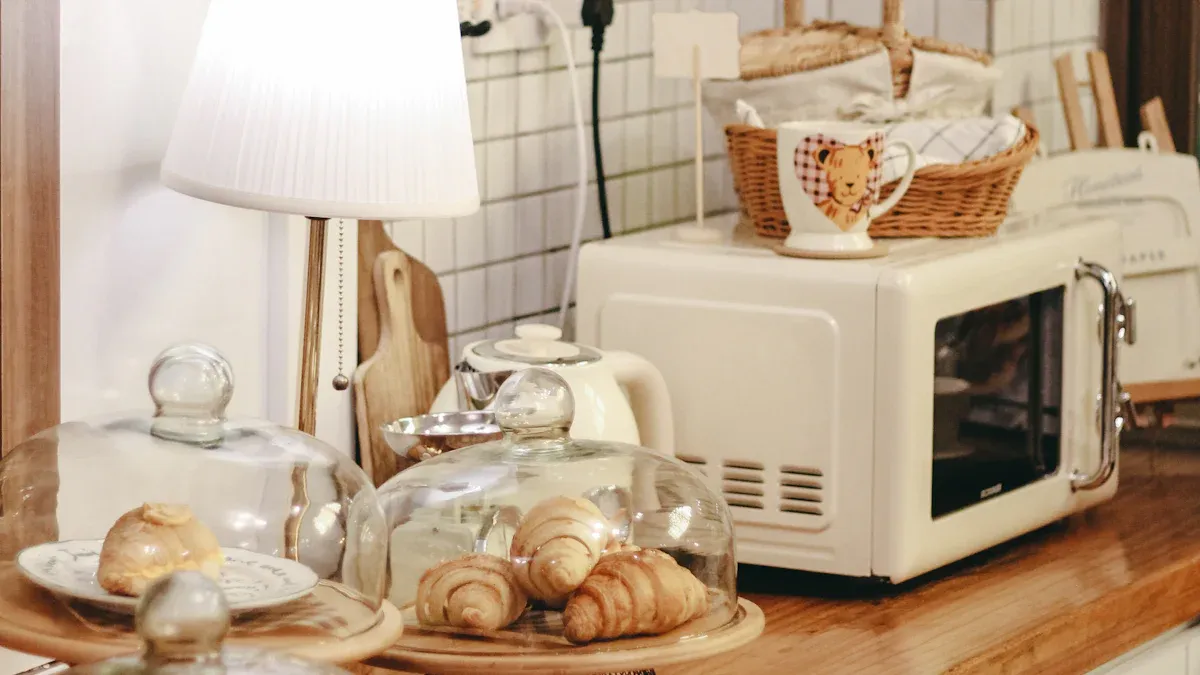
Using a Microwave Grill Pan can pose risks if individuals do not adhere to proper usage guidelines. Reports indicate that at least 175 complaints have surfaced regarding microwave ovens damaged by products like the Micro-Bake grill pan. This suggests that users must remain vigilant about microwave safety. Ensuring that the grill pan is made from food-grade silicone microwave compatibility materials is essential for safe cooking. Understanding what materials are high-quality microwave grills made of can help prevent potential damage. So, is it safe to use a grill pan in the microwave? The answer largely depends on the user’s knowledge and adherence to safety practices, particularly when it comes to microwave-safe grilling.
Key Takeaways
- Always check for ‘microwave-safe’ labels on grill pans to ensure safe usage.
- Use materials like glass, ceramic, and specific plastics that are safe for microwave cooking.
- Avoid using metal or damaged containers in the microwave to prevent sparks and potential fires.
- Follow the manufacturer’s instructions for your microwave and grill pan to ensure optimal safety and performance.
- Handle grill pans with care and clean them gently to maintain their quality and safety.
Microwave Safety: Safe Materials for Microwave Use
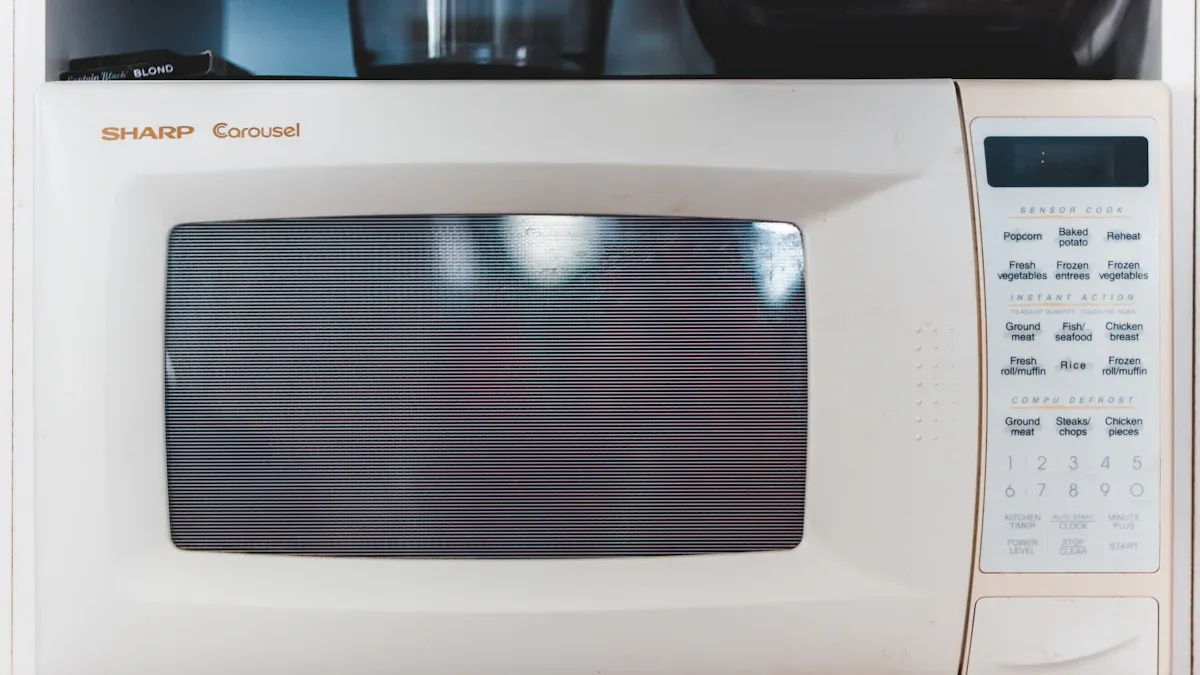
When considering microwave safety, it is crucial to understand which materials are suitable for use in microwave ovens. The U.S. Food and Drug Administration (FDA) does not enforce specific regulations for microwave materials. However, it emphasizes that any packaging intended for food contact must comply with good manufacturing practices. This guidance ensures that materials are appropriate for their intended use, as outlined in Title 21 of the Code of Federal Regulations (CFR), Section 174.5.
Several materials are widely recognized as safe for microwave use:
- Glass: Glass containers are excellent choices for microwaving. They do not leach harmful chemicals and can withstand high temperatures.
- Ceramic: Like glass, ceramic dishes are safe for microwave use. They also do not release toxins when heated.
- Platinum-Cured Silicone: This type of silicone is safe for cold storage but should be used cautiously when heating. Only medical-grade silicone is recommended for microwave use.
While silicone has its advantages, caution is necessary. Research indicates that only specific types of silicone, such as medical-grade, are safe for heating.
Here is a summary of the temperature tolerances for various microwave-safe plastics:
| Plastic Type | Temperature Tolerance |
|---|---|
| High-Density Polyethylene (HDPE) | -40 to 266 degrees Fahrenheit |
| Polypropylene (PP) | 0 to 250 degrees Fahrenheit |
| Molded Fiber & Bagasse | Up to 250 degrees Fahrenheit |
Additionally, certain standards exist for microwave-safe cookware. The EN 15284 standard tests the microwave resistance of reusable food contact articles, applicable to ceramic, glass, glass-ceramic, or plastic cookware intended for multiple uses in a microwave.
Safe materials also include:
- Glass-ceramic ware
- Heatproof glass ware
- Oven cooking bags
- Straw and wood baskets (without metal)
- Wax paper
- Parchment paper
- Vented plastic bags
- Paper products specifically approved for microwave cooking
Understanding these materials helps users make informed choices, ensuring microwave safety while enjoying the convenience of microwave cooking.
Microwave Safety: Unsafe Materials for Microwave Use
Using the wrong materials in a microwave can lead to serious safety hazards. Certain items can cause damage to the microwave or even pose fire risks. Here are some common unsafe materials to avoid:
- Aluminum foil: This material can cause sparks and fires when microwaved.
- Metals: Items like shiny metal rims and stainless steel can reflect microwave energy, leading to interference.
- Single-use plastics: Containers such as yogurt tubs may not withstand microwave heat, potentially releasing harmful chemicals.
- Styrofoam: This material can melt and release toxic substances when heated.
The risks associated with metal in microwaves are particularly concerning. Metal reflects microwave energy, which can lead to several issues:
- Arcing: This occurs when microwaves cause electrons to concentrate at sharp edges of metal, resulting in sparks.
- Fire hazards: Continuous use of metal can increase the risk of fire inside the microwave.
- Damage to components: Arcing can damage both the metal object and the microwave itself.
Sparks may appear as blue or white flashes around the metal, accompanied by popping or crackling sounds. Users may also notice burning smells or smoke, indicating overheating.
Additionally, using non-microwave-safe plastics can lead to chemical reactions. Heating these plastics can release harmful substances like BPA and phthalates into food and drinks. This migration of chemicals poses potential health risks, as heating can mobilize additives that leach into food.
Statistics show that microwaves are responsible for about 10% of cooking-related fires each year, with many incidents linked to improper use or malfunction. Awareness of unsafe materials is crucial for maintaining safety in the kitchen.
By avoiding these materials, users can significantly reduce the risk of damage to their microwave ovens and ensure safer cooking practices.
Risks of Using a Microwave Grill Pan
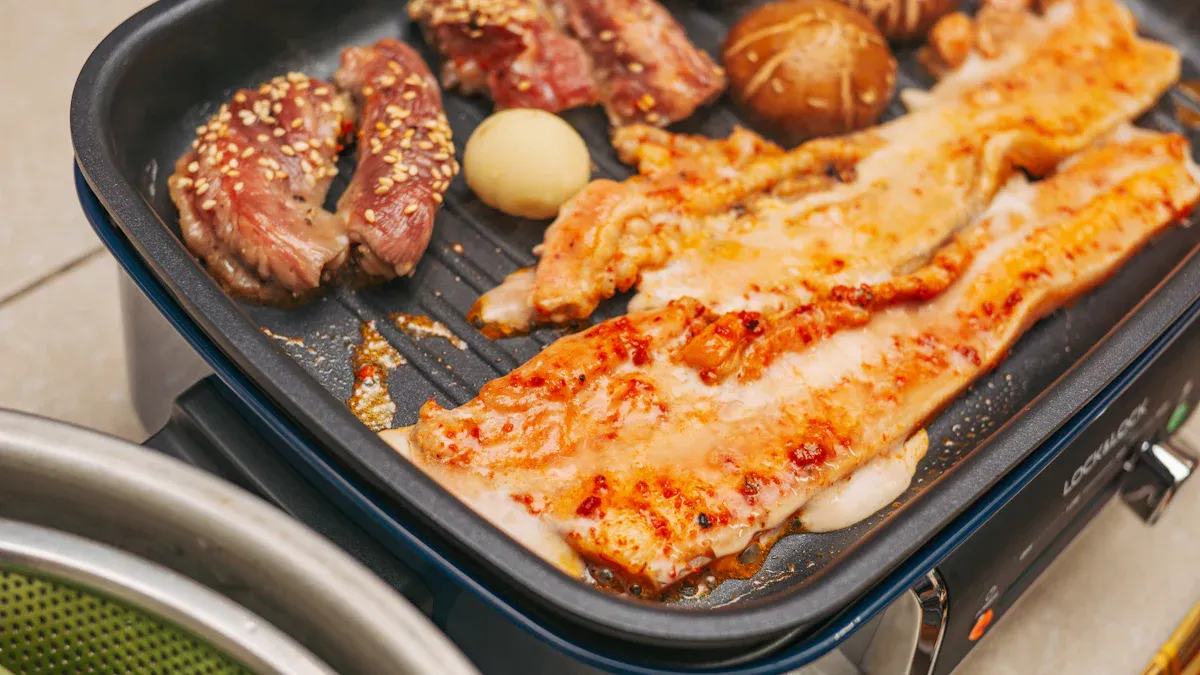
Using a microwave grill pan can introduce several risks that users should consider. While these pans offer convenience, improper use can lead to various issues. Here are some key risks associated with microwave grill pans:
-
Uneven Cooking: Microwave grill pans may not distribute heat evenly. This can result in undercooked or overcooked food. Users might find that certain areas of the food remain cold while others become too hot.
-
Material Concerns: Not all grill pans are made from microwave-safe materials. Some may contain harmful substances that leach into food when heated. Users should always verify that their grill pan is labeled as microwave-safe to avoid potential health risks.
-
Fire Hazards: If a grill pan contains metal components, it can spark and cause a fire. Users must ensure that their grill pan is free from any metallic parts. This precaution is essential for maintaining microwave safety.
-
Damage to the Microwave: Improper use of a grill pan can lead to damage to the microwave itself. For instance, overheating the pan can cause it to warp or melt, potentially damaging the microwave’s interior. Users should monitor cooking times closely to prevent such incidents.
-
Chemical Reactions: Some plastics used in grill pans may not withstand high temperatures. Heating these materials can release harmful chemicals into food. Users should avoid using grill pans made from low-quality plastics to ensure their safety.
Tip: Always read the manufacturer’s instructions before using a microwave grill pan. Following these guidelines can help mitigate risks and enhance microwave safety.
Expert Recommendations on Microwave Grill Pans
Experts emphasize the importance of using microwave grill pans correctly to ensure safety and optimal cooking results. Here are some key recommendations from microwave oven manufacturers:
- Always use microwave-safe grill racks. These racks help distribute heat evenly and prevent damage to the microwave.
- Follow model-specific instructions provided in the owner’s manual. Each microwave may have unique features that affect how grill pans should be used.
- Utilize designated accessories like the Grill Rack for optimal grilling. These accessories are designed to enhance the grilling experience while ensuring safety.
Before using a microwave grill pan, users should set food on a microwave-safe grill rack. This practice allows for better airflow and heat distribution, which can lead to more evenly cooked meals.
Additionally, experts recommend checking the grill pan for any metallic components. Metal can cause sparks and damage the microwave. Users should also inspect the material of the grill pan. Only high-quality, microwave-safe materials should be used to avoid harmful chemical leaching.
Tip: Always consult the owner’s manual for detailed instructions. This step ensures that users understand the specific requirements for their microwave model, promoting microwave safety.
Safety Tips for Using Microwave Grill Pans
Using microwave grill pans can enhance cooking convenience, but safety remains paramount. Here are essential tips to ensure safe usage:
-
Choose the Right Materials: Always select grill pans made from microwave-safe materials such as ceramic or silicone. Avoid any pans with metal components, as they can cause sparks and damage the microwave.
-
Use Appropriate Utensils: Opt for silicone, wooden, or heat-resistant tools when handling food in the grill pan. This practice helps protect the non-stick surface from scratches.
-
Control Heat Levels: Set the microwave to low or medium heat. High temperatures can damage the non-stick coating and lead to uneven cooking.
-
Handle with Care: Stack pans carefully to minimize scratches. Avoid nesting them directly on top of each other. Instead, use pan protectors or soft cloths between stacked cookware for added protection.
-
Ensure Proper Drying: Store grill pans completely dry to prevent rust or mold. Moisture can compromise the integrity of the materials over time.
-
Clean Gently: Hand wash the grill pan with warm, soapy water to effectively remove residues. Use a nylon sponge or soft cloth to avoid scratching the surface. Avoid harsh chemicals that can damage the non-stick coating.
-
Follow Manufacturer Guidelines: Always refer to the manufacturer’s instructions for specific usage and maintenance tips. This ensures that users adhere to best practices for microwave safety.
By following these safety tips, individuals can enjoy the benefits of microwave grill pans while minimizing risks. Proper care and attention to detail can significantly enhance the cooking experience.
Using a microwave grill pan can be safe if individuals follow proper guidelines. Always check for ‘microwave-safe’ labels on cookware. Adhering to manufacturer instructions is crucial for preventing damage.
Microwave ovens are designed with safety features, including interlocks that prevent operation when the door is open. This design helps avoid potential damage and ensures safe usage.
To further emphasize safety, consider these key takeaways:
- Always check for ‘microwave-safe’ labels or symbols on your containers.
- Glass, ceramic, and specific plastics like #5 (polypropylene) are safe for microwave use.
- Never put metal or damaged containers in the microwave, as they can cause sparks or release harmful substances.
By following these practices, users can enjoy the convenience of microwave cooking while ensuring microwave safety.
FAQ
What is a microwave grill pan?
A microwave grill pan is a specialized cookware designed for use in microwave ovens. It allows users to grill food quickly while ensuring even cooking and browning.
Can I use any grill pan in the microwave?
No, not all grill pans are microwave-safe. Users must check for labels indicating microwave compatibility to avoid damage or health risks.
How do I clean a microwave grill pan?
Clean a microwave grill pan by hand washing it with warm, soapy water. Use a soft sponge to avoid scratching the surface and ensure longevity.
What should I do if my grill pan warps in the microwave?
If a grill pan warps, discontinue use immediately. Warping can indicate that the material is not microwave-safe or that it has been overheated.
Are there any health risks associated with using microwave grill pans?
Yes, using grill pans made from unsafe materials can lead to chemical leaching into food. Always verify that the pan is made from microwave-safe materials.


