
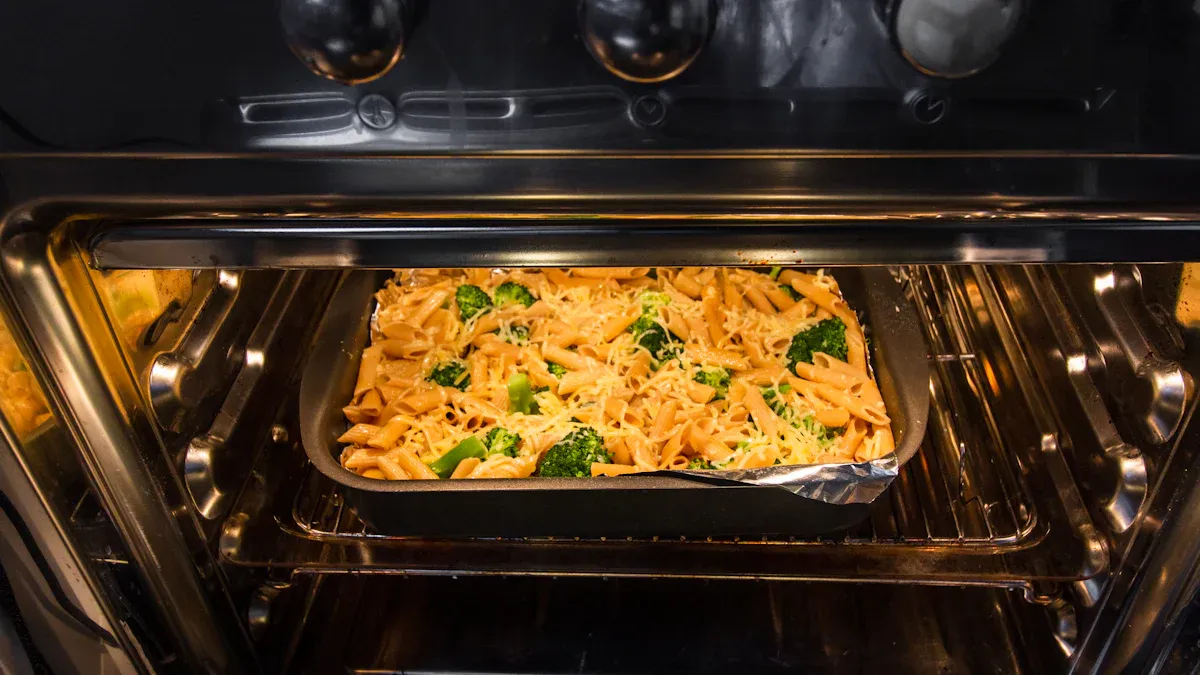
Microwave cookware for real cooking refers to specialized kitchen items designed to enhance food preparation beyond simple reheating. Selecting the right cookware ensures optimal performance, safety, and flavor, particularly when considering microwave safety. In 2026, the market for microwave cookware has expanded significantly, with a notable increase in both sales and variety, including options that emphasize food-grade silicone microwave compatibility.
| Year | Market Revenue (USD Billion) | Unit Sales (Million) |
|---|---|---|
| 2020 | 8.79 | 219.02 |
| 2021 | 9.74 | 227.98 |
| 2022 | 8.87 | 222.28 |
| 2023 | 9.23 | 225.06 |
| 2024 | 9.62 | 227.41 |
| 2025 | 10.02 | 232.44 |
| 2026 | 10.44 | 237.47 |
This growth reflects an increasing consumer interest in versatile cooking methods, such as microwave-safe grilling and using a Microwave Grill Pan. Many consumers are also curious about what materials high-quality microwave grills are made of and whether it is safe to use a grill pan in the microwave.
Key Takeaways
- Choose microwave cookware made from safe materials like glass, ceramic, silicone, and specific plastics to ensure health and safety.
- Look for versatile cookware options that allow you to steam, bake, roast, and grill, maximizing your microwave’s capabilities.
- Prioritize ease of cleaning by selecting non-porous and dishwasher-safe materials, making your cooking experience more convenient.
- Check for microwave-safe labels on cookware to avoid accidents and ensure proper usage, especially with plastic and metal items.
- Invest in quality brands known for durability and safety, such as Pyrex and CorningWare, to enhance your cooking efficiency.
Types of Microwave Cookware
Glass Cookware
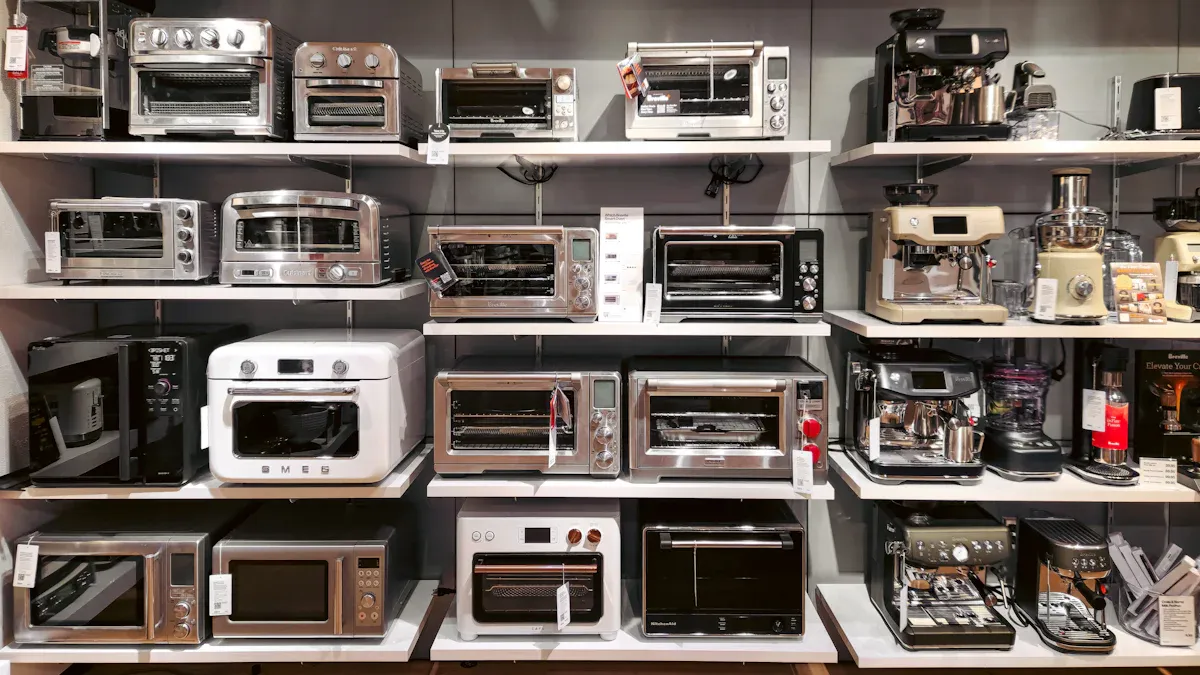
Glass cookware has gained popularity for its versatility and safety in microwave cooking. Brands like CorningWare and Pyrex offer durable options made from materials such as Pyroceram and borosilicate glass. These materials can withstand high temperatures without breaking or melting, making them ideal for various cooking tasks.
Advantages of Glass Cookware:
- Allows visual monitoring of cooking progress.
- Non-reactive with acidic ingredients, ensuring flavor integrity.
- Generally less expensive than ceramic alternatives.
- Does not absorb odors or flavors from previous meals.
- Dishwasher safe for easy cleaning.
| Advantages of Glass Bakeware | Disadvantages of Glass Bakeware |
|---|---|
| Allows visual monitoring of cooking progress | More susceptible to thermal shock |
| Non-reactive with acidic ingredients | Not as decorative for table service |
| Generally less expensive than ceramic | Slightly less heat retention than ceramic |
| Doesn’t absorb odors or flavors | Can chip or break if dropped |
| Dishwasher safe | N/A |
Manufacturers address safety concerns related to breakage by labeling their products as microwave-safe. This indicates that the cookware has undergone testing for durability under microwave conditions. Proper usage guidelines help consumers avoid accidents, ensuring a safe cooking experience.
Ceramic Cookware
Ceramic cookware is renowned for its excellent heat distribution, which helps prevent hot spots during cooking. This feature ensures that food cooks evenly, making it a reliable choice for microwave use. Brands like Ningbo Junsheng produce high-quality ceramic options that combine functionality with aesthetic appeal.
Key Benefits of Ceramic Cookware:
- Durable and can endure high temperatures.
- Provides even heat distribution, enhancing cooking efficiency.
- Often features attractive designs suitable for serving.
| Standard/Test Method | Description |
|---|---|
| ASTM C1607-12 | Standard Test Method for Determination of ‘Microwave Safe for Reheating’ for Ceramicware |
Ceramic cookware is also non-reactive, meaning it does not interact with food, preserving flavors and nutrients. This makes it an excellent choice for various cooking applications, from baking to steaming.
Silicone Cookware
Silicone cookware has emerged as a versatile option for microwave cooking, offering unique benefits that extend beyond reheating. Its flexibility allows for easy removal of baked goods and other dishes, making it a favorite among home cooks.
Benefits of Using Silicone Cookware:
- Sustainable Material: Reduces waste due to its durability.
- Versatility and Reusability: Available in various shapes and sizes for different cooking needs.
- Energy Efficiency: Ensures even heating, maximizing the microwave’s energy-saving capabilities.
- Convenient Cooking: Allows for quick meal preparation directly in the microwave.
Silicone cookware is also known for its ability to retain nutrients while steaming vegetables and other foods. This characteristic promotes healthier cooking methods, making it an excellent choice for those looking to maintain a nutritious diet.
Plastic Cookware
Plastic cookware offers a lightweight and affordable option for microwave cooking. However, safety concerns regarding the materials used in plastic products necessitate careful selection. Consumers should prioritize containers that are specifically labeled as microwave-safe.
Key Considerations for Plastic Cookware:
- Look for the microwave-safe symbol on plastic containers.
- Use containers that have passed FDA testing for food safety.
- Avoid using plastic tubs and bags not designed for microwave use.
Certain plastics can release harmful chemicals when heated, posing health risks. For instance, restaurant takeout containers and water bottles should be avoided in microwaves due to potential chemical migration into food. Additionally, endocrine disruptors found in some plastics can lead to serious health issues, particularly in children.
When selecting plastic cookware, BPA-free options are preferable. These materials, such as polypropylene (PP), are lightweight, durable, and easy to find. However, they may stain from colorful foods like curries or tomato sauces and can retain strong odors over time. Over many cycles of high-heat use, BPA-free plastics may also degrade.
Metal Cookware
Metal cookware presents a unique challenge in microwave cooking. While older microwaves prohibited metal use entirely, newer models may allow limited use under specific conditions. It is essential to understand the risks and limitations associated with metal cookware in microwaves.
Risks of Using Metal Cookware:
- Sparks can occur when metal objects are heated by microwave radiation, leading to arcing.
- Arcing can damage the microwave and create safety hazards.
- Sharp edges or loose pieces of aluminum foil can act as antennas, increasing the risk of sparks and fires.
Only stainless steel items labeled as microwave-safe should be used. It is crucial to ensure that stainless steel does not touch the microwave walls to prevent arcing. Additionally, avoid using damaged items or those with metal embellishments, as they pose serious risks.
Innovations in design have allowed certain metal cookware to be used safely in microwaves. For example, manufacturers have developed stainless steel lids with smooth, curved shapes that are 100% microwave-safe. This design minimizes the risk of arcing, making it a viable option for microwave cooking.
"We’ve designed the stainless steel in our lids to be 100% microwave-safe due to its smooth, curved shape. In reality, some metal is totally safe! If the metal is rounded, it won’t arc."
Understanding the characteristics of both plastic and metal cookware is vital for safe and effective microwave cooking. By making informed choices, consumers can enjoy the benefits of these materials while minimizing health risks.
Key Features to Consider
Heat Resistance
Heat resistance is a critical factor when selecting microwave cookware. Cookware must withstand various temperature ranges to ensure safe and effective cooking. For instance, glass trays excel in heat stability and even heat distribution, which helps reduce hotspots. Ceramic trays offer high durability and excellent heat retention, making them suitable for slow cooking. In contrast, silicone trays are flexible and non-stick but may deform under high temperatures. Plastic trays are lightweight and cost-effective but can warp if not specifically designed for microwave use.
To illustrate the temperature ranges cookware should withstand, consider the following table:
| Temperature Range | Use Case |
|---|---|
| Below 100°C (212°F) | Reheating leftovers, softening butter, melting chocolate |
| 180°C–200°C (356°F–392°F) | Baking muffins, small cakes, casseroles |
| 220°C–250°C (428°F–482°F) | Not suitable for microwave trays; can cause damage |
Understanding these temperature ranges helps consumers select the right cookware for their cooking needs.
Microwave Safety
Microwave safety is paramount when using any cookware in a microwave. Consumers should be aware of the most common causes of cookware failure related to safety. For example, older microwaves may pose increased risks, especially those over ten years old. Faulty doors, rust on seals, and cracked glass windows can lead to radiation leakage. Any visible damage that cannot be repaired also poses a safety risk.
Here’s a table summarizing these causes:
| Cause of Failure | Description |
|---|---|
| Microwave age | Microwaves older than 10 years may have increased risks of failure. |
| Faulty doors | Damaged or faulty doors can lead to radiation leakage. |
| Rust on door seal or interior cavity | Rust can compromise the seal, increasing the risk of leakage. |
| Cracked glass window | A cracked window can also allow radiation to escape. |
| Obvious faults | Any visible damage that cannot be repaired poses a safety risk. |
| Dirty or damaged microwave | A dirty microwave can lead to improper sealing and increased leakage risk. |
| Improper modifications | Modifications that affect door closure can lead to safety hazards. |
Ensuring that cookware is labeled as microwave-safe and following proper usage guidelines can help mitigate these risks.
Versatility in Cooking
Versatility in cooking is another essential feature to consider when selecting microwave cookware. The ability to prepare a variety of dishes using the same cookware enhances convenience and efficiency in the kitchen. Some of the most versatile options include:
- Pasta Cooker
- Anyday Microwave Cookware
- Omelet Maker
- Vegetable Steamer
- Bacon Tray
- Microwave Crisper Pan
These items allow users to explore different cooking techniques, from steaming vegetables to baking muffins, all within the microwave. By investing in versatile cookware, consumers can expand their culinary repertoire and make the most of their microwave’s capabilities.
Ease of Cleaning
Cleaning microwave cookware should be straightforward and efficient. Many modern materials offer features that simplify the cleaning process compared to traditional cookware. Here are some key advantages:
- Non-porous materials prevent food particles from sticking, making cleanup effortless.
- Dishwasher compatibility allows busy individuals to save time and effort.
- Glass cookware resists stains and odors, enabling quick rinsing or dishwasher cycles.
- Ceramic options often have glazed finishes that ensure easy food release.
- BPA-free plastic containers feature smooth interiors to prevent food clinging.
- Silicone cookware is flexible and has non-stick properties, allowing food to slide off easily.
These features make microwave cookware not only practical but also a preferred choice for those who value convenience in their cooking routines.
Size and Storage Options
When selecting microwave cookware, size and storage options play a crucial role. Consumers benefit from a variety of sizes and designs that cater to different cooking needs. Here are some popular features:
- Microwave-safe containers heat evenly and keep food fresh.
- They help maintain health by avoiding harmful chemicals.
- Many options are easy to handle and resistant to stains and pitting.
- Cookware is available in various sizes and sets, accommodating different meal portions.
Additionally, stackability and nesting designs significantly enhance storage efficiency. The following table outlines the benefits of these designs:
| Benefit | Description |
|---|---|
| Space Efficiency | Stackable to save valuable space. |
| Nesting Convenience | Nest together with ease when empty. |
By choosing cookware that offers both versatility in size and efficient storage solutions, consumers can maximize their kitchen space while enjoying the benefits of microwave cooking.
Cooking Techniques
Steaming
Steaming in the microwave offers a quick and healthy cooking method. This technique transforms raw ingredients into nutritious meals while preserving essential nutrients. Using specialized microwave steamers made from food-grade silicone enhances the experience. These steamers feature a collapsible design for compact storage, making them ideal for small kitchens.
Benefits of Microwave Steaming:
- Efficient Cooking: Prepares larger portions quickly, accommodating family meals.
- Healthy & Safe: Maintains nutrients and avoids harmful substances.
- Easy Cleanup: Non-stick surfaces allow for quick cleaning without scrubbing.
- Dishwasher Safe: Simplifies maintenance by being dishwasher-friendly.
To steam effectively, use a microwave-safe bowl with a lid. Add water, cover the bowl, and microwave. This method is fast and mess-free, perfect for busy schedules. However, limited capacity may restrict portion sizes.
Baking
Baking in the microwave has gained popularity due to its speed and convenience. Microwave-safe baking dishes allow users to create delicious treats like cakes and muffins in a fraction of the time compared to traditional ovens.
Tips for Successful Microwave Baking:
- Use microwave-safe glass or ceramic dishes for even heat distribution.
- Adjust cooking times, as microwave baking often requires less time than conventional methods.
- Monitor the baking process closely to prevent overcooking.
With the right cookware, home bakers can enjoy fluffy cakes and moist muffins without the long wait. This technique is especially beneficial for those who want to satisfy their sweet tooth quickly.
Roasting
Roasting in the microwave may seem unconventional, but it is possible with the right cookware. Microwave crisper pans allow users to achieve a roasted texture without the need for an oven.
Advantages of Microwave Roasting:
- Quick Cooking: Reduces cooking time significantly compared to traditional roasting.
- Crispy Results: Specialized pans create a crispy exterior while keeping the inside tender.
- Versatile Use: Ideal for vegetables, meats, and even potatoes.
Using a microwave crisper pan, cooks can prepare roasted dishes efficiently. This method is perfect for those who want to enjoy roasted flavors without the lengthy cooking process.
Grilling
Grilling in the microwave offers a convenient way to achieve that delicious charred flavor without the need for an outdoor grill. Specialized microwave grill pans allow users to replicate traditional grilling techniques quickly and efficiently. These pans often feature a non-stick surface and a design that promotes even heat distribution.
Benefits of Microwave Grilling:
- Speed: Grilling in the microwave significantly reduces cooking time compared to conventional grilling methods.
- Convenience: No need to preheat an outdoor grill or deal with charcoal.
- Healthier Cooking: Excess fat drips away during grilling, resulting in lower-calorie meals.
To grill effectively, users should follow these tips:
- Preheat the Grill Pan: This step ensures even cooking and better searing.
- Use Marinades: Marinades enhance flavor and tenderness.
- Monitor Cooking Times: Microwave grilling requires less time than traditional methods, so checking frequently prevents overcooking.
Defrosting
Defrosting food in the microwave is a practical solution for busy individuals. This method allows for quick thawing of frozen meats, vegetables, and other items. Most modern microwaves come equipped with a defrost setting, which adjusts the power level to prevent cooking while thawing.
Key Advantages of Microwave Defrosting:
- Time-Saving: Defrosting in the microwave takes only minutes compared to hours in the refrigerator.
- Convenience: Users can defrost food directly in the container, minimizing cleanup.
- Safety: Proper defrosting prevents the growth of harmful bacteria.
When defrosting, it is essential to follow these guidelines:
- Use Microwave-Safe Containers: Ensure that containers can withstand microwave heat.
- Rotate Food: Turn or rearrange items halfway through to promote even thawing.
- Cook Immediately After Defrosting: This practice prevents bacteria from developing on partially cooked food.
By mastering grilling and defrosting techniques, users can expand their culinary skills and make the most of their microwave cookware.
Recommended Products
Top Glass Cookware Options
When it comes to glass cookware, several products stand out in 2026. These options combine durability, safety, and aesthetic appeal. Here are some of the best-selling glass microwave cookware products:
| Feature | Description |
|---|---|
| Material | Made from borosilicate glass, resistant to thermal shock, less likely to explode in high heat. |
| Design | Unique lid design with a stainless-steel rim and silicone gasket for steam regulation. |
| Safety | Microwave safe, oven-safe, and dishwasher safe. |
| Aesthetic | Frosted glass finish suitable for serving directly from microwave to table. |
| Cooking Efficiency | Cooks meals evenly and retains moisture during cooking. |
| Storage | Airtight seal for storing leftovers, keeping food fresh. |
These features make glass cookware a reliable choice for those looking to elevate their microwave cooking experience.
Best Ceramic Cookware Picks
Ceramic cookware has gained popularity for its durability and performance. The following products receive high consumer ratings for their quality:
| Product | Best Known For | Durability Rating |
|---|---|---|
| GreenPan Valencia Pro | Comprehensive all-in-one ceramic set | 4.5 |
| Xtrema Pure Ceramic | 100% pure ceramic for maximum safety | 5 |
| GreenPan Spectra | Exceptionally durable nonstick surface | 4.5 |
These ceramic options not only provide excellent cooking performance but also ensure safety and longevity, making them ideal for microwave use.
Popular Silicone Cookware
Silicone cookware has become a favorite among home cooks due to its unique properties. This material is flexible, heat-resistant, and non-toxic, ensuring safety during microwave cooking. Here are some key features of popular silicone cookware:
- Made of heat-resistant silicone, safe for microwave use.
- Full-coverage design for fast and even cooking.
- Locks in flavor and nutrition, keeping food moist.
- Quick and easy to heat snacks in minutes.
Silicone cookware offers versatility and convenience, making it an excellent addition to any kitchen.
Notable Plastic Cookware
Plastic cookware has become a staple in many kitchens due to its lightweight nature and affordability. However, not all plastic cookware is created equal. Here are some notable options that stand out for their quality and microwave safety:
- Rubbermaid Brilliance: Known for its airtight seal, this line prevents spills and keeps food fresh. It is also stain-resistant and dishwasher-safe.
- Pyrex Simply Store: This collection features durable glass containers with plastic lids. While the lids are plastic, the glass base ensures even heating and safety in the microwave.
- Sistema Microwave Collection: These containers are designed specifically for microwave use. They feature steam release vents and are BPA-free, making them a safe choice for reheating meals.
Tip: Always check for the microwave-safe label on plastic cookware to ensure safety during use.
Best Brands for Microwave Cookware
When it comes to microwave cookware, several brands have established themselves as leaders in the market. Here are some of the best brands known for their quality and innovation:
| Brand | Notable Features |
|---|---|
| CorningWare | Offers versatile glass and ceramic options. |
| Pyrex | Renowned for durable glass cookware with lids. |
| Ningbo Junsheng | Specializes in high-quality ceramic and plastic products. |
| Rubbermaid | Known for practical storage solutions and durability. |
| Anyday | Focuses on microwave-safe cookware designed for various cooking techniques. |
These brands provide a range of products that cater to different cooking needs. Consumers can choose from glass, ceramic, silicone, and plastic options, ensuring they find the right cookware for their microwave cooking adventures.
Choosing the right microwave cookware significantly impacts cooking efficiency and food quality. It allows individuals to explore various cooking techniques, from steaming to baking. Readers should not hesitate to experiment with these methods to discover new culinary possibilities.
Here are some key benefits of microwave cookware compared to traditional methods:
| Benefit | Microwave Cookware | Traditional Methods |
|---|---|---|
| Convenience | Integrates multiple functions | Often requires multiple appliances |
| Speed | Prepares food rapidly | Generally slower cooking times |
| Energy Efficiency | Heats food directly, less energy used | Heats entire appliance, more energy consumed |
| Space Requirement | Requires less counter space | Typically larger and bulkier |
| Cleaning | Easier to clean | More complex cleaning process |
By embracing microwave cookware, individuals can enjoy faster, healthier meals while maximizing kitchen space and minimizing cleanup.
FAQ
What materials are safe for microwave cookware?
Safe materials include glass, ceramic, silicone, and certain plastics labeled as microwave-safe. Avoid metal cookware unless specified as microwave-safe, as it can cause sparks and damage.
How do I know if my cookware is microwave-safe?
Look for a microwave-safe label on the cookware. If unsure, check the manufacturer’s guidelines or perform a simple test by microwaving a small amount of water in the container for a minute.
Can I use plastic containers in the microwave?
Yes, but ensure they are labeled as microwave-safe. Avoid using containers not designed for microwave use, as they may release harmful chemicals when heated.
How do I clean microwave cookware effectively?
Most microwave cookware is dishwasher-safe. For hand washing, use warm soapy water and a soft sponge. Avoid abrasive cleaners that can scratch surfaces.
What cooking techniques can I use with microwave cookware?
You can use microwave cookware for various techniques, including steaming, baking, roasting, grilling, and defrosting. Each technique enhances the versatility of your microwave cooking experience.


