
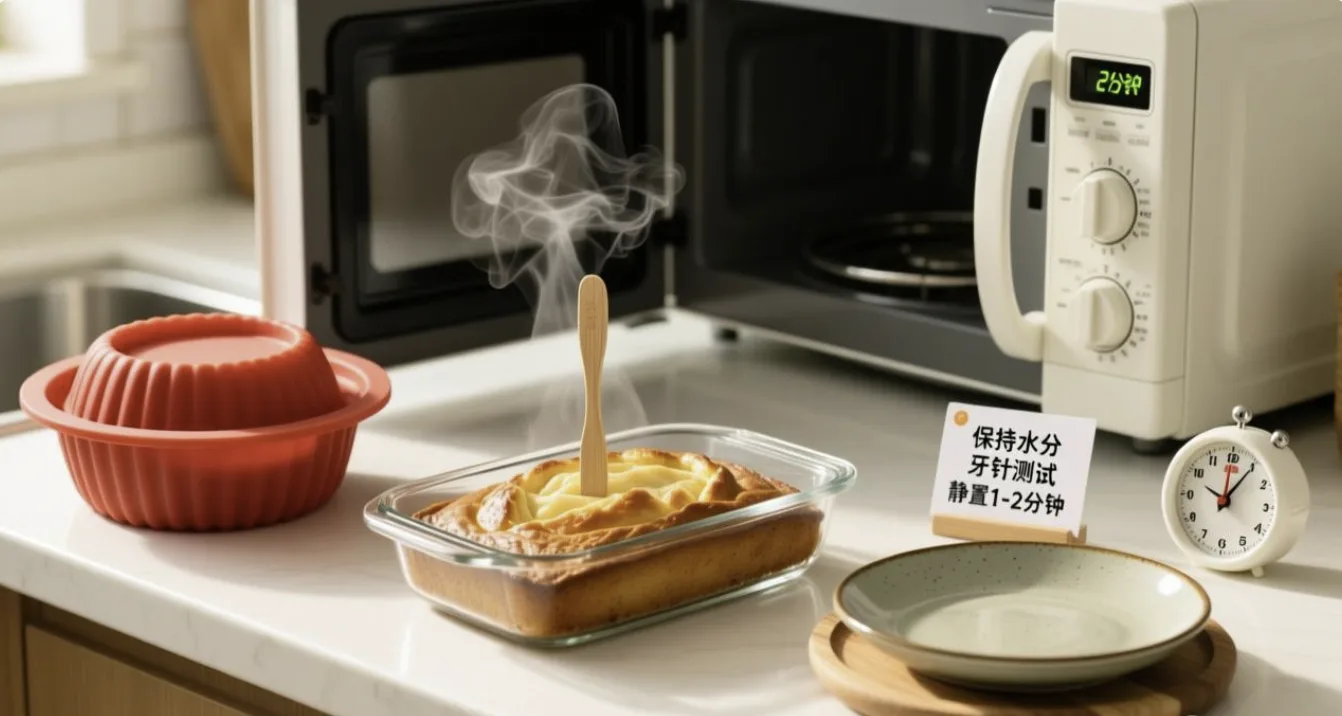
Microwave baking is fast and convenient, but it also comes with a common challenge—overcooking. Because microwaves heat food differently from traditional ovens, it’s easy to end up with dry, rubbery, or unevenly cooked results. Understanding how to control time, power, and materials can help you achieve perfectly baked dishes every time.
Why Does Overcooking Happen in Microwave Baking?
Unlike conventional ovens that heat gradually, microwaves cook food by exciting water molecules, generating heat quickly from the inside out. This rapid heating can easily lead to overcooking if not carefully managed.
Common causes include:
- Excessive cooking time
- High power settings
- Using the wrong type of cookware
- Uneven food distribution
Control Cooking Time and Power Levels
One of the most effective ways to avoid overcooking is to adjust both time and power:
- Use medium or low power settings instead of maximum power
- Cook in short intervals, checking frequently
- Add extra time gradually rather than cooking too long at once
This method helps maintain moisture and prevents overheating.
Choose the Right Microwave Bakeware
Using proper bakeware plays a key role in achieving even cooking:
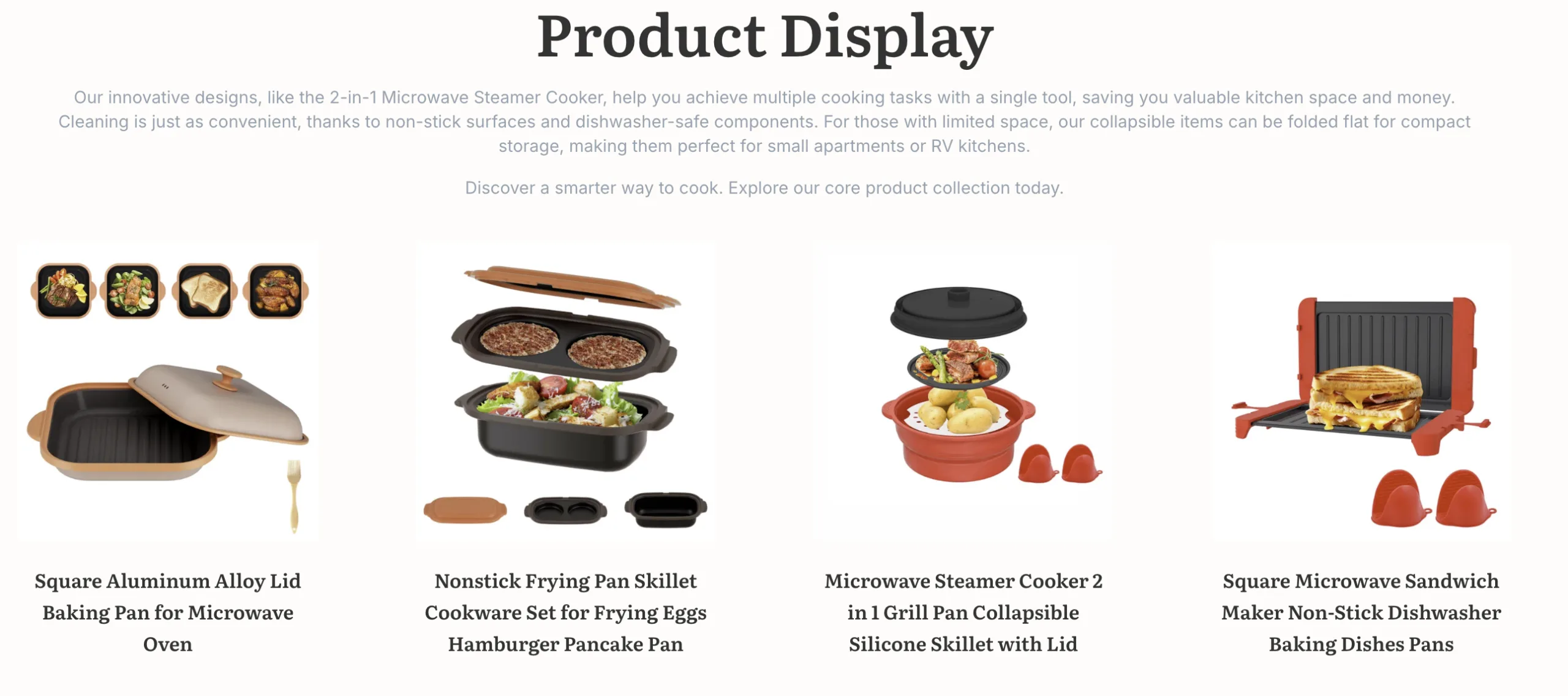
- Use microwave-safe glass, ceramic, or silicone pans
- Avoid low-quality plastic that may overheat
- Select pans designed for microwave baking for better heat distribution
High-quality bakeware ensures more consistent results and reduces the risk of burning or drying out food.
Ensure Even Heat Distribution
Uneven cooking is a major reason for overcooked edges and undercooked centers. To fix this:
- Spread food evenly in the pan
- Use a turntable or rotate the dish manually
- Stir or reposition food when possible
This helps distribute heat more evenly throughout the food.
Use Moisture to Your Advantage
Microwaves rely on moisture to generate heat, so keeping food moist is important:
- Cover food with a microwave-safe lid or wrap
- Add a small amount of liquid if needed
- Avoid over-drying ingredients before cooking
Maintaining moisture prevents food from becoming tough or rubbery.
Test and Rest Your Food
Always test your food before assuming it’s done:
- Use a toothpick or fork to check doneness
- Allow food to rest for 1–2 minutes after cooking
Residual heat continues cooking the food even after the microwave stops, so resting helps prevent overcooking.
FAQ
Why does food overcook so quickly in a microwave?
Because microwaves heat food rapidly from the inside, it’s easy to exceed the ideal cooking time.
What power level is best for baking in a microwave?
Medium power (50–70%) is usually best for even cooking and avoiding overcooking.
Can I stop food from drying out in the microwave?
Yes, by covering the food and maintaining moisture during cooking.
Should I let food rest after microwave baking?
Yes, resting allows heat to distribute evenly and prevents overcooking.
About Junsheng
Junsheng is a professional manufacturer specializing in innovative microwave cooking solutions and kitchen accessories. Our product range includes microwave baking pans, grill trays, and multifunctional cookware designed for both home and commercial use.
With advanced production technology, precision engineering, and strict quality control, Junsheng delivers high-performance products that ensure safe, efficient, and consistent cooking results. Our solutions are trusted by customers worldwide for their durability and ease of use.


