
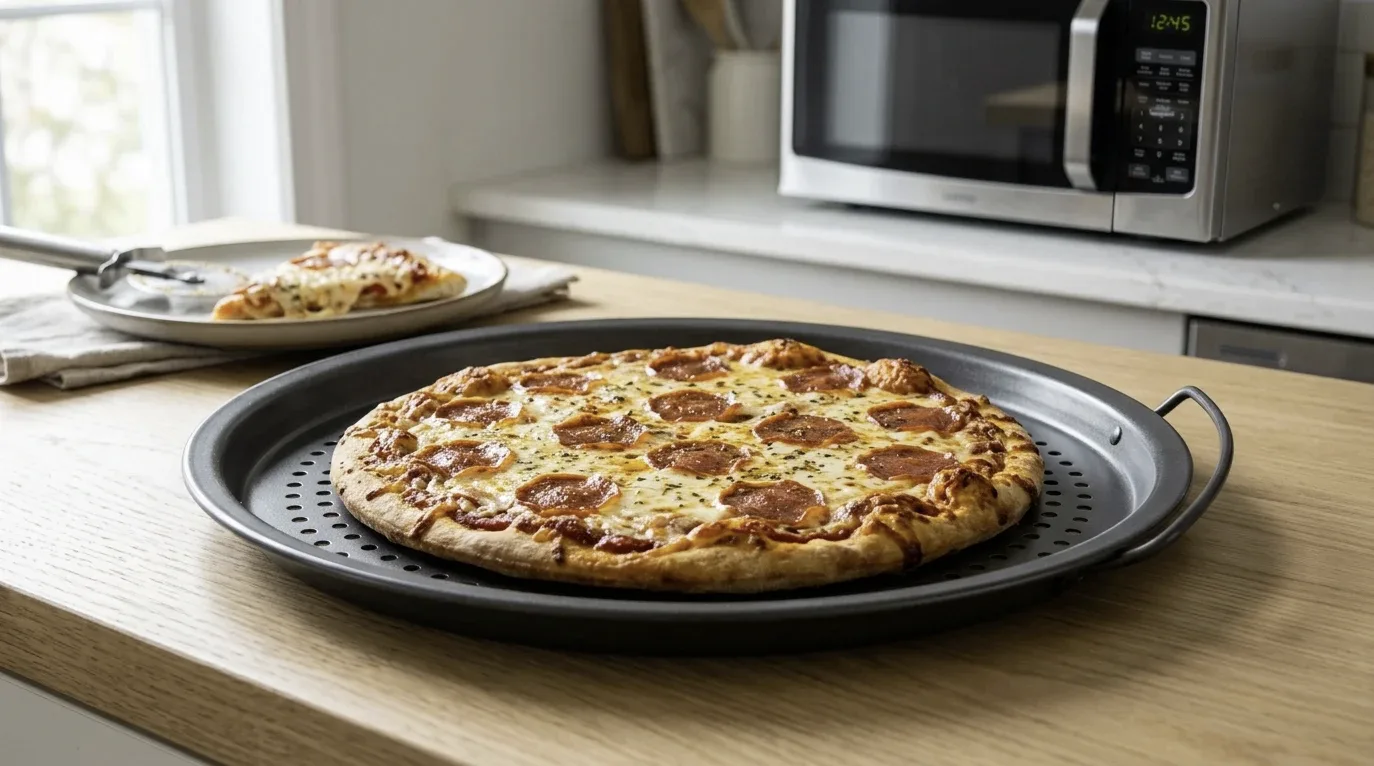
Can You Really Make Pizza in a Microwave Baking Pan
The concept of cooking a crispy, high-quality pizza in a microwave was historically dismissed by culinary professionals and appliance manufacturers alike. However, advancements in microwave cookware technology have transformed this category from a niche novelty into a high-demand retail and commercial SKU. For B2B buyers and distributors, understanding the mechanics behind a microwave pizza pan is critical for effectively marketing the product and justifying its placement in modern kitchenware catalogs.
Modern microwave baking pans do not rely solely on ambient electromagnetic waves to heat the dough. Instead, they utilize specialized composite materials that absorb microwave energy and convert it into direct infrared heat. This thermal conversion process bridges the gap between the speed of a microwave and the conductive browning typical of a conventional oven.
How does a microwave pizza pan improve crust texture
To achieve a traditional oven-like crust, a microwave pizza pan must overcome the inherent limitations of microwave heating, which typically excites water molecules and results in a soggy texture. High-performance pans feature a specialized base—often incorporating an aluminum alloy core encapsulated in a microwave-safe polymer or silicone shell. This base rapidly absorbs microwave energy, elevating the pan’s surface temperature to between 200°C and 220°C (390°F–430°F) in just 2 to 3 minutes.
This rapid, localized conductive heating sears the bottom of the pizza dough, evaporating surface moisture and triggering the Maillard reaction necessary for a crispy crust. Concurrently, the ambient microwaves heat the toppings and melt the cheese from above. For distributors, highlighting this dual-action heating mechanism—conductive heat from the pan and electromagnetic heat from the top—provides a compelling value proposition that drives consumer adoption and reduces product return rates.
Which commercial use cases make microwave pizza cookware viable
The viability of microwave pizza cookware extends far beyond the residential kitchen, presenting lucrative opportunities in various commercial sectors. College dormitories, corporate breakrooms, and extended-stay hotel suites represent massive target demographics where traditional ovens are either prohibited or unavailable. In these environments, end-users require rapid meal preparation solutions without compromising on food quality.
Convenience stores and quick-service kiosks are also adopting commercial-grade microwave pans to expand their hot food offerings without investing in expensive ventilation or high-voltage oven infrastructure. A high-quality microwave baking pan allows these operators to serve crispy, personal-sized pizzas in under 5 minutes. Retail buyers targeting these B2B channels can expect strong recurring revenue, provided the pans meet the durability requirements of high-frequency daily use.
What Specifications Define a Reliable Microwave Pizza Pan
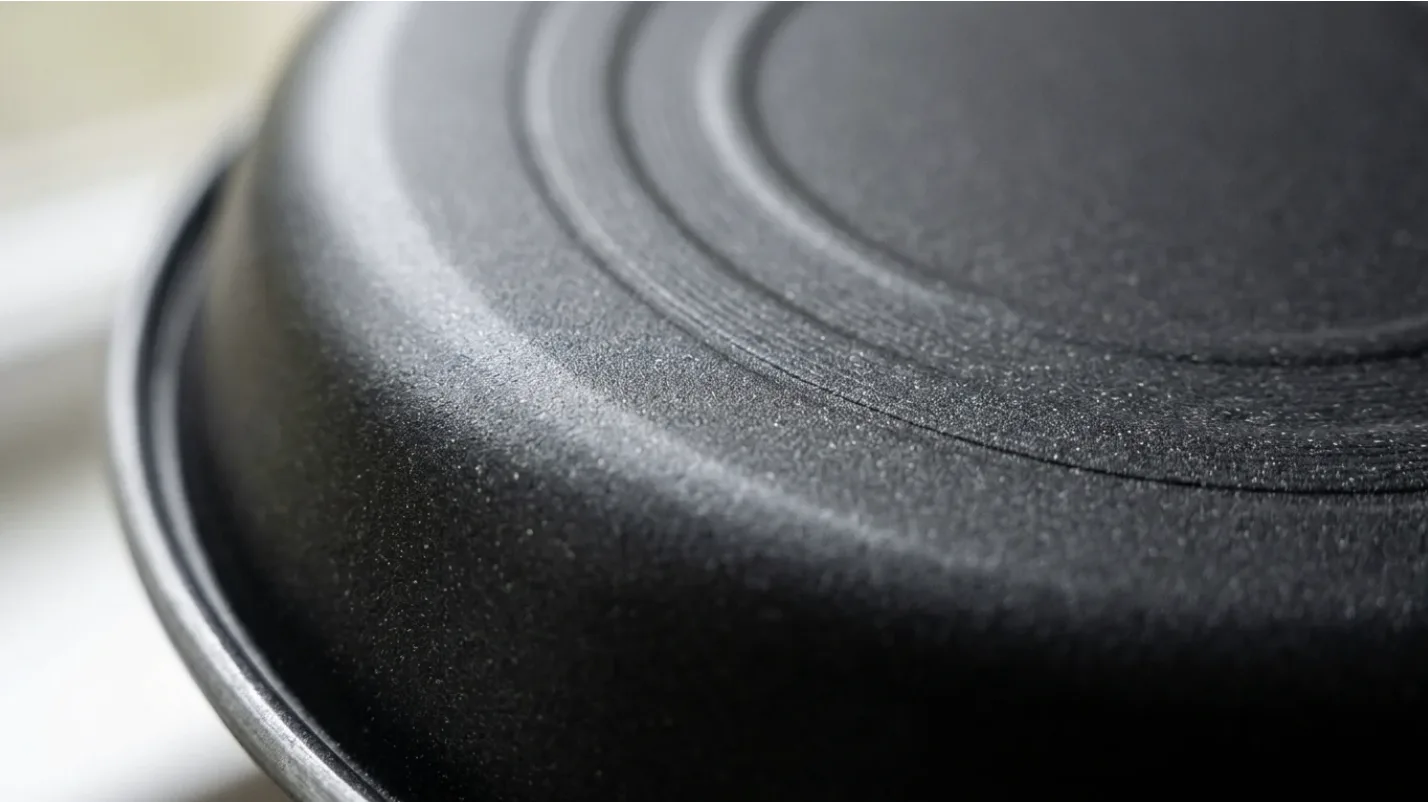
Procuring microwave cookware requires a stringent evaluation of technical specifications to ensure both safety and performance. Unlike standard metal bakeware, which causes dangerous arcing in a microwave, these specialized pans rely on precise material engineering. Buyers must establish strict criteria to differentiate premium products from low-cost, ineffective alternatives.
Which material, coating, and heat performance factors matter most
The core material of a microwave pizza pan dictates its thermal efficiency and lifespan. Industry-leading models utilize a specialized aluminum alloy core that is completely encased to prevent microwave arcing. This core is paired with an advanced, high-temperature non-stick coating. Procurement teams must ensure that these coatings are PTFE-free, BPA-free, and capable of withstanding sustained temperatures up to 250°C (482°F) without degrading or off-gassing. Furthermore, the exterior casing, often made of food-grade silicone or high-heat thermoset plastics, must remain cool enough to handle safely post-cooking.
How should buyers compare microwave pizza pan designs
When comparing designs, buyers should look beyond the base pan and evaluate the complete ecosystem of the product. Premium designs often include vented, smoke-removing pot lids that regulate internal steam, preventing soggy toppings while containing splatters. Collapsible designs and integrated silicone handles that resist heat up to 230°C are highly attractive features for space-conscious consumers.
| Feature | Standard Microwave Pan | Premium Aluminum Alloy Composite Pan |
|---|---|---|
| Base Material | Disposable Susceptor / Basic Polymer | Encapsulated Aluminum Alloy |
| Max Surface Temp | 150°C (300°F) | 220°C (430°F) |
| Crust Texture Result | Chewy / Soft | Crispy / Browned |
| Lifespan | 1 to 50 uses | 5+ years (Dishwasher Safe) |
| Typical Wholesale Price | $1.50 – $3.00 | $5.50 – $9.00 |
What criteria should procurement teams use to evaluate options
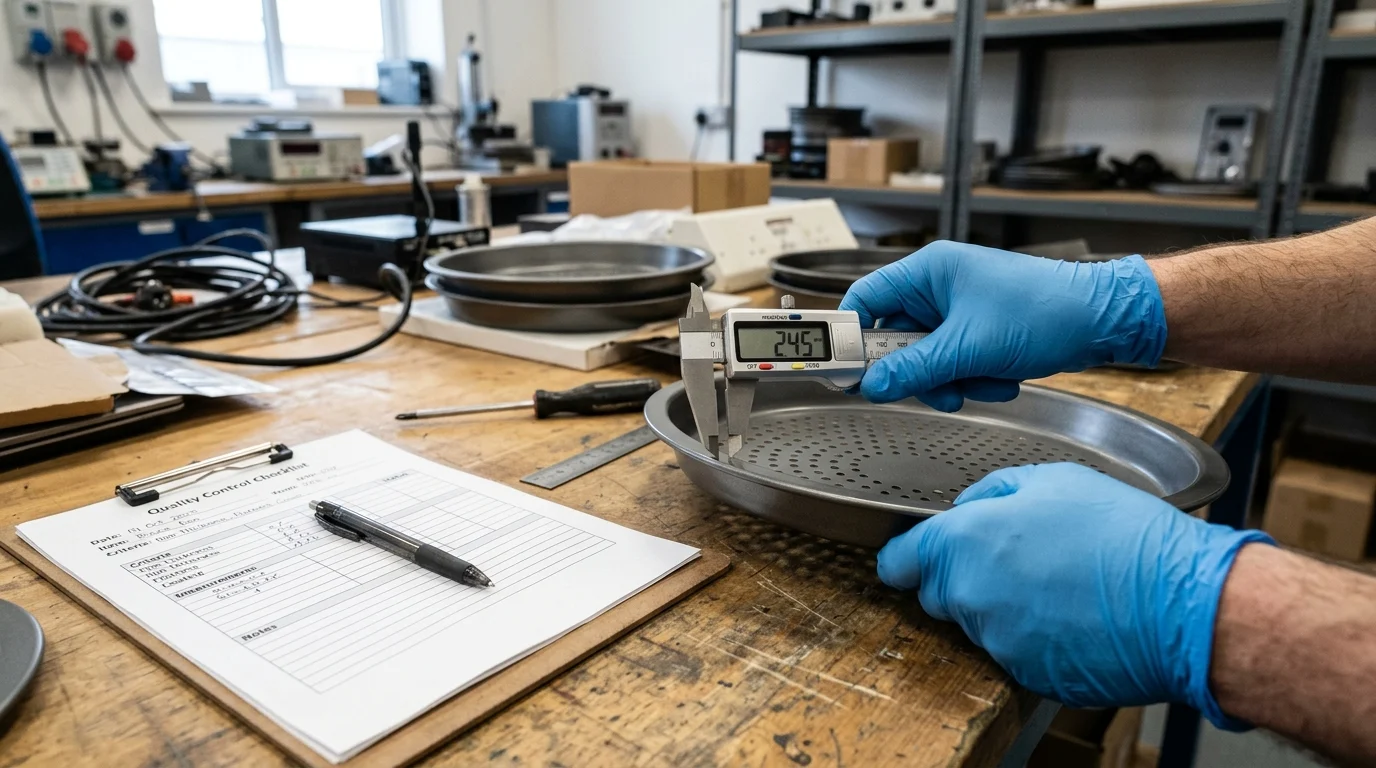
Procurement teams must utilize strict quantitative criteria when evaluating supplier options. Key metrics include material thickness—where a core thickness of 1.2mm to 1.8mm offers the optimal balance between rapid heating and structural integrity. Additionally, buyers should mandate a defect rate of less than 1.5% in mass production runs. Testing protocols should include thermal shock resistance, ensuring the pan does not warp when transitioning rapidly from a freezer to a high-powered (1000W+) microwave environment.
How Should Buyers Source a Microwave Pizza Pan Supplier
Identifying a capable manufacturing partner is the most critical step in establishing a successful microwave cookware supply chain. Because the technology involves combining metals with microwave-safe polymers, the manufacturing process is highly specialized. Buyers must source from established factories with proven expertise in this exact category, prioritizing those with decades of industry experience and robust quality management systems.
Which supplier capabilities matter most for OEM and private label
For brands looking to launch OEM (Original Equipment Manufacturer) or private label lines, a supplier’s engineering capabilities are paramount. The manufacturer must have an in-house R&D department capable of customizing mold dimensions, integrating proprietary non-stick coatings, and matching Pantone colors for silicone components. Tooling costs for custom microwave pan molds typically range from $2,500 to $6,000, depending on the complexity of venting systems and collapsible features.
Minimum Order Quantities (MOQs) and lead times are also vital commercial factors. A tier-one supplier will generally require an MOQ of 1,000 to 3,000 units for custom-branded SKUs, with production lead times averaging 35 to 45 days after sample approval. Buyers should also verify the factory’s capacity to scale, ensuring they can seamlessly transition from a pilot run of 5,000 units to a peak-season order of 50,000 units without extending lead times.
What factory audit, sampling, and quality control steps reduce risk
Mitigating risk requires a comprehensive approach to factory auditing and quality control. Importers should insist on working with factories that hold ISO9001 certifications and have passed social compliance audits like BSCI or SMETA. Before mass production, buyers must require pre-production samples (PPS) for independent lab testing to verify microwave safety and thermal performance.
During production, implementing strict Acceptable Quality Limit (AQL) standards is non-negotiable. A standard benchmark for this category is AQL 1.5 for major defects (such as coating scratches or exposed metal that could cause arcing) and AQL 4.0 for minor defects (such as slight color variations). Third-party inspections should be conducted pre-shipment to verify that the pans perform safely under 1200W microwave loads.
What Compliance and Logistics Factors Affect Microwave Pizza Pans
Importing kitchenware requires strict adherence to international food safety regulations and strategic logistics planning. Microwave pizza pans face heightened scrutiny at customs due to their dual-nature construction (metal cores and synthetic coatings) and their exposure to high heat. Navigating these compliance hurdles while optimizing freight costs is essential for maintaining healthy profit margins.
Which food-contact compliance and labeling requirements apply
Any product intended for direct food contact must comply with the regulatory frameworks of the destination market. For the United States, pans must meet FDA 21 CFR standards, specifically regarding the migration of chemicals from non-stick coatings and silicone components under high heat. In the European Union, the LFGB standard applies, which is generally considered more stringent than the FDA, requiring extensive heavy metal and sensory migration testing. Furthermore, products sold in California must carry appropriate Proposition 65 warnings or secure lab certifications proving they are free of restricted phthalates and bisphenols. Compliance testing typically adds $500 to $1,200 per SKU but is mandatory to avoid customs rejections and costly recalls.
How do packaging and shipping choices affect landed cost
Because microwave pizza pans are relatively bulky, packaging design directly impacts shipping volume and the final landed cost. Suppliers offering collapsible designs or nesting capabilities can significantly reduce the cubic volume per carton. A standard non-collapsible pan might allow for only 8,000 units in a 40HQ container, whereas a nested or collapsible design can increase that capacity to over 14,000 units, drastically reducing the per-unit freight cost.
| Packaging Strategy | Units per 40HQ Container | Est. Ocean Freight per Unit (based on $4,000/container) | Retail Presentation |
|---|---|---|---|
| Fully Assembled in Color Box | 7,500 | $0.53 | High (Ready for Shelf) |
| Nested in Mailer Box (E-com) | 12,000 | $0.33 | Medium (Optimized for D2C) |
| Bulk / Collapsible Design | 16,000 | $0.25 | Low (Requires Assembly) |
Procurement teams must balance the desire for premium retail packaging (like rigid color boxes with PET windows) against the associated logistics penalties. For e-commerce distributors, transitioning to ISTA-certified, drop-tested corrugated mailer boxes not only reduces dimensional weight but also minimizes damage rates during final-mile delivery.
Which Buying Strategy Makes the Most Sense
Developing a profitable procurement strategy for microwave pizza pans requires aligning the product’s specifications with the target sales channel. Buyers must determine whether they are competing on price in the mass-market segment or targeting the premium kitchenware niche with feature-rich, high-performance models. This positioning dictates the sourcing budget, supplier selection, and overall go-to-market approach.
How should wholesalers evaluate channels and pricing
Wholesalers must carefully evaluate their distribution channels to establish viable pricing structures. For mass-market retail, buyers should target an FOB (Free On Board) price of $3.50 to $5.00, allowing for a retail price point of $14.99 to $19.99 while maintaining a standard 40% to 50% gross margin. In contrast, premium channels—such as specialty culinary stores or high-end catalog retailers—can support retail prices exceeding $39.99. For these channels, wholesalers can justify FOB prices of $7.00 to $10.00 to incorporate advanced features like vented, smoke-removing lids, heavy-gauge aluminum bases, and premium silicone grips.
E-commerce sellers must also factor in platform fees and fulfillment costs. Products designed with a compact, lightweight footprint (under 1.5 lbs packaged) will benefit from lower fulfillment tier pricing on platforms like Amazon. Wholesalers supplying these e-commerce brands should negotiate with factories to optimize the packaging specifically for these dimensional weight thresholds.
What final procurement criteria help teams make a decision
Final procurement decisions should be based on the Total Cost of Ownership (TCO) rather than the raw FOB price alone. TCO accounts for the product cost, freight, compliance testing, packaging, and the projected defect replacement rate. A supplier offering a pan at $4.00 with a 3% defect rate and inefficient packaging may ultimately cost more than a supplier charging $4.50 for a highly reliable, space-optimized product.
Additionally, procurement teams should negotiate favorable warranty and spare parts terms. Securing an agreement for 1% to 2% free spare units per order can effectively neutralize the cost of minor transit damages or end-user returns. By prioritizing manufacturers that demonstrate rigorous quality control, transparent compliance documentation, and logistical efficiency, B2B buyers can confidently capitalize on the growing demand for high-performance microwave cookware.
Key Takeaways
- Wholesale sourcing and supply-chain implications for Pizza Microwave Baking Pan
- Specifications, compliance, and commercial terms buyers should validate
- Actionable recommendations for distributors and procurement teams
Frequently Asked Questions
Can you really make crispy pizza in a microwave baking pan?
Yes. A quality microwave pizza pan converts microwave energy into direct heat, helping brown the base and crisp the crust in about 4–5 minutes.
What makes a microwave pizza pan work better than a regular plate?
It uses a heat-conductive base, often an encapsulated aluminum alloy design, instead of just reheating dough with steam, which reduces sogginess.
Is a microwave pizza pan safe to use in the microwave?
Yes, if it is specifically designed for microwave use. Choose pans with fully enclosed metal cores, food-safe non-stick coating, and clear manufacturer instructions.
Which features should buyers look for on microwave-grill.com?
Focus on microwave-safe aluminum alloy construction, durable non-stick coating, vented lids, dishwasher-safe parts, and space-saving collapsible designs for daily use.
Who benefits most from a pizza microwave baking pan?
Home kitchens, dorms, office breakrooms, hotels, and quick-service counters benefit most because they can make personal pizzas fast without a full oven.


