
Using the Wrong Type of Bread or Ingredients
When preparing microwave sandwiches using a specialized microwave pan or microwave grilling pan, one of the most common mistakes is choosing unsuitable ingredients. This can directly affect texture, taste, and heating consistency.
- Using overly thick bread that does not heat evenly
- Choosing high-moisture ingredients that make the sandwich soggy
- Adding raw vegetables that release excess water during microwaving
- Overloading fillings, preventing even heat circulation
- Using cheese that doesn’t melt properly in microwave conditions
To improve results, it is better to use moderate-thickness bread, pre-cooked ingredients, and balanced fillings designed for microwave sandwich cooking.
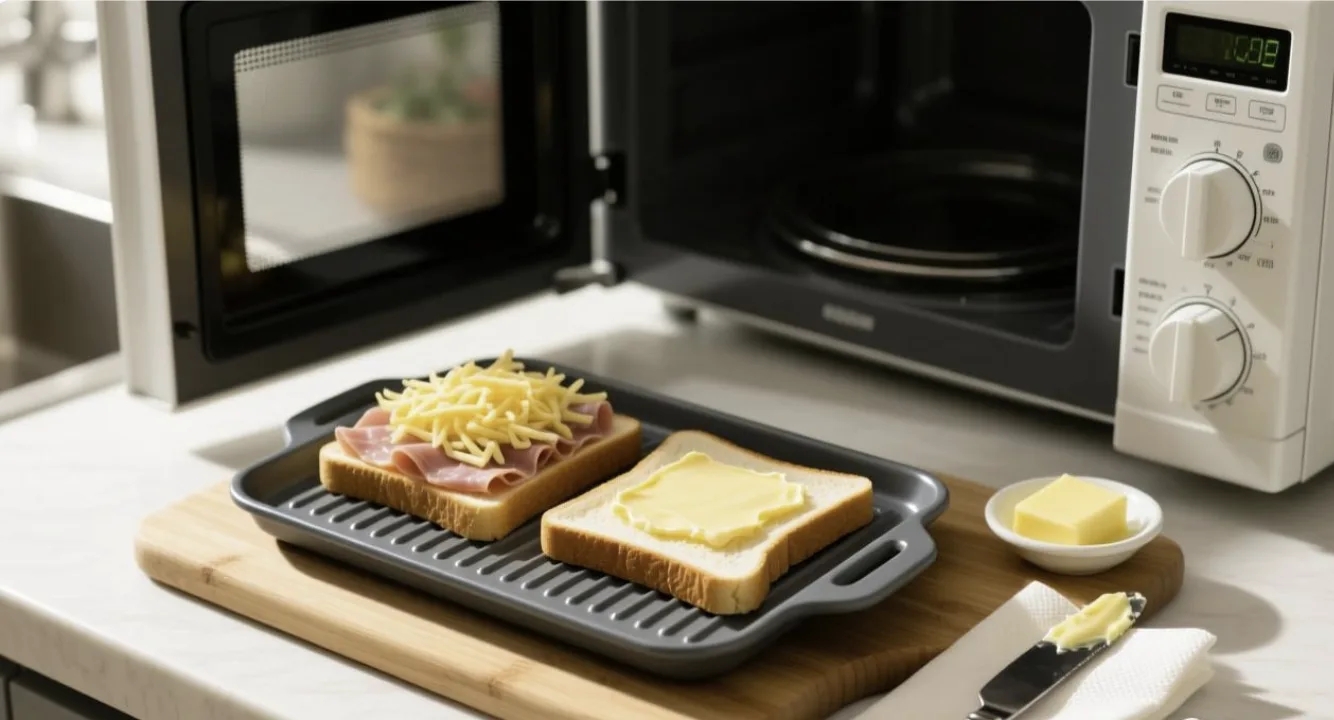
Ignoring Proper Layering Techniques in Microwave Cooking
Layering plays a crucial role when making sandwiches in microwave pans or microwave grill cookware. Poor stacking can lead to uneven heating and poor texture.
- Placing wet ingredients directly on bread, causing sogginess
- Not separating heat-sensitive ingredients like cheese and sauces
- Failing to distribute fillings evenly across the sandwich surface
- Putting heavier ingredients on top, flattening the sandwich structure
- Skipping buttering or oiling the bread surface for crispness
Correct layering ensures better heat distribution and helps achieve a crisp, evenly cooked microwave sandwich.
Overheating or Using Incorrect Cooking Time Settings
Another frequent mistake in microwave sandwich preparation is incorrect timing. Overcooking or undercooking can ruin the final result.
- Running microwave at full power without adjustment
- Not checking sandwich halfway through heating
- Overheating, causing bread to become hard or rubbery
- Underheating, leaving cold centers inside the sandwich
- Ignoring microwave pan heating performance differences
Using short intervals and medium power settings helps maintain moisture balance and improves texture when using microwave cookware.
Not Using a Proper Microwave or Grill pan
Many people underestimate the importance of cookware when making sandwiches in the microwave. A standard plate does not deliver the same results as a specialized microwave grill pan.
- Using flat plates that cannot distribute heat evenly
- Not using non-stick microwave pans designed for crisping
- Ignoring grill tray structure that enhances browning effect
- Choosing low-quality cookware that deforms under heat
- Missing out on microwave browning technology benefits
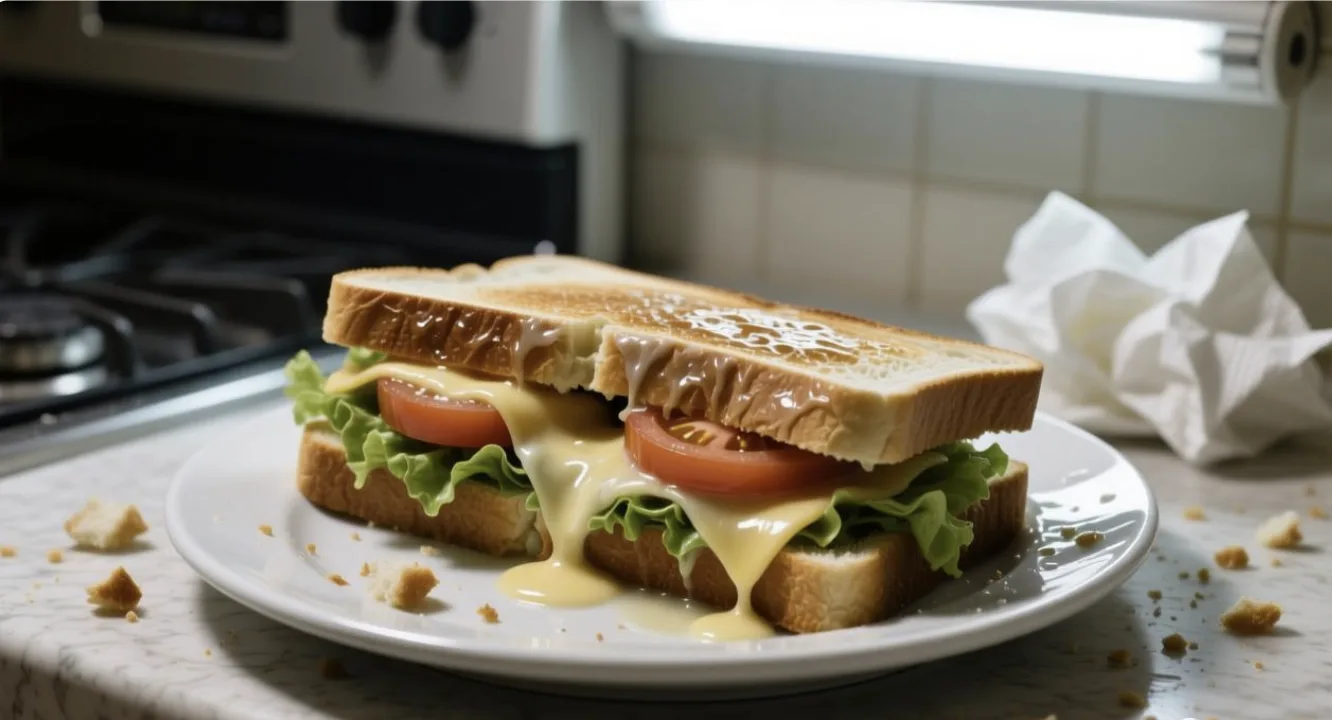
A high-quality microwave grill pan significantly improves sandwich crispiness and overall cooking performance.
Skipping Resting Time After Microwave Cooking
Resting time is often overlooked but is essential for microwave sandwich preparation. It allows heat to stabilize and improves texture.
- Cutting the sandwich immediately after microwaving
- Not allowing steam to settle inside the bread
- Serving too early, causing uneven texture
- Ignoring carryover cooking effect
- Losing crispness due to trapped moisture
Letting the sandwich rest for 1–2 minutes helps achieve better structure and taste.
FAQ
Why do my microwave sandwiches turn soggy?
This usually happens due to high-moisture ingredients or improper layering that traps steam inside the bread.
Can I make crispy sandwiches in a microwave pan?
Yes, using a microwave grill pan helps create a crisp texture by distributing heat more evenly than a regular plate.
What is the best bread for microwave sandwiches?
Medium-thickness bread such as sandwich bread or toast bread works best because it heats evenly without becoming too hard.
Do microwave grill pans really make a difference?
Yes, they improve heat circulation and help achieve browning and crisping effects that normal dishes cannot provide.
How long should I heat a sandwich in a microwave pan?
Typically 1–3 minutes depending on power level and filling type, with short intervals recommended for best results.
About Junsheng Pans
Our company specializes in developing innovative microwave cooking solutions, focusing on high-performance microwave grill pans and cookware designed to improve everyday cooking convenience. We provide a wide range of microwave-safe kitchen products that help users achieve better texture, faster cooking, and more consistent results.
Our product range includes microwave grill pans, crisping trays, and multifunctional microwave cookware designed for household and commercial use. These products are engineered to enhance browning, improve heat distribution, and support healthier cooking without additional oil or frying.
With advanced material technology and heat-resistant design expertise, we focus on delivering durable, non-stick, and energy-efficient kitchen solutions. Our goal is to transform microwave cooking into a more efficient, enjoyable, and versatile experience for users worldwide.


