
Introduction
Microwave cookware lasts longer and performs more safely when it is cleaned and handled with the right methods for its material. Grease, sugar, and dried residue can trap heat, cause stains, and contribute to warping, cracking, or lingering odors over time. This article explains how to clean common microwave-safe containers and dishes without damaging their surfaces, when to avoid abrasive tools or harsh chemicals, and what warning signs suggest a piece should be replaced. You’ll also learn practical maintenance habits that help preserve heat resistance, reduce safety risks, and keep microwave cookware reliable for everyday use.
Why Proper Microwave Cookware Cleaning and Maintenance Matter
The longevity and safety of microwave cookware depend heavily on rigorous cleaning and maintenance protocols. Whether used in domestic kitchens or commercial high-volume environments, microwave-safe vessels—ranging from polypropylene containers to borosilicate glass—require specific care to mitigate material degradation. Failure to maintain these items accelerates structural breakdown, reducing the average operational lifespan of polymer-based containers from an expected 24 months to fewer than 8 months.
Effects of residue, stains, and thermal fatigue
Microwave cooking relies on dielectric heating, which excites water, fat, and sugar molecules. When food residue is left uncleaned, these localized deposits absorb disproportionate amounts of microwave energy. This phenomenon creates severe hot spots where surface temperatures can easily exceed 120°C (248°F), rapidly surpassing the thermal tolerance of standard plastics. These hot spots cause localized melting, warping, or micro-cracking. Over time, this thermal fatigue degrades the structural integrity of the vessel, making it brittle and prone to catastrophic failure during subsequent heating cycles.
Operational risks from poor cleaning and care
Beyond structural damage, poor maintenance introduces significant operational and safety risks. Scored or pitted surfaces in plastic and silicone cookware serve as reservoirs for bacterial pathogens and cross-contamination. Industry studies indicate that microbial retention increases by up to 60% in polymer containers with deep surface abrasions. Furthermore, degraded plastics are more susceptible to chemical leaching, risking the migration of unreacted monomers or plasticizers into food, thereby violating global food safety standards established by organizations such as ISO.
Material-Specific Cleaning Standards for Microwave Cookware
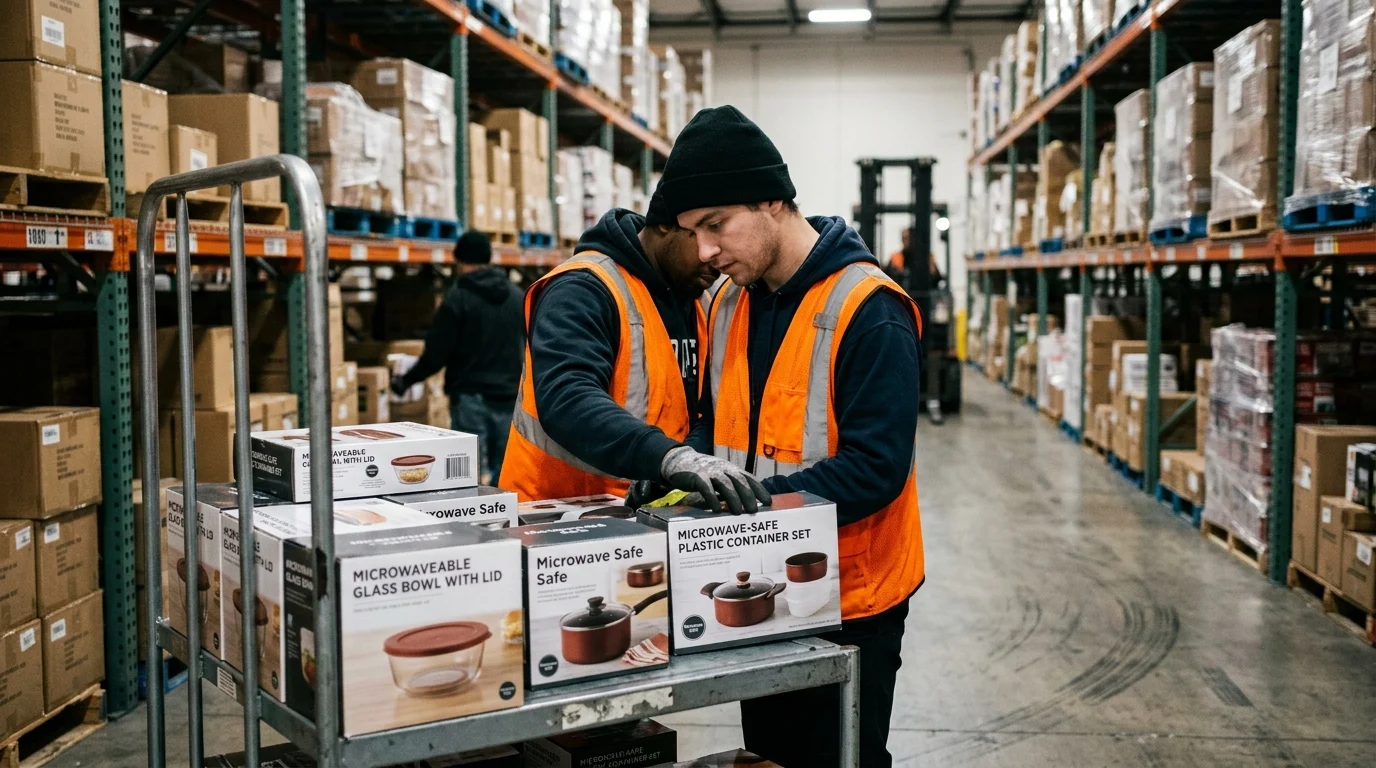
Different materials exhibit distinct thermal and chemical tolerances, necessitating tailored cleaning regimens. A universal approach to washing microwave cookware often results in premature degradation, particularly when exposing sensitive polymers to high-alkaline commercial detergents or extreme mechanical stress.
Cleaning plastic, silicone, glass, and ceramic
Polypropylene (PP) and high-density polyethylene (HDPE) require mild, non-abrasive cleaning to prevent surface scoring, which clouds the plastic and harbors bacteria. Silicone is highly heat-resistant but prone to retaining lipid-based odors; it benefits from periodic boiling or baking at 150°C (300°F) for 20 minutes to off-gas absorbed oils. Borosilicate glass and ceramic vessels are chemically inert and highly scratch-resistant, tolerating aggressive scrubbing. However, ceramics with unglazed bases must be dried thoroughly to prevent moisture absorption, which can lead to internal steam expansion and cracking in the microwave.
Dishwasher suitability by material
| Material | Dishwasher Safe? | Max Wash Temp | Chemical Vulnerability |
|---|---|---|---|
| Polypropylene (PP) | Top-rack only | 85°C | High-alkaline detergents |
| Borosilicate Glass | Yes (All racks) | >100°C | None (Thermal shock if rapid change) |
| Food-Grade Silicone | Yes | >100°C | Highly caustic sanitizers |
| Glazed Ceramic | Yes | >100°C | Abrasive etching of glaze |
While most microwave cookware is labeled dishwasher safe, continuous exposure to harsh alkaline detergents (pH 10 to 12) accelerates the embrittlement of plastics. Borosilicate glass and ceramics withstand commercial dishwashing cycles effortlessly, provided they are not subjected to sudden temperature drops exceeding 50°C immediately after the final rinse.
When to replace lids, valves, coatings, and seals
Component parts such as silicone gaskets, pressure-release valves, and locking lids often fail long before the main vessel. Silicone seals subjected to daily commercial washing typically lose elasticity and require replacement after 300 to 500 wash cycles. Valves that become clogged with polymerized grease pose a safety hazard, as compromised venting can cause container explosions under microwave pressure. Operators should replace lids immediately if the locking tabs show stress whitening or if the elastomeric seals exhibit permanent compression set.
How to Clean Microwave Cookware After Daily Use
Standardizing the daily cleaning process ensures consistency, minimizes the risk of cross-contamination, and protects the substrate of the cookware. Effective soil removal relies on the optimal combination of thermal energy, chemical action, and mechanical force, typically adhering to a standard wash temperature range of 50°C to 65°C.
Routine step-by-step cleaning process
The routine cleaning protocol should begin with a prompt pre-rinse using water at approximately 40°C to prevent starches and proteins from denaturing and adhering to the vessel walls. Following the rinse, vessels should be submerged in a surfactant-rich solution to emulsify fats. Mechanical agitation should be applied using soft-bristled brushes or non-abrasive pads, ensuring that corners, ridges, and valve housings are thoroughly cleared of organic matter. Finally, the cookware must be rinsed in clean water and subjected to an appropriate sanitization step, either chemical or thermal, before air-drying.
Removing grease, dried residue, and discoloration
Intractable stains, particularly lycopene discoloration from tomato-based sauces or turmeric stains, are notoriously difficult to remove from porous plastics. To address this, operators can utilize a localized application of a baking soda and water paste, left to dwell for 15 minutes to draw out fat-soluble pigments. For polymerized grease, an enzymatic pre-soak is highly effective. Enzymes break down complex lipid chains without the need for aggressive mechanical scrubbing that could damage the cookware's interior finish.
Best cleaning agents, tools, and drying methods
Selection of cleaning agents is critical; chlorine-based bleaches must be strictly avoided when cleaning polycarbonate or nylon components, as they cause rapid polymer chain scission and yellowing. Instead, mild dishwashing liquids with a neutral pH (around 7.0) are recommended. Cleaning tools should rate below 3 on the Mohs hardness scale to prevent micro-scratching. Drying should exclusively rely on ambient air circulation or forced-air drying racks; towel drying introduces lint and potential cross-contamination, while nesting wet containers promotes anaerobic bacterial growth.
Maintenance and Inspection Best Practices
A proactive maintenance and inspection program shifts the focus from reactive replacement to lifecycle optimization. Implementing routine audits of microwave cookware inventory can reduce annual replacement expenditures by 15% to 20% while ensuring strict adherence to health and safety regulations.
Inspection schedules, storage, and handling
Commercial and high-use domestic environments should implement a quarterly inspection schedule for all microwave-safe vessels. Handlers must evaluate structural integrity, checking for micro-fractures in glass or stress-whitening in plastics. Proper storage is equally vital; containers should be stacked only when completely dry and according to the manufacturer's maximum stacking height recommendations to prevent warping under mechanical load. Lids and silicone gaskets should be stored loosely rather than locked onto containers to preserve the elasticity of the seals.
Food-contact compliance and labeling checks
Maintaining compliance with food-contact material regulations, such as those governed by the FDA or the European regulatory frameworks referenced via Wikipedia, is non-negotiable. Plastics must maintain an Overall Migration Limit (OML) of less than 10 mg/dm² of food contact surface. During inspections, auditors must verify that the molded microwave-safe and food-safe insignia remain legible. If aggressive cleaning has eroded these compliance indicators, the vessel may no longer meet the traceability standards required for commercial food service operations.
Keep-or-replace criteria
| Material | Defect | Action | Safety Risk if Ignored |
|---|---|---|---|
| Plastic (PP/HDPE) | Deep scoring, cloudiness, warping | Replace | Bacterial retention, chemical leaching |
| Glass (Borosilicate) | Chips, deep scratches, star cracks | Replace | Catastrophic shattering during heating |
| Silicone | Tackiness, permanent odor, tears | Replace | Loss of seal integrity, off-flavors |
| Ceramic | Crazing (cracked glaze), chipping | Replace | Moisture absorption leading to thermal shock |
Establishing objective keep-or-replace criteria eliminates guesswork. Any polymer vessel exhibiting a warped base that prevents even microwave distribution, or glass showing even microscopic star cracks, must be immediately decommissioned to prevent operational hazards.
How to Choose Microwave Cookware for Easy Care
The long-term ease of maintenance is directly determined during the initial procurement phase. Selecting appropriate microwave cookware requires analyzing the total cost of ownership rather than merely the upfront unit price, ensuring the chosen materials align with the facility's cleaning capabilities and usage intensity.
Procurement and lifecycle-cost factors
Procurement strategies must weigh initial capital outlay against anticipated lifecycle costs. For instance, commercial-grade borosilicate glass containers may carry a 30% to 50% higher initial acquisition cost compared to standard polypropylene alternatives. However, glass boasts an operational lifespan exceeding 5 years under rigorous daily use, whereas plastic variants typically require replacement every 12 to 18 months due to aesthetic degradation and thermal fatigue. Factoring in replacement frequency, the higher-cost inert materials often yield a superior return on investment while simultaneously reducing labor costs associated with intensive stain removal.
Decision framework for buyers, operators, and brands
Buyers and operators should utilize a structured decision framework when sourcing microwave cookware. Key criteria include evaluating the primary food types processed (e.g., highly acidic or lipid-rich foods favor glass or ceramic), the available sanitation infrastructure (e.g., high-temp commercial dishwashers necessitate high-thermal-tolerance polymers or glass), and the logistical requirements of the operation (e.g., lightweight plastics are preferable for off-site catering despite shorter lifespans). By aligning the material specifications with global trade and quality guidelines, such as those monitored by the World Bank in global supply chain assessments, brands can secure durable, easy-to-maintain assets that optimize both safety and operational efficiency.
Key Takeaways
- The most important conclusions and rationale for Microwave Cookware
- Specs, compliance, and risk checks worth validating before you commit
- Practical next steps and caveats readers can apply immediately
Frequently Asked Questions
How soon should microwave cookware be cleaned after use?
Rinse it promptly with about 40°C water after use. This helps stop starches and proteins from bonding to the surface and reduces hot spots during the next heating cycle.
Can all microwave cookware go in the dishwasher?
No. PP plastic is usually top-rack only, while borosilicate glass, silicone, and glazed ceramic are generally dishwasher safe. Check the label and avoid harsh alkaline detergents for plastics.
What is the best way to clean plastic microwave containers?
Use mild dish soap, warm water, and a soft sponge. Avoid abrasive pads and strong alkaline cleaners, which can scratch, cloud, and weaken the plastic over time.
How do I remove odors from silicone microwave cookware?
Boil the silicone item briefly or bake it at 150°C for 20 minutes. This helps release absorbed oils and food odors more effectively than standard washing alone.
When should lids, seals, or valves be replaced?
Replace them if lids show stress whitening, seals stay compressed, or valves clog with grease. Damaged venting parts can fail under microwave pressure and create a safety risk.


