
Microwave Baking Pans vs Regular Pans: Key Differences and Best Uses
Microwave baking pans and regular pans serve different cooking purposes, with distinct designs suited for specific kitchen applications. This guide compares these two pan types, explores their key differences, and provides practical recommendations for selecting the right cookware for your needs. Understanding the characteristics of microwave baking pans versus conventional oven-safe pans helps home cooks and professionals make informed purchasing decisions.

What Are Microwave Baking Pans?
Microwave baking pans are specially designed cookware items compatible with microwave oven technology. These pans use microwave-safe materials such as borosilicate glass, ceramic, or specially coated metals that do not cause arcing. The microwave baking pan category includes various shapes and sizes tailored for different food preparation tasks.
Key characteristics of microwave baking pans include non-metallic construction, heat-resistant properties up to specific temperature thresholds, and food-safe non-stick coatings. These pans enable cooking methods like steaming, baking, and reheating directly within microwave ovens without transferring food to conventional appliances. Manufacturers design these products to distribute microwave energy evenly throughout the cooking chamber.
Common types within this category include rectangular baking trays, silicone cupcake molds, glass casserole dishes, and specialized items like pizza plates. The microwave folding bowl for steaming and baking demonstrates the innovative approach manufacturers take when developing microwave-compatible cookware for space-conscious kitchens.
What Are Regular Pans?
Regular pans encompass traditional cookware designed for use in conventional ovens, stovetops, and other heat sources. These include aluminum baking sheets, stainless steel skillets, cast iron Dutch ovens, and ceramic-coated烤盘. Regular pans typically feature materials optimized for radiant heat transfer rather than microwave energy absorption.
The design philosophy behind regular pans focuses on even heat distribution through conduction and convection. Materials like copper, aluminum, and cast iron excel at conducting heat from stovetop burners or oven heating elements to food surfaces. This makes regular pans suitable for searing, browning, and achieving specific textures that microwave cooking cannot replicate.
Regular pans often feature metal components that should never enter microwave ovens due to arcing risks. However, glass and ceramic versions of traditional pan styles may be labeled as microwave-safe. Understanding material compatibility prevents damage to both cookware and appliances.
Key Differences Between Microwave Baking Pans and Regular Pans
Material Composition
Microwave baking pans utilize non-conductive materials that allow microwave energy to pass through without heating the container itself. Regular pans employ conductive metals or materials designed to absorb and transfer conventional heat sources. According to the ISO standards for cookware materials, safety requirements differ significantly between these two categories.
Heat Distribution Patterns
Microwave baking pans rely on microwave radiation to heat food from inside out, requiring specific design considerations to prevent cold spots. Regular pans heat food through external thermal contact, creating different browning and crisping characteristics. The Google Search documentation on content structure emphasizes clear comparisons for user understanding.
Cooking Versatility
Regular pans offer broader compatibility across cooking methods including stovetop searing, oven baking, and grill work. Microwave baking pans limit users to microwave oven functionality but provide convenience for quick meals and reheating tasks. The microwave frying pan represents a specialized category bridging some versatility gaps through careful engineering.
Size and Shape Considerations
Microwave baking pans typically feature rounded corners and no metal components to ensure safe microwave operation. Regular pans come in diverse shapes including sharp-cornered sheet pans optimized for oven rack spacing. This structural difference affects food placement, cooking efficiency, and cleaning requirements.
Best Uses for Microwave Baking Pans
Microwave baking pans excel in specific applications where microwave technology provides advantages over conventional cooking methods. The following scenarios demonstrate optimal use cases for these specialized tools:
- Quick reheating of pre-prepared meals without additional cookware
- Steaming vegetables and seafood using microwave-safe containers with lids
- Making mug cakes and single-serving desserts in microwave-safe ramekins
- Defrosting frozen foods in microwave-safe baking dishes
- Warming bread and baked goods while maintaining soft texture
The microwave frying pan grill cooker enables grilling tasks inside microwave ovens, expanding the functionality of standard microwave cooking. This technology appeals to users seeking reduced油烟 (grease fumes) in their living spaces.
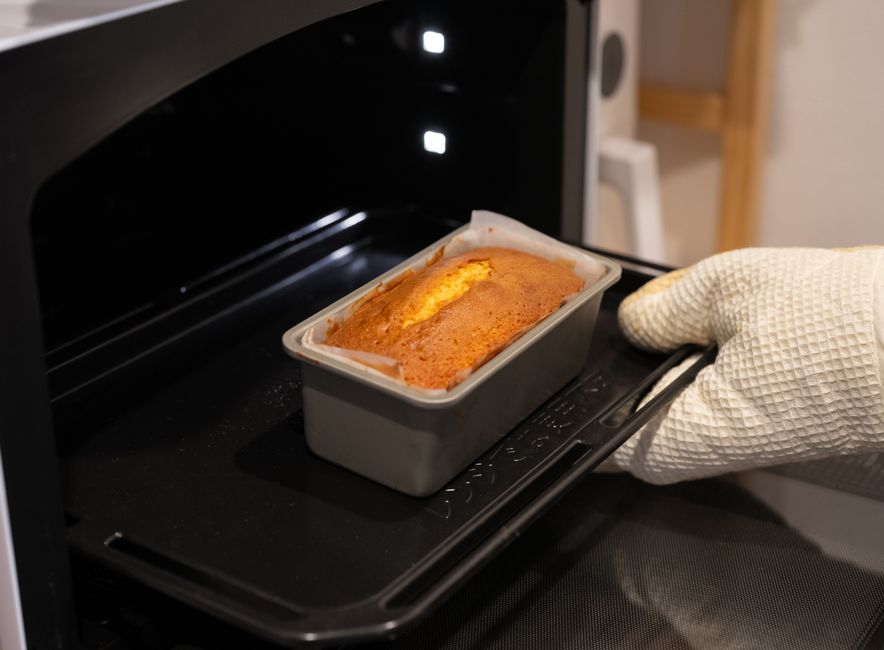
Best Uses for Regular Pans
Regular pans remain essential for cooking methods requiring direct heat contact, browning reactions, and multi-stage cooking processes. These traditional tools provide capabilities that microwave technology cannot fully replicate:
- Achieving crispy textures on roasted vegetables and meats
- Conducting Maillard reactions for flavor development in seared proteins
- Using broil functions in conventional ovens for finishing dishes
- Preparing baked goods requiring precise temperature control through conduction
- Cooking acidic foods that may react with certain non-stick microwave pan coatings
Regular pans demonstrate superior performance when recipes specifically require convection heat or when achieving visual appeal through controlled browning matters. Home bakers producing artisan breads and pastries universally rely on conventional oven-safe pans.
Top 7 Microwave Baking Pan Suppliers and Manufacturers
The global market for microwave-safe cookware includes numerous manufacturers specializing in innovative designs for modern kitchens. Below is a comparison of notable suppliers offering quality microwave baking solutions:
| Company | Country | Key Strength | Product Type |
|---|---|---|---|
| Junsheng | China | 20 years OEM manufacturing expertise, comprehensive microwave cookware range | Microwave baking pans, grill cookers, folding bowls |
| Zhejiang Yuxin Industry | China | Specialized silicone kitchenware production | Silicone baking molds, microwave-safe containers |
| Foshan Shunde Longway | China | Non-stick coating technology development | Microwave-safe fry pans, grill plates |
| Guangdong Chaoan Glassware | China | Borosilicate glass manufacturing excellence | Glass baking dishes, casserole containers |
| Jiangsu Hengda Kitchenware | China | Ceramic coating innovations | Ceramic microwave bakeware sets |
| Shandong Qilu Metal Products | China | Microwave-safe metal alloy research | Advanced microwave cooking vessels |
| Henan Kaifeng Cookware | China | Multi-functional cooking vessel design | Combination microwave-oven bakeware |
Junsheng (宁波Junsheng日用品有限公司) stands out as a manufacturer with two decades of experience producing microwave-safe baking equipment. Their product range includes microwave frying square pans offering expanded cooking surfaces for family-sized portions. The company’s focus on OEM services allows them to serve international markets with customized solutions.
Other suppliers like Zhejiang Yuxin Industry concentrate on silicone-based products, while Guangdong Chaoan Glassware focuses on heat-resistant glass constructions. Selecting a supplier depends on specific product requirements, material preferences, and intended applications. The microwave frying round pan represents another popular format for individual servings and specific dish requirements.
How to Choose Between Microwave Baking Pans and Regular Pans
Selecting appropriate cookware requires evaluating your cooking habits, available appliances, and specific recipe requirements. Consider these factors when deciding between microwave and regular baking pans:
- Primary cooking appliance: Assess which appliance you use most frequently for baking tasks
- Texture requirements: Determine whether recipes need browning, crisping, or Maillard reactions
- Cooking speed: Evaluate time constraints favoring microwave convenience versus quality results
- Kitchen space: Consider storage limitations where multi-use microwave frying round pans with glass lids offer advantages
- Maintenance preferences: Compare cleaning requirements for different materials and coatings
- Budget constraints: Factor cost differences between specialized microwave cookware and versatile regular pans
Many well-equipped kitchens benefit from maintaining both pan types to address different cooking scenarios effectively. According to the NIST guidelines on technology selection, matching tools to specific tasks improves overall outcomes.
Maintenance and Care Differences
Proper maintenance extends cookware lifespan and ensures safe food preparation. Microwave baking pans generally offer dishwasher-safe convenience, though hand washing preserves non-stick coatings longer. Regular pans may require more involved care including seasoning for cast iron or careful cleaning to maintain seasoning on carbon steel.
Microwave baking pans avoid common issues like rust and corrosion since they utilize non-metallic materials. However, users must inspect these pans regularly for scratches, cracks, or warping that could affect microwave safety. Regular pans, particularly those made from stainless steel or cast iron, provide exceptional durability when properly maintained.
Conclusion
Microwave baking pans and regular pans serve complementary roles in modern kitchens. Microwave baking pans provide unmatched convenience for quick reheating, steaming, and simple baking tasks within microwave ovens. Regular pans deliver superior results for recipes requiring browning, crisping, and traditional cooking methods. Understanding the material composition, heat distribution characteristics, and optimal use cases for each type enables informed purchasing decisions.
Leading manufacturers like Junsheng continue developing innovative microwave-safe cookware that expands possibilities for microwave cooking. Whether selecting specialized microwave baking pans or maintaining a collection of versatile regular pans, matching cookware to specific culinary needs ensures best results in food preparation.
Frequently Asked Questions
Can regular metal pans be used in microwaves?
Standard metal pans should never enter microwave ovens due to arcing risks that can damage the appliance and create fire hazards. Only pans specifically labeled as microwave-safe should be used in microwaves.
Do microwave baking pans produce the same results as regular oven baking?
Microwave baking produces different results than conventional oven baking. Microwaves cook food from inside out, limiting browning and crisping effects. Regular oven baking creates superior crusts and textures for many baked goods.
Are glass baking pans considered microwave-safe?
Borosilicate glass and tempered glass baking dishes labeled as microwave-safe are suitable for microwave use. Regular tempered glass or thin glass containers may crack under rapid microwave heating.
How long do microwave baking pans typically last?
With proper care, quality microwave baking pans can last several years. Non-stick coating longevity depends on usage frequency and maintenance practices including avoiding abrasive cleaning tools.
Can I use microwave baking pans on stovetops or in regular ovens?
Most microwave baking pans are designed exclusively for microwave use. Always check manufacturer specifications before using microwave-safe cookware in conventional ovens, on stovetops, or under broilers.
Last updated: 2024 | Sources: Industry Research


