
Everything You Need to Know About Microwave Sandwich Makers for Home Use
Microwave sandwich makers are compact kitchen appliances designed to heat, toast, and cook sandwiches quickly using microwave technology. These versatile devices have become essential for busy households seeking convenient meal solutions without sacrificing taste or quality. This comprehensive guide covers everything from selection criteria to maintenance best practices for home users.
What Is a Microwave Sandwich Maker?
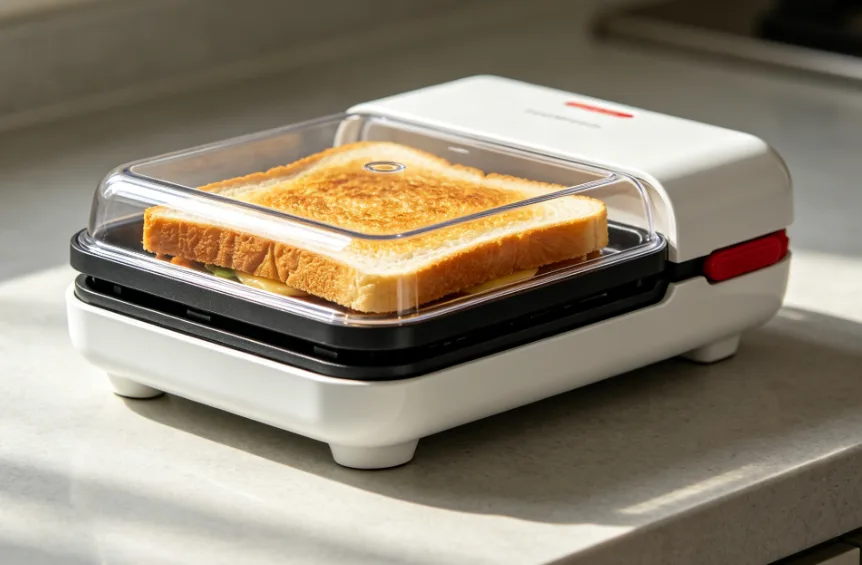
A microwave sandwich maker is a specialized cooking vessel that transforms standard microwaves into multifunctional cooking appliances. These devices typically consist of two plates or grilling surfaces that press together to create even heat distribution. Users place their sandwich ingredients between the plates, and the microwave energy heats food while the design creates a toasted texture.
These appliances differ significantly from traditional microwave baking pans because they incorporate pressing mechanisms and grill marks into their design. The closed cooking environment traps steam, ensuring thorough heating while the outer surfaces develop a crispy texture. This combination addresses a common limitation of standard microwave heating, which often leaves bread soggy.
The technology behind these devices relies on microwave-safe materials combined with heat-resistant components. Manufacturers engineer the grilling plates to absorb microwave energy efficiently and convert it to surface heat. This dual-function approach delivers results comparable to conventional sandwich presses while utilizing existing kitchen equipment.
Types of Microwave Sandwich Makers
Microwave sandwich makers come in several distinct configurations, each suited to different cooking needs and preferences. Understanding these variations helps consumers select the most appropriate model for their kitchen requirements.
Folding and Collapsible Models
Folding designs offer exceptional storage convenience for kitchens with limited cabinet space. The microwave folding bowl for steaming and baking exemplifies this category, collapsing flat when not in use. These models typically feature hinges that allow the grilling plates to fold together, reducing their profile by up to 70 percent.
Frying Pan Variants
Microwave frying pans represent the most versatile category within this appliance segment. These flat-bottomed designs work excellently for open-faced sandwiches and grilled cheese preparations. Available in multiple shapes including round and square configurations, these pans accommodate various sandwich sizes and styles.
Grill Cooker Models
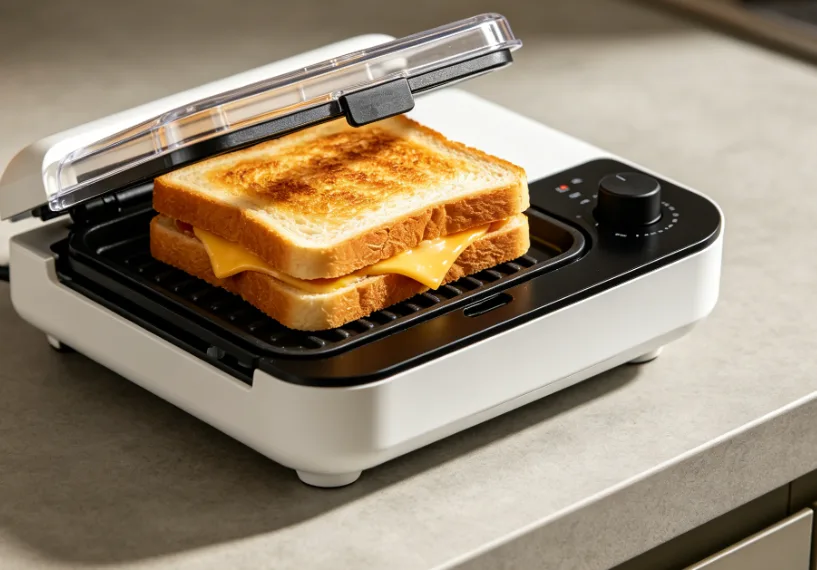
The microwave frying pan grill cooker represents the most advanced option, featuring grooved surfaces that create authentic grill marks on sandwiches. These models excel at producing restaurant-quality appearance and texture. The raised ridges allow fat and moisture to drain away from the food, resulting in healthier outcomes with reduced greasiness.
Glass Lid Options
Models like the microwave frying round pan with glass lid offer visibility during cooking, allowing users to monitor food progress without interrupting the cooking process. The transparent lid also helps retain moisture and ensures even browning across the sandwich surface.
Key Benefits of Microwave Sandwich Makers
These appliances offer numerous advantages that justify their inclusion in modern kitchens. The primary benefit involves significant time savings compared to conventional cooking methods. Users can prepare hot sandwiches in three to five minutes, including assembly and cooking time.
Energy efficiency represents another compelling advantage. Microwaves transfer energy directly to food molecules, avoiding the energy waste associated with heating cooking vessels and surrounding air. The microwave frying pan achieves comparable results to stovetop cooking while consuming substantially less power.
Versatility extends beyond simple sandwiches. These devices handle quesadillas, paninis, grilled cheese, and even小型 pizzas effectively. Some models accommodate breakfast items like eggs and bacon, making them valuable multi-purpose tools for any household.
How to Choose the Right Microwave Sandwich Maker
Selecting the appropriate model requires evaluating several factors specific to your cooking habits and kitchen setup. The following criteria help narrow down options effectively. When researching products online, understanding search engine optimization principles helps identify reputable brands and quality reviews.
| Factor | Consideration | Best For |
|---|---|---|
| Size | Interior dimensions vs. microwave capacity | Single servings vs. family meals |
| Material | Non-stick coating durability | Long-term use and cleaning ease |
| Shape | Round vs. square vs. rectangular | Sandwich type and storage space |
| Features | Glass lids, folding design, grill marks | Visibility, storage, presentation |
Capacity selection depends primarily on household size and typical usage patterns. Singles and couples generally find models accommodating one or two sandwiches ideal. Families benefit from larger designs that produce multiple servings simultaneously, reducing total cooking time despite the larger footprint.
Step-by-Step Usage Guide
Proper technique ensures optimal results with microwave sandwich makers. Following these steps guarantees consistent quality across every use.
- Preheat the sandwich maker in the microwave for 60-90 seconds without food, allowing the grilling surfaces to reach optimal temperature.
- Assemble your sandwich with ingredients distributed evenly across the cooking surface.
- Place the assembled sandwich between the grilling plates or inside the designated cooking chamber.
- Microwave at medium-high power (70-80%) for 2-3 minutes, adjusting based on sandwich thickness and ingredient types.
- Allow the sandwich to rest for 30-60 seconds before opening, letting internal steam distribute evenly.
- Remove carefully using heat-resistant utensils, checking that all components have reached safe temperatures.
Safety Standards and Quality Considerations
Quality microwave sandwich makers adhere to established safety standards that protect users during operation. The International Organization for Standardization establishes testing protocols that reputable manufacturers follow.
Material safety certification indicates the product has undergone rigorous testing for microwave compatibility and food contact safety. Look for labels confirming compliance with national regulatory requirements. This documentation provides assurance regarding the absence of harmful chemicals that might leach into food during heating.
Electrical safety remains paramount when combining electronic heating elements with microwave energy. All models should feature proper shielding to prevent microwave leakage. Inspect your chosen model for intact seals, undamaged hinges, and secure electrical connections before first use. For comprehensive safety guidelines, consulting NIST’s cybersecurity resources provides valuable frameworks for evaluating product safety documentation.
Maintenance and Cleaning Tips
Proper maintenance extends appliance lifespan and ensures consistent cooking performance. Regular cleaning prevents residue buildup that affects heat transfer and can create unwanted flavors in subsequent meals.
- Allow the appliance to cool completely before cleaning to prevent thermal shock and burns.
- Remove detachable components for separate washing in warm, soapy water.
- Wipe non-removable surfaces with a damp cloth, avoiding excessive moisture near electrical components.
- Use non-abrasive scrubbers to protect non-stick coatings from damage.
- Dry all components thoroughly before reassembly and storage.
- Store in a clean, dry location with adequate ventilation around the appliance.
Deep cleaning should occur weekly for households using these appliances daily. Monthly maintenance should include inspection of all components for signs of wear or damage that might compromise safety or performance. Following WCAG accessibility guidelines when designing product interfaces ensures usability for all consumers.
Troubleshooting Common Issues
Understanding typical problems helps users address issues quickly and maintain consistent results. Uneven heating often indicates improper sandwich assembly or overcrowding the cooking surface.
Soggy bread results from insufficient preheating or excessive moisture-containing ingredients. Reducing wet ingredients and ensuring adequate preheating time typically resolves this issue. Bread that remains cold while fillings heat indicates the sandwich maker needs longer preheating or the microwave power setting requires adjustment.
Sticking occurs when non-stick surfaces lose their coating effectiveness or when users attempt cooking without any food-based lubrication. Applying a thin layer of cooking spray before heating prevents sticking while maintaining food release properties.
Conclusion
Microwave sandwich makers represent practical investments for households seeking convenient, versatile meal preparation solutions. These appliances bridge the gap between microwave convenience and traditional grilling results, enabling quick preparation of hot sandwiches with minimal cleanup. By understanding the available types, selection criteria, and proper usage techniques, home cooks can maximize the benefits of these valuable kitchen tools.
For those expanding beyond sandwiches, similar microwave cooking technology extends to baking applications and steaming vegetables, making these appliances exceptionally versatile additions to any kitchen.
Frequently Asked Questions
Can I use a microwave sandwich maker in any microwave oven?
Most models work with standard household microwaves (1000-1200 watts), though cooking times may vary. Avoid using in microwaves below 700 watts, as insufficient energy reduces cooking effectiveness.
Are microwave sandwich makers dishwasher safe?
Many removable components qualify for dishwasher cleaning, but the main unit typically requires hand washing. Always verify manufacturer instructions before dishwasher exposure.
How long do microwave sandwich makers typically last?
With proper care and maintenance, quality units provide three to five years of regular service. Non-stick coating degradation typically indicates replacement necessity.
Can I cook frozen sandwiches in a microwave sandwich maker?
Yes, though frozen sandwiches require extended cooking times (typically 4-6 minutes) and benefit from brief microwave defrosting beforehand. The sandwich maker excels at transforming frozen convenience foods into fresh-tasting meals.
Do microwave sandwich makers consume more electricity than regular microwaving?
These appliances use the same microwave energy as standard reheating, so electricity consumption remains comparable. The difference lies in cooking quality rather than energy efficiency.


