
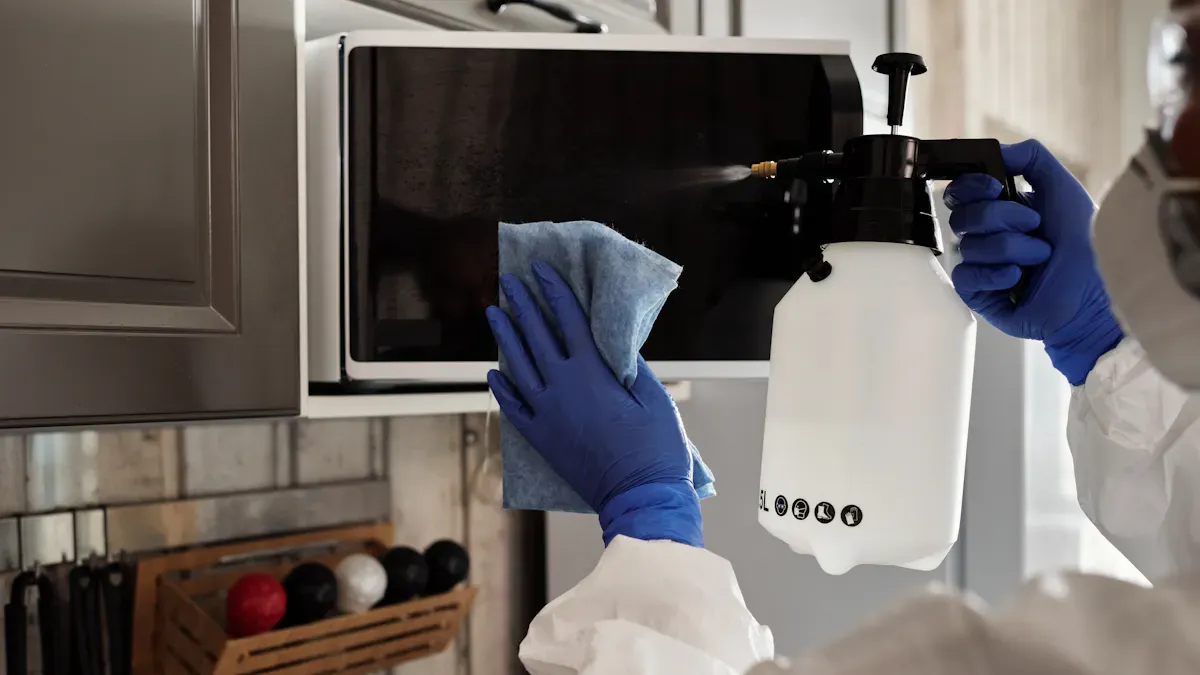
Cleaning microwave pans and steamers is essential for maintaining a hygienic kitchen. Knowing how to clean microwave pans effectively helps prevent cross-contamination of flavors and eliminates bacterial buildup from food splatters. Additionally, using chemical-free cleaning methods ensures safety, as these appliances often come into contact with food. Regular microwave pan cleaning and microwave steamer maintenance enhance efficiency and prolong the life of the appliance. For those looking for the best cleaning method for microwave steamers, incorporating simple techniques can make a significant difference. Whether you need to clean a microwave frying pan or a clean microwave baking pan, keeping these items in top condition is crucial for a healthy cooking environment.
Key Takeaways
- Cover food in the microwave to prevent splatters and keep it clean.
- Use glass or ceramic pans for better resistance to stains and odors.
- Clean spills immediately to avoid tougher stains and lingering smells.
Preventive Measures for Cleanliness
Maintaining cleanliness in microwave pans and steamers requires proactive measures. By implementing simple strategies, users can significantly reduce the need for intensive cleaning sessions. Here are some effective preventive measures:
-
Cover Food: Always cover food with a microwave-safe lid or wrap. This practice minimizes splatters and keeps the interior of the microwave clean.
-
Use Appropriate Materials: Choose microwave pans and steamers made from materials that resist staining and odor retention. For instance, glass and ceramic options are less prone to these issues compared to plastic.
Material Susceptibility to Staining Odor Retention Glass Low Low Ceramic Low Low Plastic High High -
Clean Spills Immediately: Address spills as soon as they occur. Immediate cleaning prevents tougher stains from forming and reduces odors.
-
Regular Cleaning Schedule: Establish a routine for cleaning microwave pans and steamers. Depending on usage frequency, the following table outlines suggested cleaning intervals:
Usage Frequency Cleaning Frequency Daily Use Every 1–2 weeks Light Use Monthly cleaning After Spills Immediate cleaning -
Avoid Common Mistakes: Many users overlook essential cleaning practices. Here are some common mistakes to avoid:
- Failing to clean spills immediately can lead to tougher stains.
- Not using the right cleaning supplies may result in ineffective cleaning.
- Overlooking the turntable and interior surfaces can cause build-up.
By following these preventive measures, users can maintain cleaner microwave pans and steamers, ultimately enhancing their cooking experience.
Microwave Pan Cleaning Methods
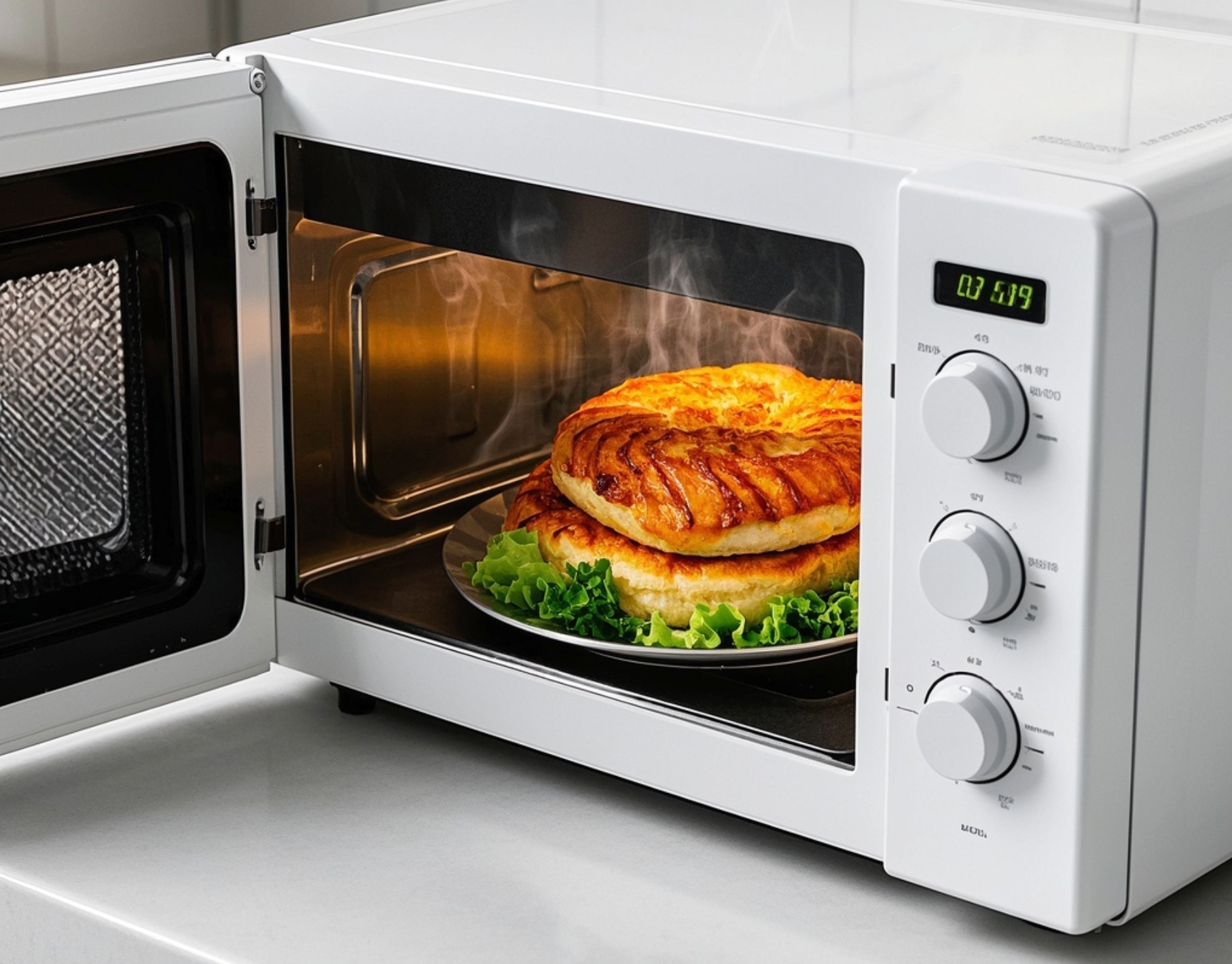
Cleaning microwave pans effectively requires the right techniques. Here are three popular methods that utilize common household items.
Vinegar and Water Solution
A vinegar and water solution serves as a powerful cleaning agent for microwave pans. This method leverages vinegar’s high acidity, which effectively removes dirt and grime. To create this solution, mix equal parts of white vinegar and warm water in a microwave-safe bowl.
- Place the bowl in the microwave.
- Heat on high for five minutes. The steam generated will help loosen any stuck-on food particles.
- After heating, carefully remove the bowl. Wipe down the interior surfaces with a clean cloth or sponge.
This method not only cleans but also deodorizes the microwave. Studies show that vinegar can combat odors and bacteria effectively. For instance, scrubbing stained cups with a mixture of vinegar and salt followed by a rinse in warm water can remove stubborn stains.
Baking Soda Paste
Baking soda is another excellent option for microwave pan cleaning. Its mild abrasiveness makes it effective for tackling tough stains without scratching surfaces. To use baking soda:
- Create a paste by mixing three tablespoons of baking soda with one tablespoon of water.
- Apply the paste to stained areas of the microwave pan.
- Let it sit for about 15 minutes to allow the baking soda to penetrate the stains.
- Scrub gently with a sponge or cloth, then rinse with warm water.
Baking soda also neutralizes odors, making it a dual-purpose cleaner. However, users should avoid using baking soda on most glass surfaces and chrome, as it may cause scratches.
Lemon Steam Cleaning
Lemon steam cleaning offers a natural and fragrant way to clean microwave pans. The citric acid in lemons dissolves alkaline deposits, such as baked-on cheese and grease. To perform this method:
- Squeeze the juice of one lemon into a microwave-safe bowl filled with water.
- Place the bowl in the microwave and heat on high for five minutes.
- The steam will soften stuck-on food particles, making them easier to wipe away.
The table below summarizes the chemical reactions involved in this process:
| Component | Action | Result |
|---|---|---|
| Citric Acid | Dissolves alkaline deposits like baked-on cheese and grease | Cleans surfaces effectively |
| Steam | Softens stuck-on food particles and raises humidity | Loosens grime for easier cleaning |
| Combined Action | Steam opens grime while citric acid penetrates and dissolves it | Synergistic cleaning and deodorizing effect |
This method not only cleans but also leaves a fresh scent in the microwave.
By utilizing these microwave pan cleaning methods, users can maintain a clean and hygienic cooking environment with minimal effort.
Tips for Removing Odors
Coffee Grounds Trick
Coffee grounds serve as a popular method for neutralizing odors in various kitchen appliances. Their absorbent properties can help mask unpleasant smells. To use this method, simply place a bowl of dry coffee grounds in the microwave. Leave it there for several hours or overnight. The grounds will absorb unwanted odors, leaving the appliance smelling fresher. However, it is essential to note that a study aligned with FDA Bacteriological Analytical Manual testing revealed that using coffee grounds in refrigerators not only failed to neutralize odors but also increased mold spore counts by 310% within 72 hours. This indicates that while coffee grounds may work in some cases, they can also contribute to mold growth and other issues.
Essential Oils for Freshness
Essential oils provide another effective way to eliminate odors from microwave pans and steamers. These natural oils not only mask unpleasant smells but also impart a pleasant fragrance. To use essential oils, follow these steps:
- Fill a microwave-safe bowl with water.
- Add a few drops of your favorite essential oil, such as lemon or lavender.
- Heat the mixture in the microwave for five minutes.
The steam will carry the scent throughout the microwave, effectively freshening the space. This method not only cleans but also creates a soothing atmosphere in the kitchen.
By employing these odor-removal techniques, users can maintain a fresh and inviting cooking environment, enhancing their overall kitchen experience.
Regular Maintenance Advice
Regular maintenance plays a crucial role in extending the lifespan of microwave pans and steamers. By following a few simple practices, users can ensure their appliances remain in optimal condition.
Schedule Cleaning Sessions
Establishing a cleaning schedule helps maintain hygiene and efficiency. For average home use, it is advisable to clean microwave pans and steamers every 4 to 6 weeks. High-use households should aim for cleaning every 2 to 3 weeks. Light surface wipes after messy meals can also extend the intervals between deep cleans. The following table summarizes the recommended cleaning frequency based on usage levels:
| Usage Level | Recommended Cleaning Frequency |
|---|---|
| Average Home Use | Every 4 to 6 weeks |
| High-Use Households | Every 2 to 3 weeks |
| Light Surface Wipes | After messy meals to extend intervals |
Inspect for Damage
Regular inspections can prevent costly repairs and ensure safety. Users should check for the following:
- Regular cleaning helps prevent buildup that can lead to breakdowns.
- Checking door seals ensures safety and efficiency by preventing heat loss and radiation leaks.
- Ensuring proper ventilation prevents overheating, which can damage internal components.
- Avoiding overloading protects the microwave’s components and ensures even cooking.
By incorporating these maintenance practices, users can enjoy a cleaner and more efficient cooking experience.
Keeping microwave pans and steamers clean is vital for a healthy kitchen. Regular cleaning prevents the buildup of dirt and germs. Here are some benefits of easy cleaning methods:
- They enhance hygiene by removing harmful bacteria.
- They simplify maintenance, making it easier to keep appliances in top condition.
Adopting these tips leads to a cleaner, safer cooking environment. Regularly clean counters and sinks to remove dirt and germs. Follow expert recommendations, such as cleaning spills immediately and using the right tools, to maintain cleanliness over time.
FAQ
How often should I clean my microwave pans and steamers?
Clean microwave pans and steamers every 2 to 6 weeks, depending on usage frequency. Immediate cleaning after spills is also recommended.
Can I use bleach to clean my microwave pans?
Avoid using bleach. It can damage surfaces and leave harmful residues. Opt for natural cleaning solutions instead.
What materials are best for microwave pans?
Glass and ceramic materials are ideal. They resist staining and odors better than plastic options.


