
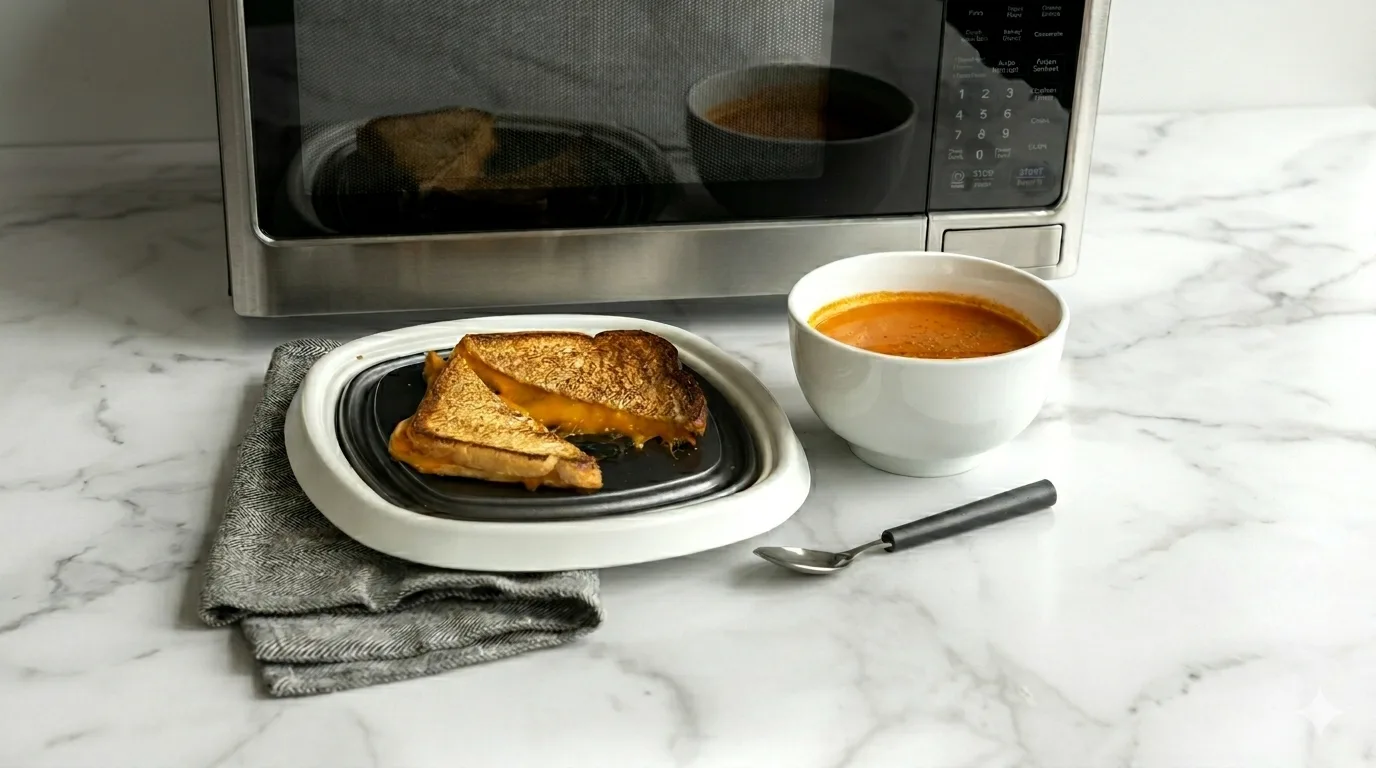
Why You Need a Microwave Baking Pan for Cooking Fries, Pizza, and Chicken
In modern homes and workplaces, many people seek cooking methods that are fast, healthy, and convenient. A microwave baking pan allows you to prepare crispy-on-the-outside, tender-on-the-inside dishes in a short time. It reduces oil usage while saving both cooking and cleaning time, making it especially suitable for fast-paced lifestyles.
A microwave baking pan is a kitchen tool specifically designed for use in microwave ovens. It helps maintain a crispy exterior while preserving internal moisture. Unlike regular microwave containers, microwave pans usually feature a textured base or heat-conductive coating, enabling food to develop a crisp surface quickly—similar to results from an oven or frying pan.
How Modern Microwave Baking Pans Work?
Heat Distribution Mechanism
The base of a microwave baking pan often features ridges, grooves, or a grill pattern, and is made from materials such as ceramic, heat-resistant glass, or high-temperature plastic. This design absorbs microwave energy and distributes heat evenly across the food surface, avoiding uneven heating or hot spots commonly found in flat containers. As a result, every part of the food achieves an ideal crispy texture.
Creating a Crispy Surface
Through its textured design and heat conduction, the pan helps moisture evaporate quickly from the surface of the food, forming a crispy crust while keeping the inside moist. This allows fries, chicken wings, or pizza to achieve a “crispy outside, tender inside” texture without deep frying.
Simulating Oven or Frying Effects
Microwaves typically make food soft, but with a grill pan’s heat conduction and ventilation features, it can mimic the effects of an oven or skillet. This enables foods like fries, pizza, or chicken to have a crispy exterior and juicy interior—offering a healthier and faster alternative to traditional cooking methods.
Material Types and Features of Microwave Baking Pans
Ceramic / Ceramic-Coated Pans
Ceramic materials offer excellent heat retention and even heat distribution, making them ideal for crispy foods like fries, wings, and pizza. Ceramic coatings are durable, eco-friendly, and resistant to deformation or harmful emissions during long-term microwave use.
Heat-Resistant Glass Pans
Glass pans are transparent, allowing you to monitor cooking progress. They provide even heating and are safe and non-toxic. Although they heat slightly slower, they ensure consistent cooking without undercooked spots.
Polypropylene / Heat-Resistant Plastic Pans
Plastic pans are lightweight and affordable, suitable for reheating or light cooking. However, they have limited heat resistance and are not ideal for prolonged high-temperature use. Care should be taken to avoid overheating.
Safety Considerations
When choosing a microwave baking pan, ensure it is BPA-free, free of heavy metals, and compliant with FDA or LFGB food safety standards to prevent harmful substance release during heating.
Key Structural Features
Textured Base Design
The ridged or grill-pattern base increases contact with food, speeding up moisture evaporation and enhancing crispiness while keeping the inside soft.
Ventilation Holes and Lid
Vent holes and removable lids help release steam, preventing sogginess and reducing splatter inside the microwave. This is especially important for foods like fries and chicken wings.
Shape and Size
Microwave baking pans come in various shapes and sizes, such as round, square, or compartmentalized designs. Round pans are ideal for pizza, while square or divided pans suit chicken, vegetables, or fries.
Easy Cleaning and Reusability
Most pans feature non-stick coatings or ceramic materials, making them durable and easy to clean. Many are dishwasher-safe, reducing maintenance effort.
Tips for Using a Microwave Baking Pan
Preheat the Pan
Heat the empty pan for 1–2 minutes before cooking to improve crisping performance.
Food Preparation and Placement
Arrange food in a single layer without overlapping to ensure even heating and crispiness.
Cooking Time and Power Settings
Fries: Medium-high heat, 3–5 minutes
-
Chicken wings: Medium heat, 5–7 minutes
-
Pizza: Medium heat, 2–4 minutes
Adjust based on microwave power and food thickness.
Cleaning and Maintenance
Use mild detergent and avoid abrasive tools that could damage the coating or texture. For plastic pans, avoid exceeding heat limits.
Advantages of Using a Junsheng Microwave Baking Pan
Healthier, Low-Fat Cooking
Compared to frying, the Junsheng microwave baking pan significantly reduces oil usage and calorie intake while maintaining crispy textures.
Fast Cooking
Junsheng microwave pans cook food much faster than traditional ovens or frying methods, ideal for busy professionals and students.
Oven-Like Crispiness
With its textured base and preheating capability, the Junsheng microwave grill pan delivers crispy results similar to oven baking.
Multi-Functional Use
Beyond fries, pizza, and chicken, the Junsheng microwave pan can also be used for bacon, vegetables, and even simple baking tasks.
FAQ
Q1.Can a microwave baking pan cook fries?
Yes. Spread fries in a single layer and heat for a crispy exterior and tender interior—healthier than frying.
Q2.Can it be used for pizza?
Yes. It creates a crispy crust similar to oven-baked pizza while preventing sogginess.
Q3.How can I extend its lifespan?
Avoid metal utensils, excessive heat, and harsh cleaning tools. Use a soft sponge for cleaning.
Q4.Is it safe?
Yes, as long as it is BPA-free, food-grade, and meets safety standards.
Q5.What foods are not suitable?
High-sugar, high-fat, or easily expandable foods may burn or damage the pan and should be avoided.
Conclusion
The Junsheng microwave baking pan combines textured base design, ventilation, high-quality materials, and proper usage techniques to quickly produce healthy, crispy fries, pizza, and chicken. By choosing the right material and size, and mastering preheating, single-layer placement, and timing, you can easily achieve oven-like crispiness in a microwave—making it an ideal tool for modern kitchens.


