
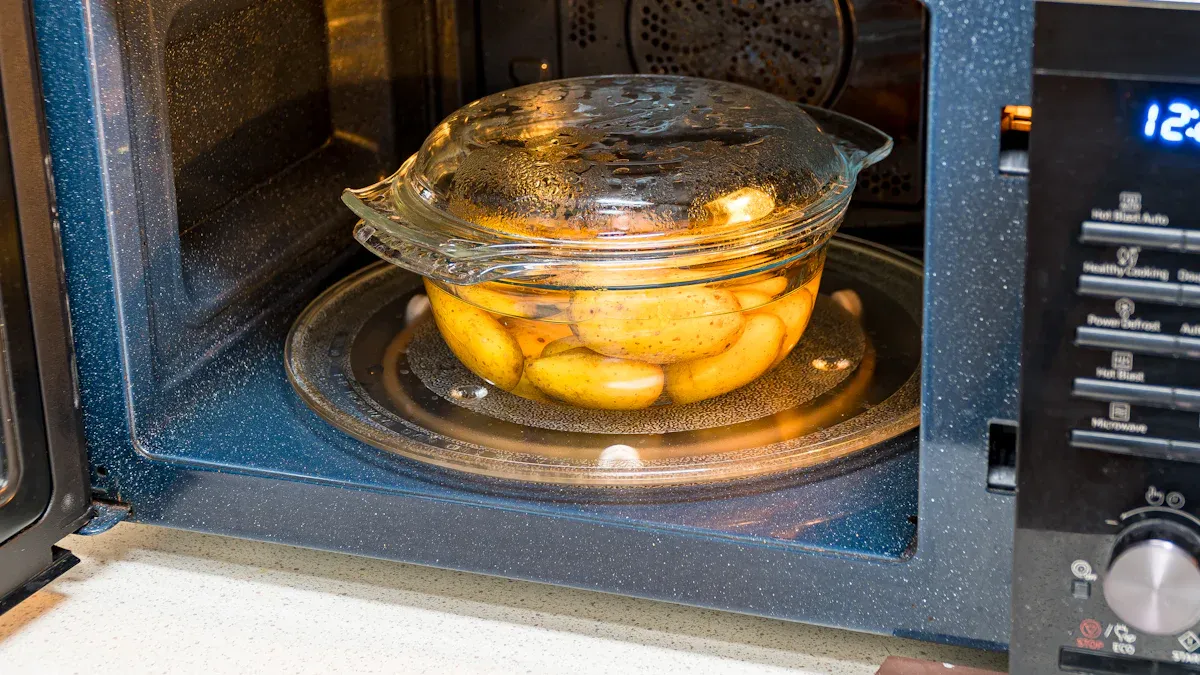
Microwave grill pans provide a convenient cooking solution, but users need to take several factors into account. Not all microwave grill plates are designed for every microwave model. Many people ask, can you use a grill pan in any microwave? It’s important to understand microwave grill pan compatibility for safe use. Certain microwaves may not handle the high temperatures that grill pans produce, potentially impacting cooking results. Thus, knowing which microwaves are compatible with grill pans is vital for achieving optimal performance.
Key Takeaways
- Check your microwave type before using a grill pan. Not all microwaves can handle the high temperatures of grill pans.
- Use microwave-safe materials for grill pans. Avoid plastics that can leach harmful chemicals into food.
- Monitor cooking times closely. Adjust times based on your microwave’s wattage to prevent overcooking.
- Clean your grill pan properly. Hand wash with warm, soapy water to maintain its non-stick surface.
- Choose the right foods for grilling. Foods like sandwiches, vegetables, and meats yield the best results in a microwave grill pan.
Types of Microwaves
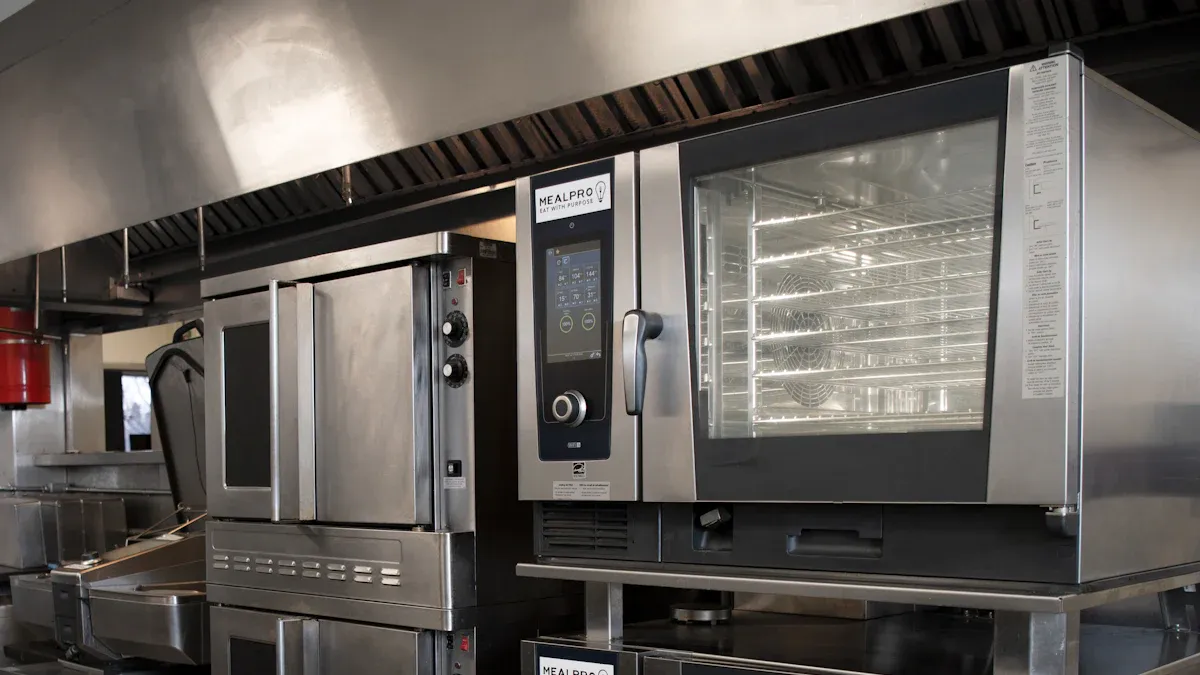
Microwaves come in various types, each designed to meet specific cooking needs. Understanding these types helps users determine the compatibility of microwave grill pans. Here are the main types of microwaves available on the market:
| Type of Microwave | Features |
|---|---|
| Built-in microwaves | Installed in cabinet space, often above wall ovens, with front-opening doors for easy access. |
| Over-the-Range Microwaves | Doubles as a vent hood, freeing up counter space and centralizing cooking tasks. |
| Countertop Microwaves | Available in various sizes with features like convection cooking and sensor cycles. |
| Drawer or Under-Counter Microwaves | Ideal for open designs, placed at waist height for easy access, and discreet in appearance. |
| Convection Microwaves | Uses heating elements and a fan for oven-like cooking, allowing baking and roasting. |
| Microwave Oven Combinations | Integrates a wall oven and microwave for multi-course meal preparation, blending with kitchen flow. |
Each type of microwave has unique features that can affect cooking performance. For instance, solo microwaves heat food by exciting water molecules, which can lead to uneven cooking. In contrast, convection microwaves combine microwave energy with a fan to circulate hot air, ensuring even cooking and faster preparation. Grill microwaves typically combine grilling elements with microwave heating, providing browning and crisping effects.
When selecting a microwave grill pan, users should consider the type of microwave they own. Not all microwaves can handle the high temperatures produced by grill pans. Therefore, understanding the specific features of each microwave type is crucial for safe and effective cooking.
Compatibility of Microwave Grill Pans
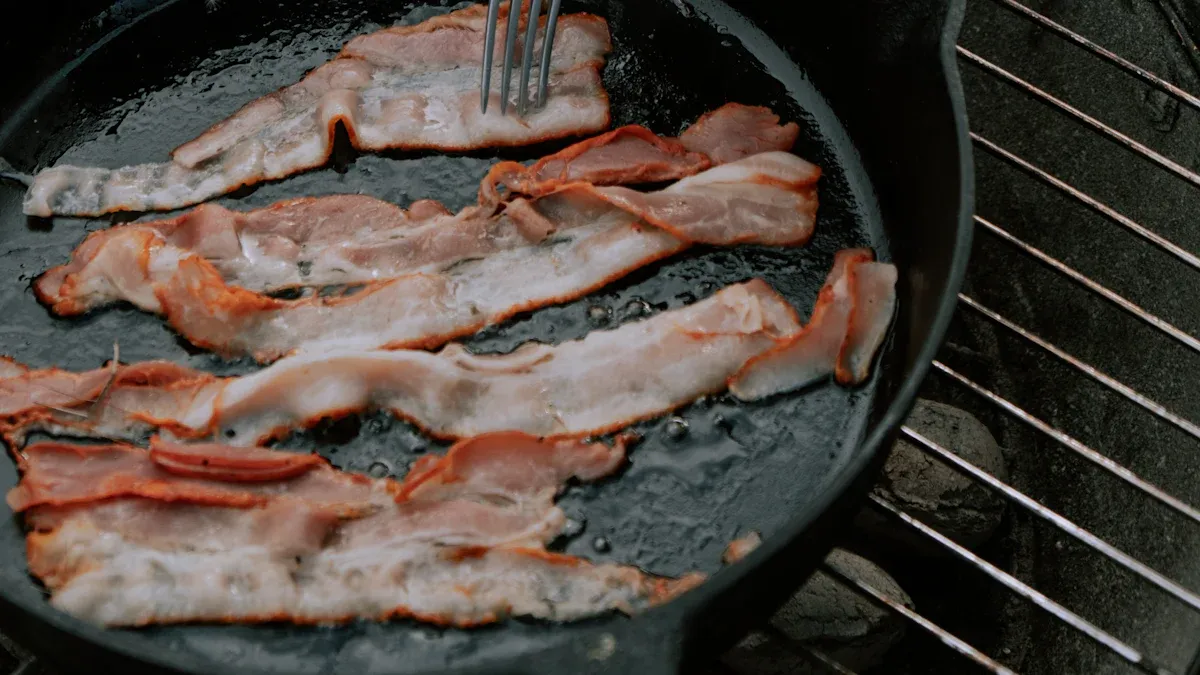
When considering the compatibility of microwave grill pans, several factors come into play. The materials used in these pans significantly influence their performance across different microwave models. Below is a table that outlines common materials found in microwave grill pans, their properties, and their compatibility with various microwave types:
| Material | Properties | Compatibility with Microwaves |
|---|---|---|
| Glass | Non-reactive, does not leach chemicals, durable, easy to clean | Safe for all microwave models, retains heat well |
| Ceramic | Non-toxic, retains heat, can be decorative | Generally safe, but check for microwave-safe label |
| BPA-free Plastic | Lightweight, versatile, can warp at high temperatures | Safe if labeled microwave-safe, but less durable |
The wattage of a microwave also plays a crucial role in the effectiveness of a microwave grill pan. Higher wattage microwaves, such as those operating at 1200 watts, cook food faster than lower wattage models, like those at 800 watts. Users should adjust cooking times accordingly when switching between microwaves with different wattages to ensure even and safe cooking.
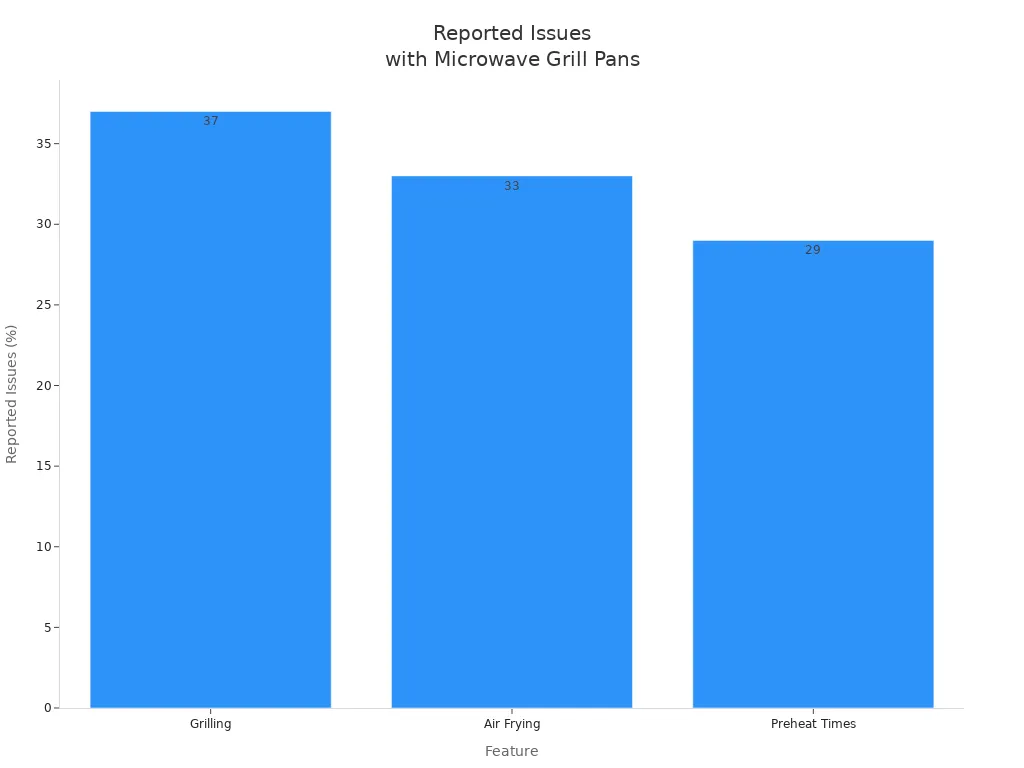
Additionally, users should be aware of common issues that may arise when using microwave grill pans, especially in combination microwaves. Some frequently reported problems include:
- Thermal Shock and Rapid Temperature Fluctuations: This occurs when a hot pan suddenly encounters cold water, leading to cracks in the ceramic coating.
- Degradation of the Susceptor Layer: Over time, the efficiency of the susceptor material may decrease, particularly in high-wattage microwaves, resulting in performance issues.
- Improper Cleaning and Abrasive Damage: Using metal utensils on PFAS-free ceramic coatings can scratch the surface, exposing metal and causing arcing in the microwave.
By understanding these compatibility factors, users can make informed decisions when selecting microwave grill pans for their specific microwave models. This knowledge ensures optimal cooking results and enhances the overall cooking experience.
Safety Tips for Microwave Grill Usage
Using a microwave grill pan can enhance cooking versatility, but safety should always be a priority. Here are essential safety tips to consider when using microwave grills:
-
Check Compatibility: Always verify that the microwave grill pan is compatible with your microwave type. Using a grill pan in a non-compatible microwave can lead to safety hazards.
-
Avoid Metal: Never use metal grill pans in microwaves. Metal can cause arcing, leading to sparks and potential fire hazards. It reflects microwaves erratically, which can damage the microwave’s interior and create concentrated electric fields that may ignite food.
-
Use Microwave-Safe Materials: Ensure that the grill pan is made from microwave-safe materials. Non-microwave-safe plastics can leach harmful chemicals into food, posing both short- and long-term health risks. For example, materials like styrofoam and black plastics can release substances that interfere with hormones and increase cancer risk.
-
Monitor Cooking Times: Keep an eye on cooking times, especially when using high-wattage microwaves. Overheating can lead to burns or fires.
-
Handle with Care: Always use oven mitts or heat-resistant gloves when removing the grill pan from the microwave. The pan can become extremely hot, increasing the risk of burns.
-
Clean Properly: To maintain the safety and longevity of microwave grill pans, follow these cleaning methods:
- Hand wash with warm, soapy water to effectively remove grease and food residues without damaging the non-stick coating.
- Avoid abrasive cleaners or scouring pads, as they can scratch the surface and compromise the non-stick properties.
- Use a nylon sponge for gentle scrubbing of both the interior and exterior of the pan.
- For stubborn stains, soak the pan in warm, soapy water for a few minutes to loosen debris.
By adhering to these safety tips, users can enjoy the benefits of microwave grilling while minimizing risks.
Best Practices for Cooking with a Microwave Grill
To maximize the benefits of a microwave grill pan, users should follow several best practices. These techniques enhance cooking results and ensure safety during the grilling process.
-
Choose the Right Foods: Certain foods yield better results when cooked in a microwave grill pan. Consider grilling:
- Grilled cheese sandwiches
- Paninis
- Grilled vegetables like onions and peppers
- Sausages and hot dogs
- Steaks and chops for a charred finish
- Chicken, which remains moist inside while achieving a crisp exterior
-
Utilize Effective Techniques: Achieving those coveted grill marks requires specific methods. Follow these steps:
- Use a microwave-safe grill rack or air fry basket to elevate the food.
- Place a dish below the rack to catch any drippings.
- Utilize the grill preset button or manually adjust settings for optimal cooking.
-
Avoid Common Mistakes: Users should be aware of pitfalls that can lead to unsatisfactory results. Avoid:
- Covering food too tightly, which can cause pressure buildup and potential explosions.
- Leaving food uncovered, leading to uneven cooking and mess.
- Skipping the stir, which can result in uneven heating and pose health risks.
-
Monitor Cooking Times: Adjust cooking times based on the wattage of the microwave. Higher wattage models cook food faster, so keep an eye on the food to prevent overcooking.
-
Clean the Grill Pan Properly: After use, clean the microwave grill pan with warm, soapy water. Avoid abrasive cleaners to maintain the non-stick surface.
By adhering to these best practices, users can enjoy delicious grilled meals with their microwave grill pans while ensuring safety and efficiency.
Microwave grill pans offer versatility across different microwave types, enhancing cooking options for users. With proper precautions and techniques, individuals can enjoy delicious grilled meals without compromising safety. Key considerations include assessing microwave compatibility, selecting appropriate materials, and following best practices for cooking.
Remember, understanding your microwave’s features and limitations is essential for optimal results.
By adhering to these guidelines, users can maximize their microwave grill experience and enjoy a variety of dishes with ease.
FAQ
Can I use a microwave grill pan in a convection microwave?
Yes, microwave grill pans work well in convection microwaves. These microwaves combine microwave energy with hot air circulation, enhancing cooking results. Ensure the grill pan is microwave-safe and follow the manufacturer’s guidelines.
What foods can I cook in a microwave grill pan?
Users can cook various foods in a microwave grill pan, including grilled sandwiches, vegetables, meats, and fish. The pan provides a charred finish and retains moisture, making it ideal for many grilling recipes.
How do I clean my microwave grill pan?
To clean a microwave grill pan, hand wash it with warm, soapy water. Avoid abrasive cleaners and scouring pads, as they can damage the non-stick surface. For stubborn stains, soak the pan before cleaning.
Can I use aluminum foil with my microwave grill pan?
Avoid using aluminum foil in a microwave grill pan. Foil can cause arcing and sparks, posing safety hazards. Stick to microwave-safe materials to ensure safe cooking.
What should I do if my microwave grill pan warps?
If a microwave grill pan warps, discontinue use immediately. Warping can affect cooking performance and safety. Consider replacing the pan with a new, microwave-safe option to ensure optimal results.


