Do smoke-removing pot lids really work? Yes, for many home cooks, a smoke-removing pot lid offers significant advantages over traditional lids. Cooking fumes cause various health issues, including respiratory problems, headaches, and irritation of the airway mucosa. An anti-smoke cooking lid improves kitchen air quality. It also reduces mess. This makes cooking a more pleasant experience. A pot lid with deodorizing function is a worthwhile upgrade. It helps those concerned about cooking fumes and grease. Which pot lid helps with smoke in the kitchen? This type of lid is often the answer.
Key Takeaways
- Smoke-removing pot lids clean kitchen air. They use a fan and filter to catch smoke and grease. This makes cooking healthier and cleaner.
- Traditional pot lids keep heat in. They help food cook evenly. But they do not stop smoke or smells from spreading.
- Smoke-removing lids cost more at first. They also need new filters sometimes. But they make the kitchen much cleaner and healthier.
- Think about how you cook. Also, think about your kitchen’s air. This helps you choose between a smoke-removing lid and a regular one.
Traditional Pot Lids: The Everyday Kitchen Essential

What Are Traditional Pot Lids and How Do They Work?
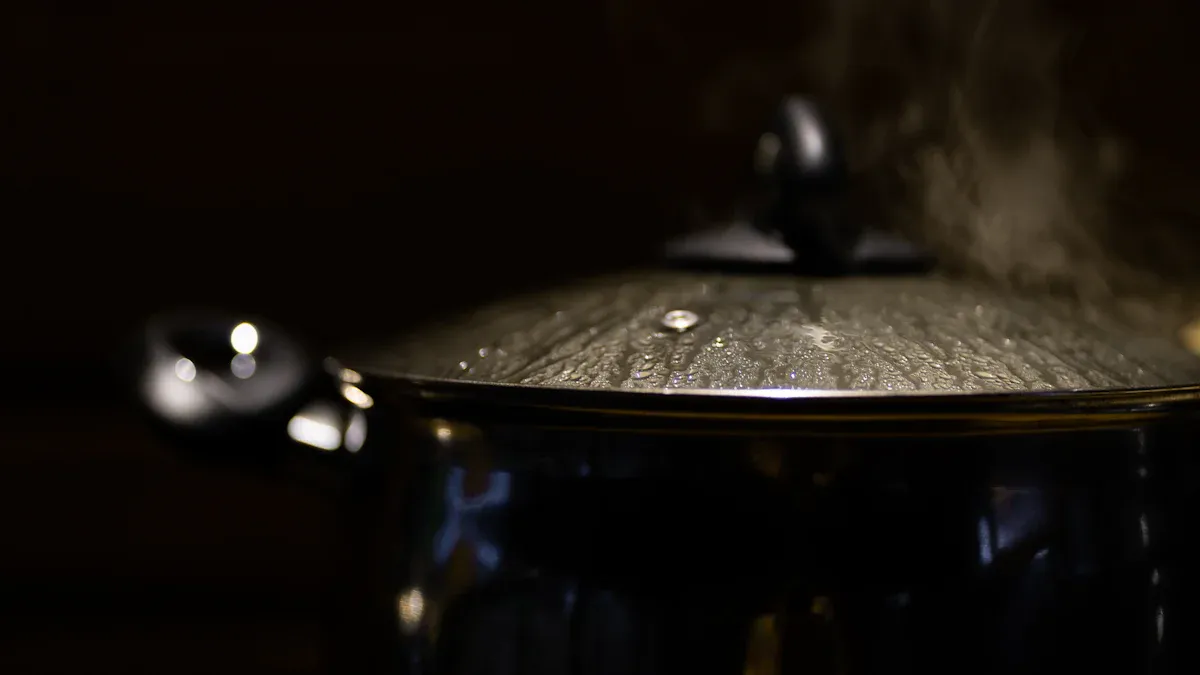
Traditional pot lids are simple kitchen tools. They cover pots and pans during cooking. Manufacturers make these lids from various materials. For example, brass and copper were common in Asia and Europe for vessels. Iron was a popular choice for pots in American colonies. Wood also served as a lid material, especially for traditional Chinese woks, offering natural beauty and insulation. These lids work by creating a seal over the cooking vessel. Friction-fit lids use precise measurements between the lid and the pot rim. This creates a snug, press-on seal. This design minimizes evaporation and keeps heat and moisture inside. For instance, metal or tempered glass lids fit tightly over pot edges. This tight fit creates a sealed environment. The seal minimizes heat and moisture loss. This helps maintain a consistent internal temperature for even cooking. The lid also traps steam. This steam condenses on the inner surface and drips back into the pot. This process self-bastes the food and prevents it from drying out.
The Unsung Benefits of Traditional Pot Lids
Traditional pot lids offer several important benefits. They hold heat inside the pot or pan, preventing its escape. Using a lid allows liquids to reach their boiling point more quickly. Lids help food retain its flavor and temperature during preparation. The use of lids also lowers energy consumption at the stove. They reduce the energy needed to boil water and keep cookware hot. A study from Yale University indicates that "the simple practice of putting a lid on a pot during cooking can cut energy use by 8-fold." This suggests a significant reduction in energy consumption. Enhanced pots, compared to standard ones, offer perceived fuel and time savings. These energy-efficient pots can facilitate sustained and exclusive clean cooking. They meet all cooking needs, highlighting their practical efficiency.
The Inherent Challenges of Traditional Pot Lids
Despite their benefits, traditional pot lids present some challenges. They do not actively manage cooking fumes or smoke. When cooking, especially frying or searing, smoke and grease particles escape into the kitchen air. This can lead to poor air quality. These fumes can also deposit grease on kitchen surfaces, making cleanup more difficult. Traditional lids also do not prevent boil-overs effectively. If liquids boil too vigorously, they can spill over the sides of the pot. This creates a mess on the stovetop. The lack of a dedicated ventilation system means cooks often rely on kitchen hoods. However, not all kitchens have effective ventilation. This leaves many home cooks dealing with lingering odors and smoky air.
Introducing the Smoke-Removing Pot Lid: A Modern Solution

How Does a Smoke-Removing Pot Lid Work?
A smoke-removing pot lid represents an innovative advancement in kitchen technology. It integrates a small, powerful fan and a filtration system directly into the lid’s design. When cooks activate the lid, the fan draws in smoke, steam, and airborne grease particles from the cooking vessel. These particles then pass through a multi-layered filter, often containing activated carbon or other absorbent materials. The filter traps grease, odors, and smoke, releasing cleaner air back into the kitchen. This process effectively minimizes the spread of cooking byproducts. Some models also feature condensation collection systems, preventing drips back into the food or onto the stovetop.
Key Advantages of a Smoke-Removing Pot Lid
This modern kitchen tool offers several significant benefits. First, it dramatically improves kitchen air quality. By actively filtering smoke and grease, it reduces the inhalation of harmful particles. This creates a healthier cooking environment. Second, a smoke-removing pot lid keeps the kitchen cleaner. It prevents grease and residue from settling on countertops, cabinets, and walls. This reduces the need for frequent deep cleaning. Third, it eliminates lingering cooking odors. The filtration system traps strong smells from frying or searing, leaving the kitchen smelling fresh. Finally, it enhances the overall cooking experience. Cooks can enjoy their culinary activities without discomfort from smoke or heat.
Potential Downsides of a Smoke-Removing Pot Lid
Despite its advantages, a smoke-removing pot lid does have some potential drawbacks. The initial purchase cost is typically higher than traditional lids. This represents a larger upfront investment. Users must also consider ongoing maintenance. The filters require regular cleaning or replacement, adding to the long-term cost and effort. Some models may produce a noticeable fan noise during operation, which could be a minor annoyance for some users. Additionally, the integrated technology makes these lids slightly bulkier and heavier than standard lids. This might affect storage or handling for some individuals.
Smoke-Removing Pot Lid vs. Traditional: A Head-to-Head Battle
Impact on Kitchen Air Quality and Health
Traditional pot lids offer basic coverage. They do not prevent cooking fumes from entering the air. When people cook, especially by frying or searing, smoke, grease particles, and odors escape into the kitchen. These airborne elements can cause poor indoor air quality. Exposure to these fumes can lead to respiratory problems, headaches, and irritation of the eyes and throat. Over time, this constant exposure may contribute to more serious health concerns. Kitchens often rely on overhead range hoods to remove these pollutants. However, many homes lack effective ventilation systems. This leaves residents vulnerable to the effects of cooking emissions.
A smoke-removing pot lid actively addresses these issues. It captures and filters smoke and grease at the source. This significantly reduces the amount of harmful particles released into the kitchen air. The filtration system traps pollutants before they spread. This creates a much healthier cooking environment. People breathe cleaner air. This reduces the risk of respiratory irritation and other health problems linked to cooking fumes. The active removal of these elements makes a substantial difference in overall indoor air quality.
Kitchen Cleanliness and Maintenance Differences
Traditional pot lids do little to contain cooking mess. Oil and grease often splatter onto the stovetop, countertops, and surrounding surfaces. This requires frequent cleaning after each cooking session. Grease buildup can also occur on cabinets and walls over time. This makes deep cleaning a regular necessity. Food particles and liquids can boil over, creating additional messes on the stove. These issues add to the time and effort people spend on kitchen maintenance.
A smoke-removing pot lid offers a distinct advantage in maintaining kitchen cleanliness. Its design actively contains splatter and prevents grease from escaping the pot. The integrated filtration system captures airborne grease particles. This stops them from settling on surfaces. This means less oil residue on the stovetop, backsplash, and other kitchen areas. Cooks spend less time scrubbing and wiping down surfaces. The kitchen stays cleaner with less effort. This reduces the frequency of deep cleaning tasks.
Enhancing Your Cooking Experience
Cooking with a traditional pot lid can sometimes be an uncomfortable experience. Smoke and steam often rise directly into the cook’s face. This reduces visibility and causes discomfort. Lingering odors can also make the kitchen an unpleasant place to be. The constant need to clean up splatters and grease adds stress to the cooking process. These factors can detract from the joy of preparing meals.
A smoke-removing pot lid significantly enhances the cooking experience. It contains steam and smoke before these elements spread throughout the kitchen. This improves visibility. Cooks can see their food clearly without smoke obscuring their view. The lid also keeps oil from splattering onto the stovetop. This creates a cleaner and safer cooking area. This technology not only helps control smoke, but it also speeds up cooking. It keeps the kitchen cleaner with less effort. Cooks can enjoy a more pleasant and efficient cooking process. They experience less discomfort and less post-cooking cleanup.
Cost, Value, and Long-Term Investment
Traditional pot lids are generally inexpensive. People can purchase them individually or as part of a cookware set. Their low cost makes them accessible to everyone. However, their value is limited to basic heat retention and moisture control. They do not offer solutions for air quality or cleanliness. The long-term investment in traditional lids is minimal. However, people might incur indirect costs from increased cleaning supplies or potential health impacts from poor air quality.
A smoke-removing pot lid represents a larger initial investment. Its advanced technology and filtration system contribute to a higher price point. However, this higher cost reflects the added value it provides. The benefits include improved air quality, reduced cleaning time, and a more enjoyable cooking experience. Over time, the investment can pay off through less wear and tear on kitchen surfaces. It also contributes to a healthier home environment. People might save money on cleaning products. They also gain peace of mind from breathing cleaner air. This makes a smoke-removing pot lid a valuable long-term investment for many households.
Cost, Value, and Long-Term Investment
Traditional pot lids typically represent a minimal financial outlay. Consumers can acquire them individually for a few dollars or as part of an affordable cookware set. Their low initial cost makes them widely accessible to all budgets. However, their value primarily extends to basic functions like heat retention and moisture control. They do not offer solutions for improving air quality or maintaining kitchen cleanliness. The long-term financial investment in traditional lids remains negligible. Yet, users might incur indirect costs. These include increased spending on cleaning supplies or potential health impacts from prolonged exposure to poor indoor air quality.
A smoke-removing pot lid, conversely, demands a larger initial investment. Its advanced technology, including integrated fans and filtration systems, contributes to a higher price point. This higher cost, however, reflects the significant added value it provides. The benefits encompass dramatically improved air quality, reduced cleaning time, and a more enjoyable cooking experience. Over time, this investment can yield substantial returns. It contributes to less wear and tear on kitchen surfaces. It also fosters a healthier home environment. Users might save money on cleaning products. They also gain peace of mind from breathing cleaner air. This makes a smoke-removing pot lid a valuable long-term investment for many households prioritizing health and convenience.
Is a Smoke-Removing Pot Lid Right for Your Kitchen?
Who Benefits Most from a Smoke-Removing Pot Lid?
A smoke-removing pot lid offers significant advantages for specific individuals and cooking environments. Individuals who prioritize indoor air quality and personal health find this modern kitchen tool particularly beneficial. People with pre-existing respiratory conditions gain considerable advantages. These conditions include:
- Respiratory Symptoms: Wheezing, shortness of breath, chest tightness, chronic cough, and phlegm.
- Chronic Bronchitis
- Lung Cancer
- Asthma: Studies indicate an increased risk of hospitalization due to asthma and bronchial hyper-responsiveness.
- Decreased Lung Functional Capacity: Significant cross-shift decrements in pulmonary function parameters like FVC, FEV1, and PEF.
Reducing exposure to cooking fumes directly supports better health outcomes for these groups.
Cooks who frequently engage in high-smoke or high-odor cooking methods also benefit greatly. Smoking, as a cooking method, inherently generates smoke. Historically, smokehouses were separated from other buildings due to fire danger and smoke emanations. This process can involve cold, warm, or hot smoking techniques. Modern home cooks often perform similar high-smoke tasks. A ‘Smoke-Removing And Odor-Eliminating Pot Lid’ is designed with a special activated carbon layer and heat-resistant seal. It absorbs cooking smoke and neutralizes odors. This makes it suitable for cooking methods like stir-frying, baking, and heating food. It effectively addresses lingering kitchen odors. Individuals living in smaller homes or apartments, where cooking fumes quickly permeate living spaces, also find the smoke-removing pot lid invaluable. Kitchens with inadequate ventilation systems also see a dramatic improvement in air quality and cleanliness.
When a Traditional Lid Might Still Be Sufficient
For many home cooks, a traditional pot lid continues to serve its purpose effectively. Individuals who primarily engage in simple cooking methods, such as boiling water, simmering soups, or steaming vegetables, may not require the advanced features of a smoke-removing pot lid. These cooking processes typically produce minimal smoke and odors. They do not significantly impact indoor air quality.
Kitchens equipped with powerful and efficient overhead range hoods also reduce the need for a specialized lid. A robust ventilation system can effectively capture and remove cooking fumes, grease, and odors from the air. This provides a clean cooking environment. Cooks who rarely fry, sear, or perform other high-smoke cooking tasks might also find a traditional lid perfectly adequate. Their cooking habits do not generate the level of pollutants that necessitate active smoke removal. Furthermore, budget-conscious individuals may prefer the lower cost and simpler maintenance of traditional lids. They prioritize basic functionality over advanced air purification. For these users, the added investment in a smoke-removing pot lid may not align with their cooking needs or financial considerations.
Making the Switch: What to Consider When Buying a Smoke-Removing Pot Lid
Key Features to Look For in a Smoke-Removing Pot Lid
When considering a smoke-removing pot lid, several key features demand attention. First, evaluate the fan’s power and efficiency. A stronger fan effectively extracts more smoke and odors. Second, examine the filtration system. Many models utilize activated carbon filters, which excel at trapping odors and grease. Some advanced lids may incorporate HEPA filters for finer particle removal. Third, assess the power source. Some lids operate on rechargeable batteries, offering cordless convenience. Others require a direct power connection. Consider battery life and charging time for cordless options. Fourth, check the noise level. A quieter fan enhances the cooking experience. Finally, prioritize ease of maintenance. Filters should be simple to clean or replace, ensuring long-term effectiveness.
Compatibility and Practicality for Your Cookware
Compatibility with existing cookware is crucial for a seamless transition. Measure your pots and pans to ensure the smoke-removing lid fits securely. Many lids offer universal sizing or come with adjustable seals. This allows them to accommodate various pot diameters. Consider the lid’s material. Tempered glass allows visibility of the cooking process. Stainless steel offers durability. Evaluate the handle design for comfort and heat resistance. A well-designed handle ensures safe and easy handling. Think about storage. Smoke-removing lids often have integrated components, making them slightly bulkier than traditional lids. Ensure you have adequate storage space. Practicality also involves understanding the lid’s weight. A heavier lid might feel cumbersome for some users.
Traditional lids serve basic functions well. However, a smoke-removing pot lid can indeed be a "cooking superhero." It offers improved air quality, reduced mess, and a healthier cooking environment. Readers should weigh their personal cooking habits, kitchen setup, and budget. This evaluation helps determine if the distinct advantages of smoke-removing lids make the upgrade right for them.
Consider your cooking style and kitchen needs before making a choice.
FAQ
Can a smoke-removing pot lid fit all my pots?
Many smoke-removing pot lids offer universal sizing. They often include adjustable seals. This allows them to fit various pot diameters. Always check the product specifications for compatibility with your existing cookware.
How often should one clean or replace the filters?
Filter maintenance depends on usage frequency. Manufacturers typically recommend cleaning or replacing filters every 1 to 3 months. Regular maintenance ensures optimal performance and effective smoke removal. Refer to the specific product manual for exact guidelines.
Do these lids completely eliminate all cooking smoke?
Smoke-removing pot lids significantly reduce smoke and odors. They capture and filter airborne particles at the source. While they greatly improve air quality, they may not eliminate every trace of smoke, especially during intense cooking.
Are smoke-removing pot lids dishwasher safe?
The main body of a smoke-removing pot lid is often not dishwasher safe due to electronic components. However, some models feature removable, dishwasher-safe filter components. Always consult the manufacturer’s cleaning instructions for proper care.
Can a smoke-removing lid replace a kitchen range hood?
A smoke-removing pot lid enhances air quality at the source. It complements a range hood. It does not fully replace a comprehensive kitchen ventilation system. A range hood provides broader air circulation for the entire kitchen space.