
Microwave baking pans are specially designed to withstand the unique heating process of microwave ovens. Unlike traditional bakeware used in conventional ovens, these pans must handle rapid temperature changes and microwave energy safely. Understanding the temperature limits of microwave baking pans is essential to ensure safe cooking, prevent damage, and achieve the best cooking results.
What Are Microwave Baking Pans Made Of?
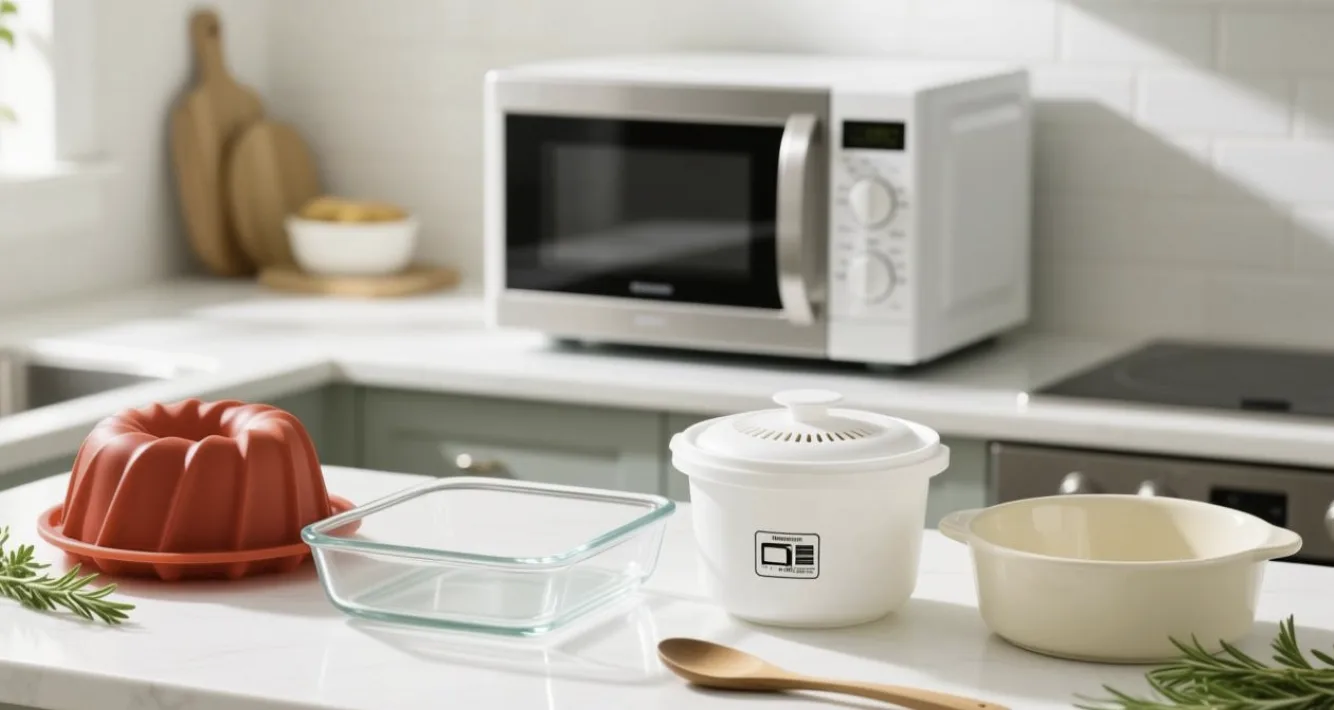
Microwave baking pans are typically made from materials that are safe for microwave use, such as:
- Heat-resistant plastic
- Silicone
- Glass or ceramic
- Special microwave-safe metal with coating
Each material has different temperature tolerances, which directly affect how the pan performs during cooking.
Temperature Limits by Material Type
The temperature limits of microwave baking pans vary depending on the material:
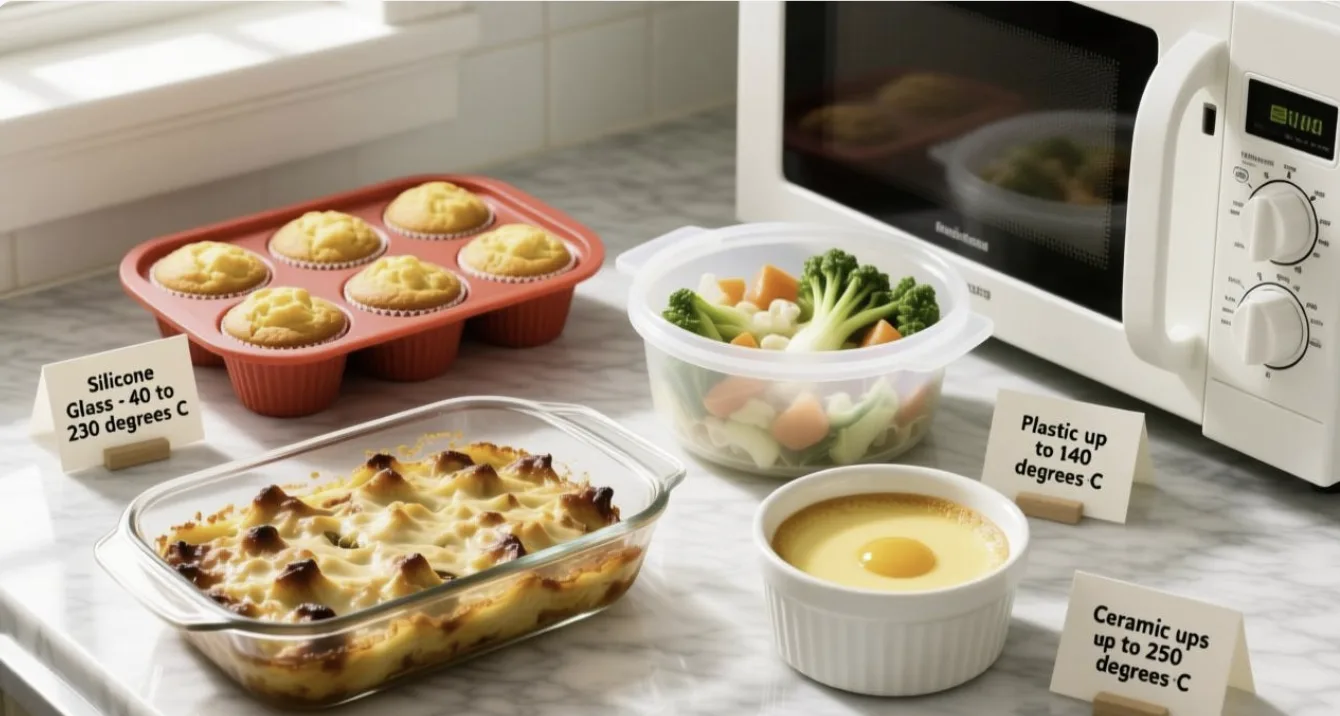
Silicone Baking Pans
- Temperature range: approximately -40°C to 230°C
- Highly flexible and resistant to heat
- Ideal for cakes, muffins, and desserts
Plastic Microwave Pans
- Temperature range: up to 120°C–140°C
- Lightweight and affordable
- Suitable for reheating and light cooking
Glass and Ceramic Pans
- Temperature range: up to 250°C or higher
- Excellent heat retention
- Suitable for baking and roasting
Microwave-Safe Metal Pans
- Designed for combination microwave ovens
- Can handle higher temperatures but must follow manufacturer guidelines
Why Temperature Limits Matter
Exceeding the temperature limits of a microwave baking pan can lead to:
- Warping or melting of materials
- Release of harmful substances (in low-quality plastics)
- Cracking or breakage (especially in glass)
- Reduced product lifespan
Using bakeware within its recommended temperature range ensures both safety and durability.
Tips for Safe Use of Microwave Baking Pans
To maximize safety and performance, follow these best practices:
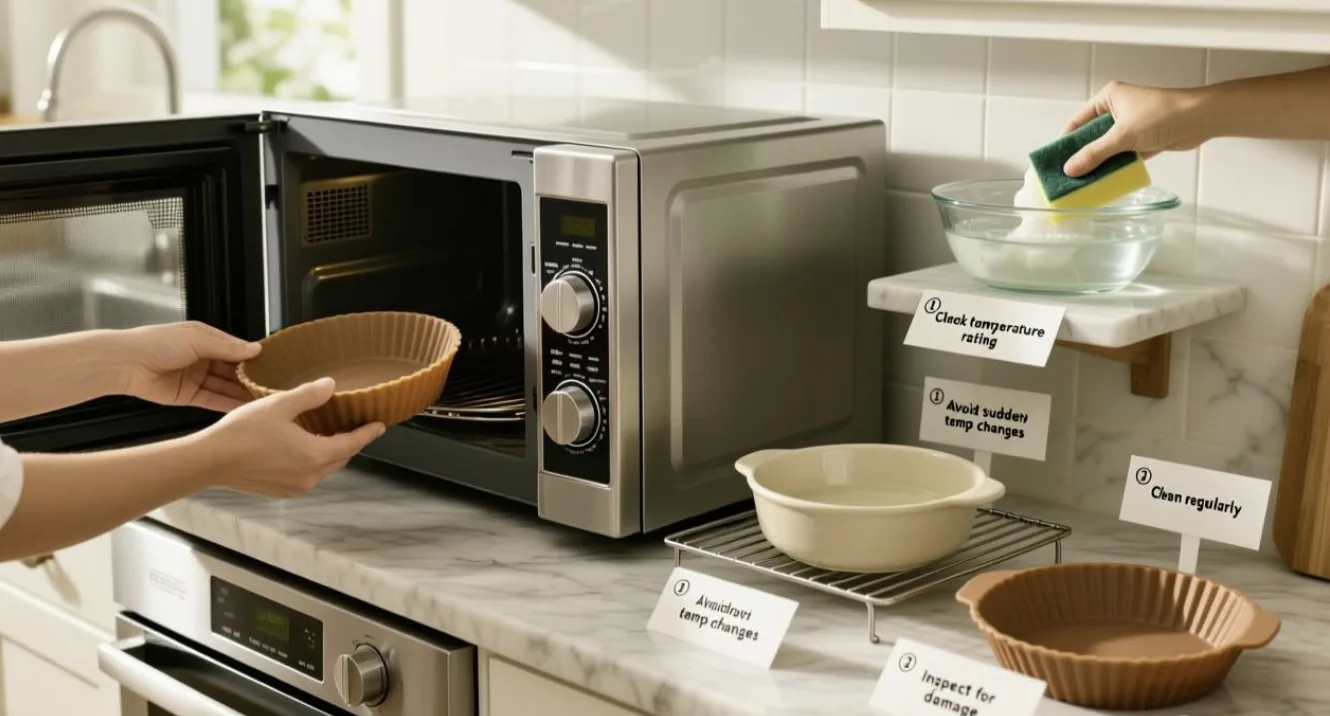
- Always check the manufacturer’s temperature rating
- Avoid sudden temperature changes (e.g., from freezer to microwave)
- Use only microwave-safe labeled products
- Do not exceed recommended cooking times and power levels
- Clean and inspect pans regularly for damage
These steps help prevent accidents and extend the life of your bakeware.
Choosing the Right Microwave Baking Pan
When selecting a microwave baking pan, consider:
- Cooking purpose (baking, reheating, grilling)
- Material durability and heat resistance
- Compatibility with your microwave type
- Ease of cleaning and maintenance
Choosing the right pan ensures better cooking results and long-term usability.
FAQ
What temperature can microwave-safe pans withstand?
Most microwave-safe pans can handle temperatures between 120°C and 250°C, depending on the material.
Can silicone pans be used in a microwave?
Yes, silicone pans are highly heat-resistant and suitable for microwave baking.
Is it safe to use metal pans in a microwave?
Only specially designed microwave-safe metal pans can be used, and they must follow strict guidelines.
What happens if a baking pan overheats in a microwave?
It may warp, melt, or crack, and in some cases, release harmful substances.
About Junsheng
Junsheng is a professional manufacturer specializing in high-quality microwave cooking solutions and kitchen products. Our product range includes microwave baking pans,pan with pot lid seires,multifunctional microwave baking pan, and multifunctional cooking accessories designed for modern kitchens.
With advanced production technology, strict quality control, and continuous innovation, Junsheng delivers durable, safe, and efficient products that meet international standards. Our solutions are widely used in both household and commercial kitchen environments.


