
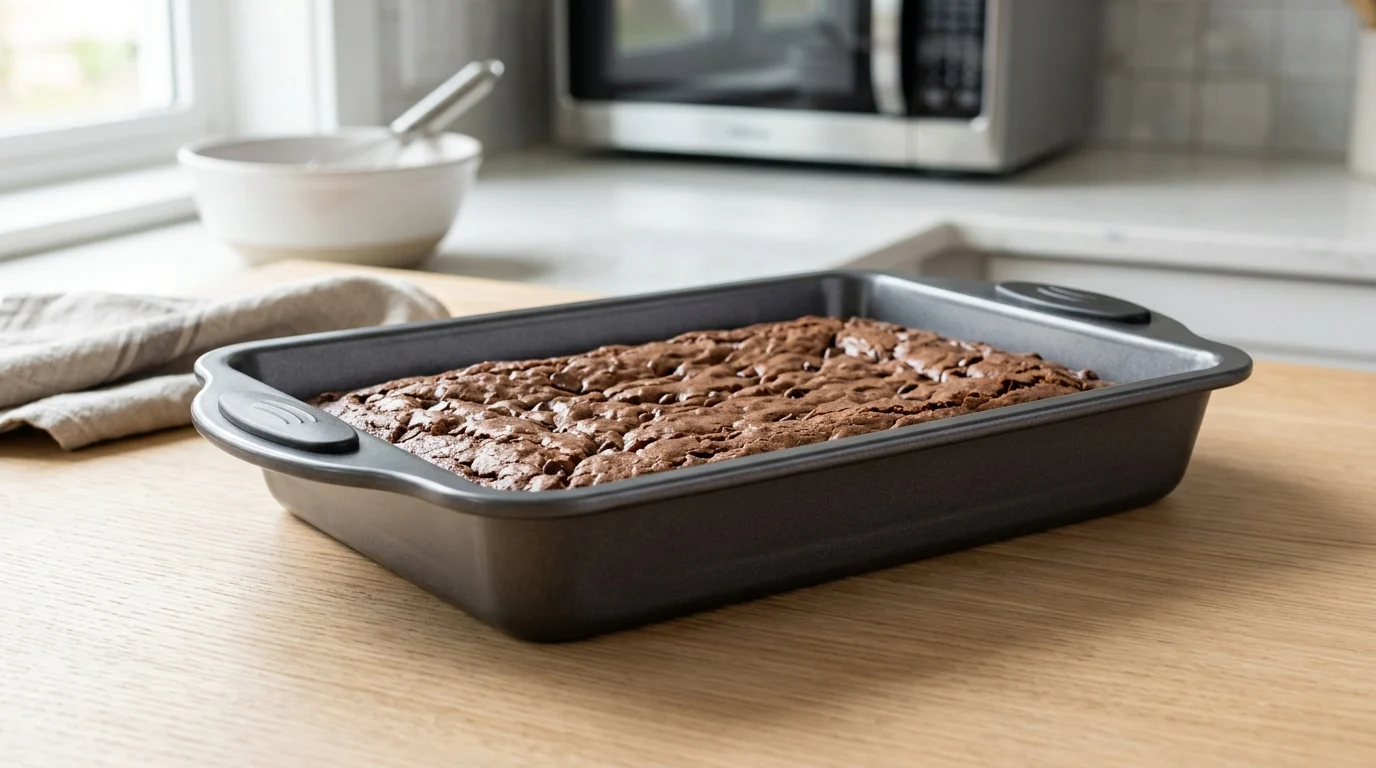
Why choose a microwave baking pan for sandwiches and pizza
The microwave baking pan represents a significant evolution in rapid-cooking technology, transforming standard microwaves into high-performance grilling and baking stations. For B2B buyers, this category addresses a growing consumer demand for multifunctional, space-saving kitchenware that does not compromise on meal quality. By converting microwave energy into conductive heat, these specialized pans reduce cooking times by up to 60% compared to conventional ovens.
Unlike standard microwave-safe plastics that merely allow waves to pass through, these pans actively harness the energy to sear and crisp foods. This technological shift has elevated microwave cookware from basic reheating vessels to primary cooking tools, opening new revenue streams for distributors and retailers.
Market demand and use cases
Market demand spans diverse demographics, from urban professionals in compact apartments to commercial kitchens requiring rapid prep solutions. Multifunctional pans designed specifically for sandwiches, pizzas, and grilled proteins cater to the rising preference for convenience without sacrificing texture.
The ability to achieve a crispy crust—traditionally impossible in a standard microwave—has established this product as a high-velocity SKU in homeware retail channels. College dormitories, recreational vehicles, and office breakrooms also represent strong secondary markets for these items.
Commercial value for B2B buyers
From a procurement perspective, the commercial value of these items is substantial. Wholesale acquisition costs typically range from $6.00 to $12.00 per unit, depending on the material thickness and coating quality, while retail price points routinely command $25.00 to $45.00.
This favorable gross margin profile, combined with a relatively compact packaging footprint, makes microwave baking pans an attractive addition to both e-commerce and brick-and-mortar portfolios. Retailers benefit from high inventory turnover rates, driven by the strong visual appeal and demonstrable utility of the product.
What is a multifunctional microwave baking pan
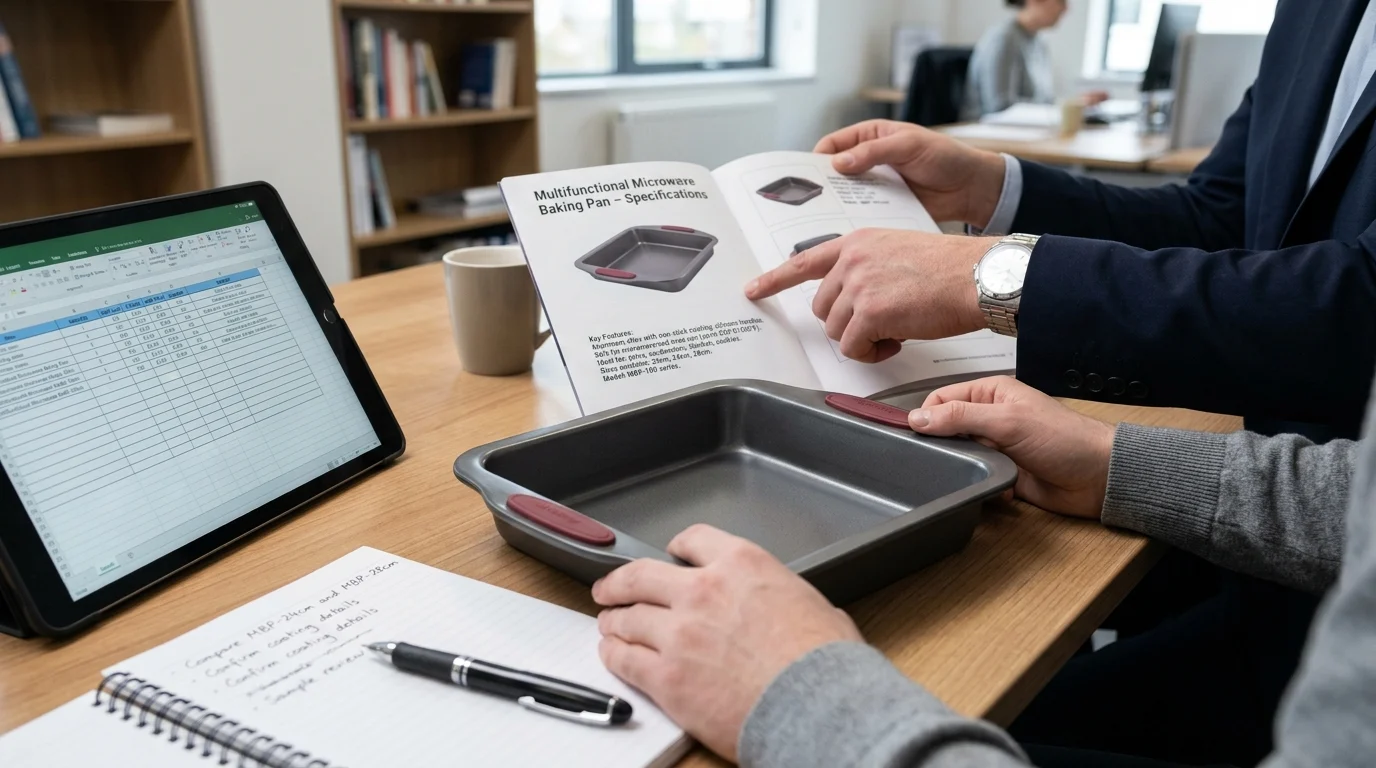
A multifunctional microwave baking pan is engineered to harness microwave energy, safely shielding the food from direct radiation while absorbing the waves to heat a conductive base. This thermal conversion is the core mechanism that allows the pan to sear, bake, and crisp foods like sandwiches and pizzas.
Core product design and functionality
The core design relies on an advanced heat-susceptor base. When placed in a microwave, the base rapidly heats to temperatures exceeding 200°C (392°F) within minutes. This extreme, localized heat effectively mimics a traditional stovetop skillet or pizza stone.
Many models incorporate steam-venting lids to regulate moisture, ensuring that pizzas develop a crispy crust rather than becoming soggy. Collapsible designs are also highly prevalent, offering end-users significant storage efficiency and making the product highly appealing for smaller kitchens.
Material, coating, and size specifications
Premium models, such as those manufactured by industry veterans like Ningbo Junsheng Daily Commodity Co., Ltd., utilize a heavy-duty aluminum alloy construction. This material provides optimal heat distribution and long-term durability under intense thermal stress.
Specifications typically include a 2.5mm to 3.0mm aluminum thickness, coated with a PFOA-free, non-stick PTFE or ceramic layer to ensure easy food release and compliance with health standards. Handles and structural accents are often molded from heat-resistant platinum silicone, ensuring the product remains dishwasher-safe and safe for handling immediately post-heating.
Key product comparison criteria
When comparing products across different suppliers, buyers must evaluate thermal efficiency, coating durability, and structural integrity. Standard plastic containers simply cannot compete with the culinary results produced by alloy-based crisping pans.
| Feature | Standard Plastic/Silicone | Advanced Aluminum Alloy Pan |
|---|---|---|
| Heat Mechanism | Direct microwave penetration | Thermal conversion (crisping) |
| Max Temperature | 120°C (248°F) | Up to 220°C (428°F) |
| Best For | Steaming, reheating | Baking pizzas, searing sandwiches |
| Retail Lifespan | 1-2 years | 3-5+ years |
How should buyers evaluate manufacturers and OEM capability
Sourcing high-quality microwave cookware requires rigorous evaluation of a manufacturer’s production capabilities and quality management systems. Because these products interact directly with microwave radiation and food at high temperatures, inferior manufacturing can lead to product failure, sparking, or safety hazards.
Factory capability and quality control
Buyers should prioritize factories with a proven track record, ideally those with decades of specialized experience. For instance, manufacturers with 20 years of experience in kitchen supplies possess mature supply chains and rigorous quality control protocols tailored to complex multi-material assemblies.
Procurement teams should verify ISO 9001 certifications and demand a defect rate threshold of strictly under 0.5% during mass production. Consistent quality control ensures that the non-stick coatings are evenly applied and that the silicone components are seamlessly integrated with the aluminum base.
OEM and private label options
Customization is a critical differentiator in the competitive homeware market. Capable OEM partners offer extensive private label services, including custom tooling for unique pan shapes, bespoke color matching for silicone components, and laser-engraved branding.
Developing a new custom mold typically requires a tooling lead time of 25 to 35 days, with costs varying based on the complexity of the collapsible mechanisms or vented lid designs. Access to robust OEM capabilities allows brands to differentiate their product lines and command premium retail pricing.
MOQ, sampling, and packaging factors
Establishing clear parameters around Minimum Order Quantities (MOQ) and sampling is essential for inventory planning. Standard MOQs for customized aluminum alloy microwave pans generally range from 1,000 to 3,000 units per colorway.
Sampling times average 7 to 10 days for off-the-shelf designs, allowing buyers to conduct internal performance testing before committing to large-scale production. Packaging configurations must also be finalized during the sampling phase to ensure alignment with retail dimensions and protective requirements.
What compliance and logistics factors matter for cross-border sourcing
Successfully importing microwave baking pans requires strict adherence to international safety standards and a highly optimized logistics strategy. Non-compliance can result in costly customs holds, while inefficient packing can severely erode profit margins due to inflated freight costs.
Food-contact and microwave safety compliance
Compliance is non-negotiable for food-contact items subjected to high heat. Products destined for the US market must pass FDA 21 CFR regulations, while those entering the European Union require LFGB certification, which enforces stricter limits on heavy metal migration from aluminum and non-stick coatings.
Furthermore, the silicone and alloy components must undergo specific microwave-safety testing to ensure they do not arc, spark, or degrade under prolonged electromagnetic exposure. Buyers must secure these test reports from certified third-party laboratories prior to shipment.
Packaging and pallet efficiency
Packaging efficiency directly impacts landed costs. Manufacturers must engineer retail boxes that protect the non-stick surfaces and structural integrity of the pans while minimizing dimensional weight for ocean and inland freight.
| Container Type | Units per Carton | Cartons per Pallet | Total Units per Container |
|---|---|---|---|
| 20ft Standard | 12 | 40 | Approx. 4,800 |
| 40ft High Cube (HQ) | 12 | 50 | Approx. 12,500 |
Shipping, lead time, and replenishment planning
Effective replenishment planning relies on accurate lead time forecasting. Standard mass production for these complex, multi-material pans takes approximately 35 to 45 days, assuming no custom tooling delays.
Factoring in an average ocean transit time of 20 to 30 days, plus customs clearance and warehouse receiving, procurement managers must operate on a 90-day minimum procurement cycle. This buffer is critical to prevent stockouts during peak Q4 retail and holiday shopping seasons.
How should procurement teams make the final sourcing decision
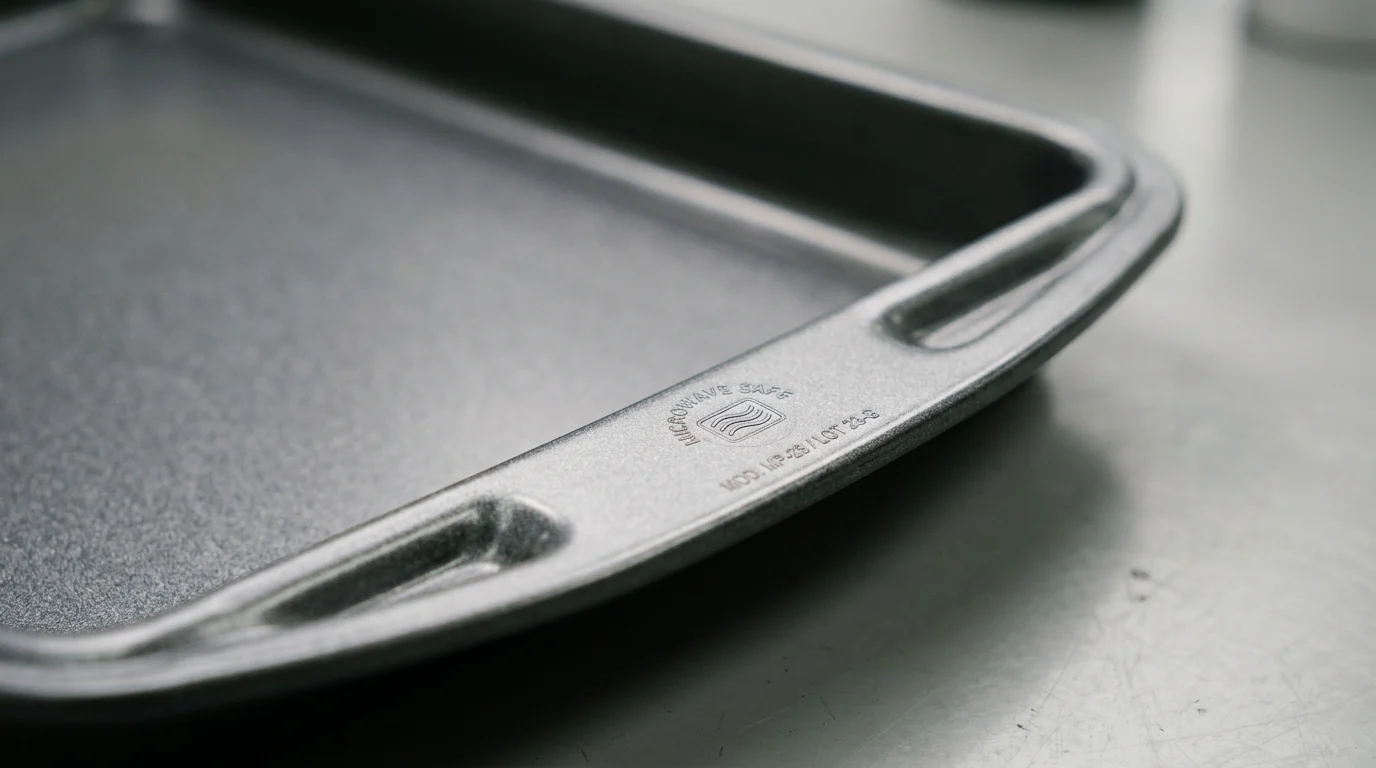
The final sourcing decision rests on aligning the supplier’s technical and production capabilities with the buyer’s overarching market strategy. A holistic approach ensures that the chosen microwave baking pan delivers both end-user satisfaction and long-term commercial viability.
Buyer fit, channels, and price positioning
Channel strategy heavily influences product selection and packaging requirements. E-commerce brands require highly durable, drop-test certified packaging (such as ISTA 3A) to survive parcel network transit, whereas big-box retailers prioritize vibrant, shelf-ready display boxes.
Price positioning also dictates material choices. A premium brand targeting a $40 retail price point must insist on high-grade ceramic coatings and thick 3.0mm aluminum bases, while value-oriented brands might opt for thinner gauges to hit lower cost targets without sacrificing basic functionality.
Supplier selection and negotiation framework
A robust supplier negotiation framework extends beyond unit price. Buyers should negotiate favorable payment terms, such as a standard 30% deposit with the remaining 70% payable against the Bill of Lading (B/L), to maintain healthy cash flow.
Furthermore, establishing Service Level Agreements (SLAs) regarding on-time delivery rates, acceptable variance in material thickness, and warranty replacement terms for defective units will safeguard the procurement investment and foster a sustainable manufacturing partnership.
Key Takeaways
- Wholesale sourcing and supply-chain implications for Microwave Baking Pan
- Specifications, compliance, and commercial terms buyers should validate
- Actionable recommendations for distributors and procurement teams
Frequently Asked Questions
What does a multifunctional microwave baking pan do?
It converts microwave energy into conductive heat, helping sandwiches and pizza cook with a crisp surface instead of staying soft like in ordinary microwave-safe containers.
Can a microwave baking pan really make pizza crust crispy?
Yes. A susceptor-style base can heat above 200°C, which helps brown the bottom and reduce sogginess when used with proper timing and a vented lid.
What materials are best for a microwave baking pan?
Look for durable aluminum alloy with a PFOA-free non-stick coating and heat-resistant silicone parts. On microwave-grill.com, these features are highlighted for durability and easy release.
Who is a microwave sandwich and pizza pan best suited for?
It suits home kitchens, dorms, RVs, offices, and fast-paced commercial prep areas where users want quicker cooking, compact storage, and better texture than standard microwave cookware.
How should buyers evaluate a microwave baking pan supplier?
Check factory experience, coating quality, OEM support, safety-focused design, and consistent quality control. Suppliers like Ningbo Junsheng emphasize 20 years of kitchenware manufacturing and custom product support.


