
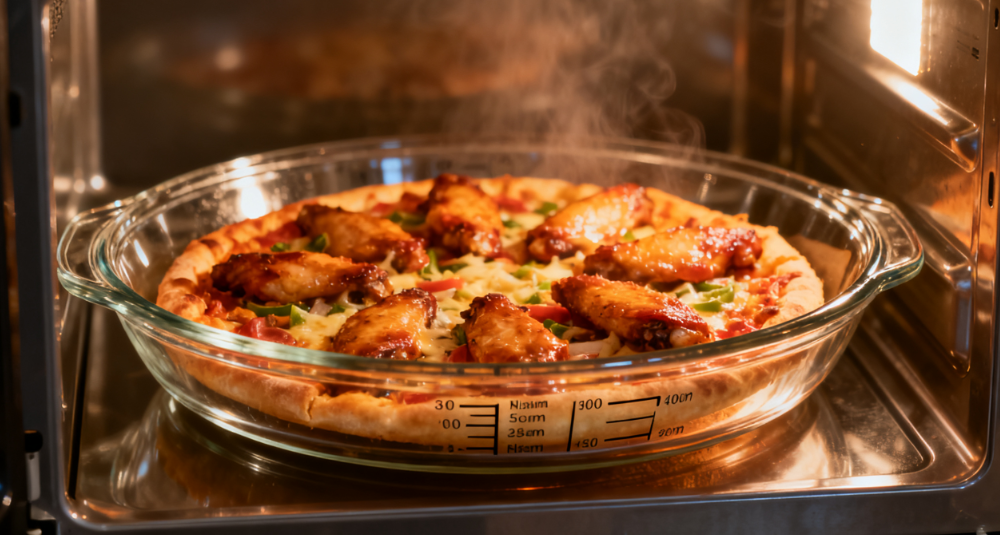
Choosing the correct size for your cooking vessel is essential for successful microwave use. A properly sized microwave baking pan ensures good rotation and air circulation inside the appliance. This prevents uneven heating and potential damage. Many types of microwave baking pans exist, so finding the right dimensions matters most. Consider various microwave baking pan brands, but always prioritize fit. Ningbo Junsheng microwave baking pan options provide quality. They are known as one of the Top Microwave Baking Pan Suppliers in China.
Key Takeaways
- Measure your microwave’s inside space. This includes width, depth, height, and turntable size. This step helps you find a pan that fits.
- Measure your baking pan’s outside parts. Check its width, length, and height. Also, measure any handles or lids. This ensures the pan will fit inside your microwave.
- Leave enough space around the pan. The pan needs to spin freely on the turntable. Air must also move around the food. This helps food cook evenly.
- Use only microwave-safe pans. Look for a “microwave-safe” label. Never put metal in the microwave. Metal can cause sparks or fire.
Measure Your Microwave’s Interior for the Right Microwave Baking Pan
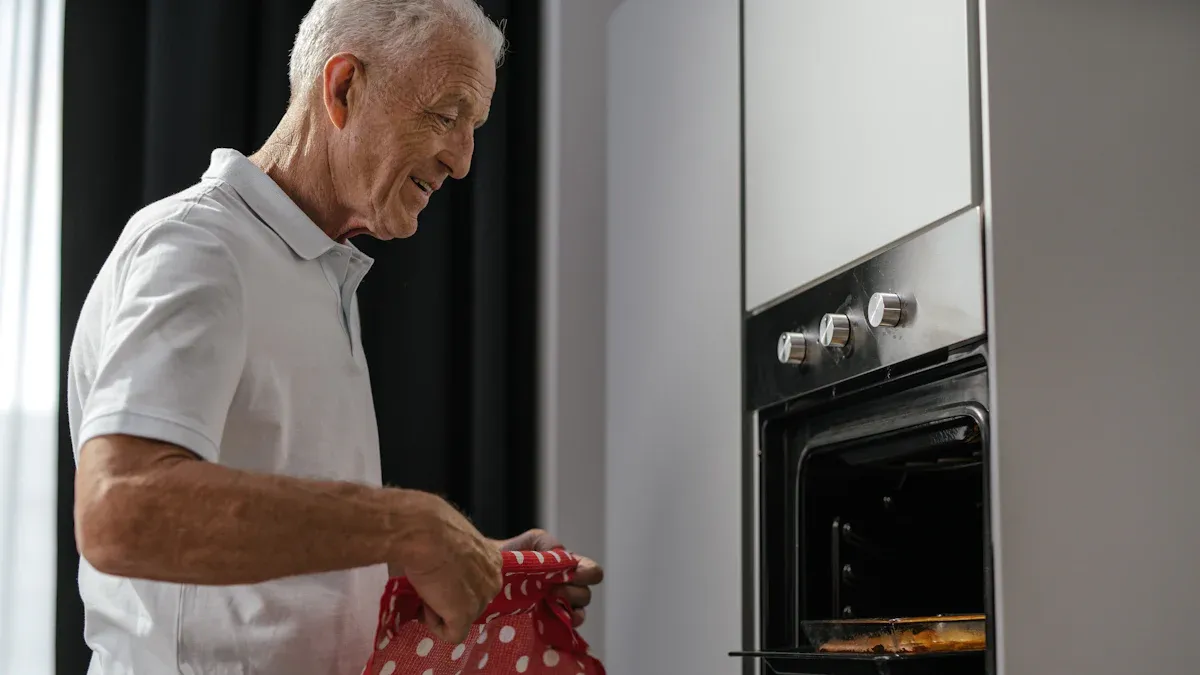
Before buying any new kitchen item, it is essential to know the available space. Taking accurate measurements of the microwave’s inside space is the first and most important step. This ensures a new pan fits perfectly and works well.
Measure Interior Width and Depth
First, a tape measure is needed. Open the microwave door. One should carefully measure the inside width from one side wall to the other. It is helpful to write this number down. Next, measure the inside depth. This goes from the back wall to the inside of the door frame. These two measurements tell the maximum flat area a baking pan can take up. Remember, a little extra room is necessary, not just a perfect fit.
Measure Interior Height
Now, measure the height inside the microwave. One places the tape measure on the floor of the microwave. Extend it straight up to the ceiling. This measurement is important if one plans to bake taller items, like a soufflé or a small cake. Enough vertical space is necessary for the pan and the food inside it. Also, consider if the food might rise during cooking.
Measure Turntable Diameter
Most microwaves have a turntable that spins. This spinning helps food cook evenly. To measure its diameter, one finds the center of the turntable. Then, measure straight across to the edge. Do this from one side to the other, passing through the center point. This measurement is very important. The microwave baking pan must fit on the turntable and have enough room to rotate without hitting the side walls. If the pan is too big, it will get stuck, and food will not cook properly.
Measure Your Microwave Baking Pan’s Exterior Dimensions
After you know your microwave’s interior space, the next step involves looking at the pan itself. You need to measure the pan’s outside parts. This makes sure it will fit inside your microwave oven. It also ensures it has enough room to move around.
Measure Pan Width and Length
First, take your tape measure. You will measure the pan’s width from one outer edge to the other. Then, measure its length from one outer edge to the other. These measurements tell you the total space the pan takes up on the microwave’s turntable.
💡 Tip: Always measure the widest and longest points. This includes any slight flares or edges.
Compare these numbers to your microwave’s interior width and depth. The pan must be smaller than these interior measurements. This allows for proper rotation and prevents it from getting stuck. A good rule of thumb is to leave at least an inch of space on all sides.
Measure Pan Height
Next, measure the pan’s height. Place the pan on a flat surface. Measure from the bottom of the pan straight up to its highest point. This measurement is very important. It ensures the pan, with food inside, will not hit the top of the microwave. Remember, some foods rise when they cook. You need to consider this extra height.
Account for Handles and Lids
Many microwave baking pans come with handles or lids. These parts add to the pan’s overall size. You must include them in your measurements.
- Handles: If the pan has handles, measure the total width and length including the handles. These often stick out. They can easily prevent the pan from rotating or fitting.
- Lids: If you plan to use a lid, measure the pan’s height with the lid on. A lid might add a significant amount to the total height. This could cause it to hit the microwave’s ceiling.
Always measure the pan in its largest possible configuration. This ensures a perfect fit every time.
Ensure Proper Clearance for Your Microwave Baking Pan
Even after you measure your microwave and your pan, you still need to think about clearance. This means making sure there is enough empty space around the pan. Proper clearance helps your food cook well and keeps your microwave working correctly.
Allow Space for Turntable Rotation
Most microwaves have a turntable. This turntable spins your food so it cooks evenly. Your microwave baking pan must fit on this turntable with plenty of room to turn. If the pan is too big, it will hit the microwave’s walls. This stops the turntable from spinning. When the turntable stops, your food will not cook evenly. You will end up with hot spots and cold spots. Always make sure the pan can complete a full rotation without any bumps.
Ensure Adequate Air Circulation
Air needs to move freely inside your microwave. This air circulation helps distribute heat evenly around your food. If a pan is too large, it fills up too much space. This blocks the air from moving around. Poor air circulation can lead to uneven cooking. It can also make your microwave work harder. This might even shorten its life. Always leave a few inches of space between the pan and the microwave walls.
Consider Pan Placement and Movement
Even with the right size pan, how you place your food and pan matters a lot. Strategic placement helps ensure even cooking.
- Strategic Ingredient Placement: Place denser or thicker parts of your food towards the outer edges of the pan. Put lighter or thinner sections in the center. This helps all parts cook at a similar rate.
- Pan Rotation: Rotate the pan halfway through the cooking process. This promotes even heating. It also prevents overcooked edges and an undercooked center.
- Pan Shape: Round pans often promote more even cooking than square or rectangular ones. Microwave energy tends to concentrate at the corners of square dishes.
- Pan Size: Smaller pans generally cook more evenly and quickly. Larger pans may need longer cooking times and careful rotation for uniform heating.
Verify Microwave Baking Pan Material and Safety
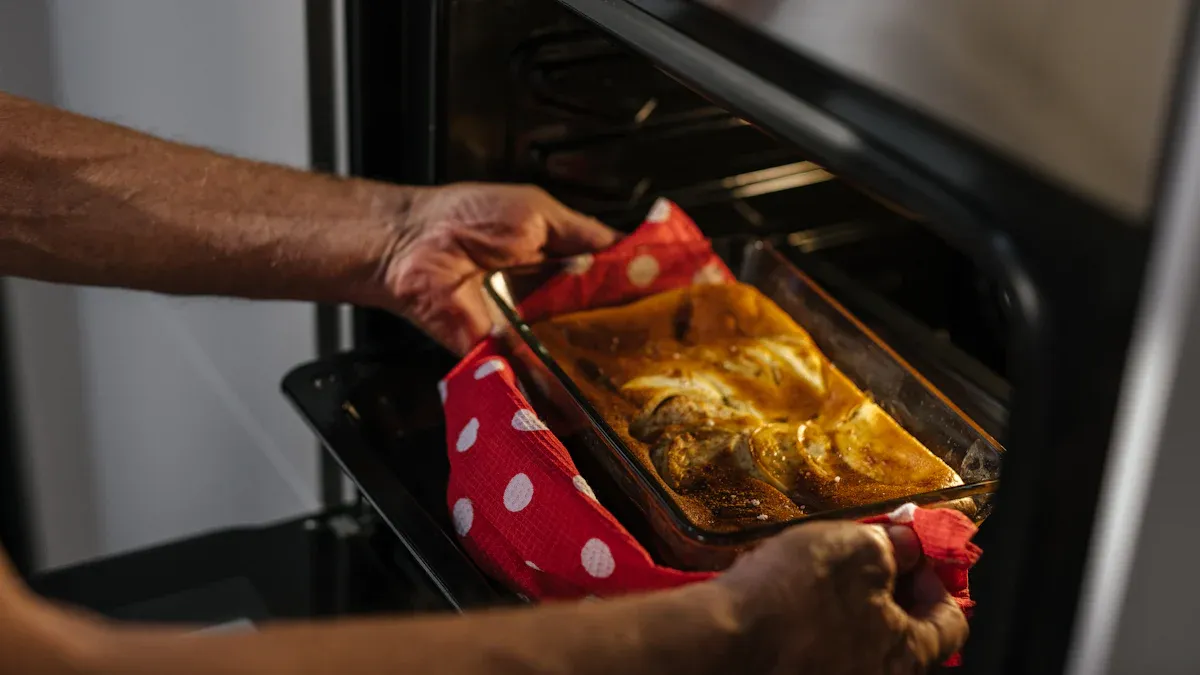
Choosing the right size for your microwave baking pan is important. However, the material it is made from is just as crucial. Using the wrong material can damage your microwave or even cause a fire. Always check the pan’s material before putting it in the microwave.
Check for Microwave-Safe Labels
Before you use any dish in the microwave, look for specific labels. Manufacturers often include symbols or text to show if a product is safe. The most common symbol is wavy radiation lines. These lines mean the item can go into the microwave. Sometimes, these symbols come with notes about temperature or wattage limits. This might suggest using lower settings. In some places, like the EU, you might see “For reheating only.” This means the product is not for cooking food from scratch. Other helpful labels include a “microwave safe” icon, seal, stamp, or sticker. These labels give you peace of mind.
Understand Material Compatibility
Different materials react differently to microwave energy. You want materials that let microwaves pass through to heat the food, not the dish itself. Here are some materials generally safe for microwave use:
- Food-grade silicone: Manufacturers craft this material to handle microwave temperatures. It does not release harmful substances.
- High-quality aluminum alloy: This material undergoes strict testing. It can withstand microwave temperatures without releasing harmful substances.
- Nontoxic nonstick coatings: These coatings prevent harmful substances from releasing during heating.
- Heat-resistant glass: Glass does not absorb microwaves. This allows energy to pass through and heat food evenly. It also does not release harmful substances, especially if labeled microwave-safe. Avoid glass with metallic patterns.
- Ceramics: Ceramics have good thermal stability. They heat food evenly and do not release harmful substances. Make sure ceramic cookware does not have metal decorations.
Avoid Metal in the Microwave
You should never put metal in a microwave. Metal reflects microwaves. This can cause serious problems.
- Aluminum foil: Regular aluminum foil reflects microwaves. This traps energy and can cause sparks, fire, or damage to your appliance. Food completely covered by foil or in a metal pan will not cook properly.
- Stainless steel: Stainless steel also reflects microwaves. This prevents even heating in food. It can lead to cold spots. Reflected energy causes arcing and sparks. These sparks can damage internal microwave parts. They also increase the risk of fire. Sharp edges or pointed parts of stainless steel containers can make arcing worse. This can burn through the steel or the microwave’s inside.
Always choose microwave-safe materials for your microwave baking pan to ensure safety and good cooking results.
When choosing a microwave baking pan, remember these key points:
- Always double-check measurements before purchasing. This ensures a perfect fit.
- Prioritize both fit and microwave-safe materials. This leads to optimal cooking results.
- A correctly sized microwave baking pan ensures even cooking. It also extends your appliance’s life.
This careful approach helps you get the best out of your microwave.
FAQ
Can I use any glass dish in the microwave?
No, not all glass is microwave-safe. Always look for a “microwave-safe” label on the dish. Some glass dishes have metallic decorations or are not designed for high heat. These can crack or cause problems. Always check the label first to ensure safety.
Why does my food cook unevenly in the microwave?
Uneven cooking often happens because the pan is too big for the turntable. This stops it from rotating. Poor air circulation or food piled too high can also cause cold spots. Make sure the pan fits and rotates freely. Also, stir food halfway through cooking.
What happens if I put metal in the microwave by accident?
Putting metal in the microwave can cause sparks, arcing, and even fire. It can also damage the microwave oven itself. If this happens, turn off the microwave immediately. Never use metal in the microwave. ⚠️ It is very dangerous.
How do I clean a microwave baking pan?
Most microwave baking pans are dishwasher safe. If washing by hand, use warm, soapy water and a soft sponge. Avoid abrasive scrubbers, especially on nonstick surfaces. Always check the manufacturer’s cleaning instructions for the best results.


