
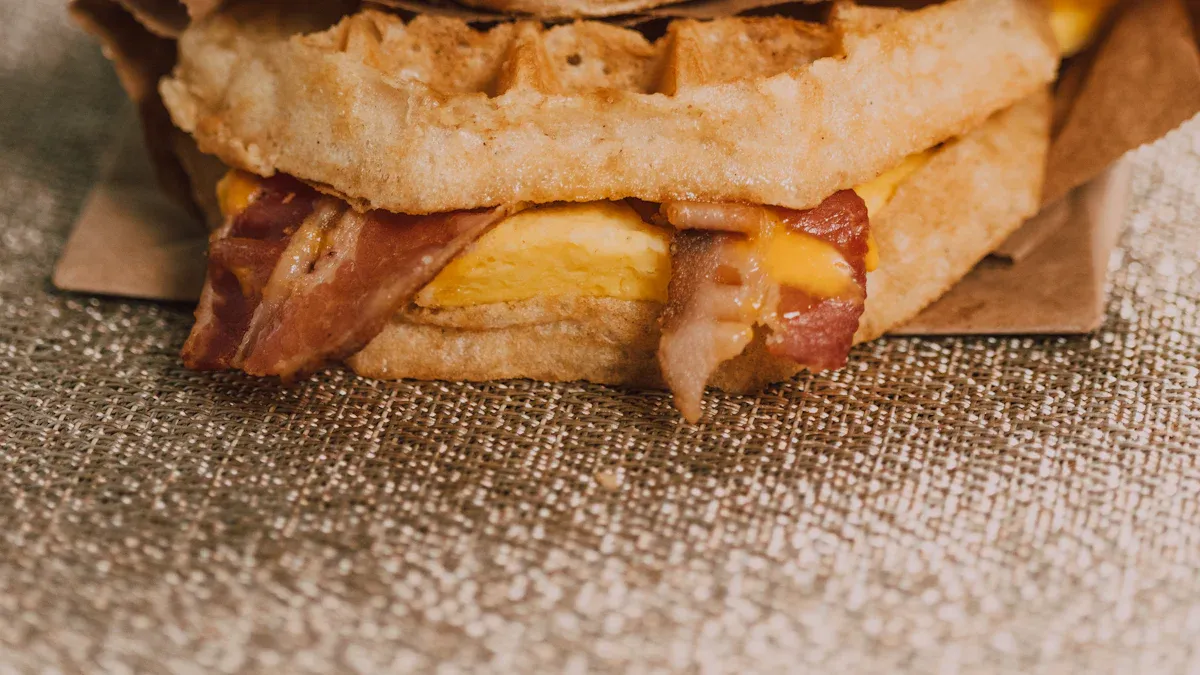
Deciding between a microwave and a traditional sandwich maker depends on personal priorities for convenience, taste, and versatility. The sandwich maker market is growing, valued at USD 4.93 billion in 2024. This highlights a strong consumer interest in quick meal solutions. Many homes already have a microwave oven. For instance, Portugal reported 93% microwave ownership in February 2024.
A Microwave Sandwich Maker offers a unique way to prepare food. This guide helps readers understand the key differences. It determines which appliance best fits a lifestyle and culinary preferences. Learning how to use a microwave sandwich maker, possibly with a Microwave grill plate or a Microwave sandwich maker with lid, can transform meal prep. A Microwave Sandwich Cooker provides quick, warm snacks.
Key Takeaways
- Microwave sandwich makers offer quick meals. They are good for busy people. They do not need preheating.
- Traditional sandwich makers make crispy toast. They use direct heat. This creates a satisfying crunch.
- Microwave sandwich makers are portable. They work well in dorms or offices. They only need a microwave.
- Traditional sandwich makers are versatile. They can cook more than just sandwiches. They act like a mini grill.
- Choose a sandwich maker based on your needs. Consider speed, crispiness, and where you will use it.
Understanding How Each Sandwich Maker Works

How a Traditional Sandwich Maker Toasts
Traditional sandwich makers rely on direct heat and pressure. They feature two heated plates. Users place bread and fillings between these plates. The plates then close, applying pressure. This direct contact heat toasts the bread. It also melts cheese and warms the internal ingredients. The edges of the sandwich often seal shut. This process creates a compact, warm, and often crispy meal. The heating elements ensure even browning across the bread’s surface.
How a Microwave Sandwich Maker Heats and Crisps
A Microwave Sandwich Maker uses a different heating method. It primarily employs microwave energy. This energy quickly heats the food’s water content. It warms fillings and softens the bread rapidly. However, achieving crispiness in a microwave typically presents a challenge. Modern Microwave Sandwich Makers overcome this. They achieve crisping of bread through ‘Infrared Heatwave Technology‘. This innovative technology converts microwave energy into infrared heat. This infrared heat then sears the bread. It works much like a stovetop grill. This process results in a desirable golden-brown crust. The specialized infrared plates ensure both sides of the bread receive a golden-brown finish. This allows users to enjoy a warm, crispy sandwich from their microwave.
Performance: Taste and Texture Comparison
The Classic Crispy Toast from Traditional Makers
Traditional sandwich makers are well-known for producing a distinct crispy toast. They use direct heat and pressure to cook the bread. This process triggers the Maillard reaction. The Maillard reaction is a chemical process. It involves proteins and sugars in bread when heat is applied. This reaction creates browning and develops complex flavors. It also contributes significantly to the crispy texture. Components like starch, cellulose, and crystalline fat also play a role in the crispiness. The direct contact with hot plates ensures an even, golden-brown crust. This method consistently delivers a satisfying crunch.
Can a Microwave Sandwich Maker Deliver Crispiness?
Achieving crispiness in a microwave oven has traditionally been a challenge. However, modern Microwave Sandwich Maker designs have innovated to overcome this. They utilize advanced technologies. Infrared Heatwave Technology is one such innovation. This technology converts microwave energy into infrared heat. This infrared heat then sears the bread. It works similarly to a stovetop grill. Food-grade aluminum is also crucial. It resists warping under microwave heat. It also conducts heat effectively. This contributes to the grilling process. A non-stick fluorine coating helps prevent the need for extra oils. This prevents the sandwich from becoming greasy. Instead, it supports crispiness.
A Microwave Sandwich Maker can produce a sandwich with a golden-brown crust. It also creates a stretchy, melted center. This result is similar to what one might get from a stovetop grill. It can even create grill marks. When cooked optimally, these devices can yield evenly toasted bread. The bread will have a slightly crunchy texture. However, users must follow instructions. If a sandwich is not flipped, the bread can be unevenly toasted. It might also have a soggy texture. The texture can become soggy if left too long after cooking. The bread may also become chewy. While effective, a Microwave Sandwich Maker might not achieve the exact same level of crispiness and crunchiness as traditional sandwich presses or jaffle makers.
Melting Cheese and Warming Fillings
Both types of sandwich makers excel at melting cheese and warming fillings. Traditional makers use sustained direct heat. This heat melts cheese thoroughly. It also warms the internal ingredients evenly. The pressure helps to distribute the heat. Microwave sandwich makers, on the other hand, use microwave energy. This energy quickly heats the water content within the food. This method rapidly melts cheese. It also warms fillings from the inside out. This makes them very efficient for achieving a gooey, warm interior. The speed of microwave heating is a significant advantage for this task.
Speed and Convenience: Which is Faster?
Quick Meals with a Microwave Sandwich Maker
This innovative kitchen tool offers exceptional speed for meal preparation. It heats food very quickly. Users can prepare a warm, satisfying sandwich in just a few minutes. This makes it an excellent choice for busy mornings when time is limited. It is also ideal for a fast lunch break at work or a quick snack anytime. The device uses the microwave‘s existing power. This means no extra preheating time is necessary. Users simply assemble their sandwich, place it inside the maker, and microwave it. This method delivers a hot meal with minimal effort and waiting, enhancing daily convenience.
Traditional Sandwich Maker Cooking Times
Traditional sandwich makers generally require more time and attention. They need a preheating period before cooking can begin. This can take several minutes. Once the plates are hot, cooking a single sandwich typically takes 3 to 5 minutes. The total preparation time adds up. Users must first wait for the appliance to reach the correct temperature. Then they cook the sandwich, often needing to monitor it for desired crispness. Finally, they carefully remove the finished product. This multi-step process is slower compared to the microwave method, requiring more active involvement.
Portability and Power Requirements
A Microwave Sandwich Maker offers superior portability and flexibility. It is often compact and lightweight. It does not require its own power source. It only needs access to a microwave oven. This makes it highly suitable for various settings. Users can easily take it to dorm rooms, offices, or even on trips where a microwave is available. Traditional sandwich makers are standalone electrical appliances. They need a dedicated power outlet to function. They are also generally heavier and bulkier. This limits where users can conveniently use them, making them less versatile for on-the-go meals.
Versatility Beyond Sandwiches
What Else Can a Traditional Sandwich Maker Cook?
Traditional sandwich makers offer more than just toasted sandwiches. They provide a convenient way to prepare various quick meals and snacks. Users can make fluffy pancakes by pouring frozen batter directly onto the heated plates. Each side cooks in about two minutes. Cheese latkes also cook well in these appliances; users simply prepare the batter and cook them until golden-brown. For a quick snack, users can rewarm frozen pizza bagels. Placing them on parchment paper prevents sticking. The direct heat also melts cheese on pasta effectively. Additionally, users can heat premade noodles with shredded cheese for a simple, warm dish. Beyond these, traditional sandwich makers can create a personal-size bacon and cheese omelet. They also make pepperoni and veggie mini pizzas. Other options include a Southwestern breakfast muffin, warm chocolate croissants, and personal-size stuffed French toast. People can even prepare breakfast sandwich maker huevos rancheros or taco cups.
Exploring the Many Uses of a Microwave Sandwich Maker
A Microwave Sandwich Maker extends its utility far beyond simple sandwiches. This innovative tool allows users to cook a surprising variety of foods quickly and efficiently. For example, people can bake vanilla muffins directly in the maker. They can also prepare delicious chocolate chip cookies. The device handles savory dishes too, such as a cheesy broccoli casserole. Users can also make garlic bread sticks. These examples demonstrate the appliance’s ability to handle both sweet and savory items. Its design, which often includes specialized plates, helps achieve desirable textures even in a microwave. This versatility makes it a valuable addition to any kitchen, especially for those seeking quick and easy meal solutions.
Ease of Use and Cleaning
Operating a Traditional Sandwich Maker
Operating a traditional sandwich maker involves a few steps. Users first plug in the appliance and allow it to preheat. This preheating is essential for even cooking and crispy results. Many users make mistakes by not preheating the sandwich maker. They also often overload the sandwich with fillings, which can cause a mess and uneven cooking. Choosing the right bread type is also important; thicker breads like sourdough work well, while thin breads can stick. Forgetting to grease the plates is another common error; greasing prevents sticking and makes removal easier. Users must also close the sandwich maker properly for the best outcome.
Simple Steps for a Microwave Sandwich Maker
A Microwave Sandwich Maker offers a very straightforward cooking process. Users simply assemble their sandwich with desired fillings. They place the sandwich inside the maker, often between specialized plates. Then, they place the entire unit into a microwave oven. The microwave heats the sandwich quickly, warming fillings and crisping the bread. This method requires no preheating. It delivers a hot meal with minimal effort. This makes it ideal for quick preparation.
Cleaning Considerations for Both Types
Cleaning is an important part of maintaining both traditional and microwave sandwich makers. For traditional makers with non-stick surfaces, users should allow the surface to cool completely before washing. This prevents thermal shock. They should hand wash with warm, soapy water and use soft sponges or nylon scrubbing pads. Avoid abrasive cleaners, steel wool, or harsh detergents. For stubborn burned grease, a mixture of white vinegar and water can help loosen residue. Hand washing is generally preferred over dishwashers for non-stick surfaces. For a Microwave Sandwich Maker, cleaning is often simpler. Many models feature removable, dishwasher-safe parts. Users can also wipe down the interior with a damp cloth after each use.
Cost and Value: What to Expect
Price Range for Traditional Sandwich Makers
Traditional sandwich makers are available across a range of prices. Many entry-level models are quite affordable for most budgets. For instance, the Elite Gourmet ESM2207XSS Sandwich Panini Maker costs about $17.99. The OSTBA Sandwich Maker is priced slightly higher at $21.99. Consumers can also find the Hamilton Beach Electric Sealed Sandwich Maker for $27.95. A more deluxe option, the Proctor Silex Deluxe Hot Sandwich Maker, sells for $43.99. These examples show that a basic, functional traditional sandwich maker does not require a large financial outlay. Higher-priced models often include features like interchangeable plates or more precise temperature controls.
Affordable Options for a Microwave Sandwich Maker
A Microwave Sandwich Maker generally presents a more budget-friendly choice. This device typically costs less than electric sandwich makers. It does not contain complex electrical components or heating elements. This simpler construction helps keep its price lower. Users also avoid the need to purchase a separate power source. They simply use their existing microwave oven for heating. This makes it an excellent, cost-effective solution for individuals seeking quick, warm sandwiches without a significant initial investment. It offers great value for its convenience and ease of use.
Long-Term Value and Durability
Both types of sandwich makers can offer good long-term value. Traditional electric models contain electrical parts and heating elements. These components can eventually wear out. However, many manufacturers build these appliances to last for several years with proper care and maintenance. Microwave sandwich makers often feature a simpler construction. They typically use durable, food-grade plastics and aluminum. These materials are robust. They resist damage from microwave heat. Companies like Ningbo Junsheng focus on quality and innovation in kitchen products. This commitment suggests that well-made kitchen tools, including sandwich makers, can offer reliable durability. A simpler design often means fewer moving parts or electrical components that could fail. This contributes to a longer product lifespan and better value over time for the consumer.
Who Benefits Most from a Microwave Sandwich Maker?
Ideal for Dorms, Offices, and Travel
A Microwave Sandwich Maker offers significant advantages for individuals in specific living or working environments. It is an excellent solution for dorm rooms. Students often lack full kitchens. They rely on microwaves for many meals. This device allows them to prepare warm, satisfying food quickly. Office workers also find it useful. They can bring ingredients from home and make a fresh, hot lunch at their desk. This saves money and time. Travelers can also benefit. Many hotels provide microwaves in rooms. A compact Microwave Sandwich Maker fits easily into luggage. It provides a convenient way to enjoy warm meals away from home. Its design does not require a separate power outlet. This makes it highly adaptable to various settings where a microwave is available.
Perfect for Quick, Warm Snacks
This appliance excels at creating fast, warm snacks. People with busy schedules appreciate its speed. They can prepare a hot snack in minutes. This is ideal for a quick bite between tasks or before heading out. The Microwave Sandwich Maker handles various snack items efficiently. Users can make eggs or omelettes for a protein-rich snack. They can also prepare mini burgers. Of course, sandwiches are explicitly mentioned as suitable for the square Microwave Sandwich Maker. This versatility makes it a valuable tool for anyone needing a speedy, warm treat. It provides a convenient option for satisfying hunger without extensive cooking.
When Soft Bread is Preferred Over Crispy
Some people prefer a softer bread texture for their sandwiches. A Microwave Sandwich Maker delivers this result effectively. Traditional sandwich makers focus on crisping the bread. They create a firm, crunchy exterior. However, the microwave method warms the bread thoroughly. It keeps the texture soft and pliable. This is ideal for those who enjoy a less toasted feel. It also works well for sandwiches with delicate fillings. The soft bread complements these ingredients without overpowering them. This preference for a warm, soft sandwich makes the Microwave Sandwich Maker a perfect choice.
Who Should Choose a Traditional Sandwich Maker?
For the Love of a Perfectly Toasted Sandwich
People who truly enjoy a perfectly toasted sandwich often choose a traditional sandwich maker. This appliance excels at heating bread to a crispy and delicious delight. It cooks sandwiches on both sides at once. This ensures perfectly toasted and crispy results. The magic of a panini press comes from its hot plates. These plates warm up simultaneously. They cook food from multiple sides and ensure even heating. This direct heat creates a satisfying crunch and golden-brown finish.
Home Cooks and Culinary Enthusiasts
Home cooks and culinary enthusiasts find great value in a traditional sandwich maker. It offers more than just sandwiches. This versatile appliance functions as a mini indoor grill. It can substitute for a skillet, oven, air fryer, or a regular grill for various dishes. Users can even use the bottom plate like a frying pan to heat food independently. This allows for frying bacon as an alternative cooking method. Its ability to cook food from multiple sides makes it a useful tool for many recipes.
Feeding Families and Larger Groups
Traditional sandwich makers are excellent for feeding families and larger groups. They come in various sizes to meet different needs.
| Model | Capacity/Size Details | Suitable For |
|---|---|---|
| Judge Mini Sandwich Maker | Single sandwich | Small households or snacks |
| Russell Hobbs 3-in-1 Panini Press | 2 paninis or 5 chicken breasts at once | Families or larger households |
| Heavy-duty flat toasters | More than 2 slices of bread at once | Larger households |
| George Foreman Multi-Serving Grill | Up to 5 servings at once (75 sq. inch cooking surface) | Families |
| Cuisinart | Larger models available | Big families |
Larger models, like the Russell Hobbs 3-in-1 Panini Press, can prepare multiple items at once. This saves time and effort when cooking for several people. Heavy-duty flat toasters also handle more than two slices of bread at a time. This makes meal preparation efficient for bigger households.
The ideal sandwich maker depends on individual priorities. People must decide if they value speed and portability more than a classic crispy, toasted experience. A traditional sandwich maker excels at browning and sealing. Modern microwave sandwich makers offer surprising versatility and convenience for specific needs. Consider daily routines, desired sandwich textures, and kitchen setups. This helps make the best choice for any home.
FAQ
Can users use any type of bread in a microwave sandwich maker?
Yes, users can use most bread types. Thicker breads like sourdough or ciabatta work well. Thin breads might become too soft. Experiment with different varieties to find a favorite.
Does a microwave sandwich maker make sandwiches soggy?
Modern microwave sandwich makers use special technology to prevent sogginess. They convert microwave energy into infrared heat. This sears the bread. It helps achieve a crispy exterior.
Is a microwave sandwich maker safe to use?
Yes, microwave sandwich makers are safe. Manufacturers design them with food-grade materials. These materials withstand microwave heat. Always follow the product’s instructions for safe operation.
What types of fillings work best in a microwave sandwich maker?
Many fillings work well. Cheese melts perfectly. Cooked meats and vegetables heat thoroughly. Avoid very watery ingredients. They can make the sandwich too moist.
How do users clean a microwave sandwich maker?
Cleaning is simple. Many models feature removable, dishwasher-safe parts. Users can also wipe down the interior with a damp cloth after each use. This keeps the appliance ready for next time.


