
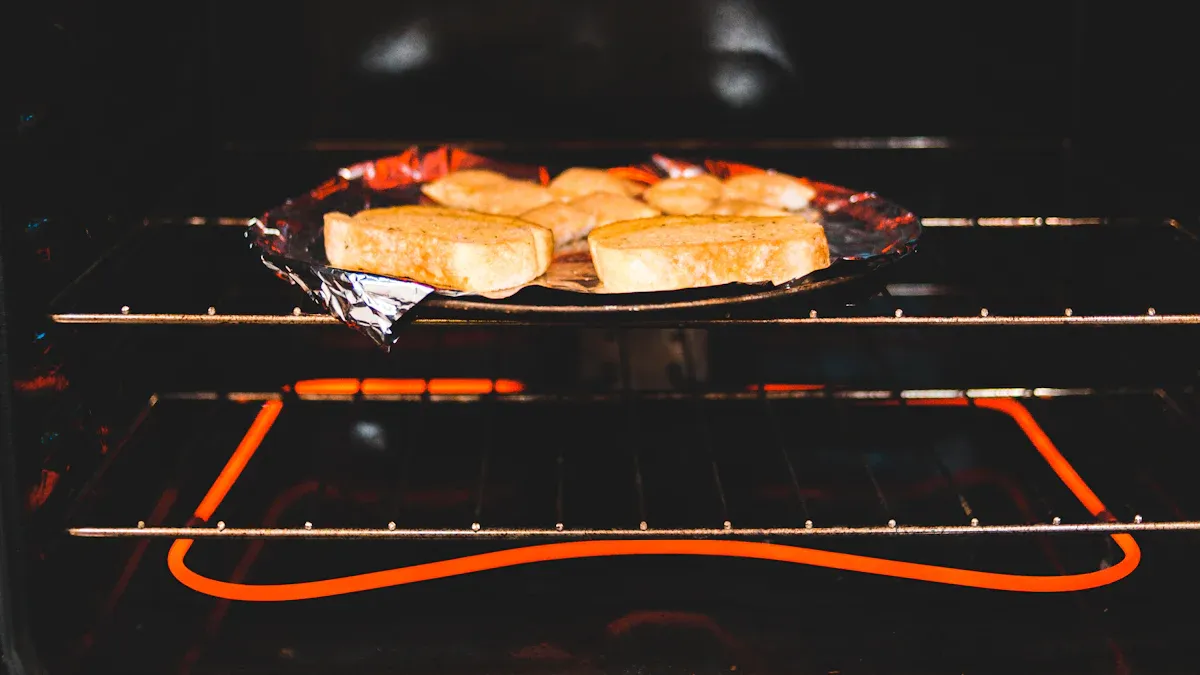
The choice between a microwave sandwich maker and a traditional panini press depends entirely on individual priorities and lifestyle. Neither device is inherently "better" than the other; they simply excel in different areas. This guide helps users understand the strengths and weaknesses of each to make an informed decision. A microwave sandwich maker offers rapid preparation. Debates surrounding Microwave vs. Toaster press often highlight convenience. A microwave toastie sandwich maker provides quick and easy meals. A specialized sandwich baking pan can also be utilized. Users should consider BPA-free microwave cookware ( for safe food preparation.
Key Takeaways
- Microwave sandwich makers cook food very fast, usually in 3-5 minutes, because they do not need to warm up first.
- Panini presses make sandwiches crispy and flavorful due to high heat, but they take a long time to heat up.
- Microwave sandwich makers are easy to clean and store because they are small and often have non-stick parts.
- Panini presses can cook many different foods, like bacon and eggs, not just sandwiches.
- Choose a microwave sandwich maker for quick meals, or a panini press for crispy, tasty sandwiches.
Speed, Convenience, and Portability
The Rapid Cooking of a Microwave Sandwich Maker
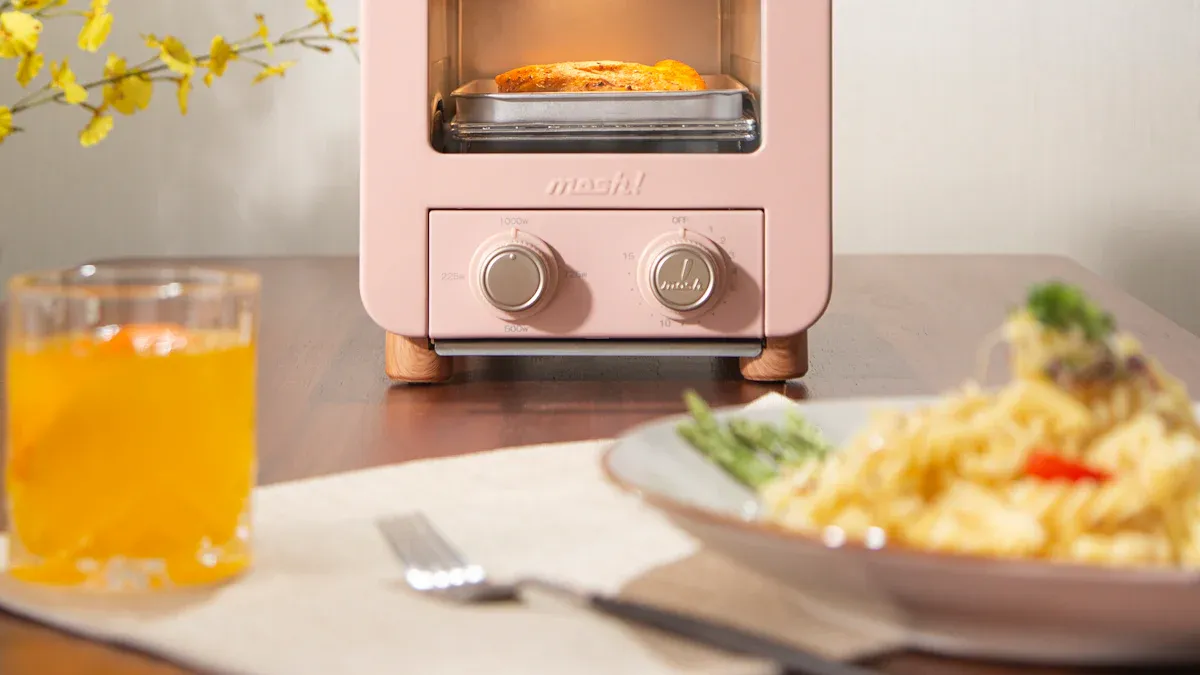
A microwave sandwich maker offers unparalleled speed for meal preparation. These devices utilize advanced technologies such as ‘Infrared Heatwave Technology’ and ‘Heatwave Technology’. These innovations convert microwave energy into infrared heat. This process allows for quick cooking and crisping of food. It effectively mimics the performance of a stovetop grill. Users achieve golden, crispy exteriors and melted interiors in just 3-5 minutes. This rapid cooking eliminates the need for pre-heating, making it an ideal choice for busy individuals.
Panini Press Heating Time and Efficiency
Traditional panini presses require a significant amount of time to reach optimal cooking temperatures. A Waring panini press, for example, needs at least 30 minutes to preheat sufficiently. Commercial panini presses also typically take 30 minutes to warm up. This preheating period adds considerable time to the overall cooking process. Users must plan ahead when preparing sandwiches with a panini press. This contrasts sharply with the instant readiness of a microwave sandwich maker.
Portability and Setup for Each Device
Portability and ease of setup vary significantly between the two appliances. A portable microwave sandwich maker offers compact dimensions and light weight. Many models feature product dimensions around 7"D x 6"W x 2.2"H and weigh approximately 29.1 ounces. Other designs measure 2.3"D x 8.5"W x 5.9"H and weigh about 1.43 lbs. These small sizes make them easy to store and transport. Setting up a microwave sandwich maker simply involves placing it in the microwave.
A traditional panini press, especially a cast iron model, demands a more involved setup. Users often need specific equipment, such as a cast iron panini press (oven-safe, weighted, with bottom ridges) and a corresponding cast iron pan. The setup process includes several steps. First, place both the skillet and the separate press over medium heat for 3 to 4 minutes. Ensure no oil is on the press if it is over direct flame to prevent flaring. Next, check the temperature by flicking water drops onto the ribs of both the press and skillet; they should spit to indicate readiness. After heating, brush the ribs of both pieces with a small amount of vegetable oil. Place the press inside the skillet grill to maintain consistent surface temperatures. Avoid returning the oiled press to direct flame to prevent flaring. If smoke appears from the oil, the press is too hot; remove it from heat for a few minutes to cool. Adjust heat based on your stove, as it may require practice to find the right temperature. Alternatively, some methods require placing both the cast iron pan and panini press in a cold oven, heating to 450°F, and preheating for 30 minutes. This extensive setup makes the panini press less convenient for quick, on-the-go meals.
Taste and Texture: Crispy vs. Soft
Achieving Crispy Perfection with a Panini Press
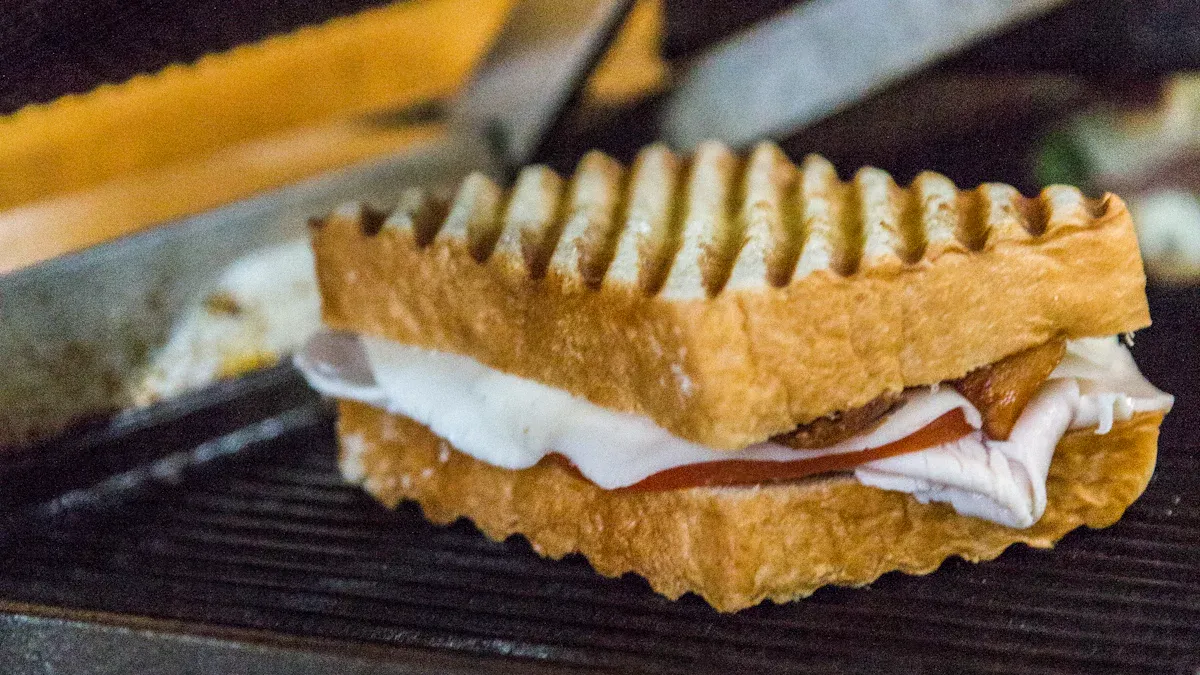
A traditional panini press excels at creating sandwiches with a desirable crispy exterior. This appliance achieves its signature texture through direct contact heat and often high temperatures. Users frequently report using their panini press on the ‘highest setting’ or ‘Sear’ for optimal crisping. Preheating the press with the lids open helps ensure even heat distribution. Applying butter or olive oil to the outside of the bread significantly enhances crispiness and adds flavor. This fat aids the griddling process, resulting in a beautifully golden and crunchy crust.
Commercial panini grills offer a wide and adjustable temperature range, with many models reaching up to 570°F. This high temperature allows for versatility, from gently toasting bread to achieving a hard sear. Precise temperature control is crucial because different breads and fillings require varying heat levels for perfect cooking. A delicate brioche, for instance, would burn at a temperature suitable for a thick focaccia. Experimentation with temperatures helps users find the ‘sweet spot’ where the bread is crispy, cheese melts, and fillings heat thoroughly.
The Unique Texture from a Microwave Sandwich Maker
A microwave sandwich maker produces a distinct texture compared to a panini press. Microwaves primarily target water, sugar, and fat within the bread. This process causes sugars to re-gelatinize and water to turn into steam. As the bread cools, the steam evaporates, and the sugars harden, often resulting in a dry and tough texture. The moisture inside the bread heats quickly and turns to steam. This steam can become trapped, making the bread soggy. As the bread cools, the steam leaves, and the starches firm up, leading to a tough, dry, and chewier texture due to firmer starches.
However, modern microwave sandwich maker designs incorporate innovative materials to counteract these effects and achieve a more appealing texture.
- Infrared plates convert microwave energy into infrared heat. This mimics a stovetop grill, searing and crisping food for a café-level crunch.
- Heatwave Technology transforms microwave power into infrared heat. This effectively sears bread like a stovetop grill, producing a golden crust.
- Food-grade aluminum resists warping at high temperatures (up to 400°F), ensuring consistent performance.
- Premium fluorine non-stick coating allows food release without added oils, contributing to crisping without greasy residue.
- Patented heatwave technology converts microwaves into far-infrared heat, enabling the pan to mimic traditional grilling methods for crispy results.
- Patented thermal material technology, located under the grill pan, converts microwaves into far-infrared heat, functioning like an infrared grill to produce a grilled or crispy effect.
Flavor Development in Both Sandwich Makers
Flavor development differs significantly between the two appliances. A panini press, with its high heat and direct contact, facilitates the Maillard Reaction. This complex chemical process involves amino acids and sugars reacting under heat, leading to browning and the development of rich, savory flavors in food. The Maillard Reaction occurs rapidly at temperatures above 350°F/176°C. It is common in ‘hot and fast cooking techniques, like searing or broiling, where moisture can quickly evaporate.’ A panini press employs a hot and fast cooking technique, strongly implying the Maillard reaction occurs during cooking. This reaction contributes to the deep, toasted flavors characteristic of a well-made panini.
A microwave sandwich maker, while convenient, relies on a different heating mechanism. The rapid heating of moisture and sugars creates a different flavor profile. While specialized technologies aim to introduce browning and crisping, the depth of flavor achieved through the Maillard reaction in a panini press is generally more pronounced. The microwave method focuses on heating ingredients thoroughly and melting cheese quickly, offering a warm and satisfying meal with less emphasis on complex flavor development from surface browning.
Versatility and Food Compatibility
The Broad Capabilities of a Traditional Panini Press
A traditional panini press offers extensive versatility. It accommodates various bread types and fillings. Food scientist and culinary expert Brian Chau states,
For traditionalists, Italian breads like ciabatta, rosetta, or michetta work well. Modernists can use any dense bread that can withstand the heat and pressure of the panini press. The best bread for a panini is a ‘tough bread’—not soft or fluffy textures that can tear, and nothing sweet with a high amount of sugar, as sugar will burn under intense heat and soft bread could tear under pressure, leading to ingredients falling apart.
Many types of bread perform well under pressure. These include:
- Baguette (with dome sliced off for a flat grilling surface)
- Ciabatta
- Sourdough
- Levain
- Multigrain
- Brioche (sliced thick, with light pressure)
- Challah (sliced thick)
Denser bread, such as freeform loaves from a bakery, holds its shape better under the press’s weight. This prevents the bread from flattening excessively.
Limitations and Uses of a Microwave Sandwich Maker
A microwave sandwich maker primarily focuses on quick sandwich preparation. It excels at heating and crisping sandwiches rapidly. This device offers a convenient solution for individuals seeking a fast meal. Its design optimizes for this specific function. It provides a warm, melted sandwich without the need for a stovetop or oven.
Beyond Sandwiches: Other Foods Each Can Handle
Both appliances extend their utility beyond simple sandwiches. A traditional panini press handles a surprising array of foods. Users can prepare:
- Bacon
- Quesadillas
- Eggs (omelets, sunny-side up)
- Hash browns
- French toast
- Chicken (thinner cuts, strips, or cubes)
- Grilled fruit
- Vegetables (broccoli, cauliflower, onions, bell peppers, leafy greens)
The microwave sandwich maker also demonstrates surprising versatility. It can cook various items. These include: - Vanilla muffins
- Chocolate chip cookies
- Cheesy broccoli casserole
- Garlic bread sticks
- Pan-fried saury
- Beef steak
- Pancakes
- Crispy bacon
- Roasted chicken chunks
This broadens its utility in a compact kitchen.
Cost, Durability, and Energy Efficiency
Initial Investment: Microwave Sandwich Maker vs. Panini Press
The initial investment for these appliances presents a clear distinction. A specific model of a microwave sandwich maker sells for $38.00. This single price point makes establishing an average retail price range for all such devices difficult. However, these devices generally represent a lower upfront cost compared to many traditional panini presses. Panini presses, especially those with advanced features or commercial-grade construction, often command a higher initial investment. Consumers seeking a budget-friendly option for quick meals typically find the microwave sandwich maker more accessible.
Energy Consumption and Running Costs
Energy consumption significantly impacts running costs. These compact devices are designed for use with microwave wattages ranging from 700 to 1200 watts. One specific model operates efficiently at 900W–1000W. This relatively lower wattage, combined with short cooking times, contributes to minimal energy usage per meal. Traditional panini presses, conversely, demand substantially more power. Models like the Cuisinart Griddler Five operate at 1500 watts. Other robust models, such as the Cuisinart Griddler Elite and Breville BGR700BSS, have a wattage of 1800 watts. Their higher wattage and longer preheating periods mean panini presses generally incur greater electricity costs during operation.
Expected Durability and Lifespan of Each Device
The expected durability and lifespan of these appliances also differ. A traditional panini press’s longevity depends heavily on its model type and construction quality. Basic dual-plate models typically last 1–2 years. Floating hinge mid-tier presses offer a more extended lifespan, often ranging from 3–5 years. Grill and press combo units, built for greater versatility and robustness, can last 5 or more years. The simpler design of these microwave-compatible devices, with fewer electrical components and reliance on the microwave for power, often demonstrates good durability. Their construction, often involving food-grade materials, supports consistent performance over time, provided users adhere to proper care and usage guidelines.
Cleanup and Maintenance
Ease of Cleaning a Microwave Sandwich Maker
Cleaning a microwave sandwich maker typically involves minimal effort. Manufacturers often construct these devices from aluminum with a non-stick fluorine coating. This coating allows food release without added oils, which reduces greasy residue. The lid often features heat-resistant silicone-coated aluminum. Many models are also dishwasher safe, which simplifies cleanup after use. This design ensures quick and convenient maintenance.
Cleaning and Maintaining a Traditional Panini Press
Cleaning a traditional panini press presents more challenges. Grooved plates make cleaning harder because food often gets stuck in the grooves. Smooth plates are significantly easier to wipe down. The cleaning method depends on the surface material, such as nonstick or cast iron. Users should always consult the instruction manual first. Panini presses are electronic; therefore, users must not submerge them in water to prevent damage and electrical shock. Detachable, dishwasher-safe paddles can be removed and washed separately.
Before wet cleaning, ensure the panini press is cool and unplugged. Hold it over a trash can or sink and gently shake it to remove loose crumbs from crevices. Applying oil to the grates or butter to the bread before cooking helps prevent food from sticking. For nonstick surfaces, wipe away major crumbs after cooling. Create a paste of water and baking soda, apply it to the paddles, let it harden, then polish it off with a microfiber or soft cloth. Alternatively, mix baking soda with vinegar or lemon juice and use a soft brush. Avoid tough scrub brushes, steel wool, or abrasive materials that could scratch the surface. Use soft-bristled toothbrushes for crevices. For a cast iron panini press, dry it thoroughly after cleaning to prevent rust. Do not soak cast iron.
Storage Considerations for Both Appliances
Storage requirements differ between the two appliances. A microwave sandwich maker is compact and lightweight, making it easy to store in small cabinets or drawers. Traditional panini presses, however, demand more space. Typical panini presses have widths varying from 10 to 12 inches and depths from 8 to 10 inches. Popular sizes include 10×10, 10×14, and 14×14 inches. Larger units exist, but presses exceeding 14×14 inches are generally not manual due to reach limitations. Users need dedicated counter or cabinet space for these larger appliances.
Panini presses deliver gourmet crispness and deep flavor. Microwave devices offer unmatched speed and convenience. Choose a microwave sandwich maker for quick, easy meals. It suits busy lifestyles. Select a traditional panini press for gourmet, crispy sandwiches. It provides superior texture and flavor. Possessing both appliances offers ultimate flexibility. Users can meet diverse culinary needs.
FAQ
Can a microwave sandwich maker achieve crispy bread?
Yes, modern microwave sandwich makers use technologies like infrared plates and heatwave technology. These innovations convert microwave energy into infrared heat. This process sears and crisps bread, mimicking a stovetop grill for a golden crust.
How does cleaning a panini press compare to a microwave sandwich maker?
Cleaning a microwave sandwich maker is generally easier. It features non-stick coatings and often includes dishwasher-safe parts. Panini presses, especially those with grooved plates, require more effort. Users must cool and unplug them before cleaning.
What types of food can a traditional panini press cook?
A panini press offers broad versatility beyond sandwiches. It can cook:
- Bacon
- Quesadillas
- Eggs
- Hash browns
- French toast
- Chicken
- Grilled fruit and vegetables
Which appliance is more energy-efficient for daily use?
Microwave sandwich makers are generally more energy-efficient. They operate at lower wattages (700-1200W) and require no preheating. Panini presses use higher wattages (1500-1800W) and need significant preheating time, consuming more electricity.


