

Microwaves are integral to many modern kitchens. For example, many European households widely use them for daily cooking and reheating.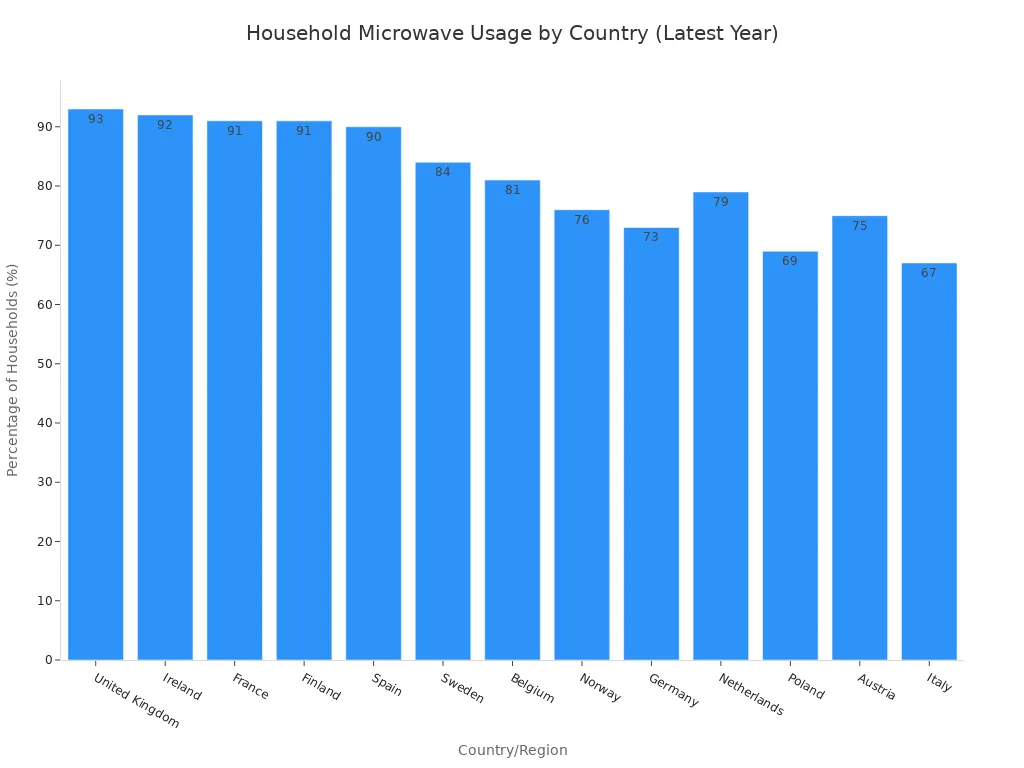
This widespread use highlights the need for the best microwave cookware for home use. What is the best microwave cookware for home cooking? Users prioritize microwave-safe glass, ceramic, silicone, and BPA-free plastics. These materials ensure safety, even heating, and versatility in a microwave cookware set. Junsheng microwave cookware offers reliable options. A specialized item like a microwave pizza pan also demonstrates diverse needs. What material is best for microwave cookware? This guide explores optimal choices.
Key Takeaways
- Use glass, ceramic, or silicone cookware in the microwave. These materials are safe and cook food well.
- Avoid metal, Styrofoam, and plastics not labeled "microwave-safe." These can cause fires or put bad chemicals in your food.
- Always check for a "microwave-safe" label on your dishes. This label means the dish is safe to use in the microwave.
- Choose cookware that fits your microwave and cooking needs. This helps food cook evenly and makes cleanup easier.
Understanding Microwave-Safe Materials for Home Cooking
Selecting the correct materials for microwave cooking is paramount for both safety and culinary success. Using non-microwave-safe materials poses significant risks. For instance, metal and paper dishes can cause fire, sparking, or combustion. Plastic dishes may leach chemicals into food, leading to potential short- and long-term health risks. Ceramics with certain glazes might release toxic substances. Styrofoam takeout containers can seep styrene, a potential carcinogen, into food and also present a fire hazard. Thinner glass is prone to cracking. Any non-microwave-safe material can become excessively hot to touch, melt, or sustain damage. Materials like cardboard, unless specifically labeled microwave-safe, can contain glues or waxes that are safety hazards. Some takeout boxes even have metal parts that cause sparks and fire. Metals such as steel, iron, copper, and aluminum foil reflect microwaves, increasing heat inside the appliance and potentially causing fires. Wrinkled or crumpled aluminum foil can cause ‘arcing,’ which damages the microwave or starts a fire. Therefore, understanding which materials are safe ensures a secure and efficient cooking experience.
Why Glass Cookware Excels in Microwaves
Glass cookware stands out as an excellent choice for microwave use due to its inherent properties. It is heat-resistant, enduring high temperatures without degradation. Its durability ensures longevity and resistance to wear, making it a reliable kitchen staple. Glass is also non-reactive; it does not interact with food, preserving taste and safety. Furthermore, glass offers excellent heat distribution, preventing hot spots and ensuring food cooks uniformly. Importantly, it remains free from harmful chemicals, meaning it does not leach substances like BPA or phthalates into food.
Borosilicate glass, in particular, demonstrates superior performance in microwave environments. Manufacturers create borosilicate glass by adding boron to the glass mixture, which results in a material with a low coefficient of thermal expansion. This property makes borosilicate glass less likely to crack or shatter when exposed to sudden temperature changes, a common occurrence in microwave cooking. Borosilicate glass is recognized for its exceptionally low coefficient of thermal expansion, making it more resistant to thermal shock than other common glass types. It experiences less thermal stress and can endure temperature differences of approximately 330 °F (166 °C) without breaking. While generally more resistant, it can still crack or shatter with rapid or uneven temperature changes. In comparison, soda-lime glass can only withstand about a 100 °F (40 °C) temperature change before fracturing. However, consistent scientific testing over decades has shown that tempered soda-lime-silicate bakeware is at least equivalent to, or even superior to, annealed borosilicate products in terms of thermal shock resistance. When Anchor Hocking transitioned from borosilicate to tempered soda-lime-silicate over 40 years ago, their tests indicated a 40% improvement in thermal shock resistance for their tempered soda-lime-silicate glass. This resistance to thermal shock is crucial for microwave use, as it allows the material to withstand rapid temperature fluctuations without cracking.
The Benefits of Ceramic Cookware for Microwaves
Ceramic cookware offers another reliable option for microwave cooking. Its robust nature and ability to retain heat make it suitable for various dishes. Ceramic materials are generally non-reactive, ensuring they do not impart unwanted flavors or chemicals into food. They also distribute heat effectively, contributing to evenly cooked meals. Many ceramic dishes are oven-safe as well, providing versatility for transitioning from microwave to conventional oven cooking. When choosing ceramic, consumers should ensure the product is specifically labeled "microwave-safe" to avoid glazes that might contain lead or other harmful substances.
Silicone Cookware: Flexibility and Safety in Microwaves
Silicone cookware has gained popularity for its flexibility and safety in microwave applications. Food-grade silicone is highly heat resistant, with a typical temperature range of -40°F to 450°F (-40°C and 232°C). This ensures no melting or decomposing under normal conditions and prevents chemical leaching. Its chemical composition, consisting of silicon and oxygen atoms, provides a strong and stable molecular structure, greatly minimizing the likelihood of disintegration and leaching harmful compounds into food, even under heat exposure. This material is chemically inert and non-porous, meaning it does not react with food or retain flavors and odors. It remains stable and secure for use in cooking and baking at elevated temperatures, resisting temperature pressures from -40°F to 446°F (-40°C to 230°C) without affecting its structure or emitting hazardous substances, making it safe for microwave use without leaching toxic chemicals.
Food-grade silicone is designed to handle high temperatures without melting or releasing harmful chemicals. The U.S. FDA confirmed in 1979 that silicone is safe for everyday cooking and direct food contact, noting that temperature changes do not cause silicone to leach chemicals into food. Most high-quality silicone baking molds can withstand a temperature range of -40°C to +230°C (-40°F to +446°F) for long-term use, and up to 350°C (662°F) for short periods. It will not melt in the oven and will not release toxic substances when used properly. Food-grade silicone passes food contact safety standards like FDA (USA) and LFGB (Germany/EU), is non-toxic, BPA-free, odor-free, and does not react with food, even in repeated high-temperature baking. Its benefits include high-temperature resistance, non-toxic and BPA-free composition, odor and stain resistance, flexibility, unbreakability, dishwasher safety, lightweight durability, hypoallergenic properties, and eco-friendliness. These characteristics make silicone an excellent choice for various microwave cooking tasks.
BPA-Free Plastic Cookware: A Convenient Microwave Option
BPA-free plastic cookware offers a convenient and often affordable option for microwave use. Many home cooks appreciate its lightweight nature, durability, and resistance to breaking. These plastics are particularly useful for quick reheating, meal prep, and storing leftovers. However, consumers must prioritize products explicitly labeled "BPA-free" to ensure safety.
Bisphenol A (BPA) is an industrial chemical used to make certain plastics and resins. Concerns exist regarding its potential health effects. Heating plastics containing BPA in a microwave can increase the migration of BPA into food. For example, microwaving food to 100 degrees Celsius for nine minutes increased BPA migration levels from 6 to 18 ppb for steamed rice. It also increased levels from 5 to 15 ppb for cooked pork. While these levels generally remain below established safety limits, the increase in migration is a notable concern for many.
All plastics, even those labeled "microwave safe," can break down when exposed to heat. This breakdown occurs whether in a microwave or a dishwasher. This process can lead to the release of BPA and other chemicals into food. Signs of plastic degradation, such as cracks and cloudiness in reusable containers, indicate that the plastic may be releasing these substances. Consumers should replace any plastic containers showing these signs.
BPA acts as an endocrine disruptor. Its molecular structure mimics estrogen, allowing it to bind to estrogen receptors in the body. This interference can block the crucial functions that estrogen controls, such as puberty, menstruation, and pregnancy. Studies have linked BPA exposure to various health issues. These include endometriosis, infertility, asthma, obesity, and fetal neurodevelopmental disorders. Therefore, choosing BPA-free plastic cookware helps mitigate these potential risks.
Materials to Avoid in Your Microwave
Understanding which materials to avoid in a microwave is as crucial as knowing which ones to use. Using incorrect materials can lead to appliance damage, fire hazards, and food contamination. Always check labels for "microwave-safe" indications before placing any item inside.
- Metal and Aluminum Foil: Metal objects, including aluminum foil, metal containers, and dishes with metallic trim, reflect microwaves. This reflection can cause arcing, which creates sparks and can damage the microwave or start a fire. Never place any metal in the microwave.
- Styrofoam Containers: Styrofoam, a type of polystyrene, can melt or warp when heated in a microwave. This melting can release harmful chemicals into food. It also poses a fire risk if it overheats.
- Paper Bags and Recycled Paper Products: Brown paper bags, newspapers, and recycled paper towels can contain glues, waxes, and other contaminants. These substances can ignite in the microwave or leach chemicals into food. Use only plain, white paper towels or microwave-safe parchment paper if covering food.
- Ceramics with Metallic Glazes: While many ceramic dishes are microwave-safe, some feature metallic glazes or decorative metallic accents. These metallic components can cause sparking and damage, similar to other metal items. Always ensure ceramic items are explicitly labeled microwave-safe.
- Thin Glassware and Non-Tempered Glass: Regular drinking glasses or thin glass containers are not designed to withstand rapid temperature changes. They can crack or shatter due to thermal shock when heated in a microwave. Always use tempered glass or borosilicate glass specifically designed for microwave use.
- Plastic Containers Not Labeled "Microwave-Safe": Plastics not designated as microwave-safe can melt, warp, or leach harmful chemicals into food when heated. These chemicals can include phthalates or other endocrine disruptors. Always look for the "microwave-safe" symbol, typically a microwave icon or wavy lines.
Key Factors for Selecting Microwave Cookware
Choosing the right microwave cookware involves several critical considerations. These factors ensure safety, efficiency, and durability for home cooking. Users must prioritize specific features when selecting their kitchen tools.
Ensuring Material Safety and Non-Toxicity
Material safety remains paramount for microwave cookware. Cookware should not leach harmful chemicals into food. Concerns exist about chemicals from plastic leaking into food when microwaved. Breast Cancer UK advocates for a ban on BPA due to these risks. Safer alternatives for microwave cooking include glass and porcelain containers. Many plastics contain hormone-disrupting compounds, such as bisphenol-A (BPA). BPA has been linked to various health conditions including cancer, thyroid disorders, and obesity. When heated, plastic containers can leach these compounds into food. Therefore, selecting materials explicitly labeled "microwave-safe" and "BPA-free" protects health.
Achieving Even Heat Distribution for Better Cooking
Even heat distribution is crucial for well-cooked meals. Cookware designed for efficient heat dispersion prevents hot spots. This ensures uniform cooking and a harmonious blend of flavors. The transparency of glass containers allows users to monitor the cooking process. This helps ensure food heats evenly, especially for delicate dishes. A square design often provides efficient space utilization. A perfect square fit optimally accommodates the microwave interior, minimizing wasted space. This promotes more uniform heating and better cooking results. Microwave-optimized pans are engineered to efficiently absorb microwave energy. They convert it into heat quickly, contributing to faster and more even cooking without preheating.
Choosing the Right Size and Capacity
Selecting the correct size and capacity for microwave cookware optimizes cooking efficiency. The size of the cookware should match the microwave’s interior and the portion size.
| Microwave Size (cu. ft.) | Best For Single Servings (e.g., reheating, small meals) | Best For Family Meals (e.g., large plates, casserole dishes) |
|---|---|---|
| 0.5 – 0.9 (Compact) | Yes (reheating coffee, leftovers, oatmeal, instant noodles) | No (may not fit large dinner plates or casserole dishes) |
| 1.0 – 1.5 (Mid-Size) | Yes (reheating leftovers, cooking frozen meals) | Yes (fits standard dinner plates and medium-sized bowls) |
| 1.6 – 2.2 (Full-Size) | Yes (reheating multiple portions) | Yes (fits bigger plates, casserole dishes, small baking pans, defrosting large cuts of meat) |
Users should consider their typical cooking needs. A compact microwave might only accommodate small containers for single servings. Larger microwaves handle bigger plates and casserole dishes for family meals.
Versatility for Various Cooking Tasks
Versatile microwave cookware significantly enhances kitchen efficiency. It performs multiple functions beyond simple reheating. For instance, a single glass container can store food, cook a meal, and serve it directly. Silicone steaming baskets allow users to steam vegetables or fish, promoting healthier cooking methods. Specialized microwave pasta cookers boil pasta quickly without a stovetop. Egg poachers and omelet makers simplify breakfast preparation. This multi-functionality reduces the need for numerous specialized gadgets. It also saves valuable kitchen space. Quality cookware adapts to diverse culinary needs, from defrosting ingredients to preparing entire dishes.
Durability for Long-Term Use
Durable microwave cookware represents a wise investment for any home cook. High-quality materials resist wear and tear from frequent use. Glass and ceramic items withstand repeated heating cycles without degrading. Borosilicate glass, for example, resists thermal shock, preventing cracks from temperature changes. Silicone maintains its shape and integrity over time, avoiding brittleness or melting. Durable cookware also resists staining and odors, maintaining its appearance and hygiene. Investing in robust pieces reduces replacement costs and ensures reliable performance for many years. This longevity contributes to a more sustainable kitchen environment.
Ease of Cleaning and Maintenance
Easy cleaning and maintenance are essential features for microwave cookware. Busy home cooks appreciate items that simplify post-meal cleanup. Many microwave-safe containers feature non-stick surfaces, preventing food from adhering. Glass, ceramic, and silicone materials are often dishwasher-safe, allowing for effortless cleaning. Their non-porous surfaces prevent food particles and odors from lingering. Simple designs with smooth interiors also facilitate quick handwashing. Cookware that cleans easily encourages more frequent use and maintains hygienic cooking practices. This convenience saves time and effort in the kitchen.
Top Microwave Cookware Types for Efficient Home Cooking
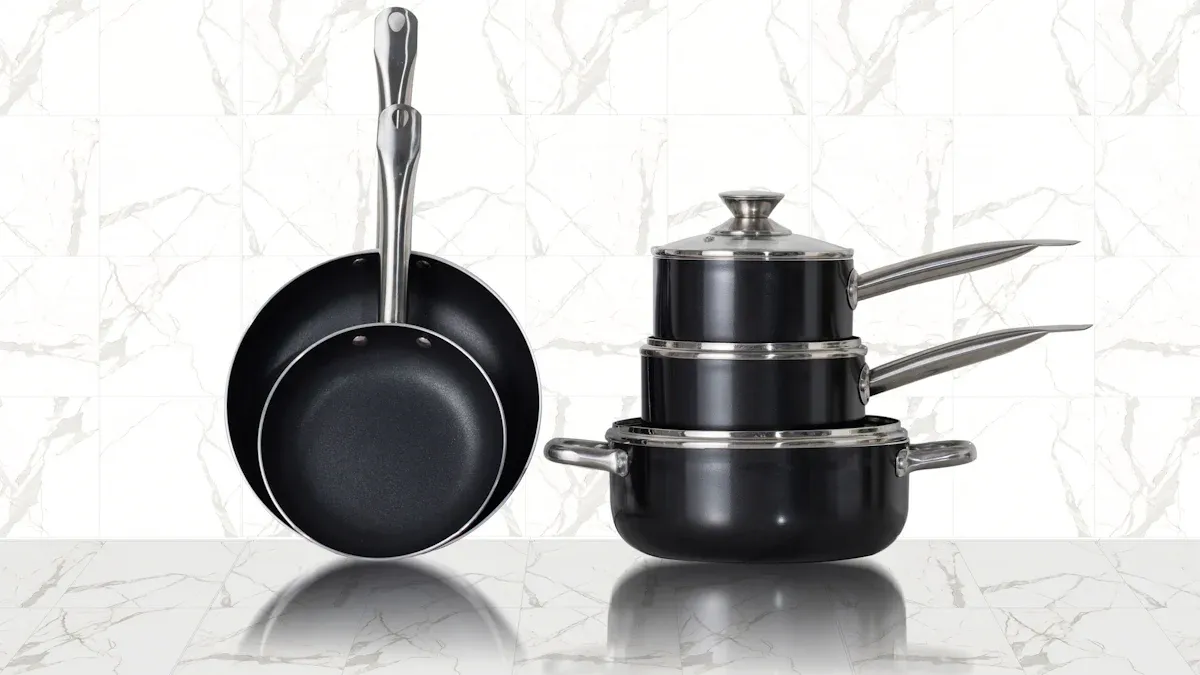
Efficient home cooking relies on selecting the right tools. Microwave cookware offers specific advantages for various culinary tasks. This section explores top microwave cookware types that enhance convenience and health in the kitchen.
Glass Food Storage Containers for Reheating and Cooking
Glass food storage containers are indispensable for modern home cooking. They offer unparalleled versatility, moving seamlessly from refrigerator to microwave to table. Users appreciate their non-reactive nature; glass does not absorb food odors or stains. This ensures pure food flavors and easy cleaning. The transparency of glass allows cooks to monitor food progress without opening the container. This feature helps prevent overcooking or undercooking. Many glass containers also come with airtight lids, making them ideal for meal prepping and storing leftovers. This dual functionality reduces the need for multiple dishes, simplifying kitchen routines. Glass containers provide a safe and reliable option for both reheating and cooking a wide array of dishes.
Silicone Steaming Baskets and Lids for Healthy Meals
Silicone steaming baskets and lids have revolutionized healthy microwave cooking. These flexible tools allow users to steam vegetables, fish, and other foods quickly and efficiently. Steaming preserves nutrients and flavors, resulting in healthier meals. Silicone’s non-stick properties make food release easy and cleanup simple. The material is also highly durable and resistant to extreme temperatures.
Silicone offers numerous benefits for health-conscious and environmentally aware cooks:
- Sustainable Material: Silicone provides an eco-friendly alternative to disposable plastics. Its durability and long-term usability reduce waste.
- Reduced Single-Use Plastic Consumption: Using silicone instead of single-use plastic wraps or containers significantly decreases plastic waste.
- Versatility and Reusability: Silicone products come in various shapes and sizes. Users can reuse them repeatedly, promoting a less disposable culture.
- Energy Efficiency: Silicone maximizes the energy efficiency of microwave ovens. It ensures even and rapid heating, potentially leading to energy savings.
- Long-Term Cost Savings: Despite a potentially higher initial cost, silicone’s durability and reusability result in savings over time. It eliminates the need for frequent replacements.
- Reduced Chemical Exposure: Choosing silicone over certain plastics can lower exposure to harmful chemicals like BPA and phthalates. This benefits both health and the environment.
- Recyclable Material: Many silicone items are recyclable. This contributes to sustainable waste management when they eventually need disposal.
- Reduced Food Waste: Microwave-safe silicone containers with good sealing capabilities help preserve food freshness. They reduce waste by allowing safe and convenient storage of leftovers.
These attributes make silicone steaming baskets an excellent choice for preparing nutritious meals with minimal effort.
Ceramic Bowls and Dishes for Everyday Use
Ceramic bowls and dishes combine functionality with aesthetic appeal for everyday microwave use. Their sturdy construction makes them durable for frequent heating and serving. Ceramic materials retain heat well, keeping food warm longer after microwaving. This feature is particularly useful for serving meals directly from the microwave. Many ceramic pieces feature attractive designs and glazes, enhancing the dining experience. Users can find ceramic bowls in various sizes, suitable for individual portions or family-sized dishes. When selecting ceramic cookware, always ensure the product explicitly states "microwave-safe." This guarantees the glazes and materials are free from harmful substances and will withstand microwave temperatures without damage. Ceramic dishes offer a reliable and stylish option for reheating, cooking, and serving.
Specialized Microwave Rice Cookers
Specialized microwave rice cookers offer a convenient method for preparing perfectly cooked rice. These devices simplify the process, making it accessible for busy home cooks. They ensure consistent results without the need for a stovetop.
Microwave rice cookers feature specific design elements that optimize rice cooking. An inner perforated steamer vents moisture. This allows rice to cook evenly through steaming. It prevents the rice from becoming gummy and helps it retain its shape. The naturally non-stick silicone material of the pot and lid prevents rice from sticking. This ensures easy serving and cleanup. Stay-cool handles enable safe handling and maneuvering of the hot rice cooker. The lid retains moisture and heat. This keeps the rice warm for serving. A pressure chamber plate collects any overflow during cooking. It drains the overflow back into the cooking pot base. This ensures efficient cooking and prevents mess. Lids often include easy lift tabs. These tabs facilitate safe and convenient handling of the hot rice cooker after microwave use.
Users can achieve optimal results by following recommended cooking times and water-to-rice ratios. Soaking the rice for 30 minutes before cooking is often recommended. The cooking process then involves 10 minutes in the microwave. A 10-minute resting period inside the microwave follows. This allows the rice to absorb steam.
| Rice Quantity | Water Quantity |
|---|---|
| 1/2 cup | 3/4 cup |
| 1 cup | 1 1/4 cups |
| 2 cups | 2 1/2 cups |
For microwave rice cookers, a recommended cooking time involves 10 minutes on high power. An additional 15 minutes on medium power follows. When adding liquid, users should follow the package directions for the specific rice type. They should then add an extra two tablespoons of water. This compensates for increased evaporation in the microwave.
Convenient Egg Poachers and Omelet Makers
Microwave egg poachers and omelet makers provide quick and easy solutions for breakfast preparation. These specialized tools allow users to cook eggs perfectly in minutes. They eliminate the need for traditional stovetop methods.
The design principles behind these microwave egg cookers ensure efficient cooking. The unique material and design rapidly convert microwave energy into heat. This ensures even cooking and significantly reduces cooking time. It can cut cooking time by nearly half. A modular and detachable design allows for versatility in cooking needs. It also facilitates easy cleaning and compact storage. Components like the egg cooker, grill pan, and lid can be mixed, matched, and detached. The design facilitates a simple cooking process. Residual heat continues to cook food even after microwave heating stops. This ensures perfect results with minimal effort. The cookware uses non-stick, heat-resistant, and eco-friendly material. It is often made from aluminum alloy with a PTFE coating. This ensures durability, food safety, and easy cleaning. It resists food residue and grease stains.
Efficient Pasta Cookers for Microwaves
Microwave pasta cookers offer a time-saving alternative to boiling pasta on the stovetop. These innovative devices allows users to cook pasta directly in the microwave. They eliminate the need for large pots and constant monitoring. Users simply add pasta and water to the cooker. They then place it in the microwave. The cooker’s design ensures proper water circulation and even cooking. This results in perfectly al dente pasta every time. Many models feature built-in strainers. This simplifies the draining process. Microwave pasta cookers are ideal for single servings or small family meals. They reduce cleanup and save energy. They provide a convenient solution for quick and easy pasta dishes.
Exploring the Microwave Pizza Pan
The microwave pizza pan represents a specialized solution for a common culinary challenge: achieving a crispy pizza crust in a microwave oven. Traditional microwave heating often results in a soggy pizza, disappointing many home cooks. This innovative cookware specifically addresses that issue. A microwave pizza pan transforms the microwave cooking experience, delivering a much-improved texture.
The primary feature contributing to a crispy crust in a microwave pizza pan is its advanced susceptor technology. This material absorbs microwave energy efficiently. It then converts this energy into direct, intense heat, much like a conventional frying pan. This process generates conductive heat, which crisps the food from the bottom up. It actively draws away moisture and browns the crust, thereby preventing sogginess. This technology is crucial for achieving a golden, crispy crust rather than a soft, unappetizing one.
Manufacturers often construct these pans from materials known for excellent heat conduction. Carbon steel is a common choice for its ability to conduct heat efficiently, aiding in effective heating and crisping. Some designs incorporate a copper thermal base. This base provides even faster and more efficient heat transfer, further enhancing the crispiness of the pizza. These material choices ensure the microwave pizza pan performs optimally.
Certain microwave pizza pans, such as the PIE-POD™ Double Decker, can heat to over 400°F. This high temperature is essential for creating a perfect golden crust. It significantly contributes to the overall crispiness and quality of the pizza. This capability elevates the microwave pizza pan beyond simple reheating tools. It allows users to achieve results comparable to conventional ovens.
Using a microwave pizza pan offers significant convenience. It allows for quick preparation of frozen pizzas or reheating of leftovers with superior results. This specialized cookware ensures that pizza emerges from the microwave with a satisfying crunch. It avoids the common pitfalls of microwave cooking. For anyone who enjoys pizza and uses a microwave frequently, a microwave pizza pan is a valuable addition to their kitchen arsenal.
Best Practices for Safe and Effective Microwave Cooking
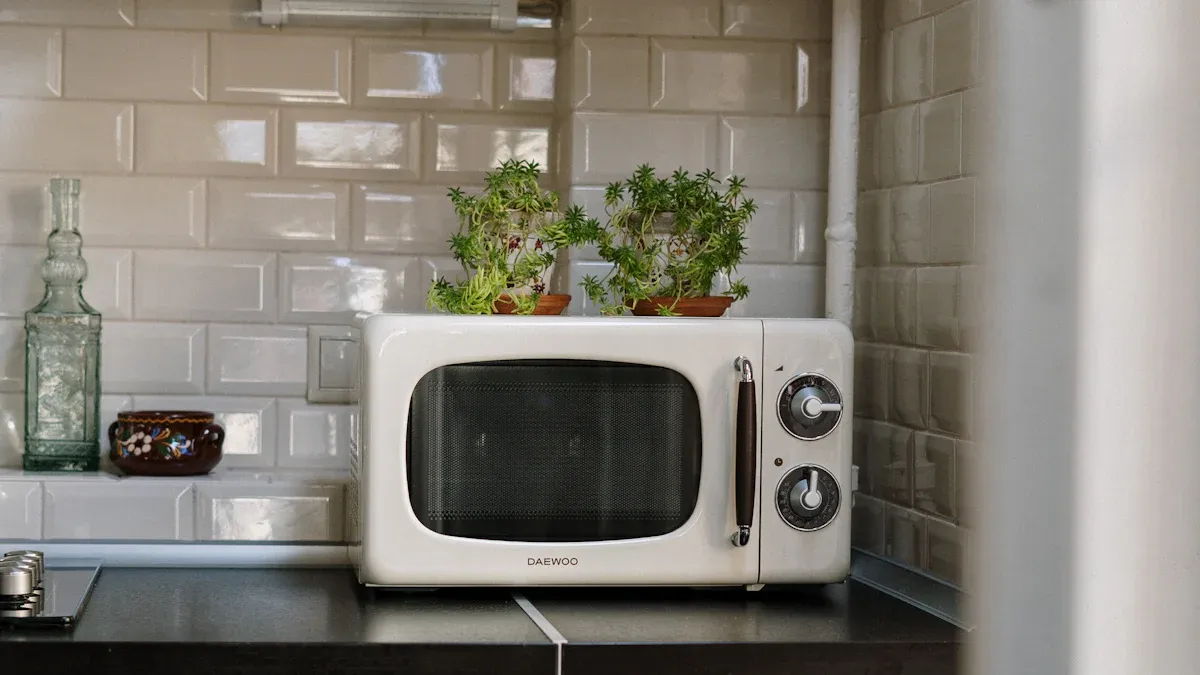
Effective microwave cooking extends beyond selecting appropriate cookware. Users must also adopt best practices to ensure food safety, optimal heating, and appliance longevity. These methods enhance the overall cooking experience.
Importance of Proper Venting and Covering
Proper venting and covering are crucial for safe and effective microwave cooking. Covering food helps retain moisture, preventing it from drying out during heating. It also minimizes splatters, keeping the microwave interior clean. However, users must ensure adequate venting. This allows steam to escape, preventing pressure buildup that could cause containers to burst or lids to pop off. Many microwave-safe containers feature built-in vents or loose-fitting lids for this purpose. Alternatively, users can slightly offset a lid or use microwave-safe plastic wrap with a corner folded back.
Stirring and Rotating Food for Uniform Heating
Achieving uniform heating is essential for food safety and quality. Stirring and rotating food during cooking are crucial for achieving uniform heating. This practice prevents cold spots where bacteria can grow. Many microwave ovens include a turntable or rotating platform. This turntable assists in the uniform heating of food by ensuring microwaves absorb evenly. It spins the food as it cooks, which helps to evenly distribute microwave energy and prevent hot and cold spots. Some microwaves also feature a fan-like device called a stirrer. This stirrer scatters microwaves, which helps to promote uniform heating throughout the food.
Safely Handling Hot Cookware
Microwave cookware can become extremely hot during the cooking process. Safely handling hot cookware prevents burns and accidents. Users should always use microwave-safe containers that allow steam to escape. This prevents steam burns when removing the cover. After cooking, let food rest before removing it. This allows heat to distribute evenly and reduces the risk of steam burns. Always keep dry potholders or oven mitts close by. Use them when handling hot items. Wet potholders can transfer heat quickly, increasing burn risk.
Investing in Quality Microwave Cookware for Your Home
Investing in quality microwave cookware significantly enhances the home cooking experience. It ensures safety, improves cooking results, and offers long-term value. Thoughtful selection of these kitchen tools benefits both culinary endeavors and household budgets.
Reputable Brands for Microwave Safety
Choosing cookware from reputable brands ensures product safety and reliability. These companies often adhere to stringent manufacturing standards and conduct thorough testing. Consumers often look to reputable brands like Anyday Microwave Cookware for their innovative designs and safety features. Cuisinart also offers specialized items, such as a highly-rated microwave popcorn popper, demonstrating brand commitment to specific microwave needs. Such brands prioritize materials that withstand microwave energy without leaching harmful chemicals.
Value for Money and Longevity
Quality microwave cookware represents a wise investment due to its durability and longevity. While initial costs may vary, these items often outperform cheaper alternatives, reducing the need for frequent replacements.
| Material Type | Price Range |
|---|---|
| Ceramic | $30 to $70 or more |
| Silicone | $15 to $40 |
For instance, ceramic options typically range from $30 to $70 or more, while silicone items usually cost between $15 and $40. These price points reflect the materials’ ability to withstand repeated use and maintain their integrity over time. Durable cookware resists warping, staining, and cracking, providing consistent performance for many years.
Eco-Friendly and Sustainable Cookware Options
Selecting eco-friendly and sustainable cookware options contributes to a healthier planet. Many manufacturers now offer products made from materials with reduced environmental impact.
| Material | Production Impact | Disposal Impact |
|---|---|---|
| Stainless Steel | Reduced need for new raw materials due to high recyclability; lower resource consumption. | 100% recyclable, contributing to a circular economy. |
| Eco-Friendly Microwave Covers (Glass, Silicone, Organic Cotton) | Sustainable materials, often recyclable or biodegradable. | Reusable, eliminating single-use plastic waste. |
| Upcycled and Recycled Cookware | Lower energy and resource consumption compared to new plastic production. | Reduces plastic waste in landfills by giving new life to discarded plastics. |
| General Eco-Friendly Cookware (Glass, Ceramic, Bamboo, Silicone, Stainless Steel, Upcycled) | Non-toxic, long-lasting, and often made from sustainable materials. | Reusable and recyclable, leading to less waste and lower environmental impact. |
Stainless steel, for example, boasts high recyclability, reducing the need for new raw materials and lowering resource consumption during production. Eco-friendly microwave covers made from glass, silicone, or organic cotton are reusable, eliminating single-use plastic waste. Upcycled and recycled cookware also reduces plastic waste in landfills by giving new life to discarded plastics. These choices support a circular economy and minimize environmental footprints.
Investing in quality microwave cookware is crucial for every home. It ensures safety, functionality, and durability in daily use. Consumers make informed choices for healthier, more efficient home cooking. Quality cookware significantly enhances the microwave’s utility. It transforms a simple appliance into a versatile, indispensable cooking tool. This leads to better culinary results and a more enjoyable kitchen experience.
FAQ
Can users place any plastic container in the microwave?
No, users should only microwave plastics explicitly labeled "microwave-safe." Plastics not designated as microwave-safe can melt, warp, or leach harmful chemicals like BPA into food when heated. Always check for the microwave-safe symbol, typically a microwave icon or wavy lines.
Why does metal spark in the microwave?
Metal objects, including aluminum foil and dishes with metallic trim, reflect microwaves. This reflection causes arcing, which creates sparks. Arcing can damage the microwave oven or even start a fire. Therefore, users must never place any metal in the microwave.
Is silicone cookware safe for microwave use?
Yes, food-grade silicone cookware is safe for microwaves. It is highly heat-resistant and chemically inert, meaning it does not react with food or leach harmful substances. Silicone maintains its stability and integrity even under high temperatures, making it a reliable choice for microwave cooking.
How can one determine if a ceramic dish is microwave-safe?
Users should look for a "microwave-safe" label on the ceramic dish. This label indicates that the glazes and materials are free from harmful substances and will withstand microwave temperatures without damage. Ceramics with metallic glazes or accents are generally not microwave-safe.
What is thermal shock in glass cookware?
Thermal shock occurs when glass experiences rapid or uneven temperature changes. This can cause the glass to crack or shatter. Borosilicate glass, with its low coefficient of thermal expansion, resists thermal shock better than regular glass, making it a safer option for microwave use.


