
Over 90 percent of American homes use a microwave oven, according to the USDA Food Safety and Inspection Service. This widespread adoption makes a solid microwave cookware buying guide essential. When buying microwave cookware, prioritize materials labeled ‘microwave-safe’. These include glass, ceramic, or specific plastics. Ensure they contain no metallic elements. They must also withstand high temperatures without leaching chemicals. Understanding how to choose a microwave grill pan is important for specific cooking needs. Consider these microwave cookware buying tips for safety and efficiency. For instance, knowing How to Choose the Right Microwave Grill Pan for Home Cooking enhances meal preparation. A quality microwave grill cooker offers versatile cooking options, perhaps even a specialized microwave grill pan.
Key Takeaways
- Always check for a "microwave-safe" label on cookware. This label means the product has been tested for safe microwave use.
- Choose cookware made from glass, ceramic, or food-grade silicone. These materials are safe and do not release harmful chemicals into your food.
- Avoid using metal, metallic-decorated dishes, or certain plastics in the microwave. These can cause sparks or release harmful substances.
- Look for cookware with good ventilation, ergonomic handles, and secure lids. These features make cooking safer and easier.
- Invest in durable, easy-to-clean cookware that resists stains and odors. This ensures your cookware lasts longer and stays fresh.
Material Matters for Microwave Cookware
Choosing the correct material for microwave cookware directly impacts both cooking efficiency and user safety. Different materials offer unique advantages, and understanding these differences helps consumers make informed decisions.
Glass Cookware Benefits
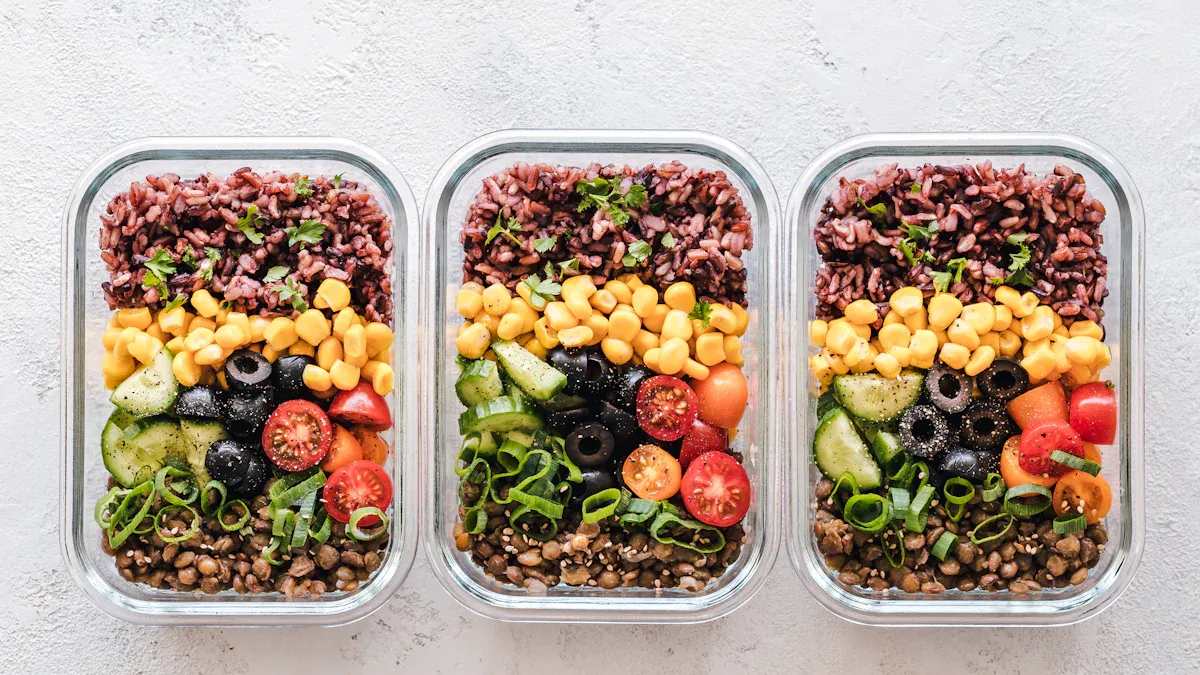
Heat-resistant glass stands out as a premier choice for microwave cooking. This material allows microwaves to pass through without absorption, which ensures food heats evenly. Microwave-safe glass containers do not release harmful substances into food. However, consumers must avoid glass items with metallic patterns, as these can cause sparking in the microwave.
Borosilicate glass, a specific type of heat-resistant glass, offers exceptional properties. It features a low coefficient of thermal expansion, which gives it strong resistance to thermal shock. This characteristic allows borosilicate glass to endure rapid temperature changes without fracturing. This property makes it a preferred material for applications requiring high thermal stability, including microwave use. While highly resistant to thermal stress compared to conventional soda-lime glass, it is not entirely immune to breakage under extreme force or very abrupt temperature shifts.
Borosilicate 3.3 glass demonstrates exceptional thermal shock resistance. Its low linear expansion coefficient of 3.3 ± 0.1 × 10^-6 / K is approximately 0.4 times that of ordinary glass. This ensures superior stability and prevents cracking or breaking even at high temperatures. It can withstand long-term working temperatures up to 450°C and maintains excellent stability under such conditions, making it suitable for microwave oven panels. DURAN® borosilicate glass also exhibits excellent thermal shock resistance. It handles temperature changes from hot to cold up to 100K. Its thermal shock resistance is more than three times that of ordinary glass. The linear expansion coefficient for DURAN® glass (20/300°C) is 3.3 × 10^-6/K. It endures maximum operating temperatures of 500°C and works well in microwaves, as well as extreme sub-zero temperatures down to approximately -192°C, provided the temperature difference does not exceed 100K.
Ceramic Cookware Advantages
Ceramic cookware also proves widely suitable for microwave use. It offers thermal stability and heats food uniformly without releasing harmful substances. Consumers must ensure ceramic items do not have metal decorations or components to prevent sparking. Microwave-safe ceramic dishes should tolerate temperatures ranging from -30°C to 150°C.
High-fired ceramics, such as porcelain, are generally microwave-safe. They resist temperature changes effectively. Low-fired ceramics, especially those with ornamentation, may be unsafe for microwave use. They risk cracking or chipping from rapid temperature alterations. For example, Xtrema ceramic cookware is safe for use in the microwave, demonstrating the reliability of certain ceramic products.
Safe Plastic Cookware Types
Many consumers question the safety of plastic in microwaves. Regulatory bodies, such as the U.S. Food and Drug Administration (FDA), do not certify specific types of plastic by their chemical names as microwave-safe. Instead, all plastic food packaging materials must meet stringent FDA safety standards. Products are deemed microwave-safe if they are explicitly labeled as such. This label appears either with the words ‘Microwave Safe’ or an imprinted microwave symbol. This includes expanded polystyrene products that carry a microwave-safe label, indicating they have been tested for safe microwave use. Always look for these specific labels to ensure the plastic cookware is safe for microwave use.
Silicone Cookware Versatility
Silicone cookware offers a versatile and safe option for microwave use. This synthetic polymer consists of silicon, oxygen, hydrogen, and carbon atoms. This composition results in a material that is flexible, heat-resistant, and non-toxic. Silicone exhibits exceptional heat resistance. It remains stable and maintains its integrity at extreme heat levels common in microwaves. This differs from some plastics that may melt or release harmful chemicals.
Food-grade silicone is non-toxic and safe for food contact. It does not leach harmful substances into food during microwave cooking. This material is non-reactive with acidic or alkaline foods. This allows for the safe microwaving of a wide range of dishes. Chemical reactions do not affect the food or the silicone itself. Food-grade silicone is non-reactive, meaning it will not impart any odors, tastes, or chemicals to your food. It is considered safe for cooking, being non-toxic, BPA-free, and does not react with food, even under high heat.
Materials to Avoid in the Microwave
Certain materials pose significant risks when placed in a microwave oven. Consumers must avoid these materials to ensure safety and prevent damage to the appliance.
- Metals: Never place metal or cookware with metallic accents in the microwave. Metal reflects microwaves, causing sparks and potentially damaging the microwave oven. This can also lead to fires. This includes aluminum foil, stainless steel containers, and dishes with gold or silver trim.
- Certain Plastics: Not all plastics are safe for microwave use. Even plastics labeled ‘microwave safe’ only indicate that the plastic will not melt. This label does not guarantee freedom from chemical leaching. Microwaving certain plastics can release microplastics, nanoparticles, and dangerous chemicals like BPA and phthalates into food. A risk assessment has indicated potential health risks associated with the release of silver and microplastics from antibacterial food containers when subjected to microwave heat. Black plastic containers are particularly hazardous. Manufacturers often make them from improperly recycled electronics. These containers can contain flame retardants that interfere with hormones. This potentially harms sexual function, fertility, brain development, and increases cancer risk. It is recommended to use glass or ceramic containers for microwaving. Avoid plastic wrap contact with food during heating.
- Paper Bags and Newspapers: These materials can catch fire in the microwave due to high heat.
- Styrofoam (unless labeled microwave-safe): Many Styrofoam containers can melt or warp, potentially leaching chemicals into food. Always check for a ‘microwave-safe’ label.
- Old or Damaged Containers: Cracked, chipped, or old plastic containers may degrade further in the microwave. This increases the risk of chemical leaching.
Prioritizing Safety in Microwave Cookware
Consumers must prioritize safety when selecting microwave cookware. The right choices protect health and ensure the longevity of kitchen items. Understanding labels, material composition, and heat resistance is crucial.
Understanding Microwave-Safe Labels
A "microwave-safe" label indicates a product has undergone testing for microwave use. This label assures consumers the material will not melt, warp, or leach harmful chemicals into food during heating. Manufacturers apply these labels after rigorous evaluation.
EN 15284 is the standard typically employed to assess food contact materials for microwave heating suitability. This standard applies to ceramic, glass, glass-ceramic, or plastic cookware. Testing involves heating the article at 650 W for a brief period. To qualify as microwave-safe, kitchenware must not exhibit visual damage. Its surface temperatures must also not exceed 56 to 60 °C, depending on the material. Consumers should always look for this specific labeling or symbol on cookware. It confirms the product meets established safety criteria for microwave ovens.
The Importance of BPA-Free and Non-Toxic Materials
Beyond general microwave safety, the chemical composition of cookware materials holds significant importance. Consumers should seek out BPA-free and non-toxic options. BPA (Bisphenol A) and phthalates are endocrine-disrupting chemicals (EDCs). They can migrate from plastic cookware and food packaging into food and beverages. Widespread exposure to these chemicals affects a significant portion of the population.
The health consequences encompass adverse effects on reproductive, endocrine, metabolic, and neuro-developmental systems. Specific concerns include links to low birth weights, preterm births, and impaired fertility. They also include increased maternal breast cancer risk and issues with brain development in young children. Elevated risks of obesity, metabolic disorders such as diabetes, and neurodevelopmental problems are also concerns. Pregnant individuals and children are particularly susceptible to these effects. The Endocrine Society suggests there may be no safe exposure level for EDCs. Even minimal doses can alter biological outcomes. Factors like heating, prolonged heating, extended use of plastic containers, and high-fat foods can exacerbate the migration of these chemicals. Choosing materials free from these harmful substances protects health.
Ensuring High Heat Resistance
Microwave ovens generate intense heat. Cookware must withstand these high temperatures without degradation. High heat resistance prevents materials from melting, warping, or cracking. Materials like borosilicate glass and high-fired ceramics naturally possess excellent heat resistance. They maintain their structural integrity even with repeated microwave use. Poor heat resistance can lead to cookware damage. It can also cause the release of chemicals into food. This compromises both food safety and the lifespan of the cookware. Always select products designed to endure the thermal stress of microwave cooking. This ensures safe and effective food preparation.
Preventing Chemical Leaching
Preventing chemical leaching is a critical aspect of microwave cookware safety. Chemical leaching occurs when substances from the cookware transfer into the food during the heating process. This phenomenon poses potential health risks, making material selection paramount for consumers.
Heating materials, especially plastics, can significantly increase the likelihood of chemical release. Microwaving food in plastic containers raises considerable health concerns. Plastics, even those manufacturers label as ‘microwave-safe,’ can release microplastics, bisphenol A (BPA), and phthalates when heated. A 2023 Nature study found that microwaving plastics substantially increases chemical leaching. These released compounds can disrupt hormones. They are linked to endocrine disruption, fertility issues, and immune system effects. These effects potentially raise risks for cancer and other illnesses. Experts like the American Academy of Pediatrics and Professor Rolf Halden from Arizona State University have warned about these risks.
To minimize the risk of chemical leaching, consumers should prioritize cookware made from inherently stable and non-reactive materials. Glass and ceramic cookware, particularly those without metallic decorations, offer excellent alternatives. These materials do not contain the same chemical compounds found in plastics that can migrate into food. When using plastics, always ensure they carry explicit ‘microwave-safe’ labels. However, even with such labels, consider transferring food to glass or ceramic containers for heating, especially for fatty foods or prolonged microwaving. This proactive approach helps safeguard health by reducing exposure to potentially harmful chemicals.
Design and Functionality for Optimal Use
Effective microwave cookware combines safety with practical design. Thoughtful features enhance the cooking experience. They also ensure optimal results.
Essential Ventilation Features
Proper ventilation in microwave cookware is crucial for both cooking efficiency and food safety. Cookware designs often include vents or require users to loosen lids. This process allows steam to escape. Escaping steam creates moist heat. Moist heat effectively destroys harmful bacteria. It also ensures uniform cooking throughout the food. Without proper ventilation, pressure can build. This leads to potential spills or unevenly cooked meals. Always check for built-in vents or instructions to partially cover the dish.
Ergonomic Handles and Secure Lids
Ergonomic handles provide a secure and comfortable grip. This feature is vital when removing hot food from the microwave. Well-designed handles minimize the risk of accidental burns or spills. Secure lids serve multiple purposes. They contain food during cooking, preventing splatters inside the microwave. Lids also help retain moisture, keeping food from drying out. Some lids offer a tight seal for storage. Others feature a looser fit for venting during heating.
Choosing the Right Size and Capacity
Selecting the correct size and capacity for microwave cookware is important. Consumers should choose items that fit comfortably inside their microwave oven. Measure the internal dimensions of the microwave before purchasing larger pieces. Consider the typical meal sizes prepared. Individual portions require smaller containers. Family meals need larger dishes. Using appropriately sized cookware prevents overcrowding. It also ensures efficient and even heating of food.
Versatility and Multi-Purpose Cookware
Versatile microwave cookware offers significant utility in any kitchen. These items perform multiple cooking tasks, reducing the need for numerous specialized gadgets. For example, Anyday cookware provides exceptional versatility. It combines a glass base, oven-safe up to 500°F, with a microwave-safe lid. This lid features a venting knob for even cooking.
This type of cookware effortlessly transforms into a steamer. Users can prepare quick and healthy vegetable dishes, such as perfectly steamed broccoli, in just 1-2 minutes. It also allows for cooking pasta directly in the microwave. This eliminates the need to boil water and simplifies the process for dishes like creamy, tomato-rich spaghetti. Furthermore, the cookware facilitates making scrambled eggs. It produces desirable curds and a fluffy texture through short microwave bursts and whisking. Anyday offers a plastic-free alternative for microwave cooking, addressing safety concerns associated with plastic materials.
Stackability for Easy Storage
Stackability is a key feature for efficient kitchen organization. Cookware that stacks neatly saves valuable cabinet space. This is particularly beneficial in smaller kitchens or for individuals with limited storage. Stackable and durable microwave dinner plates are perfect for small cabinets. They fit together compactly, maximizing vertical space.
Many microwave sets are designed to stack, saving a significant amount of cabinet space. Some stacking sets even come with a caddy. This caddy keeps everything neat and tidy, preventing items from toppling over. A good set of stackable, microwavable plates and containers is essential for a microwave-only setup. These designs ensure that users can easily access their cookware while maintaining an organized kitchen environment.
Durability and Care for Longevity
Microwave cookware represents an investment. Consumers expect these items to withstand frequent use. Proper selection and care ensure their longevity.
Assessing Longevity and Wear
High-quality microwave cookware endures daily demands. Manufacturers design durable materials to resist warping, cracking, and staining. Consumers should inspect cookware for signs of wear. Look for discoloration, scratches, or chips. These indicate material degradation. Such damage can compromise safety and performance. Investing in reputable brands often guarantees better material quality and a longer lifespan. Ningbo Junsheng, for example, crafts quality products with durability in mind.
Simple Cleaning and Maintenance
Maintaining microwave cookware extends its life. Most microwave-safe items clean easily. Glass and ceramic pieces often go into a dishwasher. Silicone cookware also tolerates dishwasher cleaning. For plastics, hand washing with mild soap and warm water is often best. Avoid abrasive scrubbers. They can scratch surfaces and create areas for bacteria to harbor. Always follow manufacturer cleaning instructions. This prevents damage and preserves the material’s integrity.
Resistance to Stains and Odors
Certain materials excel at resisting food stains and odors. This feature keeps cookware looking new and prevents flavor transfer.
- Borosilicate glass offers exceptional resistance. Its non-porous nature prevents food particles from clinging. This material resists scorching, scratches, and burns. A smooth-sided interior means food has little to cling to, aiding cleanliness.
- Silicone also resists stains and odors effectively. Its non-porous surface prevents absorption. Silicone’s non-stick properties make cleaning easy. Food particles and grease do not build up.
- Glass-ceramic material provides excellent resistance. This revolutionary material has a non-porous surface. It prevents the absorption of flavors or chemicals. Food remains free from absorbed odors and stains.
Choosing these materials ensures cookware stays fresh and clean over time.
Exploring Specialized Microwave Cookers
Specialized microwave cookware extends the capabilities of a standard microwave oven. These innovative tools allow users to achieve diverse cooking results, moving beyond simple reheating.
What is a Microwave Grill Cooker
A microwave grill cooker is a unique piece of cookware designed to replicate grilling and browning effects within a microwave oven. It typically features a base and a lid made from microwave-safe materials, often incorporating a special non-stick coating or a metal plate that absorbs microwave energy and converts it into direct heat. This direct heat sears the food, creating grill marks and a crispy texture. The design of a microwave grill cooker allows microwaves to cook the interior of the food while the heated plates brown the exterior.
Benefits of a Microwave Grill Cooker
The primary benefit of a microwave grill cooker lies in its ability to produce grilled or seared food quickly and conveniently. Users can achieve crispy bacon, browned sandwiches, or even grilled vegetables without needing a conventional grill or stovetop pan. This specialized microwave grill cooker offers a healthier cooking method by often requiring less oil. It also minimizes cleanup compared to traditional grilling. The microwave grill cooker provides a versatile option for busy individuals seeking quick, flavorful meals with a desirable texture.
Other Specialized Microwave Cookware
Beyond the microwave grill cooker, the market offers a wide array of specialized microwave cookware designed for specific culinary tasks. Consumers can find items like the Microwave Folding Bowl for steaming and baking, or various Microwave Frying Pans, including round, square, and those with glass lids. Other innovations include the Microwave Oven Egg Steamer, the Smoke-Removing and Odor-Eliminating Pot Lid, and specialized pans for Microwave Pizza, Microwave Sandwiches, and Microwave Waffles. For individual portions, options like Egg Poacher Molds, Mini Loaf Pans, Decorative Silicone Molds, and Mug Cake Molds provide convenience.
Innovative materials enhance these products. Heat-resistant silicone with non-stick properties, temperature-sensitive color-changing silicone for visual cues, eco-friendly biodegradable plastics, and advanced glass-ceramic composites improve performance and safety. Design innovations also play a crucial role. Features like GreatGrip™ handles ensure secure holding, stackable designs save space, and full-coverage designs concentrate heat for even cooking. Collapsible designs offer easy storage. Specialized microwave cookware also targets niche markets, such as single-serving microwave baking pans for portion control and molds for individual quiches or mini casseroles.
Value and Smart Investment
Consumers make a smart investment when they choose microwave cookware carefully. This involves considering both initial cost and long-term benefits. Thoughtful purchasing decisions enhance kitchen efficiency and ensure lasting utility.
Balancing Price and Quality
Balancing price and quality is essential when buying microwave cookware. The cheapest option often sacrifices durability and performance. Higher-quality items typically feature superior materials and construction. These products withstand frequent use and last longer. Investing a bit more upfront can prevent the need for frequent replacements. This approach saves money over time. Consumers should look for cookware offering the best value, not just the lowest price.
Manufacturer’s Reputation and Warranty
A manufacturer’s reputation significantly impacts product reliability. Reputable companies prioritize quality assurance. They adhere to strict material standards and certifications. This includes regulations for plastics and coatings. They also implement rigorous supplier testing protocols for durability, heat resistance, and chemical leaching. Many conduct third-party verification. These manufacturers invest in professional R&D teams and state-of-the-art machinery. This commitment ensures innovative and high-quality products. They also maintain reliable supply chains, ensuring on-time delivery and responsive communication. A strong warranty further demonstrates a manufacturer’s confidence in their products. It provides consumers with peace of mind. Ningbo Junsheng, for example, focuses on quality first and innovation.
Deciding Between Sets and Individual Pieces
Consumers face a choice between buying cookware sets or individual pieces. Sets often offer better value and a coordinated look. They provide a range of sizes for various cooking needs. This option suits new kitchens or those needing a complete overhaul. Individual pieces allow for specific selections. Consumers can choose items perfectly matching their unique requirements. This approach works well for replacing a single worn item or adding a specialized piece. Consider your cooking habits and available storage space when making this decision.
Selecting the right microwave cookware involves balancing material safety, practical design, and long-term durability. Consumers must always verify ‘microwave-safe’ labels. They should prioritize non-toxic materials such as glass or specific plastics. Evaluate individual cooking needs and available storage space to identify pieces offering optimal functionality and value. This approach ensures safe and efficient meal preparation.
FAQ
❓ How do I know if my existing cookware is microwave-safe?
Look for a "microwave-safe" label or symbol on the item. This often appears as a microwave icon or specific text. Avoid items with metal, metallic trim, or unknown plastic types. Glass and ceramic without metal decorations are generally safe.
⚠️ Is it truly safe to use plastic in the microwave?
Only use plastics explicitly labeled "microwave-safe." Even then, consider transferring food to glass or ceramic. Heating plastics can release microplastics and chemicals like BPA and phthalates. These substances can pose health risks.
🍽️ What are the best materials for microwave cookware?
Glass, especially borosilicate glass, offers excellent safety and heat resistance. High-fired ceramics without metallic accents are also good choices. Food-grade silicone provides flexibility and non-toxic properties. These materials prevent chemical leaching and ensure even heating.
🧼 How should I clean microwave cookware?
Most microwave-safe glass, ceramic, and silicone items are dishwasher-safe. For plastics, hand wash with mild soap and warm water. Avoid abrasive scrubbers. Always follow the manufacturer’s specific cleaning instructions to maintain product integrity.


