

Silicone microwave cookware is a popular choice for modern kitchens. This material offers excellent heat resistance, safely handling high microwave temperatures without melting or releasing harmful chemicals. It is non-toxic and non-reactive, ensuring food integrity. Many consider silicone among the best microwave gadgets for quick meals due to its efficiency and easy cleaning. Its flexible, durable nature makes it great microwave safe cookware. Its versatility extends beyond the microwave, even serving as a baking pan for oven dishes. A Microwave Grill Pan made from silicone offers convenience. Are microwave grill pans safe to use? Yes, they are.
Key Takeaways
- Silicone microwave cookware is durable and flexible. It can handle both high and low temperatures.
- Food-grade silicone is safe. It does not have harmful chemicals like BPA.
- Silicone cookware is easy to clean. It also saves space because it is flexible.
- Silicone can absorb food odors and get stains. It also stays hot after microwaving.
- Always choose high-quality, certified silicone. This ensures safety and good performance.
Advantages of Silicone Microwave Cookware

Durability and Flexibility Benefits
Silicone microwave cookware brings significant advantages to any kitchen, starting with its impressive durability and flexibility. This material stands up well to daily use. It resists cracking, chipping, and breaking, which often happens with other types of cookware. You can bend and fold silicone items without worrying about damage. This flexibility makes them easy to handle and store.
Silicone also boasts excellent heat resistance. Food-grade silicone can safely handle a wide range of temperatures. It performs well from -40°C up to 230°C for long-term use. It can even withstand quick bursts of heat up to 350°C. This means you can confidently move your silicone dishes from the freezer to the microwave without concern. Kean silicone products, for example, are specifically designed to endure temperatures up to 220°C. They will not deform or warp during microwave heating.
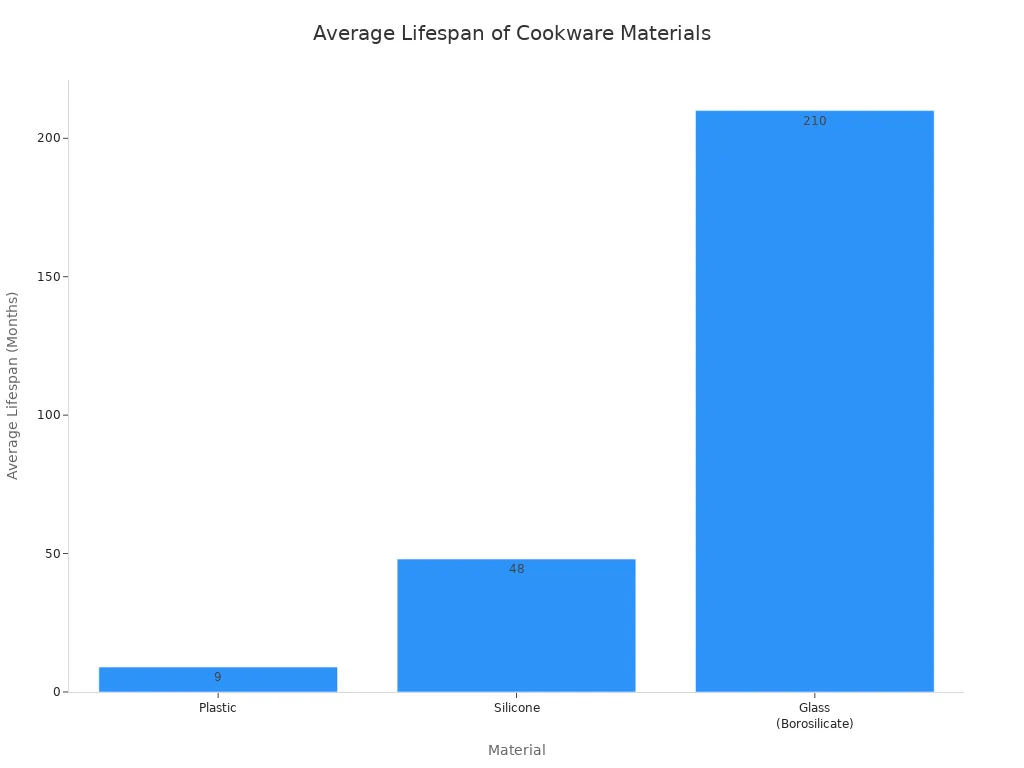
When you compare silicone to other common materials, its lifespan is quite good. While plastic containers often show visible degradation within 6 to 12 months, silicone generally lasts between 3 to 5 years. Glass, especially borosilicate glass, offers the longest lifespan at 15 to 20 years. However, silicone provides a great balance of durability and practicality for microwave use.
Safety and Non-Toxicity for Food
One of the biggest benefits of silicone microwave cookware is its safety for food. Manufacturers make food-grade silicone from silica, a natural element. This material is non-toxic and does not contain harmful chemicals like BPA, lead, latex, or phthalates. This means silicone will not leach unwanted substances into your food, even when heated.
Several certifications confirm the safety of food-grade silicone. The FDA (Food & Drug Administration) sets global standards for food safety. Materials that are FDA compliant meet recognized standards that protect public health. NSF certification also confirms that food-grade silicone is tough, weather-resistant, and safe for kitchen use. Specifically, NSF-51 guarantees products are free of harmful chemicals through strict third-party testing.
Here are some key reasons why food-grade silicone is a safe choice:
- It is non-toxic and safe for use in the oven, microwave, or dishwasher.
- It can withstand both high and low temperatures without changing its structure.
- It resists chemicals and does not react with foodstuffs, preventing hazardous byproducts.
- It offers a healthier, more inert alternative to plastic for food and beverage applications.
Ease of Cleaning and Storage Solutions
Silicone microwave cookware makes kitchen cleanup much simpler. Its non-stick surface means food rarely sticks, making it incredibly easy to wash. You can often rinse off food residue with just warm water and a little soap. Many silicone items are also dishwasher safe, which saves even more time and effort. This non-stick quality also means you need less oil or butter when cooking, contributing to healthier meals.
Beyond easy cleaning, silicone offers excellent storage solutions. Its flexible nature allows you to fold, roll, or collapse many silicone containers. This saves valuable space in your kitchen cabinets and drawers. Unlike rigid glass or plastic containers, silicone can fit into tight spots. This makes it ideal for smaller kitchens or anyone looking to keep their kitchen organized and clutter-free. Its lightweight design also makes it easy to carry and transport, whether you are taking leftovers to work or packing for a picnic.
Even Heating for Better Cooking
Silicone microwave cookware excels at providing even heating, which leads to better cooking results. Unlike some other materials, silicone distributes heat more uniformly throughout your food. This means you avoid those frustrating hot spots and cold centers often found in microwave meals. When you cook with silicone, the microwave energy passes through the material efficiently. It heats the food directly and consistently.
This even heat distribution helps your food cook thoroughly. You get a more consistent texture and flavor in every bite. For example, a silicone steamer basket ensures vegetables cook evenly without becoming mushy in some areas and crunchy in others. This thermal property makes silicone an excellent choice for reheating leftovers or cooking fresh meals. It helps achieve optimal cooking performance every time.
Versatility Beyond Microwave Use
Silicone cookware offers incredible versatility, extending its usefulness far beyond just the microwave. Many people appreciate its ability to transition seamlessly between different kitchen appliances.
Consider these diverse applications:
- Oven Baking: You can use many silicone dishes, like baking pans and muffin molds, directly in a conventional oven. They withstand high temperatures, making them perfect for baking cakes, bread, or casseroles.
- Freezer Storage: Silicone containers are freezer-safe. They protect your food from freezer burn and maintain its quality. Their flexibility also makes it easy to pop out frozen portions.
- Food Preparation: People use silicone mats for kneading dough or rolling out pastries. Silicone spatulas and whisks are gentle on non-stick surfaces.
- Serving and Storage: Its attractive designs mean you can often take silicone dishes straight from the microwave or oven to the table. Then, you can cover them and store leftovers in the fridge.
- Steaming and Roasting: Beyond microwave steaming, some silicone products work well for steaming vegetables on the stovetop or roasting smaller items in the oven.
This multi-functional nature means you get more value from each piece of silicone cookware. It reduces the need for multiple specialized items, simplifying your kitchen and saving space.
Tip: Always check the manufacturer’s instructions for specific temperature limits and recommended uses for your silicone cookware. This ensures safe and effective use across all appliances.
Disadvantages of Silicone Microwave Cookware
While silicone microwave cookware offers many benefits, it also comes with some drawbacks. Understanding these helps you make the best choices for your kitchen.
Potential for Odor Absorption Issues
Silicone, despite its many advantages, can sometimes absorb odors from strong-smelling foods. Imagine cooking a dish with garlic, onions, or certain spices. The silicone material, over time, might pick up these smells. This means your silicone container could carry the scent of last night’s curry even after washing. This can be frustrating, especially if you want to use the same container for something with a milder flavor, like a dessert. Some users find these lingering smells difficult to remove completely, even with thorough cleaning.
Staining and Discoloration Concerns
You might also notice that silicone cookware can stain or discolor over time. This often happens with certain types of food. Strongly colored foods, such as tomato-based sauces, are likely culprits. They can cause slight discoloration in your silicone microwave cookware. Think about a bright red pasta sauce or a vibrant yellow curry. These foods contain strong pigments. After prolonged use, the silicone can absorb these colors, leading to noticeable staining. This does not usually affect the performance of the cookware, but it can make your items look less appealing.
Heat Retention and Handling Challenges
Silicone handles heat well, but this also presents a challenge. Silicone items get very hot in the microwave. They retain this heat for a while after you remove them. This means you need to use oven mitts or pot holders when taking silicone dishes out of the microwave. Otherwise, you risk burning your hands.
Furthermore, hot silicone can be quite flexible. A large, hot silicone dish full of food might bend or wobble when you try to carry it. This makes handling tricky. You need to be careful to avoid spills or accidents. Always use a sturdy tray or a firm grip with both hands when moving hot silicone cookware. This helps ensure safety in your kitchen.
Quality Variation and Material Risks
Not all silicone cookware is created equal. You might find a big difference in quality between various silicone products on the market. Some manufacturers use cheaper materials or add fillers to their silicone. This can affect how well the cookware performs and even its safety.
Low-quality silicone often contains fillers and binders. These additions can cause your cookware to absorb odors more easily and perform poorly when heated. How can you tell the difference? Here are some common signs of low-quality silicone to watch out for:
- The Twist Test: Try twisting the silicone. If you see many white streaks where you twisted it, that suggests a lot of fillers. This kind of silicone might not be the best choice for cooking.
- Uneven Color and Wobbliness: Cheap silicone often looks a bit wobbly and has an inconsistent color. High-quality silicone usually has a smooth, uniform appearance.
- Poor Flexibility: Premium silicone bends easily and then springs right back to its original shape. Lower-quality products feel stiffer and less flexible.
- The Pinch Test: Pinch the silicone firmly. If the color turns white where you pinched it, that is another sign of fillers. Good quality silicone holds its color.
- Lack of Durability: Low-quality silicone tends to scratch easily, loses its shape quickly, and wears out much faster than its high-quality counterparts.
Choosing food-grade silicone from a reputable brand helps ensure you get a safe and durable product.
Cost Compared to Alternative Materials
When you think about buying new microwave cookware, cost often plays a role. Silicone cookware generally offers a more budget-friendly option compared to some other popular materials like glass or ceramic. This can be a big plus for many home cooks.
Let’s look at how the prices compare:
| Material | Price Range |
|---|---|
| Ceramic | $30 to $70 or more |
| Silicone | $15 to $40 |
You can see a clear difference. For example, if you compare microwave grill pans, ceramic options typically cost more. A ceramic microwave grill pan might average around $50. A similar silicone microwave grill pan, however, usually averages about $27.50. This means you could save about $22.50 by choosing silicone over ceramic for that specific item. Silicone offers a great balance of features and affordability, making it an attractive choice for many kitchens.
Is Silicone Microwave Cookware a Safe Choice?
Many people wonder if silicone microwave cookware is truly safe for their food. Understanding the standards and potential concerns helps you make informed decisions for your kitchen.
Understanding Food-Grade Silicone Standards
Manufacturers create food-grade silicone specifically for contact with food. This material must meet strict international standards to ensure its safety. These standards confirm that the silicone will not harm your health.
Here are some key standards:
- FDA 21 CFR 177.2600: This U.S. Food and Drug Administration regulation ensures elastomers used in food-contact applications are safe, durable, and non-toxic. It sets limits for substance migration.
- LFGB (Germany): This standard is highly demanding globally. LFGB-certified products undergo rigorous migration and safety tests.
- EU Regulation 1935/2004: This European framework requires silicone to demonstrate it does not transfer dangerous components to human health.
- NSF/ANSI 51: This certification applies to equipment and components in commercial food settings. It restricts harmful substance contributions and often complements FDA standards.
These certifications mean that when you choose certified silicone, you select a reliable and safe product for your kitchen.
Addressing Chemical Leaching Concerns
People often worry about chemicals leaching from cookware into their food. For silicone, the main concern involves siloxanes. A study found siloxanes in an alcohol solution after 72 hours when testing silicone nipples and bakeware. However, the study did not detect siloxanes in milk or formula within six hours. Another study showed that siloxane release from silicone bakeware increased with higher food fat content.
Some research indicates that common siloxanes can have critical effects, like impaired fertility, in animal studies. The European Union even considers certain siloxanes to be endocrine disruptors. Health Canada states that silicone cookware has no known health hazards. It does not react with food or produce hazardous fumes. However, Scientific American noted a gap in research. The FDA deemed silicon dioxides safe in 1979, but no follow-up studies assessed leaching from silicone cookware, which appeared later. This highlights a need for more long-term safety research.
BPA-Free and Other Health Aspects
One major health benefit of silicone microwave safe cookware is its BPA-free nature. BPA, or Bisphenol A, is a chemical often found in plastics. It can leach into food and has raised health concerns. Food-grade silicone does not contain BPA, making it a safer alternative to many plastic containers.
Beyond being BPA-free, silicone is also free from other harmful chemicals. It does not contain lead, latex, or phthalates. This makes it a non-toxic choice for cooking and food storage. Its inert nature means it does not react with food, even at high temperatures. This prevents the creation of hazardous byproducts. Choosing high-quality, certified food-grade silicone helps ensure you use a healthy option in your kitchen.
Comparing Silicone to Other Microwave Safe Cookware Materials
When you choose microwave safe cookware, you have many options. Each material offers different benefits and drawbacks. Let’s look at how silicone stacks up against glass, plastic, and ceramic.
Silicone vs. Glass Cookware
Glass cookware is a common choice for microwave use. It offers good visibility of your food and does not absorb odors. However, glass can be heavy and fragile. A dropped glass dish often shatters, creating a mess and a hazard. Silicone, on the other hand, is lightweight and flexible. It will not break if you drop it. While glass retains heat well, silicone also gets very hot in the microwave, so you still need oven mitts.
Silicone vs. Plastic Cookware
Many people use plastic for microwave cooking, but silicone offers clear advantages.
- Heat Resistance: Silicone handles much higher temperatures (up to 482°F/250°C) without melting or warping. Plastic, often made from polypropylene or nylon, has lower heat limits (around 350°F/175°C). It can warp or melt at higher temperatures.
- Durability: Silicone is more durable. It resists cracking, chipping, and deforming. Plastic utensils often break or become brittle, especially with heat.
- Safety: Food-grade silicone is non-toxic and free from harmful substances like BPA. It does not leach chemicals into food, even when hot. Plastic, especially lower quality types, can leach harmful compounds like BPA when heated.
- Eco-Friendliness: Silicone is reusable and lasts a long time, which reduces waste. Plastic utensils are often not recyclable. They add to landfill waste and take centuries to degrade.
| Material | Durability | Recyclability | Biodegradability | Chemical Safety | Overall Eco Impact |
|---|---|---|---|---|---|
| Silicone | High | Limited | No | Non toxic, BPA-free | Lower waste with reuse |
| Plastic | Low to medium | Widely recyclable | No, often toxic | Some chemical leaching | High waste and pollution |
Manufacturing silicone uses more energy than producing plastic. However, silicone products are more durable and reusable. Their overall carbon footprint tends to be lower over time compared to plastic.
Silicone vs. Ceramic Cookware
Ceramic dishes are another popular type of microwave safe cookware. They often look nice and distribute heat evenly. However, ceramic is typically heavier and more prone to breaking than silicone. If you drop a ceramic plate, it will likely chip or shatter. Silicone offers a lighter, more flexible alternative that can withstand accidental drops without damage. Ceramic also tends to be more expensive than silicone.
Maximizing Your Silicone Microwave Cookware Experience

You can get the best performance from your silicone microwave safe cookware by following a few simple guidelines. These tips help ensure your items last longer and remain safe for your kitchen.
Tips for Choosing High-Quality Products
To truly maximize your experience with silicone microwave safe cookware, start by selecting high-quality products. Always look for silicone labeled "platinum-cured" and "food-grade." These labels mean the material is purer and safer for food contact. You should also check for important certifications. For example, FDA (U.S.) or LFGB (Germany) certifications confirm the product meets strict safety standards. A good quality silicone item will also handle temperatures up to 230°C (450°F) without any problems. When you inspect the product, it should not have a strong chemical odor. It should resist tearing and not turn white when you stretch it. This "pinch test" helps you identify if manufacturers used cheap fillers.
Best Practices for Cleaning and Maintenance
Proper cleaning and maintenance keep your silicone cookware looking new and performing well. For everyday cleaning, use mild dish soap and a soft sponge. Rinse the item thoroughly with warm water. Many silicone items are also dishwasher safe. Simply rinse off any large food debris, then place them in the dishwasher with mild detergent. For silicone-lined lids, a baking soda paste works wonders to scrub away mold or grime. Always avoid abrasive scouring pads or harsh chemicals. They can damage the silicone surface over time.
Preventing Odor and Stain Build-up
Silicone can sometimes absorb strong odors or get stained by colorful foods. To prevent this, wash your silicone items quickly after each use. For lingering odors, try a solution of equal parts white distilled vinegar and water. Spray it on the item and let it sit for a few hours. Then, wash it with soap and rinse well. Hydrogen peroxide can help remove stubborn stains. Pour hydrogen peroxide into a basin to cover the stained items and let them soak overnight. For very strong odors, you can even bake the silicone in the oven at 250°F (120°C) for about 20 minutes. This method helps release trapped smells.
Making an Informed Decision on Silicone Microwave Cookware
Choosing the right kitchen tools often feels like a big decision. When you consider silicone microwave safe cookware, you want to make choices that fit your lifestyle.
Weighing Personal Needs and Priorities
Your personal needs and priorities play a big role in deciding if silicone microwave cookware is right for you. Think about how often you use your microwave. Do you reheat leftovers daily, or do you cook full meals in it? If you frequently use your microwave, durability and ease of cleaning might be top priorities. Perhaps you have limited kitchen space. Then, the flexibility and stackability of silicone become very appealing. Consider the types of food you usually prepare. If you often cook strong-smelling dishes, you might want to pay extra attention to odor absorption. Your budget also matters. Silicone often offers a good balance between cost and performance.
Assessing Long-Term Value and Performance
When you invest in kitchen items, you want them to last. Assessing the long-term value and performance of silicone microwave cookware means looking beyond the initial purchase. High-quality, food-grade silicone generally offers excellent durability. It resists wear and tear, and it handles repeated heating cycles well. However, it is always wise to check manufacturer warranties. For example, Tupperware explicitly states that the silicone components of their Microwave Pressure Cooker are not covered by warranty. They provide these parts "AS-IS, with no warranty whatsoever." This shows that even reputable brands can have specific limitations on silicone parts. Always read the fine print. Choosing certified products from trusted brands helps ensure you get the best performance and value over time.
Silicone cookware offers many benefits. It is durable, safe, and easy to clean. However, it can absorb odors and sometimes stain. Quality also varies among products. Readers now have the information to weigh these pros and cons. They can decide what best fits their kitchen needs. High-quality silicone can be a smart and versatile addition to any home.
FAQ
Can all silicone go into the microwave?
No, not all silicone is safe for microwave use. Always look for "food-grade" or "platinum-cured" silicone. These labels ensure the material meets strict safety standards. Check for certifications like FDA or LFGB. They confirm the product is safe for cooking.
How do you get smells out of silicone microwave cookware?
You can remove odors from silicone cookware. Try soaking it in a solution of equal parts white vinegar and water. For stubborn smells, bake the silicone in the oven at 250°F (120°C) for about 20 minutes. This helps release trapped odors.
Is it safe to put silicone cookware in a regular oven?
Yes, most food-grade silicone cookware is safe for a regular oven. It handles high temperatures well, often up to 450°F (230°C). Always check the manufacturer’s instructions for specific temperature limits. This ensures safe use in your oven.
Why does my silicone cookware feel oily after washing?
Silicone can sometimes feel oily after washing. This happens when it absorbs oils from food or detergent. To fix this, wash it with a paste of baking soda and water. Rinse it thoroughly. This usually removes the oily residue.


