
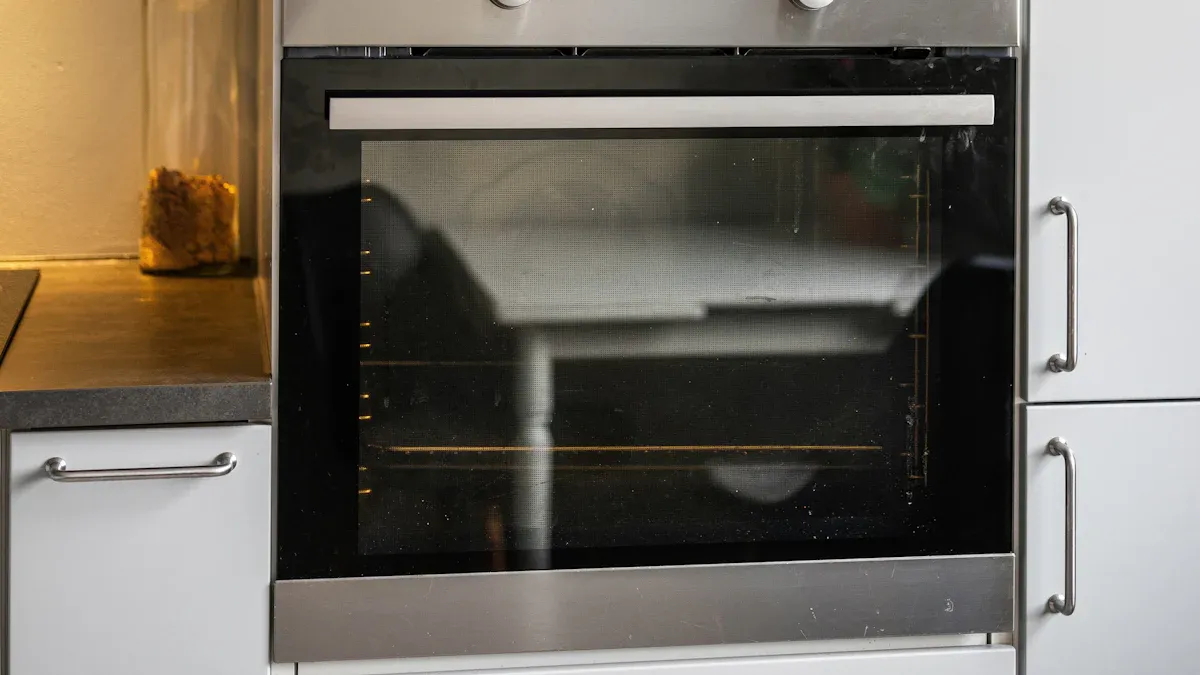
In today’s fast-paced world, understanding the difference between a microwave grill pan and a convection oven can significantly impact kitchen efficiency. Microwave grill pans offer quick cooking and grilling, making them suitable for busy lifestyles. They allow for versatility in cooking, accommodating various methods from baking to grilling. On the other hand, convection ovens excel in baking and roasting, providing even and consistent cooking. Their precise temperature control enhances culinary results, making them ideal for those who prioritize baking perfection.
Is a microwave with grill worth it for small kitchens? Many find that these microwave-safe cookware options, including microwave grill functions, meet their needs without compromising on quality, making them excellent space-saving kitchen appliances.
Key Takeaways
- Microwave grills cook food quickly and offer versatile options like grilling and baking, making them perfect for busy lifestyles.
- Convection ovens provide even cooking and faster baking times, ideal for achieving perfect baked goods and roasted dishes.
- Choose a microwave grill for quick meals and easy cleanup, especially in small kitchens with limited space.
- Opt for a convection oven when baking or roasting, as it enhances flavor and texture through even heat distribution.
- Both appliances have unique benefits; select based on your cooking needs and preferences to improve your kitchen efficiency.
Understanding Microwave Grills
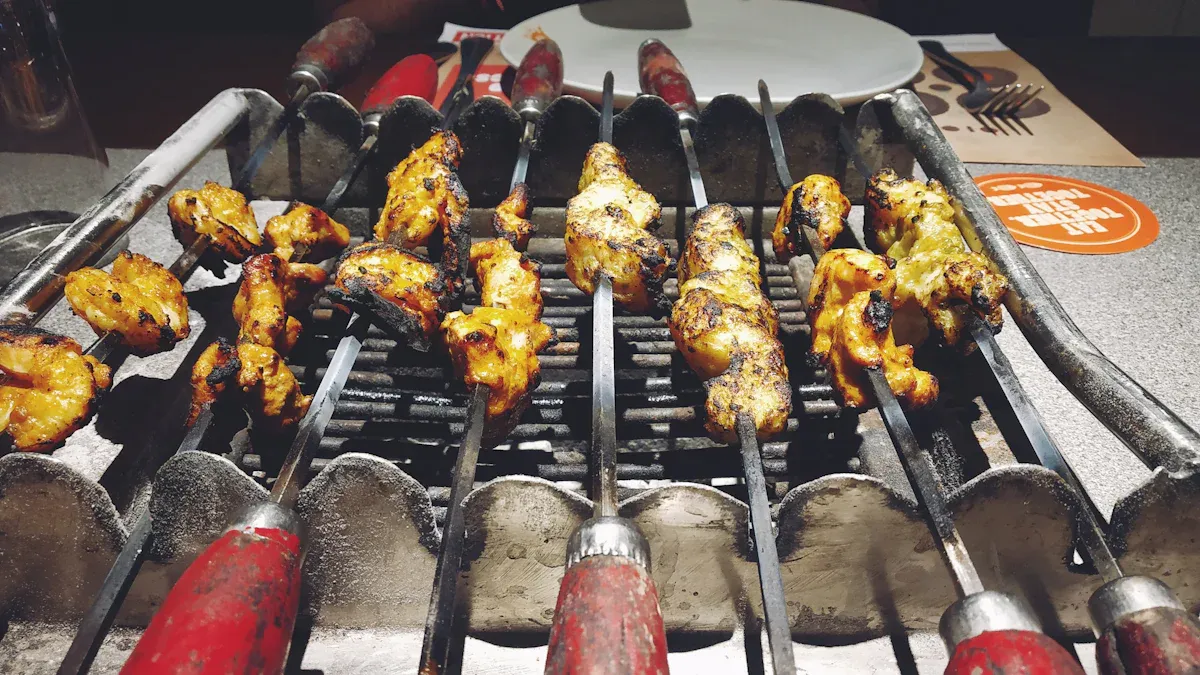
Microwave grills combine the convenience of microwave cooking with the ability to grill food. These appliances use microwave radiation to heat food quickly while also incorporating a grilling element that provides a crispy texture. This dual functionality makes them a popular choice for many home cooks.
Key Features of Microwave Grills
- Versatile Cooking Options: Microwave grills allow users to prepare a variety of dishes. They can grill meats, fish, and vegetables, making them suitable for diverse meal preparations.
- Quick Cooking Time: These appliances typically cook food faster than traditional ovens. This speed is especially beneficial for busy individuals or families.
- Energy Efficiency: Microwave grills consume between 900 to 1700 watts, making them more energy-efficient compared to conventional ovens. This efficiency can lead to lower energy bills over time.
Ideal Foods for Microwave Grills
Certain foods yield the best results when cooked in a microwave grill. Here are some recommended options:
- Meats (e.g., chicken breasts, pork chops, steaks)
- Fish (e.g., salmon filets)
- Vegetables
- Paninis
- Pizzas
- Quesadillas
Additionally, microwave grills excel at tasks such as toasting bread, grilling food, and melting cheese, enhancing their versatility in the kitchen.
Safety Features
Safety is a crucial consideration when using any kitchen appliance. Many microwave grills come equipped with features designed to protect users. Common safety features include:
- Child Lock: This feature prevents children from opening the microwave door, reducing the risk of burns from hot food.
Price Range
The cost of microwave grills varies based on brand and features. Typically, these appliances range from $70 to $200, making them accessible for various budgets.
Understanding Convection Ovens
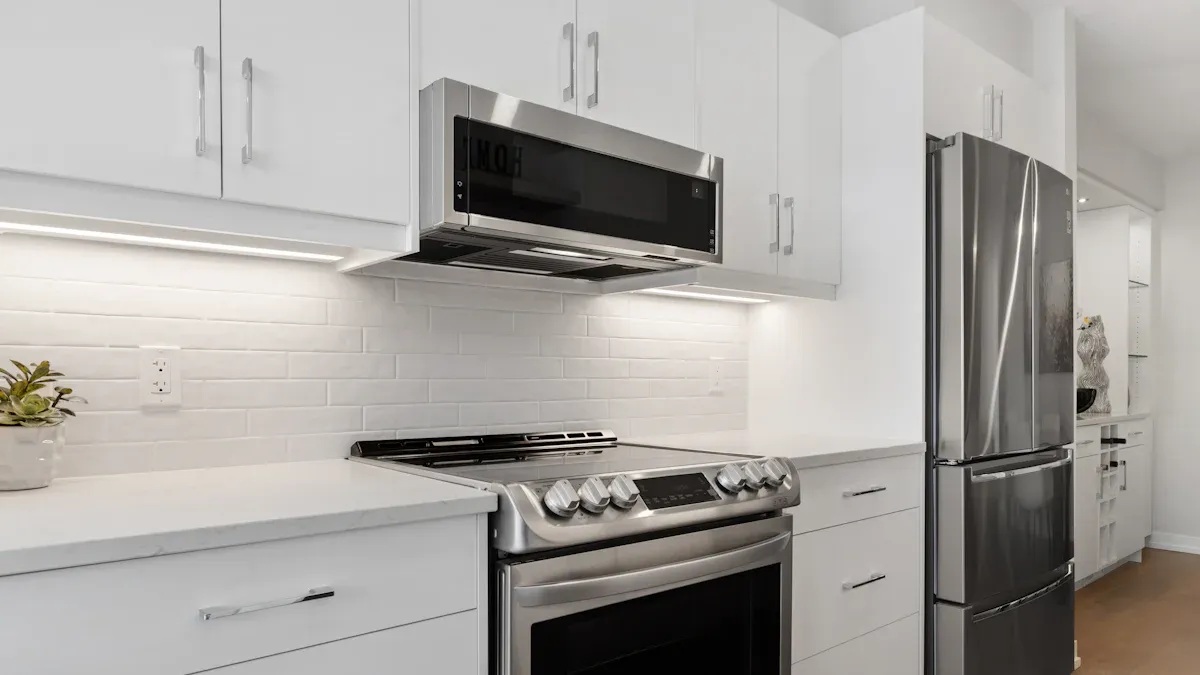
Convection ovens represent a significant advancement in cooking technology. These appliances utilize a fan and an additional heating element to circulate hot air around the food. This method allows for faster cooking times and more even heat distribution compared to traditional ovens. As a result, convection ovens not only seal in moisture but also create a crispier exterior on the food.
Key Features of Convection Ovens
- Even Cooking: The fan in a convection oven ensures that hot air circulates uniformly. This feature eliminates cold spots, allowing food to cook evenly.
- Faster Cooking Times: Convection ovens can cook food approximately 25% to 30% more efficiently than traditional ovens. This efficiency is particularly beneficial for busy cooks.
- Versatility: These ovens excel in various cooking methods, including baking, roasting, and broiling. They are ideal for preparing a wide range of dishes.
Common Dishes Prepared in Convection Ovens
Many home cooks favor convection ovens for their versatility. Here are some popular dishes that benefit from convection cooking:
- Stuffed Tomatoes and Roasted Vegetables
- Trout with Fresh Herbs
- Roast Chicken with Herb Butter
- Italian Chicken with Potatoes and Onions
- Roasted Pork with Mediterranean Vegetables
Energy Consumption
While convection ovens typically consume more power than microwave grills, they often reduce overall cooking time. For instance, convection microwaves use between 1200 to 2200 watts, compared to grill microwaves that range from 900 to 1700 watts. Although convection ovens may have higher energy consumption per minute, their efficiency can lead to energy savings in the long run.
| Type of Microwave | Power Consumption (Watts) | Cost to Run |
|---|---|---|
| Grill Microwave | 900 to 1700 | Less expensive |
| Convection Microwave | 1200 to 2200 | More expensive |
Baking Performance
Convection ovens excel in baking due to their effective heat distribution. The fan circulates air, reducing temperature disparities and creating a dry environment that enhances caramelization. This makes them ideal for baking cookies, breads, and layered dishes, ensuring consistent results.
Advantages of Microwave Grills
Microwave grills offer several advantages that make them a valuable addition to any kitchen. Their unique combination of microwave and grilling capabilities allows for quick and efficient cooking. Here are some key benefits:
-
Enhanced Flavor and Texture: The grilling function in microwave grills creates high temperatures that promote the Maillard reaction. This reaction is essential for developing rich flavors and appealing textures in food. Unlike standard microwaving, which often lacks sufficient heat for browning, microwave grills excel at achieving that perfect crispiness.
-
Speed and Convenience: Microwave grills significantly reduce cooking time. Busy individuals appreciate the ability to prepare meals quickly without sacrificing quality. For instance, a chicken breast can go from raw to perfectly grilled in a matter of minutes.
-
Versatile Cooking Methods: These appliances allow users to grill, bake, and reheat all in one device. This versatility makes them suitable for various dishes, from grilled vegetables to baked desserts. Home cooks can experiment with different recipes without needing multiple appliances.
-
Energy Efficiency: Microwave grills consume less energy compared to traditional ovens. Their quick cooking times mean they use less electricity overall, making them an eco-friendly choice for the environmentally conscious cook.
-
Compact Design: Many microwave grill pans are designed to fit easily in small kitchens. Their compact size allows for easy storage, making them ideal for apartments or homes with limited space.
Advantages of Convection Ovens
Convection ovens offer numerous benefits that make them a preferred choice for many home cooks and bakers. Their unique cooking method enhances the overall culinary experience. Here are some key advantages:
- Faster Cooking Times: Convection ovens cook approximately 25% faster than standard ovens. The direct circulation of hot air accelerates the cooking process, making it ideal for busy kitchens.
- Even Cooking: The fan in a convection oven ensures consistent temperatures throughout the cooking space. This eliminates hot spots, leading to uniform cooking results. Foods brown evenly, enhancing both appearance and flavor.
- Enhanced Browning and Caramelization: The dry environment created by convection cooking fosters better browning and caramelization. This feature is particularly beneficial for baked goods. As one home baker noted, “In convection mode, the circulating hot air heats my bake from all sides. So, cookies brown evenly, pie crusts crisp more beautifully, and puff pastry rises to higher heights.”
The advantages of convection ovens extend beyond speed and even cooking. They also improve texture and moisture retention in foods. The hot air circulation envelops the food, cooking it from all sides. This method results in consistent outcomes, which is crucial for achieving perfect dishes.
- Versatility: Convection ovens excel in various cooking methods, including baking, roasting, and broiling. They can handle a wide range of recipes, from delicate pastries to hearty roasts.
- Energy Efficiency: Although convection ovens may consume more power than microwave grills, their faster cooking times can lead to energy savings. The efficiency of these ovens makes them a smart choice for environmentally conscious cooks.
Comparing Cooking Methods
When comparing cooking methods between microwave grills and convection ovens, several factors come into play. Each appliance offers unique advantages that cater to different cooking needs.
Cooking Time Comparison
Cooking times vary significantly between the two appliances. The following table illustrates the differences:
| Type of Microwave | Cooking Time Comparison |
|---|---|
| Grill Microwave | Takes longer to cook as it primarily uses top heating, cooking from one direction. |
| Convection Microwave | Cooks faster due to a fan that distributes heat evenly, combining microwave and convection methods. |
- Grill microwaves cook slower because they primarily use a top heating element.
- Convection microwaves are more efficient, using both microwaves and a heating element, resulting in shorter cooking times.
Food Quality
The quality of food prepared in each appliance also differs. Here are some key points to consider:
- Microwaves are suitable for reheating and cooking with various power levels.
- Convection ovens can bake, roast, and broil, providing more versatility in cooking methods.
- Microwaves heat food quickly using electromagnetic waves, which can lead to changes in texture and flavor.
- Convection ovens circulate hot air for even cooking and browning, enhancing the overall quality of the food.
- Microwaving can cause food to become dry or tough if overheated.
- Certain foods may lose their crispness or browning when reheated in a microwave.
Factors to Consider
When choosing between a microwave grill and a convection oven, consider the following factors:
| Factor | Grill Microwave | Convection Microwave |
|---|---|---|
| Cooking Speed | Slower, mainly from the top heating element | Faster, with even hot air circulation |
| Cooking Versatility | Limited to grilling, toasting, reheating | Versatile: grilling, baking, roasting, full meals |
| Price and Maintenance | Generally cheaper, easier to clean | More expensive, requires more maintenance |
| User Convenience | Simple operation, ideal for beginners | More options, can be complex but user-friendly |
| Design and Capacity | Compact, suitable for small meals | Larger, suitable for big dishes and multiple layers |
| Suitable User Type | Best for beginners or small families | Ideal for families and those who enjoy baking |
When to Use a Microwave Grill Pan
A Microwave Grill Pan serves as an excellent tool for various cooking scenarios. Home cooks can utilize this appliance when they need to prepare meals quickly without sacrificing flavor or texture. Here are some specific situations where a Microwave Grill Pan shines:
-
Quick Weeknight Dinners: After a long day, many individuals seek fast meal solutions. A Microwave Grill Pan allows for grilling chicken, fish, or vegetables in a fraction of the time it takes in a conventional oven. This efficiency makes it ideal for busy families.
-
Grilling Indoors: For those living in apartments or areas with limited outdoor space, a Microwave Grill Pan provides a way to enjoy grilled flavors year-round. It allows users to create delicious grilled sandwiches, quesadillas, or even burgers without needing a traditional grill.
-
Reheating Leftovers: When reheating food, a Microwave Grill Pan can restore crispiness that standard microwaves often lack. This feature enhances the overall dining experience, making leftovers more enjoyable.
-
Experimenting with Recipes: Home cooks can use a Microwave Grill Pan to try new recipes that require grilling or toasting. This versatility encourages culinary creativity and allows for diverse meal options.
-
Healthier Cooking: Grilling often requires less oil than frying, making it a healthier cooking method. A Microwave Grill Pan enables users to prepare meals with reduced fat content while still achieving great taste.
When to Use a Convection Oven
Convection ovens shine in various cooking scenarios, making them a preferred choice for many culinary tasks. Here are some situations where using a convection oven proves advantageous:
- Roasting Meats and Vegetables: The even heat distribution ensures that meats cook thoroughly while achieving a beautifully caramelized exterior. This method enhances flavor and texture.
- Baking Pastries and Pies: Convection ovens allow for quicker melting of fats and effective dough lifting, resulting in flaky crusts and perfectly risen pastries.
- Baking Multiple Cookie Trays: Home bakers can place multiple trays in the oven without needing to rotate them. The fan circulates hot air, ensuring even baking across all trays.
- Covered Cooking: For casseroles or braises, convection ovens maintain moisture efficiently, resulting in tender and flavorful dishes.
The benefits of convection ovens extend to baking as well. The following table illustrates how convection ovens outperform other appliances in various aspects:
| Aspect | Convection Oven Benefits | Limitations for Other Appliances |
|---|---|---|
| Cooking Evenness | Provides even cooking and consistent heat distribution | Conventional ovens may have hot spots |
| Baking Time | Reduces baking time by up to 25% | Standard ovens may require longer baking times |
| Browning | Improves browning and caramelization | Other appliances may not achieve the same results |
| Delicate Items | May disrupt delicate bakes like soufflés and custards | Conventional ovens are better for delicate items |
| Fan Settings | Adjustable fan speeds can optimize results | Standard ovens lack this feature |
| Moisture Retention | Can dry out certain foods if not monitored | Other methods may retain moisture better |
| Versatility | Excellent for roasting meats and baking cookies | Not ideal for all baking tasks |
In convection mode, the fan circulates hot air, leading to even baking and better browning of cookies and pastries. The texture of baked goods improves, as moisture is preserved while achieving a golden color. Transitioning from a conventional oven to a convection oven often results in more consistent baking outcomes, with cookies browning evenly and pastries rising better.
Both microwave grills and convection ovens offer distinct advantages for home cooks. Choose a microwave grill for its speed and versatility. It allows for quick meal preparation and easy maintenance, as it generally costs less and requires simpler cleaning. In contrast, opt for a convection oven when baking or roasting. Its even cooking and superior browning capabilities make it ideal for achieving culinary perfection. Ultimately, the choice depends on individual cooking needs and preferences.
Remember, selecting the right appliance can enhance your cooking experience and efficiency in the kitchen! 🍽️
FAQ
What is the main difference between a microwave grill and a convection oven?
A microwave grill cooks food quickly using microwave radiation and grilling elements. In contrast, a convection oven circulates hot air for even cooking, making it ideal for baking and roasting.
Can I bake in a microwave grill?
Yes, a microwave grill can bake, but results may vary. It excels in grilling and reheating, while convection ovens provide superior baking performance due to even heat distribution.
Are microwave grills energy-efficient?
Yes, microwave grills are generally more energy-efficient than traditional ovens. They consume less power and cook food faster, leading to lower energy bills over time.
How do I clean a convection oven?
Cleaning a convection oven involves removing racks and trays, then wiping down surfaces with a damp cloth. For stubborn stains, use a mild detergent. Regular maintenance ensures optimal performance.
Which appliance is better for a small kitchen?
For small kitchens, a microwave grill is often better due to its compact size and versatility. It can perform multiple cooking functions without taking up much space.


