
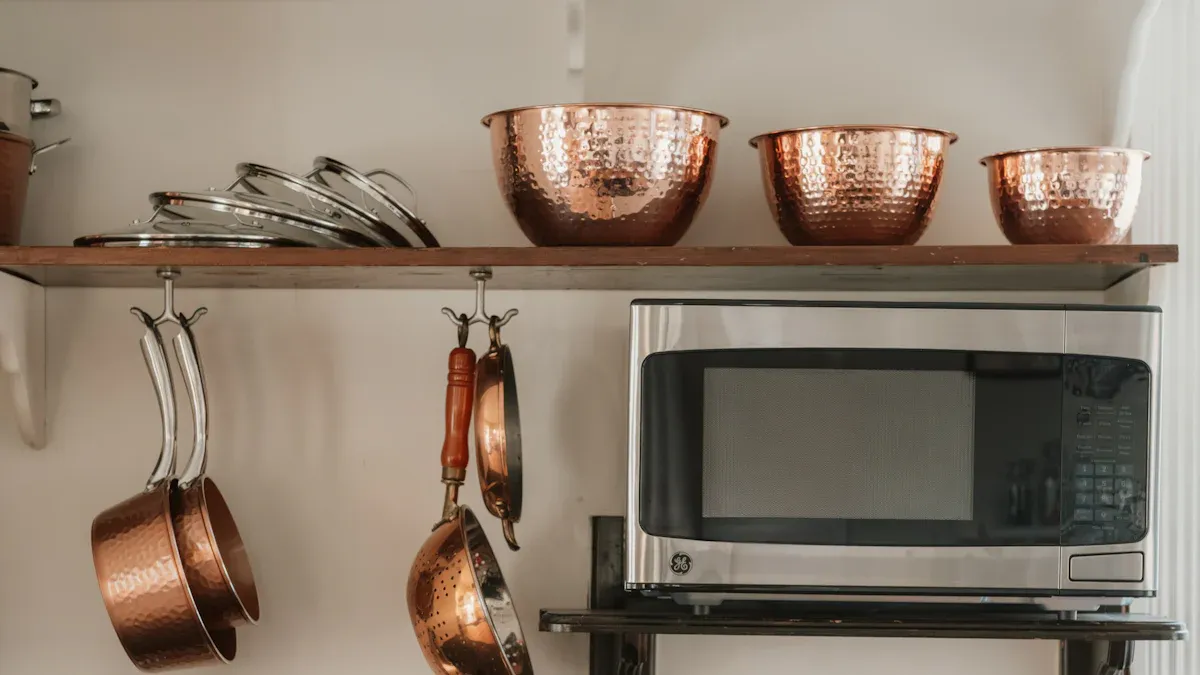
Microwave-safe cookware refers to materials designed to withstand microwave heating without melting, warping, or releasing harmful substances. A great example of this is the Microwave Grill Pan, which combines functionality with safety. Choosing the right material is crucial for ensuring both safety and effectiveness in cooking. Certain materials, such as unmarked plastics, can pose health risks by leaching chemicals when heated, raising concerns about microwave cookware safety. Additionally, metal containers may cause sparking, leading to potential hazards. Selecting appropriate microwave-safe cookware materials, including microwave-safe plastic alternatives, helps avoid these microwave cookware health concerns and ensures a safer cooking experience.
Key Takeaways
- Choose microwave-safe cookware to avoid harmful chemical leaching and ensure safe cooking.
- Glass and ceramic are excellent choices for microwave use due to their non-reactive properties and durability.
- Avoid using metal cookware in the microwave, as it can cause sparks and uneven heating.
- Select plastic containers labeled as microwave-safe to minimize health risks associated with harmful chemicals.
- Silicone cookware is versatile and safe for microwaving, but always check for safety labels before use.
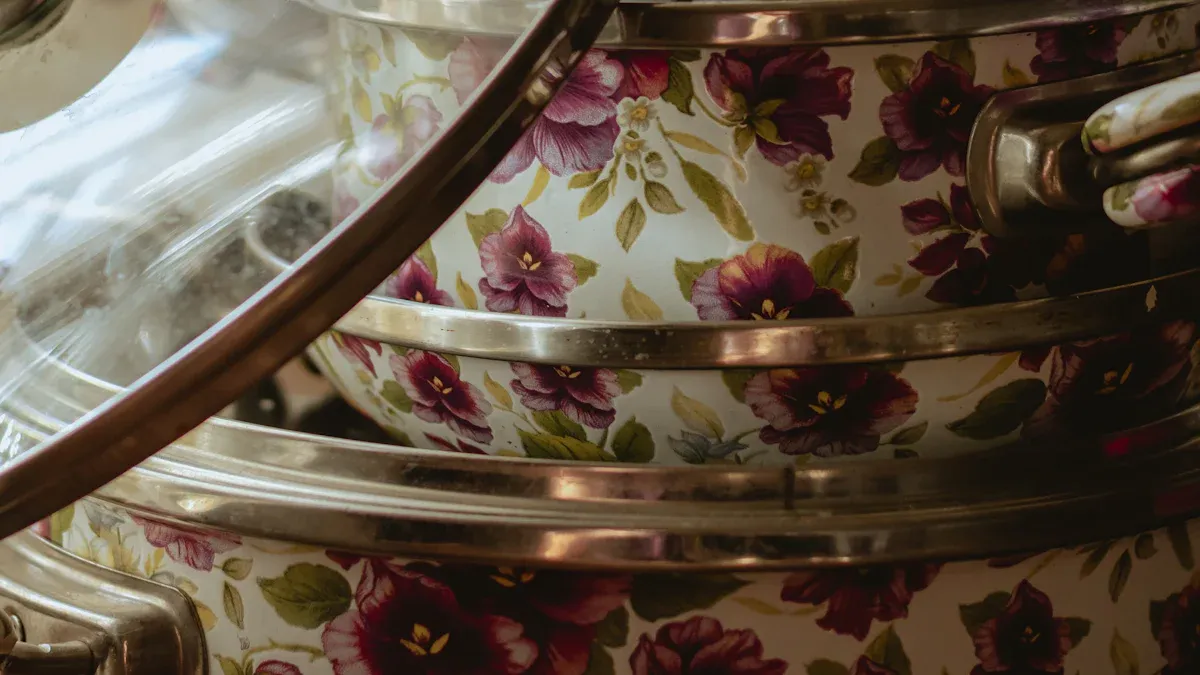
Glass cookware stands out as a popular choice for microwave use due to its safety and versatility. Many glass products come with a microwave-safe symbol, indicating they have undergone testing to ensure they can withstand microwave heat without breaking or releasing harmful chemicals.
Key benefits of using glass cookware in the microwave include:
- Non-reactive surface: Glass does not interact with food, preserving flavors and nutrients.
- Easy to clean: Glass is dishwasher-safe and resists staining.
- Durability: Tempered glass is treated to handle high-temperature fluctuations, making it safer for microwave use.
When selecting glass cookware, it is essential to consider the type of glass. Different types have varying temperature resistance limits, which can affect their performance in the microwave. The following table outlines these limits:
| Type of Glass | Temperature Resistance Limits |
|---|---|
| Borosilicate Glass | Designed to handle high heat; ideal for microwaving but avoid sudden temperature changes. |
| Soda-Lime Glass | Can be used cautiously; risk of breakage from temperature shocks, especially in thinner items. |
| Non-tempered Glass | Should be microwaved briefly (10-20 seconds) to avoid cracking. |
| Tempered Glass | Can be microwaved safely for longer periods (1-2 minutes). |
| Larger Dishes | Reheating may take 1-2 minutes. |
| Smaller Items | Glass cups may only need 30 seconds to 1 minute. |
Borosilicate glass, like Pyrex, is particularly well-suited for high heat. However, users should avoid exposing it to sudden temperature changes, which can lead to breakage. By choosing the right type of glass cookware, individuals can enjoy a safe and efficient microwave cooking experience.
Ceramic
Ceramic cookware offers a stylish and functional option for microwave cooking. Many people appreciate its aesthetic appeal and versatility. When selecting ceramic cookware, it is essential to ensure that it is labeled as microwave-safe. This label indicates that the product has undergone testing to confirm its safety for microwave use.
Ceramic cookware possesses several key properties that contribute to its microwave safety:
| Property | Explanation |
|---|---|
| Material Integrity | Properly fired ceramics do not absorb microwaves in a way that causes overheating or structural failure. |
| No Metal Components | Microwave-safe pots must be free of metallic trims, accents, or paints, which can spark or cause arcing in the microwave. |
| Safe Glazes | The glaze used should be free of heavy metals like lead or cadmium, which can leach into food when heated. |
| Thermal Stability | The pot should be able to withstand rapid temperature changes without cracking, though caution is still advised. |
Ceramic cookware is generally non-reactive, meaning it does not interact with food. This characteristic helps preserve the flavors and nutrients of the ingredients. Additionally, ceramic is easy to clean, making it a practical choice for busy kitchens.
However, users should exercise caution when using ceramic cookware in the microwave. Rapid temperature changes can still pose a risk of cracking. To minimize this risk, individuals should avoid placing cold ceramic dishes directly into a hot microwave. Instead, they should allow the dish to come to room temperature before heating.
Plastic
Plastic cookware offers a lightweight and versatile option for microwave cooking. Many consumers appreciate its convenience and affordability. However, not all plastics are suitable for microwave use. It is essential to choose containers that are specifically labeled as microwave-safe. These containers often feature clear microwave icons or text, indicating their safety for reheating food.
When selecting plastic cookware, consider the following types that meet FDA guidelines for microwave safety:
- Polypropylene (PP): Commonly used for containers and lids, it withstands heat well.
- Polyethylene (PE): Often found in food storage bags, it is safe for short heating periods.
- Polycarbonate (PC): Used in some durable containers, it can handle microwave temperatures but should be used cautiously.
While microwave-safe plastics can be convenient, users must remain aware of potential risks. Non-microwave-safe plastic wraps and containers can leach harmful chemicals into food. This leaching can occur when plastics are damaged or heated beyond their recommended limits. The primary health risks include:
- Hormone disruptors from non-microwave-safe plastics.
- Chemicals like phthalates and bisphenol A, which may be released during heating.
To minimize these risks, individuals should always inspect plastic cookware for any signs of wear or damage before use. Additionally, they should avoid using plastic containers that are not explicitly marked as microwave-safe. By making informed choices, consumers can enjoy the benefits of plastic cookware while prioritizing their health and safety.
Silicone
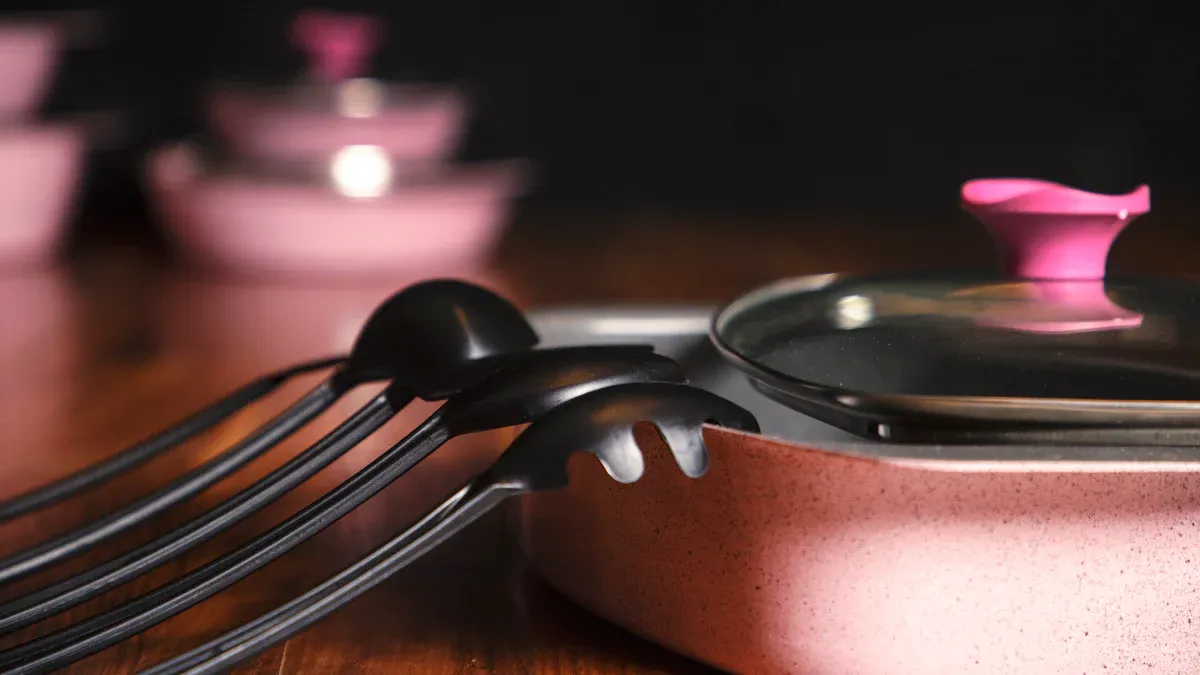
Silicone cookware has gained popularity as a versatile and safe option for microwave cooking. This material is known for its ability to withstand high temperatures without losing structural integrity. Research indicates that silicone is suitable for microwave use, confirming its heat resistance and safety for food contact. Silicone rubber baking molds can endure extreme conditions, such as microwaving at 800 W, without compromising their effectiveness.
When selecting silicone cookware, it is crucial to choose products specifically labeled as microwave-safe. This label ensures that the cookware meets safety standards for microwave use. Here are some important considerations when using silicone in the microwave:
- Temperature Limits: Ensure silicone cookware is used within the recommended temperature limits. This practice helps maintain the material’s integrity during heating.
- Avoid Overfilling: Users should avoid overfilling silicone containers with very hot fats. This precaution prevents potential spills and ensures even heating.
- Versatility: Silicone cookware is generally safe in microwaves, similar to glass and certain plastics. Its flexibility allows for easy removal of baked goods and other foods.
Silicone’s non-stick properties make it an excellent choice for various cooking tasks. It does not require additional oils or sprays, promoting healthier cooking options. Additionally, silicone is easy to clean, often being dishwasher-safe.
Stoneware
Stoneware cookware, often referred to as “earthware,” is a popular choice for microwave cooking. This material primarily consists of clay that undergoes high-temperature firing, which hardens it. The addition of materials like silica can enhance its safety in the microwave. When selecting stoneware, consumers should ensure that it is labeled as microwave-safe to avoid potential hazards.
Several factors influence the microwave safety of stoneware materials:
- Composition of the clay: Different clays can have varying properties that affect their performance in the microwave.
- Porosity of the material: Stoneware with high porosity may absorb moisture, leading to thermal shock during heating.
- Presence of metallic components in glazes: Some glazes may contain metals that can spark in the microwave.
- Potential for thermal shock: Moisture absorption can cause cracking if the stoneware experiences rapid temperature changes.
To maximize safety, users should follow these tips when using stoneware in the microwave:
Tip: Always check for a microwave-safe label before using stoneware. This label indicates that the product has undergone testing to confirm its safety for microwave use.
Stoneware offers several advantages for microwave cooking. Its ability to retain heat makes it ideal for even cooking and reheating. Additionally, stoneware is generally non-reactive, meaning it does not interact with food, preserving flavors and nutrients.
However, users should exercise caution. Rapid temperature changes can lead to cracking, especially if the stoneware is cold when placed in a hot microwave. Allowing the dish to reach room temperature before microwaving can help prevent this issue.
Melamine
Melamine cookware has gained popularity due to its lightweight and colorful designs. However, it is crucial to understand that melamine is not safe for microwave use. When exposed to high temperatures, melamine can break down and release harmful chemicals. Specifically, heating melamine beyond 120°F, a common temperature in microwaves, can lead to the release of toxic substances such as formaldehyde and melamine compounds.
The FDA has explicitly warned against using melamine dishes in microwaves, especially when heating acidic foods. Acidic foods can increase the leaching of melamine into the food, raising significant health concerns. A study published in JAMA Internal Medicine revealed alarming findings. Individuals consuming hot noodle soup from melamine bowls had over six times more melamine in their urine compared to those using ceramic bowls. This evidence raises questions about the long-term health effects of melamine exposure.
The health risks associated with melamine extend beyond mere chemical leaching. Formaldehyde, a known carcinogen, can pose serious health threats. Additionally, melamine compounds may lead to kidney damage. Given these risks, consumers should prioritize safety by avoiding melamine cookware in microwave applications.
Stainless Steel
Stainless steel cookware is a common choice in many kitchens due to its durability and sleek appearance. However, it is essential to understand that stainless steel is generally not safe for microwave use. The material’s properties can lead to several hazards when exposed to microwave radiation.
One significant concern is arcing, which occurs when microwaves concentrate at the edges of stainless steel. This phenomenon can create sparks, posing a fire risk. Additionally, stainless steel reflects microwaves, leading to uneven heating. This reflection can result in cold spots in food, making it difficult to achieve thorough cooking.
The following table summarizes the potential hazards associated with using stainless steel in microwaves:
| Hazard Type | Description |
|---|---|
| Arcing | Stainless steel can cause electrical arcing due to the concentration of microwaves at edges. |
| Uneven Heating | The material reflects microwaves, leading to cold spots and poorly cooked food. |
| Microwave Damage | The interaction can damage the microwave’s interior due to sparking and disruption of waves. |
Using stainless steel cookware in the microwave can also lead to internal damage. The bouncing of microwaves off the stainless surface may block penetration, preventing effective heating of food. This blockage can inflict damage to the microwave’s internal components due to reflected waves.
For these reasons, consumers should avoid using stainless steel containers in microwaves. Instead, they should opt for materials specifically designed for microwave use, such as glass or microwave-safe plastic. By prioritizing safety, individuals can enjoy a more effective and worry-free cooking experience.
Aluminum
Aluminum cookware is widely recognized for its lightweight and durable properties. However, it is not suitable for use in microwave ovens. The highly reflective nature of aluminum causes it to reflect microwave energy. When microwaves encounter aluminum surfaces, they bounce back into the microwave. This reflection can lead to sparks and arcs, posing significant safety hazards.
Aluminum cookware can create dangerous conditions in microwaves. Sparks may damage the interior of the microwave and, in extreme cases, ignite nearby materials such as paper or grease.
Using aluminum in a microwave can also prevent effective heating of food. The microwaves cannot penetrate the aluminum, resulting in uneven cooking. This uneven heating can leave cold spots in the food, which may affect food safety and quality.
Consider the following risks associated with using aluminum cookware in microwaves:
- Metal reflects microwave energy rather than absorbing it.
- Placing aluminum in a microwave can create sparks or arcing.
- Most home microwave manuals caution against using metal containers.
Even when no visible sparks occur, aluminum trays can still disrupt the heating process. Food may heat unevenly, leading to potential safety concerns. For these reasons, consumers should avoid using aluminum cookware in microwave ovens. Instead, they should opt for materials specifically designed for microwave use, such as glass or microwave-safe plastic. By prioritizing safety, individuals can enjoy a more effective and worry-free cooking experience.
Enamelware
Enamelware consists of metal cookware coated with a layer of enamel, typically made from glass. This combination provides a durable and attractive option for microwave cooking. When selecting enamelware, it is crucial to ensure that the product is labeled as microwave-safe. Not all enamelware is suitable for microwave use, as some may contain metallic components that can cause sparking.
Key Benefits of Enamelware:
- Durability: Enamelware resists chipping and scratching, making it a long-lasting choice for kitchen use.
- Non-reactive Surface: The enamel coating prevents food from reacting with the metal, preserving flavors and nutrients.
- Easy to Clean: Enamelware is generally dishwasher-safe, simplifying the cleaning process.
Safety Considerations:
When using enamelware in the microwave, users should keep the following tips in mind:
Tip: Always check for a microwave-safe label before using enamelware. This label indicates that the product has undergone testing to confirm its safety for microwave use.
Enamelware can withstand moderate heat, but users should avoid exposing it to extreme temperature changes. Rapid heating or cooling can lead to cracking or chipping of the enamel surface. Additionally, individuals should refrain from using metal utensils on enamelware to prevent scratches.
Composite Materials
Composite materials have emerged as a significant innovation in microwave-safe cookware. These materials combine different substances to achieve specific properties that enhance cooking performance. Many manufacturers utilize advanced composites to create cookware that withstands microwave heating while ensuring safety and efficiency.
Common components of composite materials often include a blend of polymers and minerals. This combination enhances heat resistance and improves heat distribution. As a result, composite cookware can provide even cooking and reduce the risk of hot spots.
Key Benefits of Composite Materials:
- Enhanced Durability: Composite cookware typically exhibits greater resistance to wear and tear compared to traditional materials. This durability ensures that the cookware lasts longer, even with frequent microwave use.
- Lightweight Design: Many composite materials are lighter than glass or metal alternatives. This feature makes handling and storage more convenient for users.
- Versatile Applications: Composite cookware can be designed for various cooking tasks, from baking to reheating. This versatility allows consumers to use a single piece of cookware for multiple purposes.
Tip: When selecting composite cookware, always look for products labeled as microwave-safe. This label indicates that the cookware has undergone testing to confirm its safety for microwave use.
While composite materials offer many advantages, users should remain cautious. Not all composite cookware is created equal. Some products may contain additives that could pose health risks when heated. Therefore, consumers should prioritize quality and safety by choosing reputable brands known for their commitment to producing safe kitchenware.
Microwave Grill Pan
The Microwave Grill Pan serves as an innovative solution for those who desire grilled flavors without the need for an outdoor grill. This cookware allows users to achieve a crispy texture and delicious taste in a microwave setting. Many people appreciate the convenience of a Microwave Grill Pan, especially when time is limited.
Using a Microwave Grill Pan involves a few straightforward steps. First, preheat the pan according to the manufacturer’s instructions. This step ensures that the pan reaches the optimal temperature for grilling. Next, place the food on the grill surface. The design of the pan allows for even heat distribution, which promotes thorough cooking. Finally, cover the food with a microwave-safe lid to retain moisture and enhance flavor.
Several benefits make the Microwave Grill Pan a popular choice:
- Quick Cooking: The pan significantly reduces cooking time compared to traditional grilling methods.
- Healthier Options: Grilling in the microwave allows excess fat to drain away, resulting in healthier meals.
- Versatility: Users can grill a variety of foods, including meats, vegetables, and even sandwiches.
When selecting a Microwave Grill Pan, consumers should look for features such as non-stick surfaces and dishwasher-safe materials. These features simplify the cooking process and make cleanup easier. Additionally, ensure that the pan is labeled as microwave-safe to avoid any safety hazards.
Choosing the right microwave-safe cookware is essential for safe and effective cooking. Key materials include:
- Plastic: Lightweight and affordable, but concerns about harmful chemicals have increased demand for safer variants.
- Glass: Aesthetic and non-reactive, preferred by health-conscious consumers.
- Ceramic: Durable and heat-resistant, though often heavier and more expensive.
- Silicone: Flexible and easy to clean, gaining popularity for its vibrant designs.
To ensure safety, consumers should:
- Use only microwave-safe containers to avoid harmful chemical leaching.
- Cover food with microwave-safe lids to retain moisture and promote even cooking.
- Regularly clean the microwave to prevent buildup.
Prioritizing safety in microwave cooking helps preserve nutritional content and ensures a healthier meal experience. By making informed choices, individuals can enjoy the convenience of microwave cooking without compromising their health.
FAQ
What does “microwave-safe” mean?
“Microwave-safe” indicates that a material can withstand microwave heating without melting, warping, or releasing harmful substances. Always check for this label before using any cookware in the microwave.
Can I use metal cookware in the microwave?
No, metal cookware is not safe for microwave use. It can cause arcing, which poses fire hazards and may damage the microwave. Opt for glass, ceramic, or microwave-safe plastic instead.
How can I tell if my plastic containers are microwave-safe?
Look for a microwave-safe symbol on the bottom of the container. If it lacks this label, avoid using it in the microwave to prevent harmful chemical leaching.
Is silicone cookware safe for microwave use?
Yes, silicone cookware is generally safe for microwave use. Ensure it is labeled as microwave-safe and follow temperature guidelines to maintain its integrity during heating.
What should I avoid when using stoneware in the microwave?
Avoid sudden temperature changes with stoneware. Rapid heating or cooling can cause cracking. Always check for a microwave-safe label before use to ensure safety.


