
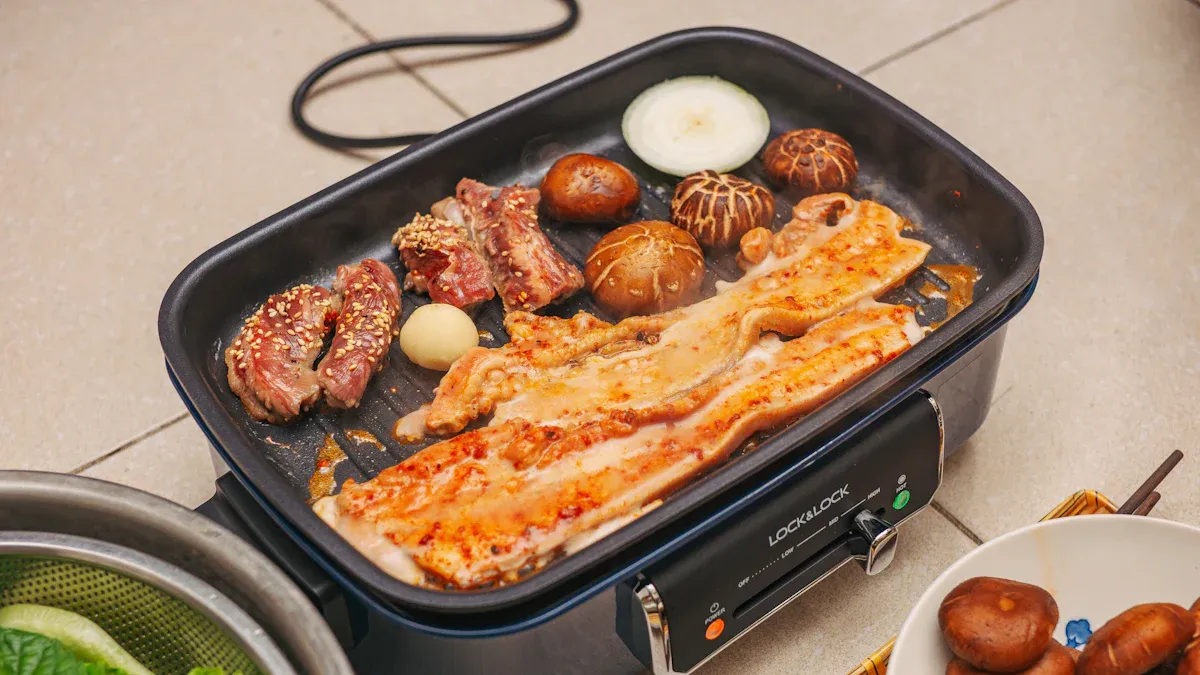
Choosing the right microwave grill pan significantly impacts cooking results. Understanding individual cooking needs and preferences is essential for making an informed choice. Factors such as grill pan material types, quality, and size play crucial roles in performance. A well-chosen grill pan enhances the cooking experience, especially when considering non-stick grill pan benefits. This Microwave Grill Pan Guide aims to assist in navigating options, ensuring optimal satisfaction with the best microwave baking pans available, while also providing a home grill pan comparison to help you make the best decision.
Key Takeaways
- Prioritize material quality when choosing a microwave grill pan. Ceramic and high-quality silicone are safer and more effective options.
- Select the right size for your microwave grill pan. Measure your microwave’s interior dimensions to ensure a proper fit for even cooking.
- Consider the grill functionalities that meet your cooking needs. Look for features like browning and crisping to enhance your meals.
- Check for essential safety features. Choose BPA-free materials and ensure the pan has heat-resistant handles for safe use.
- Evaluate your budget and look for multi-functional pans. Research sales and warranties to find the best value for your investment.
Material Quality
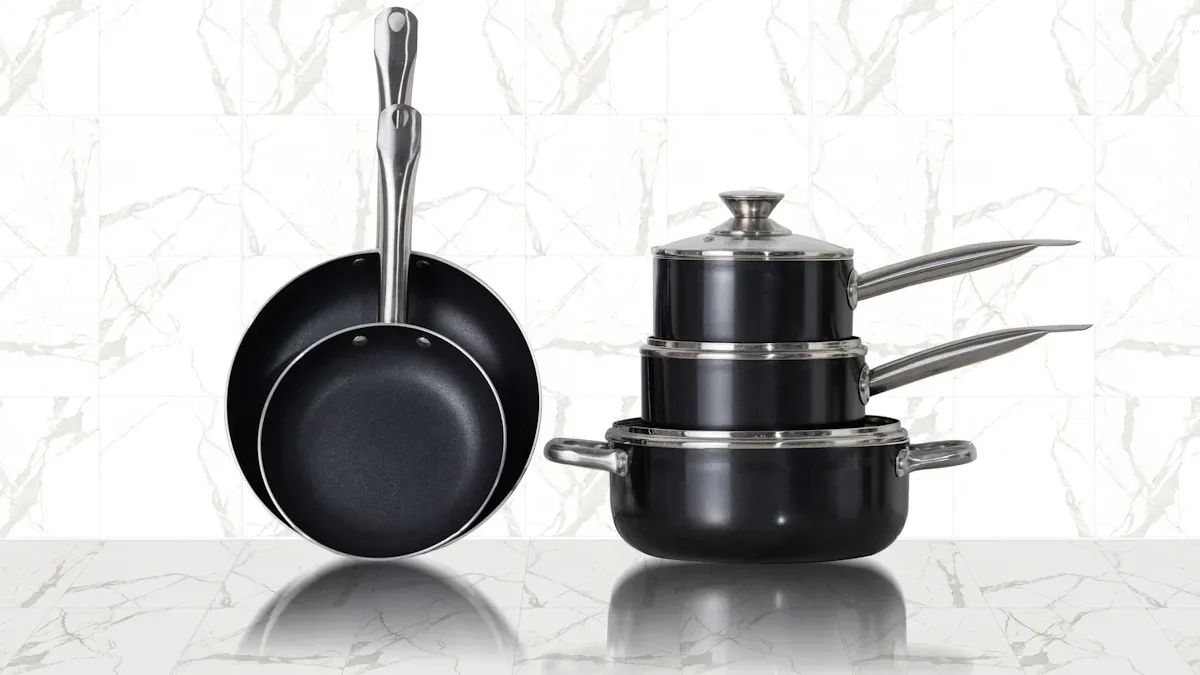
When selecting a microwave grill pan, material quality plays a crucial role in performance and safety. Different materials offer unique benefits and drawbacks. Understanding these can help individuals choose the right microwave grill pan for their kitchen.
Common Materials Used in Microwave Grill Pans
| Material | Advantages | Disadvantages |
|---|---|---|
| Ceramic | Excellent heat retention, high temperature capability, durable, non-stick | Heavier than silicone, fragile, higher initial cost |
| Silicone | Flexible, non-toxic, easy to clean, dishwasher-safe | Less browning capability, lower maximum temperature, less structural rigidity |
| Metal | N/A | Not recommended for microwave use due to reflection of microwave energy and potential fire hazards |
Ceramic pans are popular for their ability to retain heat effectively. They can withstand high temperatures, making them suitable for various cooking methods. However, their weight and fragility may pose challenges for some users. Silicone pans, on the other hand, offer flexibility and ease of cleaning. They are non-toxic and dishwasher-safe, but they may not provide the same browning effect as ceramic options.
While metal pans are often favored for their durability, they should be avoided in microwave cooking. Metal reflects microwave energy, which can lead to uneven cooking and potential fire hazards.
Health and Safety Concerns
Health and safety are paramount when choosing materials for microwave grill pans. Non-stick coatings, commonly found in many pans, can pose risks if not properly maintained.
Exposure to PFAS, which are used widely not only in nonstick cookware but also in stain- and water-resistant gear and grease-proof food packaging, has been linked to liver damage, lowered immunity in kids, and other health concerns.
But long-used pans with scratched coatings may not be as safe as pans in pristine condition. And when PTFE coatings overheat, they can produce fumes that are deadly to small birds and may be harmful to humans as well.
Choosing a microwave grill pan with safe materials can significantly reduce health risks. Opting for ceramic or high-quality silicone can provide peace of mind while cooking.
Size and Capacity
Selecting the right size and capacity for a microwave grill pan is essential for effective cooking. A pan that fits well in the microwave ensures even cooking and prevents overcrowding. To determine the appropriate size, individuals should consider several factors.
- Available Space: Measure the width, depth, and height of the microwave. This ensures that the grill pan fits comfortably without blocking the microwave door.
- Plate Size: Check the dimensions of the largest plate used in the household. The grill pan should accommodate this size to allow for versatile cooking options.
- Dish Dimensions: Consider the dimensions of the most frequently used dishes. A pan that aligns with these measurements enhances cooking efficiency.
- Kitchen Layout: Decide between built-in and freestanding options based on the kitchen’s layout. This choice can affect the overall cooking experience.
- Price Ranges: Be aware of the price ranges for different sizes and types of microwave grill pans. Larger pans may come at a premium, but they often offer more cooking versatility.
Choosing the right size not only improves cooking results but also enhances convenience. A well-sized grill pan allows for better heat distribution, leading to perfectly grilled foods.
Tip: Always opt for a pan that provides a little extra space. This allows for air circulation, which is crucial for achieving that desirable grilled texture.
Grill Functionality
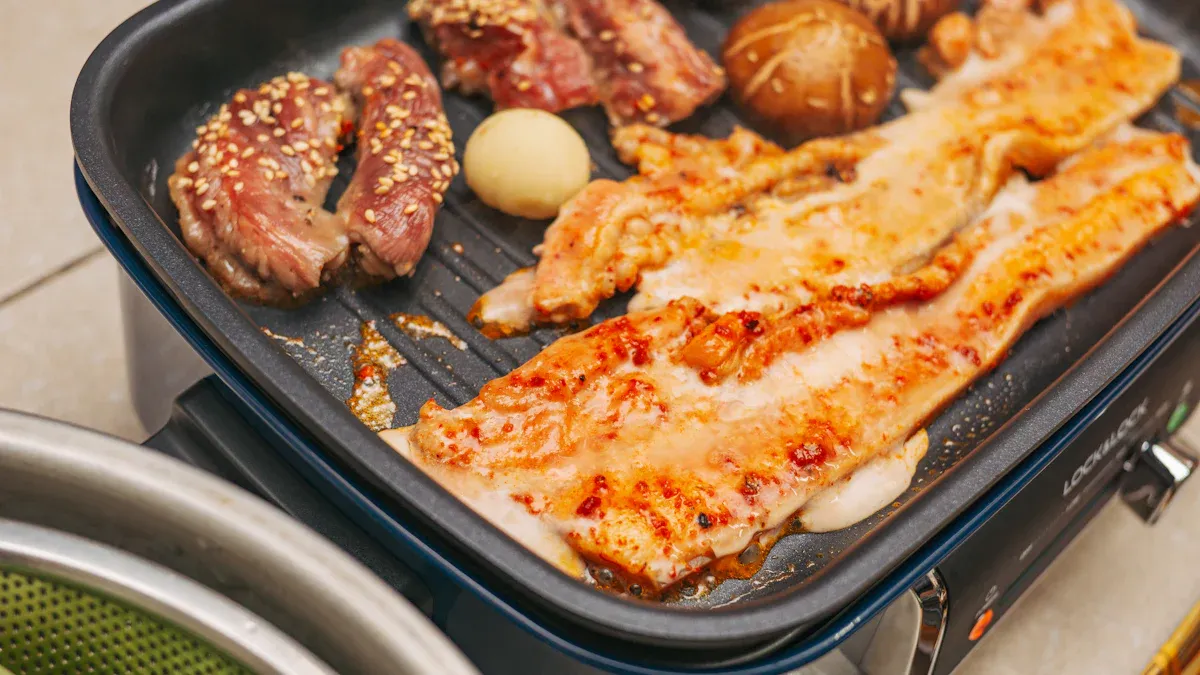
Grill functionality is a vital aspect to consider when selecting a microwave grill pan. Different pans offer various features that enhance cooking results. Understanding these functionalities can help individuals choose a pan that meets their culinary needs.
Here are some common grill functionalities found in microwave grill pans:
| Functionality | Description |
|---|---|
| Browning | Achieved through preheating the pan, allowing for effective searing and caramelization of food. |
| Crisping | The pan’s design with raised ridges creates grill marks and enhances the crisp texture of the food. |
| Steaming | While not the primary function, the pan can retain moisture, aiding in the steaming process when used with certain foods. |
Importance of Each Functionality
-
Browning: This feature is essential for achieving that delicious, golden crust on meats and vegetables. A pan that allows for effective browning can elevate the flavor profile of dishes, making them more appealing.
-
Crisping: The raised ridges in a grill pan create grill marks, which not only enhance presentation but also improve texture. Foods like chicken and vegetables benefit from this functionality, providing a satisfying crunch.
-
Steaming: Although not the primary purpose of a grill pan, the ability to retain moisture can be beneficial. This feature allows for healthier cooking options, especially for those who prefer steamed vegetables alongside grilled meats.
Tip: When choosing a microwave grill pan, consider how often you will use each functionality. A pan that excels in browning and crisping may be more suitable for those who enjoy grilled foods regularly.
Selecting a microwave grill pan with the right functionalities can significantly enhance the cooking experience. By understanding these features, individuals can make informed decisions that align with their cooking styles and preferences.
Safety Features
When selecting a microwave grill pan, safety features are paramount. A well-designed pan not only enhances cooking but also minimizes risks associated with microwave use. Here are some essential safety features to consider:
-
BPA-Free Materials: Choose pans made from materials that do not contain BPA or phthalates. These chemicals can leach into food, posing health risks. Opting for microwave-safe glass or ceramic cookware ensures safety during cooking.
-
Heat-Resistant Handles: Look for grill pans with sturdy, heat-resistant handles. These handles facilitate safe handling when removing cookware from the microwave, reducing the risk of burns or spills.
-
Durability: A durable pan withstands high temperatures and frequent use without warping or breaking. This longevity contributes to overall safety, as a compromised pan can lead to accidents.
In addition to material considerations, certifications and safety standards play a crucial role in ensuring the safety of microwave grill pans. The following table outlines key certifications to look for:
| Certification/Standard | Description |
|---|---|
| FCM Certifications | Ensure pans do not pose health risks and do not alter food quality. |
| EU Regulation (EC) No 1935/2004 | Prevents harmful substances from transferring to food, ensuring safety and health. |
| Good Manufacturing Practice (GMP) | Ensures consistent production and quality control for food contact materials. |
| Declaration of Compliance (DoC) | Confirms compliance with EU regulations, ensuring safety information is passed along the supply chain. |
| ISO 9001 | Ensures quality management systems are in place for consistent product quality. |
By prioritizing these safety features and certifications, individuals can confidently choose the right microwave grill pan for their kitchen. A safe pan not only protects health but also enhances the overall cooking experience.
Ease of Use and Maintenance
Selecting a microwave grill pan that is easy to use and maintain can enhance the cooking experience. Users should consider several factors that contribute to the overall convenience of the pan.
First, non-stick coatings significantly impact ease of cleaning. Proper maintenance of these coatings is essential. Lightly oiling the pan before its first use can improve its non-stick properties. Regular washing and drying, especially after using a dishwasher, helps maintain the coating’s integrity. Avoiding overheating and using non-metal utensils prevents damage to the non-stick surface, ensuring longevity.
To extend the lifespan of a microwave grill pan, users should follow these maintenance tips:
- Use appropriate utensils like silicone or wooden tools to avoid damaging the non-stick surface.
- Control heat levels by using low to medium settings to prevent damage to the coating.
- Handle pans carefully by avoiding direct contact when stacking to minimize scratches.
- Avoid nesting pans directly on top of each other; use pan protectors or soft cloths instead.
- Ensure pans are completely dry before storage to prevent rust or mold.
- Use protective layers like dish towels between stacked skillets to protect the non-stick surface.
These practices not only enhance the pan’s durability but also simplify the cleaning process. A well-maintained grill pan can provide consistent cooking results and reduce the time spent on cleanup.
Tip: Always check the manufacturer’s instructions for specific care recommendations. Following these guidelines can help maintain the pan’s performance and appearance over time.
By prioritizing ease of use and maintenance, individuals can enjoy the benefits of their microwave grill pan for years to come.
Price Considerations
When selecting a microwave grill pan, price plays a significant role in the decision-making process. Understanding the cost spectrum can help individuals find a pan that meets their needs without overspending. Here are some key points to consider regarding price:
- Budget Range: Microwave grill pans typically range from $15 to $100. The price often reflects the material quality, brand reputation, and additional features.
- Material Impact:
- Ceramic pans usually fall on the higher end of the price spectrum due to their durability and heat retention properties.
- Silicone options tend to be more affordable, making them a popular choice for budget-conscious consumers.
- Brand Influence: Well-known brands may charge more for their products. However, they often provide better quality and customer support.
Tips for Budget-Friendly Choices
Tip: Consider these strategies to find a microwave grill pan that fits your budget:
- Research and Compare: Look for reviews and comparisons online. Websites and forums can provide insights into the best value options.
- Sales and Discounts: Keep an eye out for seasonal sales or discounts. Retailers often offer promotions that can significantly reduce prices.
- Multi-Functionality: Choose a pan that offers multiple functionalities. A grill pan that can also serve as a baking dish can save money in the long run.
- Warranty and Return Policy: Check if the manufacturer offers a warranty. A good warranty can provide peace of mind and protect your investment.
By considering these price factors and tips, individuals can make informed decisions when purchasing a microwave grill pan. A well-chosen pan not only fits the budget but also enhances the cooking experience.
Compatibility with Microwaves
Choosing a microwave grill pan that is compatible with a specific microwave model is crucial for optimal cooking results. Compatibility ensures that the pan fits properly and functions effectively within the microwave environment. Here are some key factors to consider when assessing compatibility:
-
Interior Dimensions: Measure the interior dimensions of the microwave, especially the turntable diameter. This measurement helps determine if the grill pan will fit without obstruction. A pan that is too large may not rotate properly, leading to uneven cooking.
-
Wattage Considerations: Different microwave grill pans perform better at varying wattages. Some pans are designed specifically for higher-wattage microwaves, which can affect cooking times and results. Consumers should check the wattage specifications of both the microwave and the grill pan to ensure they align.
-
Material Compatibility: Certain materials may not be suitable for all microwave types. For example, ceramic and silicone pans are generally safe for microwave use, while metal pans should be avoided. Always verify that the chosen material is microwave-safe.
Tip: Before purchasing a microwave grill pan, consult the manufacturer’s guidelines. These guidelines often provide detailed compatibility information, ensuring a seamless cooking experience.
By taking these factors into account, individuals can confidently select a microwave grill pan that meets their specific needs. Proper compatibility not only enhances cooking efficiency but also promotes safety in the kitchen. A well-fitted grill pan can transform microwave cooking, allowing for delicious grilled meals in a fraction of the time.
Choosing the right microwave grill pan involves several essential factors. First, prioritize material quality for heat resistance. Next, assess size and capacity based on cooking needs, considering how many people typically dine. Safety features, such as child safety locks and cool-touch handles, enhance usability and protect against accidents.
A well-chosen microwave grill pan can significantly improve cooking efficiency and meal quality. It allows for faster meal preparation, ensures even heat distribution, and retains moisture, keeping food juicy and flavorful. Investing in a high-quality pan also offers long-term benefits, including durability and eco-friendliness.
Tip: Take time to evaluate personal cooking habits and preferences before making a purchase. This approach ensures satisfaction with the selected grill pan.
FAQ
What is a microwave grill pan?
A microwave grill pan is a specialized cookware designed for grilling food in a microwave. It typically features a non-stick surface and raised ridges to create grill marks and enhance browning.
Can I use metal grill pans in the microwave?
No, metal grill pans are not safe for microwave use. They can reflect microwave energy, leading to uneven cooking and potential fire hazards.
How do I clean my microwave grill pan?
Most microwave grill pans are dishwasher-safe. For hand washing, use warm soapy water and a soft sponge. Avoid abrasive cleaners to protect the non-stick surface.
What foods can I cook in a microwave grill pan?
You can cook various foods, including meats, vegetables, and sandwiches. The grill pan enhances browning and crisping, making it suitable for grilling and reheating.
How do I know if my grill pan is microwave-safe?
Check the manufacturer’s label or packaging for microwave-safe symbols. If unsure, consult the product specifications or the manufacturer’s website for confirmation.


