
In the fast-paced world of modern culinary technology, the microwave grill pan has emerged as a game-changer for both professional kitchens and home enthusiasts. But what exactly makes this tool different from a standard microwave tray?
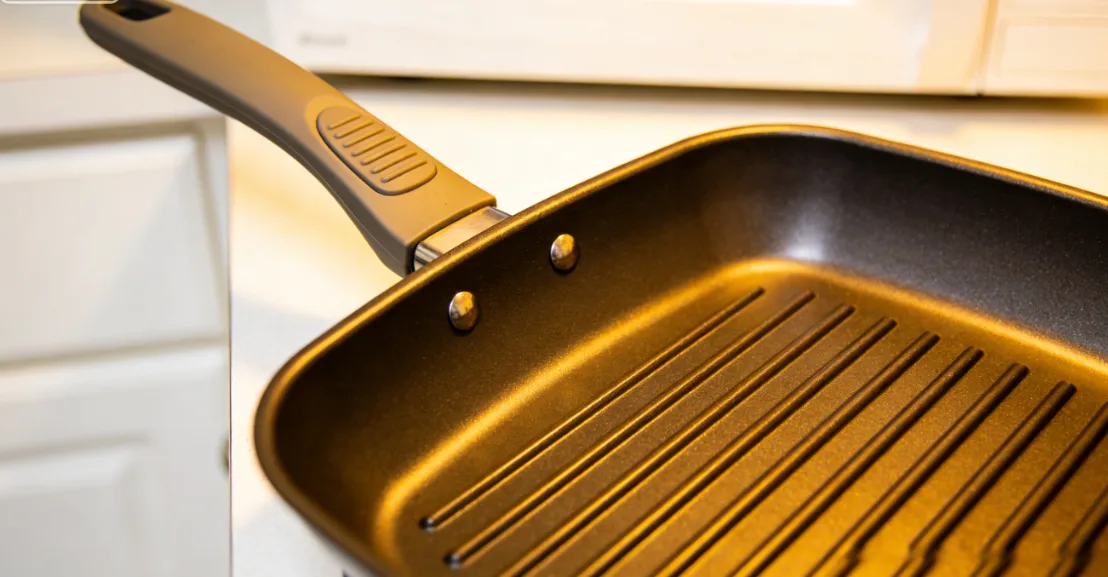
What is a Microwave Grill Pan an Microwave Grill Pan d How Does It Work?
A microwave grill pan is a specialized piece of cookware designed to convert microwave energy into thermal heat, specifically for searing and browning food. Unlike traditional plastic or glass microwave containers, these pans utilize susceptor technology.
The Science Behind the Sizzle
The base of a high-quality grill pan is often coated with a material that absorbs electromagnetic waves. Instead of the waves passing through to vibrate water molecules in the food (which causes “steaming”), the pan itself heats up to temperatures exceeding 200°C (392°F).
- Thermal Conduction: Direct contact with the heated plate creates the “Maillard reaction.”
- Microwave Shielding: Many premium pans are designed to shield the food from direct microwave exposure, ensuring it cooks via heat from the plate rather than being toughened by radiation.
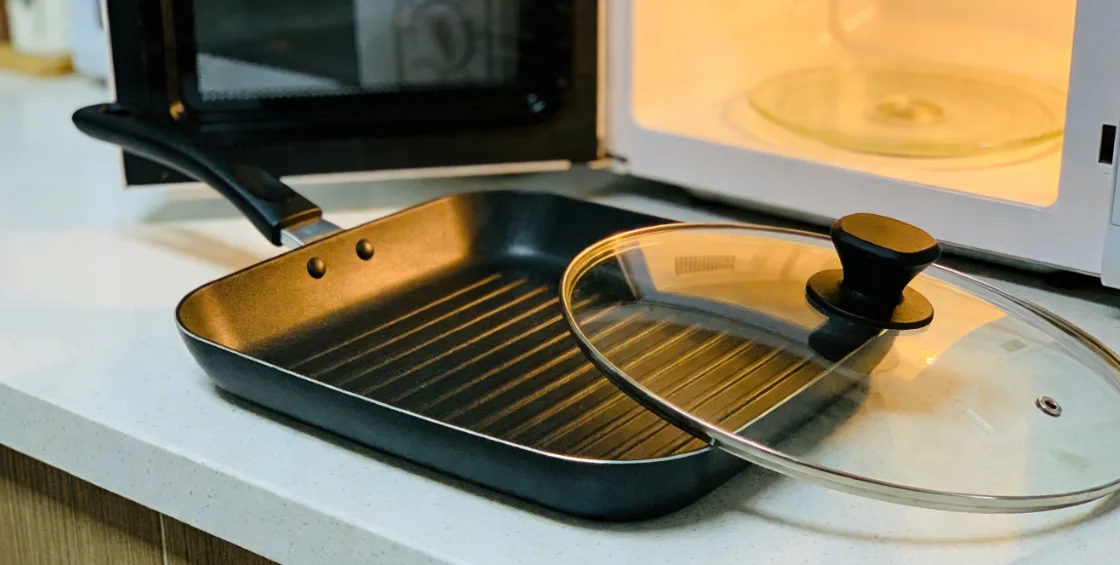
Why Should B2B Buyers Invest in Bulk Microwave Grill Cookware?
For distributors and kitchenware retailers, understanding the market shift toward multi-functional kitchen tools is vital.
Comparison: Traditional Grilling vs. Microwave Grill Pans
| Feature | Outdoor/Gas Grill | Microwave Grill Pan |
|---|---|---|
| Preheat Time | 10–15 Minutes | 2–3 Minutes |
| Cleanup | Laborious (Grates/Ash) | Dishwasher Safe / Non-stick |
| Space Requirement | Large / Outdoor | Compact / Countertop |
| Versatility | Meat/Veg only | Meat, Sandwiches, Pizza, Frozen snacks |
By offering products from microwave-grill.com, businesses can cater to the growing demographic of urban dwellers and office breakrooms looking for “speed-to-table” solutions without sacrificing texture.
How to Choose the Best Microwave Grill Pan for Your Specific Needs?
Selecting the right cookware involves more than just looking at the price tag. You must evaluate the material composition and the “non-stick” longevity.
1. Material Integrity
Most professional-grade pans use Ferrite-lined silicone or Anodized Aluminum with a specialized coating.
Pro Tip: Ensure the product is PFOA-free to meet international safety standards for food-grade contact.
2. Form Factor and Capacity
- Square Pans: Best for paninis and sandwiches.
- Round Pans: Ideal for proteins like salmon fillets or chicken breasts.
3. Maximum Temperature Threshold
Industrial-grade pans can withstand higher heat cycles. If you are looking for durability, check the product specifications for thermal shock resistance.
What are the Step-by-Step Instructions for Achieving the Perfect Sear?
To get the most out of your microwave grill, follow this professional protocol:
- Preheating (The Golden Rule): Place the empty grill pan in the microwave for 2 minutes on high power. This “charges” the susceptor.
- Light Oiling: Lightly brush the food (not the pan) with a high-smoke-point oil (like avocado or grapeseed oil).
- Placement: Place the protein on the ridges. You should hear an immediate sizzle.
- The Flip: For most meats, cook for 60% of the total time, then flip to achieve grill marks on both sides.
- Resting: Just like a traditional steak, let the meat rest for 2 minutes inside the pan after removing it from the microwave.
Is Microwave Grilling Healthy and Energy Efficient?
From a nutritional standpoint, microwave grilling preserves more water-soluble vitamins (like Vitamin C and B) because the cooking time is significantly reduced compared to boiling or long-term roasting.
Furthermore, a microwave uses approximately 70-80% less energy than a conventional oven. For commercial entities aiming for “Green Kitchen” certifications, switching certain menu items to microwave-grill preparation is a valid carbon-reduction strategy.
FAQ: Everything You Need to Know About Microwave Grill Pans
Is it safe to put a metal-looking grill pan in the microwave?
Yes, provided it is specifically engineered for microwave use. These pans use rounded edges and specialized alloys that prevent “arcing” (sparking). Always ensure the pan does not touch the interior walls of the microwave. Professional pans from reliable suppliers are rigorously tested for electromagnetic compatibility.
Can I achieve authentic charcoal flavor with this method?
While the pan provides the physical sear and texture of a grill, it does not produce smoke. To replicate charcoal flavor, we recommend using smoked sea salt or a drop of liquid smoke on your proteins. The pan handles the “crunch,” while the seasoning handles the “aroma.”
How do I maintain the non-stick surface of the grill plate?
Avoid using metal utensils which can scratch the coating. Instead, use silicone or wooden tongs. For cleaning, wait for the pan to cool completely before submerging it in water to avoid thermal shock. Most high-end models are dishwasher safe, but hand-washing extends the susceptor’s life.
What types of food are best suited for microwave grilling?
The most successful results come from “flat” foods. This includes steak, chicken thighs, asparagus, sliced zucchini, and halloumi cheese. It is also the superior method for reheating leftover pizza, as it crisps the crust while melting the cheese, preventing the “soggy” texture of traditional microwaving.
Why is my microwave grill pan not getting hot enough?
This usually occurs if the microwave’s wattage is too low (below 800W) or if the pan wasn’t preheated. For optimal results, use a microwave with 1000W or higher. Additionally, ensure the pan is placed in the center of the turntable to ensure even exposure to the magnetron’s waves.


