
How to Choose the Right Microwave Non-Stick Pizza Pan for Your Kitchen
A microwave non-stick pizza pan transforms how home cooks prepare crispy, evenly cooked pizzas without heating a conventional oven. Choosing the right pan requires evaluating material composition, size compatibility, coating durability, and heat distribution properties to match your specific cooking needs. This guide provides a systematic framework for selecting a microwave pizza pan that delivers consistent results while maintaining food safety standards and long-term value.
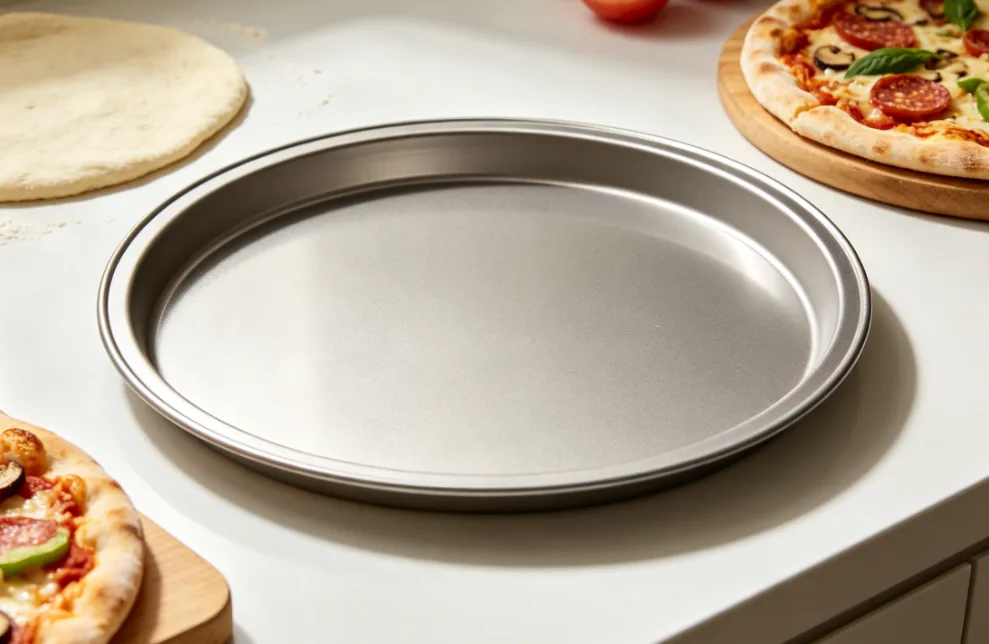
Understanding Microwave Pizza Pan Materials
Microwave pizza pans are manufactured from several material categories, each offering distinct performance characteristics. Ceramic-coated aluminum provides excellent heat conduction and weighs less than traditional steel options. Borosilicate glass pans offer superior durability and resistance to thermal shock, though they distribute heat more slowly than metal alternatives. Silicone pans fold for storage but may not achieve the same crust crispiness as rigid materials.
Aluminum cores dominate the market because they transfer microwave energy efficiently while remaining lightweight enough for daily handling. When selecting materials, verify that the pan meets for safety. The internal structure should include a ferrite layer or similar microwave-interactive component to ensure proper energy absorption and cooking performance.
Size and Microwave Compatibility
Pan diameter determines both the pizza size you can produce and how well the pan fits inside your microwave cavity. Standard sizes range from 7 inches for compact solo models to 12 inches for family-sized preparation. Measure your microwave interior before purchasing to confirm clearance on all sides—most manufacturers recommend at least 1 inch of space between the pan and cavity walls.
Turntable microwaves require pans that sit level on the rotating base, while flat-bed models offer more flexibility in placement. Some pans include integrated turntable function, acting as a rotating platform during cooking. Consider storage dimensions as well, particularly if cabinet space is limited—browsing the microwave baking pan collection reveals options ranging from compact rounds to larger rectangular formats that may require dedicated storage.
Non-Stick Coating Types and Durability
PTFE-based coatings like Teflon remain the most common non-stick surface due to their excellent food release properties and low friction coefficients. However, ceramic-based coatings have gained popularity as an alternative that performs well at high temperatures without the chemical concerns associated with PTFE. PFOA-free certifications have become standard across reputable brands, following industry safety guidelines that restrict harmful compounds in consumer products.
Coating durability depends on thickness, application method, and user maintenance practices. Multi-layer coating systems generally outlast single-layer applications by resisting scratches and degradation from metal utensils. Expect quality non-stick surfaces to maintain effective performance for 2-3 years with proper care, though heavy use may reduce this lifespan.
Heat Resistance and Cooking Performance
Maximum temperature ratings indicate how well a pan performs during extended cooking sessions. Most microwave pizza pans tolerate temperatures between 400°F and 500°F, sufficient for pizza preparation where crust browning requires sustained heat exposure. Check whether the pan includes a glass lid option for dishes requiring moisture retention—exploring the microwave frying round pan with glass lid shows how integrated lids create controlled cooking environments.
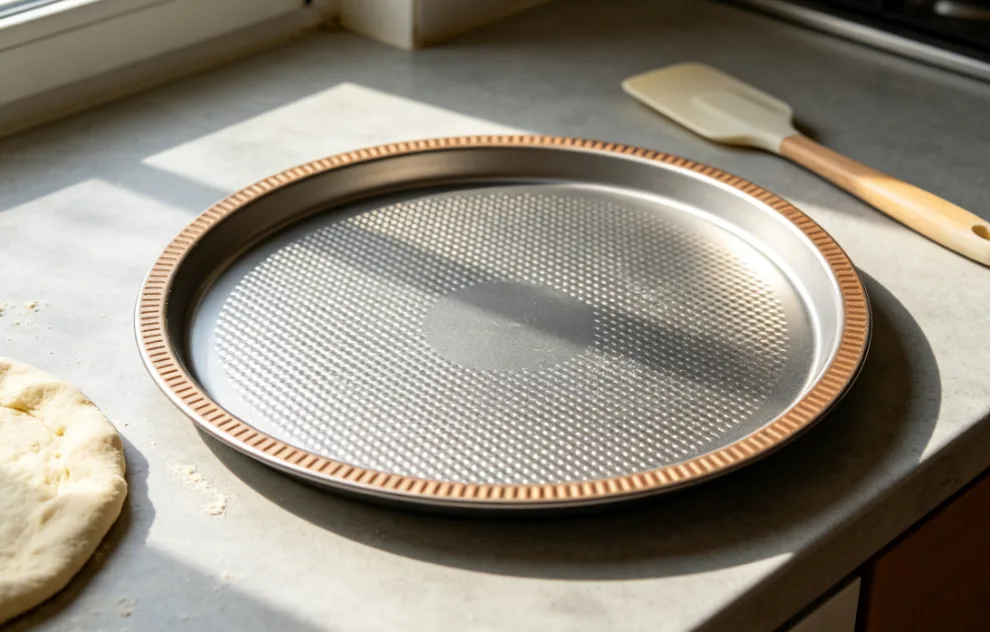
Heat distribution patterns vary significantly between pan designs. Some feature radiating grooves or channels that promote air circulation beneath the pizza crust, while others use perforated surfaces to release steam and prevent sogginess. Perforated designs generally produce crispier bottoms but require more careful handling during rotation. Consider your preferred pizza style—thin crust enthusiasts benefit from perforated or channeled surfaces, while deep-dish preparations work better with solid bases.
Shape Considerations: Round vs Square
Round pans fit most microwave turntables and promote even rotation during cooking. They distribute heat symmetrically, reducing cold spots that cause unevenly cooked pizza. Square and rectangular pans maximize interior space utilization in flat-bed microwaves, potentially accommodating larger pizza sizes than circular alternatives of similar dimension.
The microwave frying round pan category offers consistent round formats suitable for traditional pizza shapes, while the microwave frying square pan collection provides rectangular options for those prioritizing space efficiency. Square pans also function well for reheating multiple slices simultaneously or preparing non-pizza dishes like quesadillas and flatbreads.
Maintenance and Cleaning Requirements
Non-stick coating longevity depends significantly on cleaning practices and utensil selection. Hand washing with soft sponges preserves coating integrity better than dishwasher cleaning, which exposes surfaces to harsh detergents and physical agitation from other dishes. Avoid abrasive scrubbers, steel wool, and metal spatulas that scratch or dent the non-stick layer.
Food residue buildup on the turntable mechanism or pan base affects rotation smoothness and cooking uniformity. Remove the pan from the microwave for cleaning rather than cleaning inside the cavity. Some pans feature removable bases or dishwasher-safe components that simplify maintenance. For versatile cooking options, consider multi-functional designs like the microwave frying pan grill cooker that can handle various dishes beyond pizza.
Feature Comparison: Key Specifications
| Feature | Ceramic Coating | PTFE Coating | Silicone | Glass |
|---|---|---|---|---|
| Maximum Temp | 450°F | 500°F | 400°F | 450°F |
| Weight | Light | Light-Medium | Very Light | Heavy |
| Durability | Good | Very Good | Moderate | Excellent |
| Food Release | Good | Excellent | Good | Fair |
| Storage | Rigid | Rigid | Folds | Rigid |
Price vs Quality Considerations
Budget microwave pizza pans typically feature thinner coatings and less durable construction that may warp or degrade within months of regular use. Mid-range options ($20-$40) generally provide adequate performance for occasional use, balancing quality materials with accessible pricing. Premium pans ($40-$80) incorporate multi-layer coatings, reinforced bases, and ergonomic designs that justify their cost for frequent home pizza preparation.
Warranty coverage indicates manufacturer confidence in product durability. Reputable brands offer 1-3 year warranties covering coating failure and structural defects. Extended warranties through retailers provide additional protection but represent poor value unless the pan is used heavily. For comprehensive testing standards and quality assurance practices, review
Selection Checklist for Buyers
Use this checklist when evaluating microwave pizza pans:
- Confirm pan diameter fits your microwave interior with adequate clearance
- Verify temperature rating meets your cooking requirements
- Check coating type and PFOA-free certification status
- Assess weight for handling comfort and storage convenience
- Review warranty terms and manufacturer reputation
- Compare price against similar models from competing brands
- Consider multi-functional use beyond pizza preparation
Pros and Cons Summary
| Advantages | Disadvantages |
|---|---|
| Fast pizza preparation without oven preheating | May not achieve same crust quality as conventional ovens |
| Energy-efficient for single servings | Limited to specific pan sizes |
| Easy cleanup with non-stick surfaces | Coatings degrade over time with heavy use |
| Versatile for other microwave dishes | Some models produce uneven heating |
FAQs
Can I use metal utensils on a microwave non-stick pizza pan?
Metal utensils should be avoided on non-stick surfaces as they scratch and damage the coating. Use wooden, silicone, or plastic utensils to preserve pan longevity and maintain effective non-stick performance.
How long does a microwave pizza take compared to oven cooking?
Microwave pizza typically cooks in 4-7 minutes versus 10-15 minutes in a conventional oven. Cooking time varies based on pizza thickness, microwave wattage, and desired crust crispiness.
Are microwave pizza pans dishwasher safe?
Many are labeled dishwasher safe, but hand washing extends coating lifespan. Dishwasher detergents and contact with other dishes accelerate wear on non-stick surfaces.
What pizza sizes work best with these pans?
Most pans accommodate pizzas from 7-12 inches in diameter. Choose a pan at least 1 inch larger than your typical pizza to allow steam escape and easy removal.
Do microwave pizza pans work in all microwave types?
Pans are compatible with most microwave designs, but verify that the pan sits level on your turntable or flatbed. Some advanced microwaves with sensor cooking may have specific pan requirements.