
What Makes a Kitchen Odor Remover Lid Effective for Everyday Cooking?
Effective kitchen odor remover lids combine advanced filtration materials, secure sealing mechanisms, and proper ventilation design to eliminate cooking smells at the source. When evaluating lid effectiveness for everyday cooking, consider the filtration medium, lid compatibility with cookware, and maintenance requirements. This guide examines the technical specifications and practical features that distinguish high-performance odor control lids from standard kitchen covers. Understanding these factors helps home cooks select lids that genuinely reduce lingering food odors rather than merely containing them temporarily.
Understanding Odor Generation in Everyday Cooking
Cooking odors originate from volatile organic compounds (VOCs) released when food heats above certain temperatures. These compounds include sulfur compounds from proteins, fatty acid oxidation products, and various aromatic molecules that vaporize during cooking. Without proper containment, these odors spread throughout the kitchen and adjacent living spaces within minutes. Effective odor removal requires interrupting this vapor pathway before molecules disperse into ambient air.
Research from the National Institute of Standards and Technology indicates that immediate source capture reduces odor molecules by up to 85% compared to delayed ventilation. The kitchen odor remover lid must therefore create a containment barrier at the point of vapor generation. This principle applies whether using conventional stovetop cooking or microwave-based methods.
Key Features of Effective Kitchen Odor Remover Lids
Filtration Medium Technology
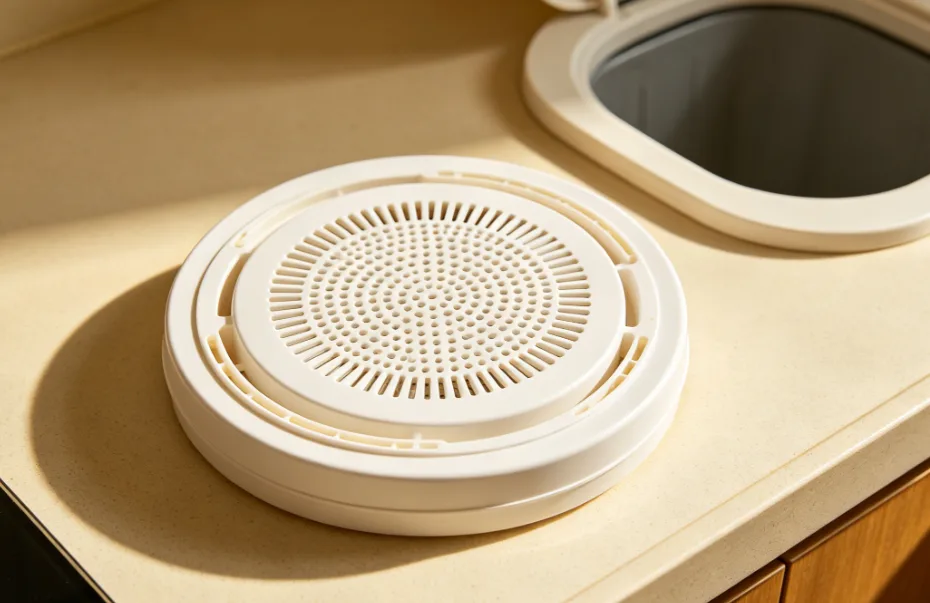
The core component of any odor remover lid is its filtration medium. Activated carbon filters remain the industry standard for VOC absorption due to their high surface area and chemical adsorption properties. A quality filter contains millions of microscopic pores that trap odor molecules through both physical adsorption and chemical bonding. The filter density determines both airflow resistance and contaminant removal efficiency.
Some advanced lids incorporate photocatalytic coatings that break down odor molecules under light exposure. According to
Sealing Performance and Airflow Design
Proper sealing prevents odor escape around the lid perimeter. Silicone gasket materials provide food-safe, heat-resistant seals that conform to irregular cookware edges. The sealing pressure must balance secure containment with safe removal. Look for lids with perimeter vent channels that direct airflow through the filter medium rather than bypassing it.
Microwave-safe designs require specific material considerations. The Microwave Baking Pan – Junsheng demonstrates how specialized cookware accommodates filter integration while maintaining microwave compatibility. These combination systems address both odor control and cooking performance requirements.
Heat Resistance and Material Safety
Kitchen odor remover lids must withstand cooking temperatures without releasing additional contaminants. High-density food-grade polymers handle continuous exposure to temperatures up to 200°C without deformation. Some designs incorporate stainless steel components for enhanced durability near stovetop burners.
Material safety certifications ensure no harmful compounds leach into food or cooking environment. The recommend clear labeling of material composition for consumer safety information. Verify that any lid you consider meets relevant food contact material regulations.
Types of Odor Control Lids for Different Cooking Methods
Microwave-Specific Odor Lids
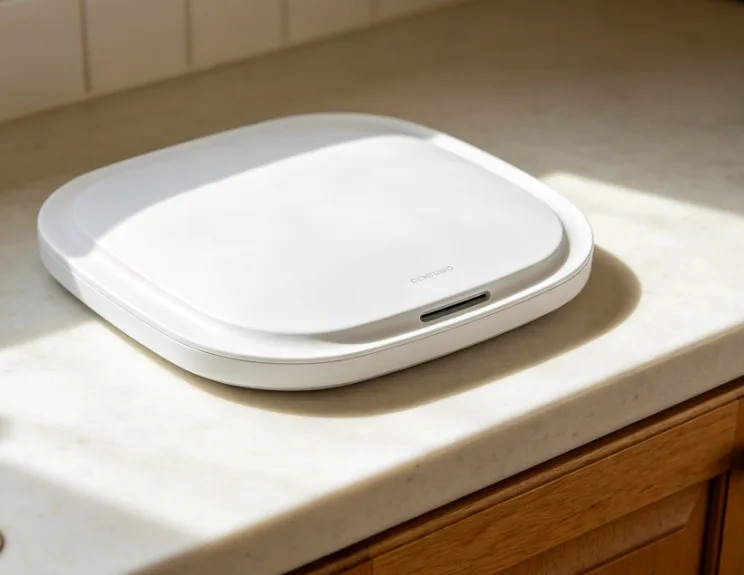
Microwave cooking presents unique odor challenges due to rapid internal heating and limited steam escape. Specialized microwave lids with integrated filters address these conditions. The Microwave Frying Pan – Junsheng options often include odor control features that capture VOCs during microwave-specific cooking methods.
These lids typically feature vented designs that prevent pressure buildup while filtering released vapors. The Microwave Frying Round Pan with Glass Lid – Junsheng demonstrates how transparent materials maintain visibility while incorporating filtration zones. Steam circulation remains critical for food quality, so vents must balance airflow with filtration efficiency.
Stovetop and Conventional Cooking Lids
Standard cookware lids for stovetop use require different design considerations. The Microwave Frying Square Pan – Junsheng designs show how filtration technology adapts to various cookware shapes. For conventional cooking, lids with activated carbon inserts fit standard pots and pans.
These universal-fit designs use adjustable clamp mechanisms to create seals across different rim diameters. The filtration cartridge usually attaches to a dedicated vent port on the lid surface. Regular filter replacement maintains odor control performance over time.
Specialized Steam and Frying Applications
High-heat cooking methods like frying generate concentrated odor loads. The Microwave Frying Pan Grill Cooker – Junsheng products demonstrate advanced filtration for intensive cooking scenarios. Steam cooking also produces distinctive odors that require dedicated filter media.
The Microwave Folding Bowl For Steaming And Baking – Junsheng shows how container-style cookware incorporates odor management. Steam escaping during cooking passes through filtration zones before dissipating into kitchen air. This direct interception approach proves more effective than post-cooking air treatment.
Maintenance Requirements for Optimal Performance
Filter replacement frequency depends on cooking intensity and duration. Typical activated carbon filters require changes every 30-60 days under regular home cooking conditions. Heavy cooking schedules with strong-odor foods may require more frequent replacement. Some systems include indicator features that signal filter saturation.
Cleaning procedures vary by lid design. Most filter housings require occasional wipe-down to remove accumulated grease deposits. Never submerge filter cartridges in water, as moisture saturates the carbon and reduces adsorption capacity. Following manufacturer cleaning guidelines preserves both hygiene and filtration performance.
Comparing Lid-Based vs. Ventilation-Based Odor Control
Traditional range hood ventilation removes cooking odors after dispersion into kitchen air. Lid-based source capture intercepts odors before they spread, requiring less energy and achieving faster results. However, ventilation systems handle larger volumes and work without cookware modifications.
The most effective approach combines source capture with supplemental ventilation. Lid-based filtration addresses immediate cooking odors while range hoods handle residual molecules. This layered approach provides comprehensive odor management for busy kitchens. According to
Selection Checklist: Choosing the Right Odor Remover Lid
When evaluating kitchen odor remover lids, consider these essential factors:
- Filter type and adsorption capacity specifications
- Compatibility with existing cookware sizes and types
- Maximum temperature ratings for intended cooking methods
- Filter replacement cost and availability
- Cleaning and maintenance requirements
- Material safety certifications and food contact compliance
- Warranty coverage and manufacturer support
Common Cooking Scenarios and Lid Performance
Fish and seafood cooking produces particularly persistent odors. Odor remover lids with high-capacity carbon filters handle these challenging compounds effectively. The rapid sealing design prevents initial odor release during the critical first minutes of heating.
High-temperature frying generates both odors and grease particles. Some advanced lids incorporate pre-filters that capture grease before it reaches the carbon medium. This extend filter life and maintains airflow through the system. The Microwave Frying Round Pan – Junsheng designs show how specialized products address specific cooking challenges.
Technical Standards and Quality Indicators
Quality odor control products reference established testing standards for air filtration performance. The provides testing protocols for evaluating filtration media under standardized conditions. Products tested to recognized standards provide reliable performance data for comparison shopping.
Look for third-party testing verification rather than manufacturer-only claims. Technical documentation should specify removal efficiency percentages for common cooking odor compounds. Transparent performance data indicates confidence in product capabilities and supports informed purchasing decisions.
Conclusion
Effective kitchen odor remover lids combine activated carbon or photocatalytic filtration, secure sealing mechanisms, and appropriate heat-resistant materials to control cooking odors at their source. The most effective options integrate seamlessly with existing cookware while providing measurable odor reduction. Consider filtration capacity, maintenance requirements, and compatibility with your cooking methods when selecting a system. Regular filter replacement and proper cleaning ensure consistent long-term performance. By understanding the technical principles behind odor control lids, home cooks can select products that genuinely improve kitchen air quality during everyday cooking.
Frequently Asked Questions
How often should I replace the filter in my kitchen odor remover lid?
Filter replacement frequency depends on cooking volume and odor intensity. Under typical home cooking conditions, replace filters every 30-60 days. Heavy cooking with strong-odor foods requires more frequent changes, approximately every 2-3 weeks.
Can I use odor remover lids in the microwave oven?
Yes, specific lids are designed for microwave use with appropriate non-metallic materials. Verify that the product explicitly states microwave compatibility before use. Microwave-specific designs include ventilation features that prevent pressure buildup.
Do odor remover lids affect cooking results?
Properly designed lids with adequate ventilation do not significantly impact cooking times or food quality. The filtration process removes odor molecules without affecting steam circulation that contributes to proper cooking. Some lids may slightly extend steam-based cooking due to controlled venting.
Are activated carbon filters safe for food contact?
Activated carbon filters are designed for air treatment, not direct food contact. These filters sit in dedicated housings that separate them from food surfaces. The filtered air passes through vents without contaminating cooking food.
What is the typical lifespan of a kitchen odor remover lid?
Quality odor remover lids last 3-5 years with proper maintenance and regular filter changes. The lid body itself typically outlasts multiple filter cartridges. Inspect seals and hinges periodically for wear that may compromise performance.


