Glass stands as the premier choice for microwave bakeware. It offers superior heat resistance, a non-reactive nature, and excellent transparency. This material ensures even cooking, effectively answering the question of which material cooks most evenly in the microwave. Its inherent safety also addresses concerns about toxic materials to avoid in microwave cookware. Glass outperforms other microwave bakeware materials, including heat-resistant ceramic bakeware and even advanced microwave safe metal technology. This post will detail glass’s advantages and compare it with other common options.
Key Takeaways
- Glass is the best material for microwave bakeware. It heats food evenly and is safe to use.
- Always check for a ‘microwave-safe’ label on bakeware. This label ensures the item is safe for microwave use.
- Never put metal in the microwave. Metal can cause sparks and damage the microwave.
- Avoid heating food in non-microwave safe plastics and Styrofoam. These materials can release harmful chemicals into your food.
Why Glass is the Top Choice for Microwave Bakeware
Glass consistently emerges as the superior material for microwave cooking. It offers a combination of properties other materials cannot match. Its inherent characteristics ensure safety, efficiency, and convenience in the kitchen.
Superior Heat Resistance and Even Cooking with Glass Microwave Bakeware
Glass possesses exceptional heat resistance. It withstands the intense temperatures generated within a microwave oven without warping or degrading. This stability prevents the material from breaking down or releasing substances into food. Glass also distributes microwave energy effectively. This even distribution promotes uniform cooking throughout the dish. Users avoid common issues like cold spots or unevenly heated food. The material’s thermal properties ensure food cooks thoroughly and consistently every time.
Non-Reactive and Safe Properties of Glass Microwave Bakeware
Glass is an inert material. It does not react with acidic or alkaline foods. This non-reactive nature means glass does not impart flavors or odors to food. More importantly, microwave-safe glass is chemical-free. It does not leach chemicals into food during heating, ensuring safety for consumers. Different types of glass contribute to this safety profile. Borosilicate glass, for example, includes boron oxide in its composition. This addition makes it highly resistant to thermal shock. It expands or contracts minimally with temperature changes. Tempered glass undergoes heat or chemical treatment. This process increases its strength. It withstands rapid temperature changes effectively. If it breaks, it shatters into small, granular pieces, reducing injury risk. Soda-lime glass is a common and versatile type. It suits many everyday applications, though it offers less resistance to thermal stress than borosilicate or tempered varieties. These compositions ensure glass remains a safe choice for food preparation.
Transparency for Monitoring Cooking Progress in Glass Microwave Bakeware
The transparent nature of glass offers a significant advantage. Cooks can easily observe the food as it heats. This visibility allows for real-time monitoring of the cooking process. Users can check doneness without opening the microwave door. They avoid interrupting the cooking cycle. This feature helps prevent both overcooking and undercooking. It provides convenience and greater control over meal preparation. The clear view ensures optimal results for various dishes.
Durability and Longevity of Glass Microwave Bakeware
Glass offers exceptional durability, making it a long-lasting investment for any kitchen. Its robust composition withstands repeated use without showing significant signs of wear. This material resists scratches effectively, maintaining its clear appearance over time. Unlike some other materials, glass does not absorb food odors or stains. This characteristic ensures each dish tastes fresh and clean, free from lingering flavors of previous meals.
The inherent strength of glass contributes significantly to its longevity. Manufacturers design specific types of glass, like borosilicate and tempered glass, to endure thermal stress. These varieties handle rapid temperature changes from refrigerator to microwave without cracking or shattering. This resilience prevents premature degradation, allowing users to rely on their glass microwave bakeware for many years. Proper care further extends the lifespan of glass items. Easy cleaning also supports their durability. This makes glass a consistently reliable tool for countless cooking tasks.
Understanding Different Types of Glass for Microwave Bakeware
Glass offers diverse options for kitchen use, each with specific properties. Understanding these variations helps users select the most appropriate items for their cooking needs. Different glass types provide distinct advantages in terms of heat tolerance and durability.
Borosilicate Glass for High Heat Tolerance in Microwave Bakeware
Borosilicate glass stands out for its exceptional resistance to high temperatures. Its manufacturing process involves substituting boric oxide for soda and lime, which are common in other glass types. Borosilicate glass must contain at least five percent boric oxide. This crucial component binds the silicate and other oxides, making the glass highly resistant to both heat and chemicals. Creating borosilicate glass requires higher temperatures during production compared to regular glass. This elevated manufacturing temperature directly contributes to its superior heat resistance. Furthermore, borosilicate glass exhibits a lower thermal expansion coefficient. This means it experiences less material stress when exposed to high temperatures, enhancing its performance in such conditions. Borosilicate glass combines silicon dioxide and boron trioxide as its main glass-forming components. This unique composition, particularly the incorporation of boron trioxide, results in a remarkably low coefficient of thermal expansion. This low thermal expansion is key to its exceptional resistance to thermal shock.
Tempered Soda-Lime Glass for Everyday Microwave Bakeware Use
Tempered soda-lime glass is a common and versatile option for everyday kitchen tasks. Manufacturers strengthen this type of glass through a tempering process, which involves rapid heating and cooling. This treatment significantly increases its resistance to impact and thermal shock compared to untreated soda-lime glass. While it does not possess the extreme heat tolerance of borosilicate glass, tempered soda-lime glass performs reliably in microwave ovens and conventional ovens within specified temperature limits. If it breaks, it shatters into small, blunt pieces, reducing the risk of injury. This makes it a safe and practical choice for many households.
Proper Care for Glass Microwave Bakeware
Maintaining glass bakeware ensures its longevity and continued performance. Users should always allow hot glass dishes to cool before washing them. For cleaning, use plastic or nylon non-scratch pads or cleansers. Wash the bakeware with detergent and water. For stubborn, baked-on food, soak the dish before using non-scratch cleansers and scrub pads designed for glass bakeware. This approach helps prevent scratching the surface. Glass bakeware is also dishwasher safe, offering convenient cleaning. Proper care extends the life of these essential kitchen items.
Other Suitable Materials for Microwave Bakeware
While glass excels, other materials also offer viable options for microwave cooking. Each material presents unique benefits and limitations. Users can select the best option based on their specific needs.
Ceramic Microwave Bakeware Considerations
Ceramic bakeware offers a good alternative for microwave use. It provides exceptional heat retention and even heat distribution. This ensures food stays warm for extended periods. In the microwave, ceramic heats uniformly, preventing cold spots or overcooked edges. It safely withstands high temperatures without warping, cracking, or releasing harmful chemicals. This makes ceramic a versatile and convenient option for heating and reheating meals. When choosing ceramic, consider the type of glaze. High-fire clays, fired to vitrification, are recommended. They prevent water absorption, making them safer for microwave use. Glazes that fit tightly and withstand thermal shock without crazing also prevent water from entering the clay body. This makes the item safe for microwave use. Avoid metal overglazes; they should never be used in the microwave. Low-fire clays are generally problematic due to their porous nature, which can trap water and cause cracking.
Microwave-Safe Plastics: Benefits and Limitations for Bakeware
Microwave-safe plastics offer convenience and lightweight properties. They are often shatterproof, making them practical for everyday use and storage. However, users must understand their limitations. Plastics have specific maximum safe temperatures. For example, Polypropylene (Number 5 Plastic) has a maximum safe temperature of 160°F (71°C). This table shows common plastic types and their temperature limits:
| Material Type | Maximum Safe Temperature |
|---|---|
| Polypropylene (Number 5 Plastic) | 160°F (71°C) |
| Food-Grade Silicone | 428°F (220°C) |
Always check for a “microwave-safe” label on plastic containers. This ensures the product meets safety standards for heating food.
Silicone Microwave Bakeware: Flexibility and Non-Stick Properties
Silicone bakeware provides excellent flexibility and non-stick characteristics. Quality silicone bakeware withstands a wide range of temperatures, typically from -40°F to 446°F (-40°C to 230°C). This makes it highly suitable for microwaving. Silicone’s flexibility allows for easy storage and handling; it can be twisted or folded without losing its shape. It offers long-term durability and reusability, maintaining its physical properties even with regular microwaving. Silicone is highly heat resistant and safe for microwave cooking. Its flexibility prevents food from sticking and contributes to its durability. Silicone’s resistance to extreme temperatures makes it ideal for recipes requiring temperature shifts. Microwave-safe silicone is a reliable and safe option for various cooking and reheating tasks. Silicone products offer versatility in shapes and sizes for microwave cooking and storage. Using silicone products in the microwave maximizes energy efficiency by ensuring even and rapid heating.
Materials to Strictly Avoid in Microwave Bakeware

When selecting items for microwave bakeware, individuals must recognize certain materials that pose significant risks and should be strictly avoided. Using inappropriate materials can lead to dangerous situations and potential health hazards.
The Dangers of Metal in Microwave Bakeware
Metal objects should never enter a microwave oven. Microwaves reflect off metal, causing arcing, sparks, and potential fire hazards. This phenomenon can severely damage the microwave oven itself. Metal also prevents food from heating properly, creating cold spots within the dish.
Non-Microwave Safe Plastics and Their Risks in Bakeware
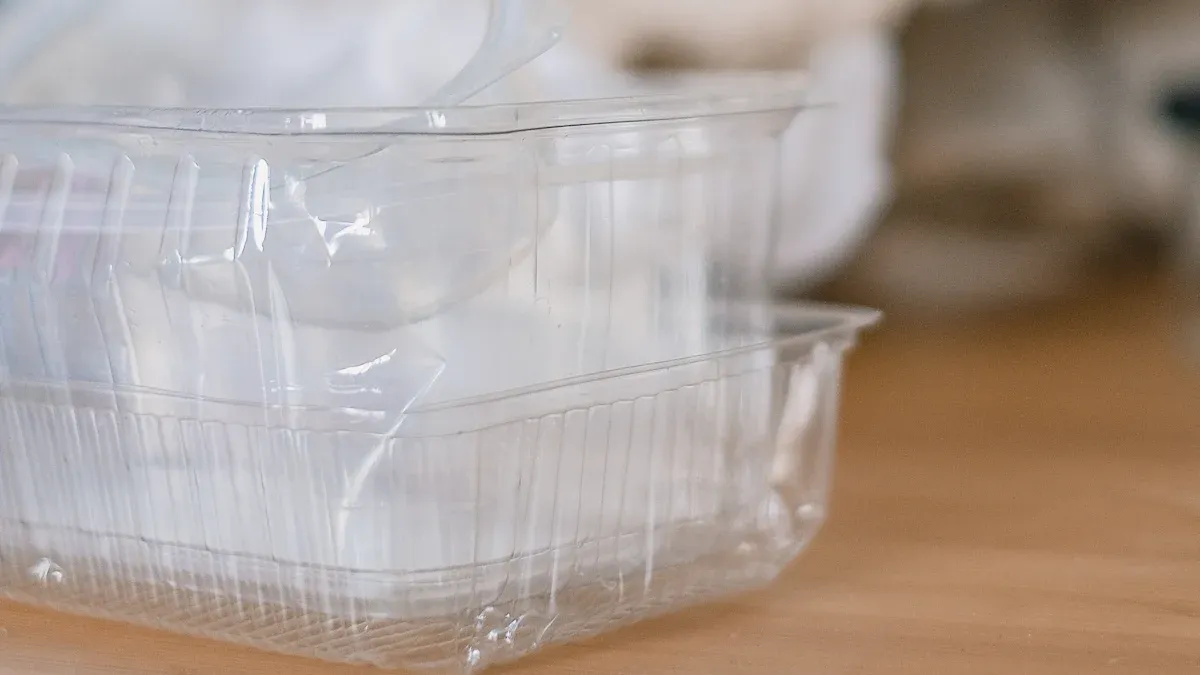
Using non-microwave safe plastics poses significant health risks. When individuals microwave food or beverages in plastic containers, chemical additives from the plastic migrate into the food. Tiny flecks of plastic, known as micro- and nanoplastics, also shed into the food. Both these chemicals and plastic particles present health concerns. Thousands of chemicals are added to plastics; 3,200 are considered “substances of concern.” These substances can cause cancer, disrupt neural development, and interfere with hormonal signals. Heating plastic accelerates both chemical migration and the shedding of microplastics. Researchers in 2003 demonstrated that repeated microwaving in commercial plastic packages increased the migration of volatile substances into food. More recently, studies on “microwave safe” baby food containers showed they released millions to billions of particles per square centimeter after heating. Many chemicals leaching from plastics are endocrine disruptors (EDCs). These EDCs interfere with hormonal signals regulating vital body processes, potentially leading to obesity, diabetes, heart disease, various cancers, and neurodevelopmental disorders. Children, newborns, and pregnant individuals are particularly vulnerable.
Why Styrofoam is Unsuitable for Microwave Bakeware
Styrofoam containers are also strictly unsuitable for microwave use. Styrofoam, a type of polystyrene, melts and deforms when exposed to microwave heat. This melting releases harmful chemical compounds directly into the food. Specifically, styrene and benzene are chemicals released from Styrofoam when heated. These substances can pose health risks. Therefore, individuals should always transfer food from Styrofoam containers to microwave-safe dishes before heating.
Key Factors When Choosing Microwave Bakeware
Selecting appropriate bakeware for microwave use requires careful consideration. Users must prioritize safety, functionality, and ease of maintenance. These factors ensure efficient cooking and long-term satisfaction with kitchen tools.
Always Check for Microwave-Safe Labeling on Bakeware
Consumers must always verify the microwave-safe labeling on bakeware. This crucial step prevents potential hazards and ensures proper performance. Wavy radiation lines consistently appear in symbols indicating microwave compatibility. These symbols sometimes include temperature or wattage limitations, suggesting use on ‘low’ settings or noting potential performance issues in high-powered microwaves. A stylized microwave oven outline with waves inside explicitly states the item is safe for microwave use. A dish or bowl icon with wavy lines above it signals the container is safe for holding or reheating food directly. Text labels like “Microwave Safe” or “Microwave Oven Safe” provide direct manufacturer assurance. For glass, ceramic, and stoneware, the microwave-safe symbol is important. Plain glassware, especially heat-tempered or borosilicate glass, is generally safe. Glazed ceramics and stoneware are often safe, but users should avoid metallic elements or decorative metallic trim. For plastics, the microwave-safe symbol is the most reliable indicator. Microwave-safe plastics often feature a recycling symbol (2 or 5) and “Microwave Safe” text. Polypropylene (PP, resin code 5) is widely accepted as one of the safest plastics for microwave usage.
Selecting the Right Size and Shape for Microwave Bakeware
The size and shape of microwave bakeware significantly influence cooking results. Users should choose dishes that fit comfortably inside their microwave oven, allowing for proper rotation if the model includes a turntable. Rectangular or oval shapes often promote more even cooking than square or round dishes, as microwaves tend to overcook corners. Shallow dishes generally cook faster and more uniformly than deep ones. Selecting the correct dimensions prevents food from spilling and ensures optimal microwave energy distribution.
Ease of Cleaning and Maintenance for Microwave Bakeware
Ease of cleaning and maintenance contributes to the overall value of microwave bakeware. Materials like glass and silicone are inherently non-porous, preventing food odors and stains from lingering. These materials are often dishwasher-safe, simplifying cleanup. Users should look for bakeware that resists scratching and maintains its appearance over time. Proper care, such as avoiding abrasive cleaners, extends the lifespan of these essential kitchen items.
Considering Your Specific Cooking Needs for Microwave Bakeware
Individuals must align their bakeware choices with their unique cooking habits. Different culinary tasks demand specific material properties. For example, someone primarily reheating leftovers might prioritize convenience and durability. They may find tempered soda-lime glass or microwave-safe plastics suitable. These materials offer quick heating and easy cleanup. They also resist breakage from frequent handling, making them practical for daily use.
Conversely, a person who frequently bakes small desserts or steams vegetables in the microwave requires different features. They might prefer silicone for its non-stick properties and flexibility. Silicone allows for easy food release and simple storage. Borosilicate glass offers superior heat tolerance for more intensive microwave cooking. It handles longer cooking times without issues and provides consistent results, crucial for delicate recipes.
Consider the frequency of use. Daily microwave users benefit from highly durable and easy-to-clean options. Glass and high-quality ceramic fit this description well. They withstand repeated use and maintain their integrity over time. These materials do not absorb odors or stains, ensuring fresh-tasting food with every use. Occasional users might find less expensive, lighter options like certain plastics more appealing. These plastics are often shatterproof, making them practical for less frequent use without concern for breakage.
Storage space also plays a role in selection. Flexible silicone bakeware can collapse for compact storage, ideal for smaller kitchens or limited cabinet space. Rigid glass or ceramic items require more cabinet space but often offer a more aesthetic presentation. Think about whether the bakeware needs to transition from microwave to table. Attractive ceramic dishes or elegant glass containers serve this dual purpose effectively, reducing the need for extra serving dishes.
Finally, consider any specific dietary needs or cooking methods. Some individuals prefer to avoid plastics entirely, opting for glass or ceramic for all heating tasks due to health concerns. Others might need bakeware with specific features like lids for splatter prevention or handles for easy removal from a hot microwave. This thoughtful approach ensures the selected bakeware enhances the cooking experience and meets all practical requirements.
Glass stands out as the optimal choice for microwave bakeware. It offers unmatched safety, performance, and versatility. While ceramic, microwave-safe plastics, and silicone provide viable alternatives for specific needs, glass consistently delivers reliable and consistent results.
Always prioritize safety and proper labeling when selecting any microwave bakeware.
FAQ
Can all glass go in the microwave?
No, not all glass is microwave safe. Borosilicate glass and tempered soda-lime glass are generally safe. Regular, non-tempered glass can shatter due to thermal shock. Always check for a “microwave-safe” label on the product.
Are all plastics safe for microwave use?
No, only plastics specifically labeled “microwave-safe” are suitable. Non-microwave safe plastics can leach harmful chemicals into food when heated. Look for specific symbols or text indicating microwave compatibility. ⚠️
Why is metal dangerous in a microwave?
Metal reflects microwaves, causing sparks and potential fires. This phenomenon can also damage the microwave oven itself. Metal prevents food from heating properly, creating cold spots within the dish.
How can individuals tell if their bakeware is microwave safe?
Individuals should look for specific symbols on the bakeware. These include wavy lines, a microwave oven outline, or text like “Microwave Safe.” These labels indicate manufacturer assurance of safety and proper performance.
What is the best material for reheating leftovers?
Glass is often the best material for reheating leftovers. It offers even heating, does not react with food, and allows for easy monitoring. Glass also cleans easily and maintains its integrity over time.