Microwave ovens are a staple in modern kitchens, offering speed and convenience. But many people wonder: can you put aluminum pans in the microwave? While aluminum containers are generally not recommended for microwave use, they can be used safely if you follow strict safety guidelines. This article will provide a comprehensive safety guide, practical tips, and advice on when to avoid using aluminum in the microwave.
Can You Put Aluminum Pans in the Microwave?
Microwave ovens work by exciting water molecules in food to generate heat. Metal, including aluminum, reflects microwaves rather than absorbing them. This reflection can cause sparks, uneven heating, or even damage the microwave.
Key point: Aluminum pans can be used in a microwave, but only with careful precautions to prevent fire hazards and equipment damage.
How to Safely Use Aluminum Pans in the Microwave
To safely heat food in aluminum containers, follow these best practices:
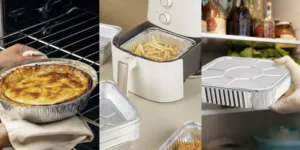
Keep it Shallow: Use shallow aluminum containers, such as takeout trays, rather than deep pans. Shallow containers reduce the risk of sparks and help food heat evenly.
Remove Lids: Always remove aluminum foil lids or sealing films before microwaving. This prevents localized overheating and reduces the risk of arcing.
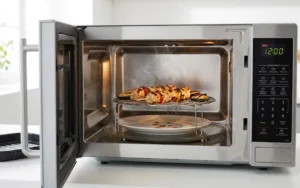
Center the Container: Place the aluminum container in the middle of the microwave turntable. Keep at least 2.5 cm (1 inch) away from the side walls.
Avoid Arcing: Ensure the aluminum does not touch the microwave walls. Only heat one container at a time.
Smooth Surfaces Only: Do not use crumpled aluminum foil, as sharp wrinkles or points can cause sparks.
Remove Packaging: Take off metal twist ties, aluminum tags, or clips.
Tip: Using shallow, smooth aluminum containers ensures safety, prevents sparking, and avoids slowing down heating or damaging the microwave.
What Happens If You Microwave Aluminum Pans Improperly
Incorrect use of aluminum in a microwave can cause:
- Sparking and Fire Hazard: Wrinkled or improperly positioned aluminum can produce sparks, potentially leading to fire.
- Microwave Damage: Metal reflecting microwaves can damage oven components or even ruin your microwave.
- Uneven Heating: Aluminum reflects microwaves, causing hot and cold spots in your food.
When NOT to Use Aluminum in the Microwave
There are situations where aluminum should never be used:
- Damaged pans with sharp bends, tears, or cracks.
- If your microwave manual explicitly forbids metal or aluminum containers.
- Leaving aluminum in the microwave unattended. If sparks appear, immediately turn the microwave off.
Safe Alternatives to Aluminum Pans
Even though aluminum can be used safely in certain cases, microwave-safe containers are always safer and more convenient:
Glass or Ceramic Containers: Ideal for evenly heating food without risk of sparks.
Microwave-Safe Plastics: Only containers labeled microwave-safe should be used.
Food Transfer Tip: Transfer food from aluminum trays to a microwave-safe container before heating.
Microwave-Safe Lids: Use plastic lids or microwave covers instead of aluminum foil.
Tips & Best Practices
Always use shallow, smooth aluminum containers.
Center the container in the microwave and maintain a safe distance from walls.
Only heat one container at a time.
Avoid prolonged heating and never leave the microwave unattended.
Conclusion
So, can you put aluminum pans in the microwave? Yes—but only if you follow strict safety guidelines. Using shallow, smooth aluminum containers, centering them, and removing any metal lids or packaging can make microwave heating safe and effective.
For everyday use, microwave-safe glass, ceramic, or plastic containers are the safest choice. Following these precautions prevents sparks, protects your microwave, and ensures food heats evenly.
Stay safe and enjoy the convenience of microwaving with confidence!