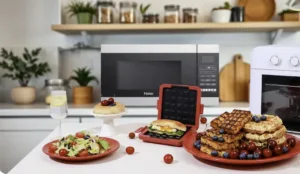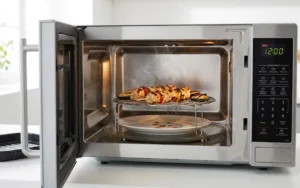
Microwave grilling technology is a hybrid heating method that uses a susceptor—a material capable of absorbing microwave energy and converting it into radiant heat. In a standard microwave, waves vibrate water molecules (dielectric heating), which often results in soggy food. However, a Microwave Grill Pan utilizes specialized alloys or ceramic-coated plates that reach temperatures exceeding 200°C (392°F) within minutes. This conversion allows for the Maillard reaction, the chemical process responsible for the browning and complex flavor profile of seared meats and toasted sandwiches.
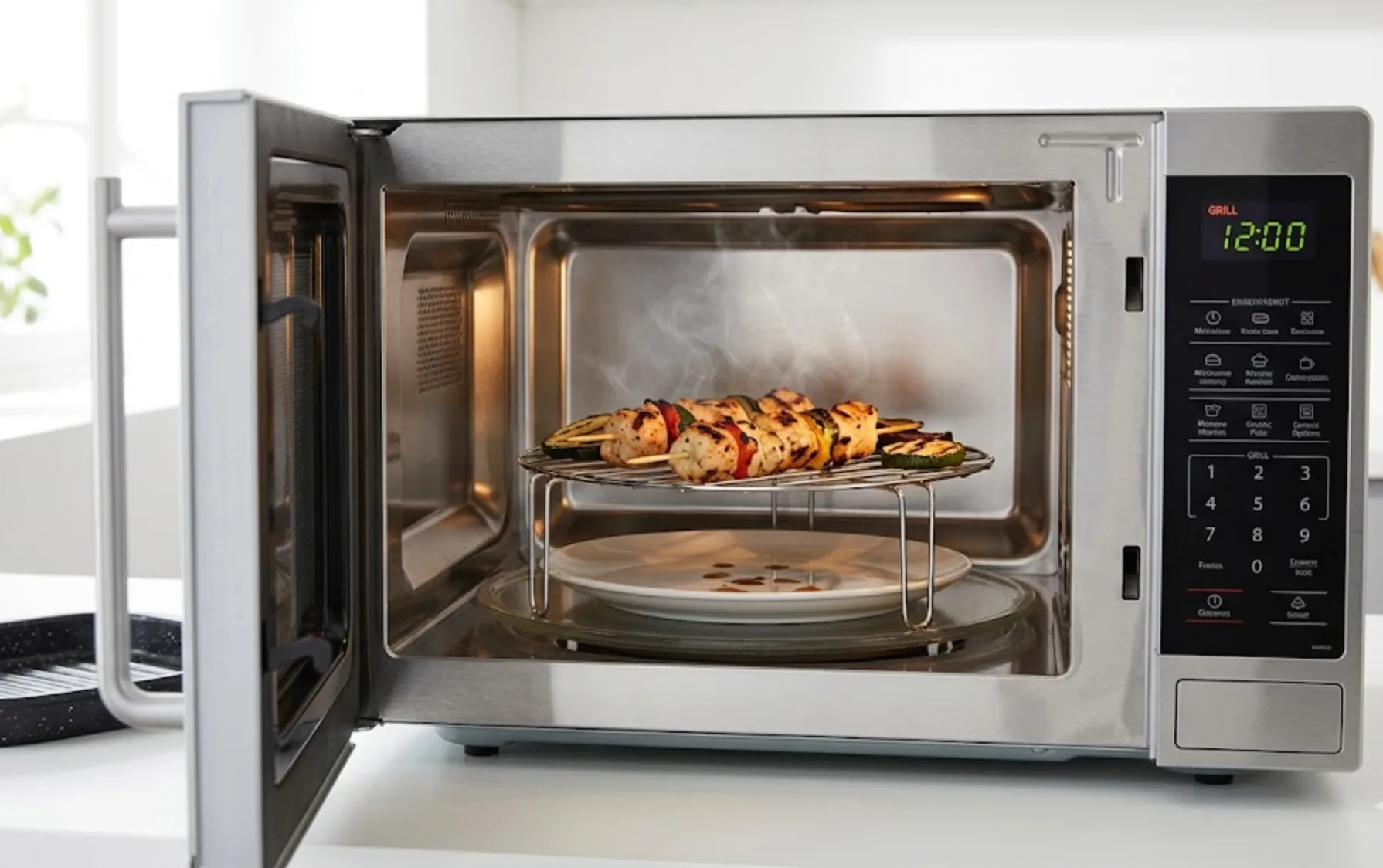
Why Is the Market for Multi-Functional Microwave Cookware Growing Globally?
The global demand for efficient kitchen solutions is driven by increasing urbanization and a rise in single-person households. According to industry data, the smart kitchen appliance market is expected to grow significantly, with a CAGR of over 6% through 2030 (Source: Grand View Research). Consumers are shifting away from single-use appliances toward versatile tools like the Microwave Grill with Lid that can grill, steam, and bake within a single compact footprint. This trend reflects a broader consumer prioritization of time-saving technology that does not sacrifice nutritional value or taste.
What Are the Nutritional Benefits of Using a Microwave Grill Pan?
Grilling in a microwave environment can be healthier than traditional frying methods due to the reduction in added fats and shorter exposure to high heat. Research published by the National Institutes of Health (Source: NIH.gov) indicates that microwave cooking preserves more water-soluble vitamins, such as Vitamin C and B-vitamins, compared to boiling. Furthermore, the raised ridges on a Microwave Grill allow excess fats to drain away from the protein, resulting in a lower-calorie final product without the carcinogens sometimes associated with open-flame charring.
Comparison of Cooking Methods and Nutrient Retention
| Cooking Method | Fat Requirement | Nutrient Retention | Maillard Reaction (Browning) |
|---|---|---|---|
|
Boiling |
None |
Low (Leaching) |
No |
|
Deep Frying |
High |
Moderate |
Yes |
|
Standard Microwave |
Low |
High |
No |
|
Microwave Grill Pan |
Minimal |
High |
Yes |
How to Achieve Professional Results with Microwave Grill Accessories?
To maximize the efficacy of Microwave Cookware, users must follow a specific thermal management protocol. Achieving the perfect sear depends on the initial temperature of the grill plates and the moisture content of the food surface.
1.Preheat the Plates: Place the empty grill pan in the microwave for approximately 120 seconds to prime the susceptor material.
2.Dry the Protein: Use a paper towel to remove surface moisture from meat or vegetables to ensure immediate searing rather than steaming.
3.Apply Pressure: Use a Microwave Grill with Lid to ensure consistent contact between the food and the heated surface.
4.Monitor Internal Temp: Because microwave grilling is faster than traditional methods, use a digital thermometer to prevent overcooking.
5.Rest the Meat: Allow proteins to rest for 2-3 minutes after removal to allow juices to redistribute.
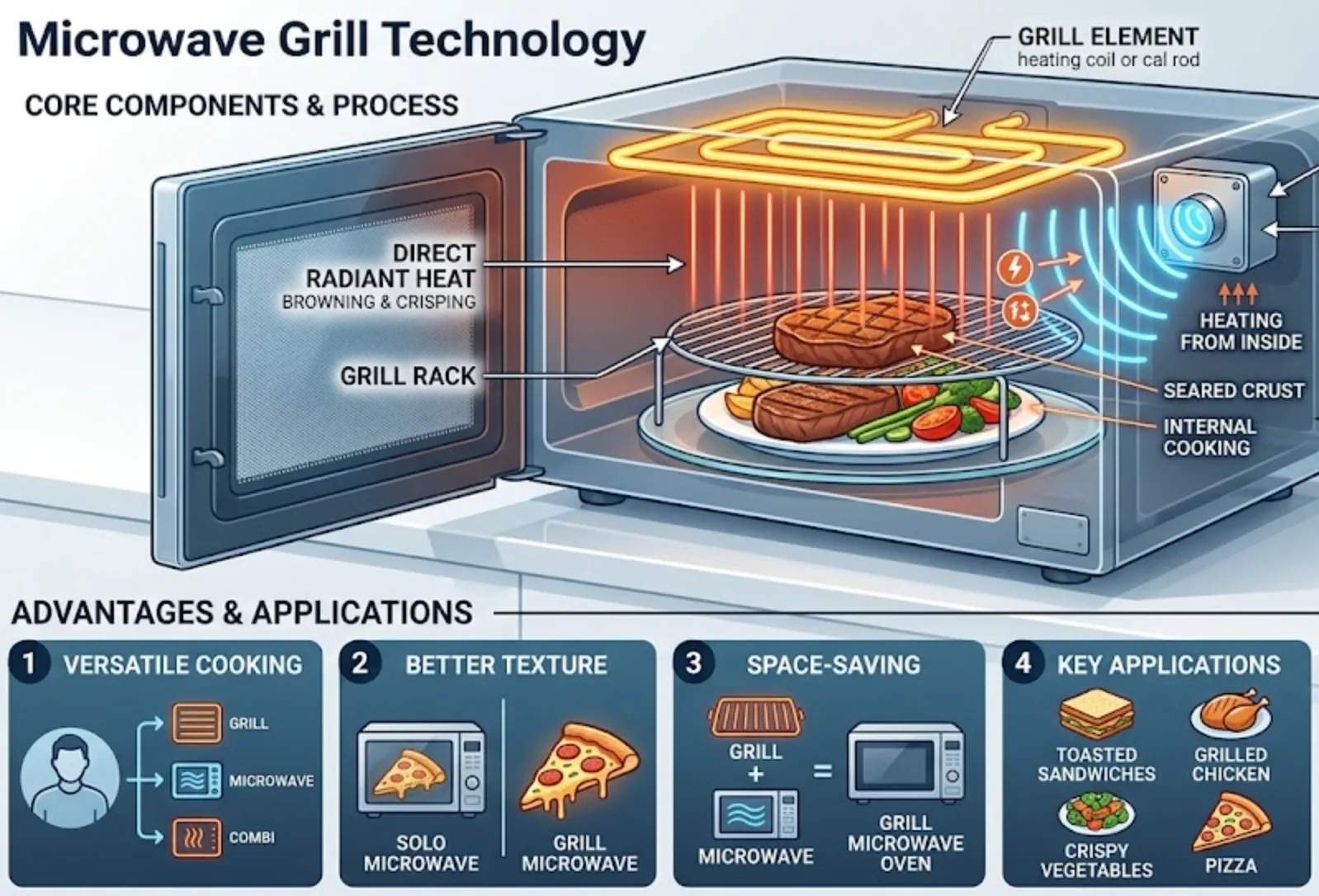
Which Materials Ensure Safety and Longevity in Microwave Grill Products?
High-quality microwave grills are constructed from FDA-approved, PFOA-free materials to ensure food safety at high temperatures. The primary chassis is usually made of high-heat resistant silicone or specialized aluminum coated with a non-stick ceramic layer. Unlike standard metal, which causes arcing (sparking) in microwaves, the geometry and coating of a Microwave Grill Pan are engineered to safely absorb waves. These materials are chosen for their high thermal conductivity and durability, often rated for thousands of cycles without degrading the non-stick surface.
How Does Microwave Grilling Reduce Household Carbon Footprints?
Energy efficiency is a primary advantage of microwave-based grilling. Traditional electric ovens require substantial energy to heat a large internal cavity and can take 15 minutes just to preheat. In contrast, a Microwave Grill focuses energy directly onto the cooking plates. Data from the U.S. Department of Energy (Source: Energy.gov) suggests that microwaves use up to 80% less energy than conventional ovens for small to medium-sized meals. This efficiency translates to lower utility costs and a reduced environmental impact for the consumer.
Why Is Surface Area Geometry Critical for Microwave Grill Performance?
The design of the grill ridges is not merely aesthetic; it is a functional requirement for moisture management. In a Microwave Grill Pan, the height and spacing of the ridges determine how effectively steam can escape. If steam is trapped under the food, the texture remains soft. By elevating the food, the grill allows for hot air circulation and fat runoff. This geometric configuration ensures that the “grill marks” are not just visual indicators but areas of concentrated thermal transfer that provide the desired “crunch” texture.
FAQ
Is it safe to use metal-based Microwave Grill Pans in my appliance?
Yes, it is safe provided the pan is specifically designed for microwave use. These products, such as those found on microwave-grill.com, use rounded geometries and protective coatings that prevent the “antenna effect” which causes sparking in traditional metal objects.
Can a Microwave Grill Pan be cleaned in a dishwasher?
Most modern Microwave Cookware is designed to be dishwasher safe. However, to maintain the integrity of the non-stick coating over several years, hand-washing with a non-abrasive sponge is recommended by material experts.
Does a Microwave Grill with Lid cook faster than one without?
Yes. A Microwave Grill with Lid creates a pressurized thermal environment, utilizing both the heated base and the heated lid to cook the food from both sides simultaneously, effectively cutting cooking time in half compared to single-sided plates.
Will a Microwave Grill Pan work in a convection microwave?
A Microwave Grill Pan is compatible with both standard and convection microwaves. In a convection model, the pan benefits from the additional hot air circulation, which can further enhance the crisping of the food surface.
What is the typical lifespan of a high-quality Microwave Grill?
With proper maintenance—avoiding metal utensils and harsh chemicals—a professional-grade Microwave Grill typically lasts between 3 to 5 years of regular use before the non-stick properties begin to diminish.