

Cooking fumes often fill open kitchens. These fumes contain fine particulate matter (PM2.5) and nitrogen dioxide (NO2). Such pollutants harm lungs and hearts. Gas stoves also release benzene, a known carcinogen linked to leukemia. Many people ask, "how to reduce kitchen smoke when cooking?" A smoke absorbing pot lid offers a powerful solution. This innovative cooking pot lid with smoke absorption technology acts as a secret weapon against kitchen odors and harmful emissions. Its increasing availability, reflected in a competitive smoke absorbing pot lid price, makes it a practical choice. Even smoke absorbing pot lid bulk suppliers now offer these. This lid helps achieve a healthier, cleaner open kitchen environment.
Key Takeaways
- A smoke-absorbing pot lid captures cooking fumes right when they start. This stops harmful particles and smells from spreading in your kitchen.
- You can improve kitchen air quality by using a powerful range hood and arranging your kitchen for good airflow. Air purifiers also help clean the air.
- Choose cooking oils with high smoke points and control your cooking temperatures. This helps prevent too much smoke from forming.
- Keep your kitchen clean and store ingredients properly. This reduces odors. Air out your kitchen after cooking to remove any leftover smells.
How a Smoke-Absorbing Pot Lid Stops Fumes at the Source

The Mechanism of a Smoke-Absorbing Pot Lid
A smoke absorbing pot lid actively captures cooking fumes directly at their source. This innovative kitchen tool features a built-in system. This system often includes a chimney, a fan, and multiple filtration layers. As steam and smoke rise from the cooking food, the lid draws them into its internal mechanism. The fan pulls the fumes through the filtration layers. These layers are designed to trap various pollutants. For example, some advanced systems use as many as four different layers. These layers capture grease molecules, charcoal soot, dense smoke, and volatile organic compounds (VOCs). VOCs are major contributors to cooking odors. The lid effectively turns cooking fumes into a cleaner vapor. This process prevents the fumes from spreading throughout the kitchen and house.
Direct Benefits for Open Kitchen Fume Control
The primary benefit of a smoke absorbing pot lid is its ability to stop fumes before they escape into the open kitchen space. Traditional pot lids simply contain steam, but they do not address smoke or odors. This specialized lid, however, actively filters the air. It prevents grease films from forming on kitchen surfaces. It also stops lingering odors from permeating furniture and fabrics. By catching oil molecules and other pollutants, the smoke absorbing pot lid ensures a cleaner cooking environment. This direct capture method significantly reduces the burden on your main kitchen ventilation system, such as a range hood. It creates a healthier atmosphere for everyone in the home.
Selecting the Best Smoke-Absorbing Pot Lid
Choosing the right smoke absorbing pot lid involves considering several factors. Look for lids with multiple filtration layers. More layers generally mean better capture of various pollutants, including grease, smoke, and VOCs. Evaluate the fan’s power and noise level. A powerful fan ensures effective fume absorption, but it should also operate quietly. Check the lid’s material for durability and ease of cleaning. Stainless steel or high-quality silicone are common choices. Ensure the lid’s size matches your most frequently used pots and pans. Some lids offer universal fit designs. Reading reviews from other users can also provide valuable insights into a specific smoke absorbing pot lid’s performance and reliability.
Enhancing Fume Control with Optimal Ventilation
Maximizing Your Range Hood’s Effectiveness
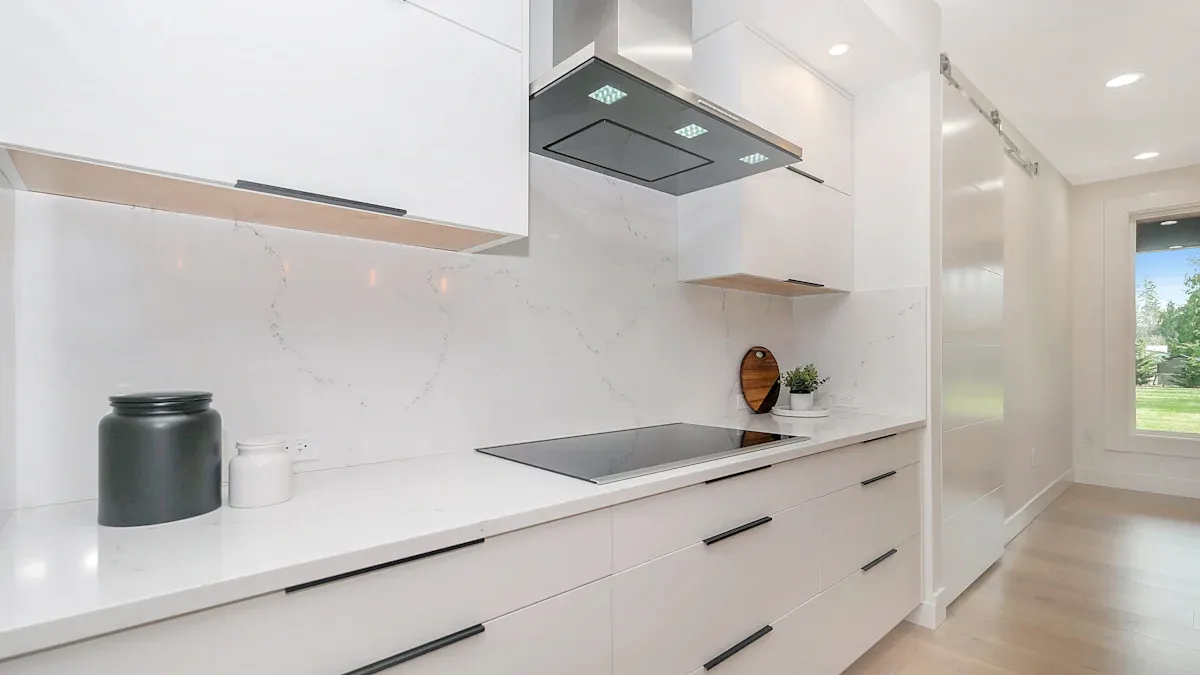
A powerful range hood works with your smoke-absorbing lid to keep your kitchen clear. For open kitchen designs, especially with frequent high-heat cooking like frying or searing, choose a range hood with a higher CFM (Cubic Feet per Minute) rating. This ensures enough airflow. Island hoods work well in open-concept kitchens. They often need higher flow rates because they lack a wall backing. Proper installation height is also key. Install most range hoods about 24 to 30 inches above the cooking surface for best results.
| Cooktop Type | Recommended Height Range (Inches) | Primary Justification |
|---|---|---|
| Electric | 20–24" | Lower heat output allows for closer, more effective capture. |
| Gas | 24–30" | Requires greater clearance due to open flames and high heat. |
| Induction | 20–36" | Varies based on priority: 20–24" for maximum capture of steam/odor, 30–36" for user comfort. |
Installing a hood too high lets smoke escape. Installing it too low creates a fire hazard and blocks your view.
Strategic Kitchen Layout for Airflow
Kitchen layout greatly affects natural ventilation. Placing windows opposite each other creates cross-ventilation. This airflow removes heat, smoke, and odors from cooking. Open-concept kitchens naturally have better air circulation. They have fewer walls to block air movement. This makes ventilation more efficient than in closed spaces. Consider where you place your cooking zones relative to windows and doors. This helps fumes exit the home more easily.
Air Purifiers as Supplementary Fume Fighters
Air purifiers can further clean your kitchen air. Look for purifiers with both HEPA filters and activated carbon. HEPA filters trap particles like dust and pollen. They do not remove gases. Activated carbon is crucial for removing VOCs (Volatile Organic Compounds) and odors. Choose purifiers with a lot of activated carbon, ideally 2-3 pounds. For heavy-duty VOC removal, models like the Austin Air HealthMate Plus or IQAir GC MultiGas are effective. The Dyson Purifier Formaldehyde Series targets formaldehyde specifically. Avoid ozone generators and be careful with ionizers, as they can produce harmful byproducts. For medium kitchens, aim for a CADR (Clean Air Delivery Rate) of at least 200 CFM. Large open spaces need 300+ CFM.
Smart Cooking Practices to Minimize Fumes
Choosing High Smoke Point Cooking Oils
The type of cooking oil significantly impacts smoke production. Oils have different smoke points. This is the temperature at which an oil begins to burn and produce smoke. Choosing oils with higher smoke points helps prevent excessive smoke. This keeps your kitchen air cleaner. For example, refined avocado oil has a very high smoke point. Extra virgin olive oil has a lower smoke point.
| Oil Type | Smoke Point (°F) |
|---|---|
| Avocado oil (refined) | 480-520 |
| Canola oil | 400-475 |
| Extra virgin olive oil | 325-400 |
| Avocado oil (unrefined) | 350-400 |
Use oils like refined avocado oil or canola oil for high-heat cooking. Reserve extra virgin olive oil for lower-heat dishes or finishing.
Mastering Cooking Temperatures to Prevent Smoke
Controlling cooking temperatures is crucial for a fume-free kitchen. Overheating oil causes it to break down and smoke. This releases unpleasant odors and harmful compounds. Always preheat your pan before adding oil. Then, add the oil and let it heat just until it shimmers. Avoid letting the oil get so hot that it starts smoking before you add food. Adjust your burner settings to maintain a consistent temperature. This prevents burning and reduces smoke. A moderate heat setting often works best for many cooking tasks.
Efficient Ingredient Preparation for Cleaner Cooking
Proper ingredient preparation also helps minimize cooking fumes. Cut ingredients into uniform sizes. This ensures they cook evenly. Unevenly cut pieces cook at different rates. Smaller pieces might burn while larger ones are still cooking. Burnt food creates more smoke and odors.
Chopping food in uneven sizes can lead to some pieces burning while others remain undercooked.
Uniform pieces cook through at the same time. This reduces the chance of burning. It also leads to a cleaner cooking process. Prepare all ingredients before you start cooking. This allows for a smoother and faster cooking experience. It also reduces the time food spends in the pan, which can prevent overcooking and smoke.
Maintaining a Fume-Free Open Kitchen Environment
Regular Cleaning for Lasting Freshness
Consistent cleaning prevents odors and grease buildup in an open kitchen. Grease and food residue can trap smells and make surfaces sticky. For fresh spills and lighter grease, dish soap and hot water work effectively. Dish soap contains surfactants that trap grease in micelles, making it easy to wipe away. For tougher, caked-on grease on ovens or cabinets, a mixture of baking soda and vinegar is highly effective. The alkalinity of baking soda reacts with vinegar’s acidity to dissolve stubborn grease. Rubbing alcohol and salt can remove dried-on grease stains. Commercial degreasers like Formula 409 or Easy-Off Oven Cleaner are useful for heavy buildup on stovetops and vent hoods. Regularly wiping down surfaces with a citrus oil-based spray also helps prevent grease accumulation.
Proper Ingredient Storage to Reduce Odors
Storing aromatic ingredients correctly prevents their smells from permeating the kitchen. Onions, garlic, and spices can release strong odors. Dark glass containers, such as amber or cobalt glass, block UV light. This helps spices retain more volatile oils. Vacuum sealing removes oxygen, which is crucial for delicate compounds like allicin in garlic powder. Oxygen exposure degrades these compounds quickly. Storing whole spices is also beneficial. Intact seeds preserve oils three times longer than ground forms. Grind spices immediately before use. Avoid storing spices near heat sources like stoves or ovens. High temperatures accelerate degradation. Airtight containers are essential for all food storage. Todd Ferensak, a culinary director, suggests investing in clear, good quality, reusable food storage containers with airtight seals. Glass containers are nonporous and do not absorb food smells, further contributing to odor reduction.
Post-Cooking Airing Strategies
After cooking, strategic airing helps dissipate residual fumes and odors. Open windows and doors to create a cross-breeze. This allows fresh air to enter and pushes fumes out. Run your range hood for 15-20 minutes after cooking. This helps clear lingering airborne particles. Placing bowls of baking soda or white vinegar around the kitchen overnight can absorb odors. Simmering citrus peels or spices in water also releases pleasant scents. Promptly clean all kitchen surfaces with a degreasing cleaner. Wash dishes immediately. Empty trash cans, especially after cooking strong-smelling foods. An air purifier with HEPA and activated carbon filters can capture particulate matter and adsorb gaseous odors. Run it during and after cooking for continuous air refreshment.
A smoke absorbing pot lid, paired with smart cooking habits, effectively manages kitchen fumes. This powerful combination ensures a healthier, more inviting open kitchen space. It significantly improves indoor air quality, reducing the risk of chronic respiratory issues and preventing persistent coughing. Good ventilation in open areas minimizes pollutant impact. This approach also protects home value by avoiding stained surfaces and costly maintenance. You transform your cooking experience with effective fume management.
FAQ
How does a smoke-absorbing pot lid function?
A smoke-absorbing pot lid uses a fan and filters. It pulls cooking fumes directly from the pot. The filters trap grease, smoke, and odors. This process cleans the air before fumes spread throughout the kitchen.
Does a smoke-absorbing lid eliminate the need for a range hood?
No, a smoke-absorbing lid complements a range hood. It captures fumes at the source. A range hood provides overall kitchen ventilation. Both work together for optimal air quality in an open kitchen.
What types of pots are compatible with smoke-absorbing lids?
Most smoke-absorbing lids fit various pot sizes. Manufacturers often design them with universal seals. Check the product specifications for diameter compatibility. Some lids work with multiple pot types, offering versatility.
How often should one clean the filters in a smoke-absorbing lid?
Cleaning frequency depends on cooking habits. Heavy users should clean filters weekly. Light users might clean them every few weeks. Regular cleaning maintains the lid’s efficiency and ensures effective fume absorption.