
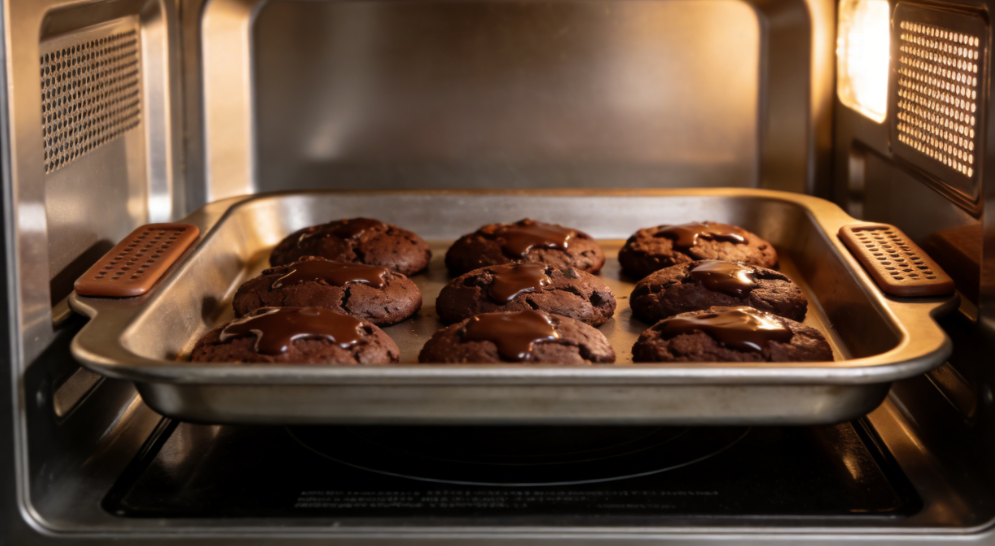
When you cook in the microwave, choosing the right materials is crucial for your health. Silicone, glass, and ceramic stand out as the safest options for your kitchen. Many people use plastics, but heating them can cause harmful chemicals to leach into your food, creating health risks. These chemicals pose particular dangers for infants and pregnant women. Even items like a microwave toastie sandwich maker or a bread baking pan for microwave use, if made from unsafe materials, can pose problems. Opting for a quality microwave baking pan made from these safe materials, whether a general-purpose dish or a specialized microwave oven pizza pan or microwave grill pan for sandwiches, ensures a healthier meal.
Key Takeaways
- Choose silicone, glass, or ceramic pans for safe microwave cooking. These materials do not put bad chemicals into your food.
- Do not use plastic, metal, or melamine in the microwave. These materials can release harmful chemicals or damage your microwave.
- Always check for a ‘microwave-safe’ label on your baking pans. This label means the pan is safe to use in the microwave.
- Look for pans with good temperature ratings and easy-to-hold designs. These features make cooking safer and simpler.
- Take good care of your pans by cleaning and storing them properly. Replace any pan that has cracks or chips.
Why Silicone is a Safe Microwave Baking Pan Choice
Silicone has become a favorite in many kitchens, and for good reason. It offers a fantastic combination of safety, convenience, and versatility, making it an excellent choice for your microwave baking needs.
Heat Resistance and Flexibility of Silicone Microwave Baking Pans
Silicone bakeware handles heat very well. Most silicone products are oven-safe up to 425°F (220°C), and some can even withstand higher temperatures, reaching up to 450°F (232°C). This high heat tolerance makes them perfectly safe for microwave use. They do not melt or warp under typical microwave cooking conditions. However, always check the specific temperature rating on your product’s packaging to be sure. This material also offers incredible flexibility. You can bend or fold silicone pans without damaging them, which makes removing baked goods a breeze. This flexibility also helps with storage, as they can fit into tight spaces.
Non-Toxic Composition of Silicone Microwave Baking Pans
One of the biggest advantages of silicone is its non-toxic nature. High-quality silicone does not contain harmful chemicals like BPA (Bisphenol A) or phthalates. These are common concerns with some plastics, but pure food-grade silicone avoids them entirely. It also does not leach toxic chemicals into your food, even when heated. This means your food stays pure and safe. To ensure you buy a safe product, look for labels like “microwave-safe” and check for certifications from regulatory bodies such as the FDA (Food and Drug Administration) in the US or LFGB (Lebensmittel- und Futtermittelgesetzbuch) in Europe. These certifications confirm the product meets strict safety standards.
Easy Cleaning and Storage for Silicone Microwave Baking Pans
Silicone’s non-stick surface makes cleaning incredibly easy. Food slides right off, and you can often wash these pans by hand with minimal effort or simply put them in the dishwasher. Beyond cleaning, silicone excels in storage efficiency. Its flexible nature allows you to fold or roll up a silicone microwave baking pan without causing any damage. This saves valuable space in your kitchen cabinets or drawers. Silicone bakeware is also lightweight, making it easy to handle and store, which is perfect for smaller kitchens. You can even use the same silicone bakeware for baking, storing leftovers in the fridge or freezer, and then reheating them in the microwave, reducing the need for multiple containers.
The Enduring Safety of Glass Microwave Baking Pans
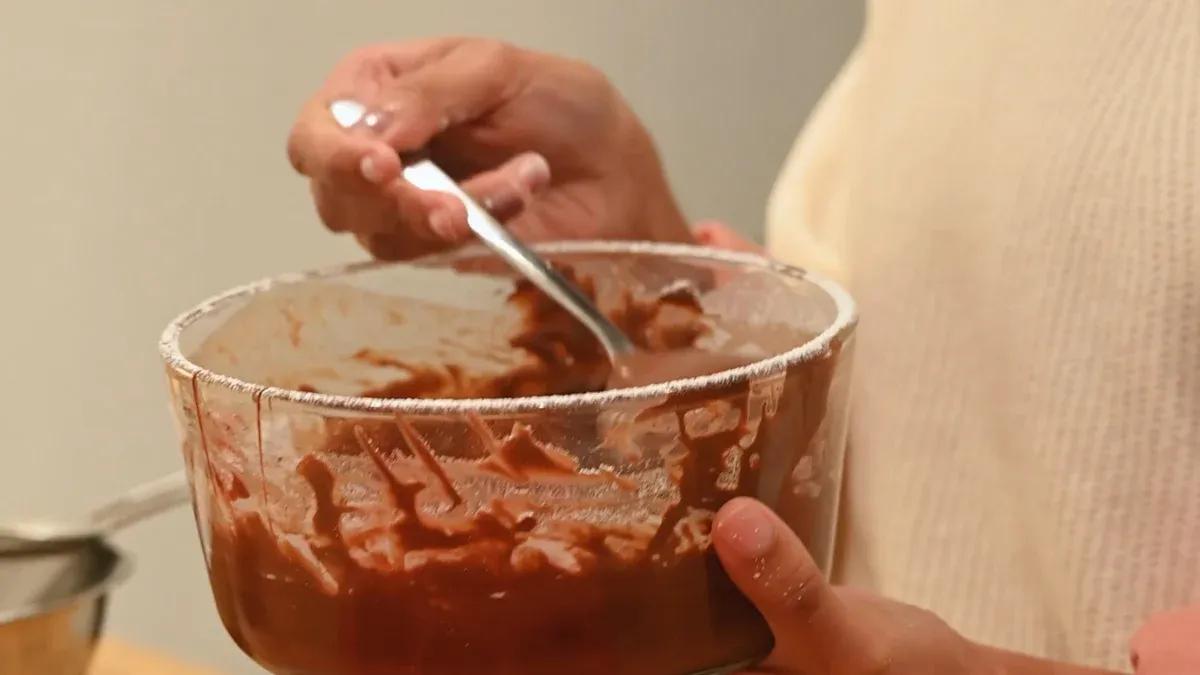
Glass offers a classic and reliable choice for microwave cooking. It provides a naturally safe option for your kitchen. Many people trust glass for its inert properties and consistent performance.
Non-Reactive and Non-Porous Glass Microwave Baking Pans
Glass does not react with food. This means it will not leach any chemicals into your meals, even when you heat them to high temperatures. Its non-porous surface also prevents it from absorbing food odors or flavors. This keeps your dishes tasting fresh and pure. You can use the same glass dish for different types of food without worrying about lingering tastes. This chemical inertness makes glass an exceptionally safe material for all your cooking needs.
Visual Cooking Advantage with Glass Microwave Baking Pans
One great benefit of glass is its transparency. This feature allows you to watch your food as it cooks.
Glass bakeware, renowned for its heat retention and ability to cook foods evenly, offers the advantage of monitoring the baking progress due to its transparent nature. You can see exactly how your dish is progressing without opening the microwave door. This helps prevent overcooking or undercooking. Thanks to its transparent nature, glass cookware lets you watch your food as it simmers, bakes, or boils. This not only adds to the cooking experience but also ensures you can make timely adjustments, preventing overflows, burns, or undercooking. It’s like having a window into the culinary process. You can also check if ingredients are evenly distributed. Another benefit of baking in glass is that it’s clear. When you fill the pan, you can see that the ingredients are evenly distributed. During cooking, glass allows you to monitor the progress on all sides, not just the top! This visual advantage makes cooking more precise and enjoyable.
Durability and Longevity of Glass Microwave Baking Pans
Glass microwave baking pans are also very durable. They resist scratches and stains well. With proper care, a good quality glass dish can last for many years. This makes them a cost-effective choice in the long run. They can handle temperature changes, though extreme, sudden changes should be avoided. This material maintains its integrity and appearance over time. It provides a reliable and safe option for all your microwave cooking needs.
Ceramic: A Naturally Safe Microwave Baking Pan Option
Ceramic bakeware brings a touch of elegance and reliable safety to your kitchen. It is a naturally safe choice for microwave cooking. Many home cooks appreciate ceramic for its beauty and dependable performance.
Glazed for Non-Reactivity in Ceramic Microwave Baking Pans
Most ceramic dishes you use for cooking have a special coating called glaze. This glaze is a smooth, non-porous layer. It makes the ceramic surface non-reactive. This means the ceramic will not interact with your food. It prevents any chemicals from leaching into your meals, even when you heat them. The glaze also stops the ceramic from absorbing food odors or flavors. So, your dishes always taste fresh and pure. You can use the same ceramic microwave baking pan for different recipes without worrying about lingering tastes. This glazed surface makes ceramic a very safe option for all your cooking needs.
Even Heat Distribution with Ceramic Microwave Baking Pans
Ceramic is fantastic at distributing heat. This quality helps your food cook evenly. Ceramics are excellent conductors of heat. This allows them to distribute heat evenly to food, leading to perfectly cooked dishes. You will not find cold spots or burnt edges when you use ceramic. This means your casseroles, desserts, or leftovers heat up uniformly. High-quality ceramic ensures even heat distribution and uniform cooking. It also retains heat to keep food warm. So, your meal stays hot longer after you take it out of the microwave. This makes ceramic great for serving food directly from the microwave to the table.
Aesthetic Appeal of Ceramic Microwave Baking Pans
Beyond its safety and cooking performance, ceramic offers beautiful aesthetics. You can find ceramic dishes in many colors, shapes, and designs. They look great in any kitchen. Many people love that ceramic bakeware can go straight from the microwave to the dining table. This saves you from using extra serving dishes. It also makes cleanup easier. Ceramic adds a touch of sophistication to your meal presentation. It combines practicality with style, making your cooking experience more enjoyable.
Materials to Avoid for Microwave Baking Pans
While some materials offer safe and convenient microwave cooking, others pose significant risks. Knowing which materials to avoid is just as important as knowing which ones to use. You must protect your health and your appliance.
The Dangers of Plastic Microwave Baking Pans
Many people use plastic containers in the microwave for convenience. However, heating plastic can release harmful substances into your food. Research shows that “microwave safe” polypropylene (#5) baby food containers released between 4.2 million and 1.2 billion plastic particles per square centimeter after microwave heating.
Heating plastic in microwaves causes chemical additives to leach into food. These additives, numbering in the thousands, include approximately 3,200 substances of concern known to cause cancer, disrupt neural development, and interfere with hormonal signals.
This chemical migration and microplastic shedding accelerate with heat. Many chemicals from plastics are endocrine disruptors (EDCs). These EDCs interfere with hormonal signals. They can lead to obesity, diabetes, heart disease, various cancers, and reproductive issues. Children, newborns, and pregnant individuals are especially vulnerable. Specific chemicals like BPA (Bisphenol A), Phthalates, and PFAS (Per- and polyfluoroalkyl substances) can leach from plastic into food. This process speeds up with heat, time, or if the food is fatty or acidic.
Why Metal is Never Safe for Microwave Baking Pans
You should never put metal in a microwave. Metal reflects microwaves. This reflection can cause sparks or even fires. Regular aluminum foil, for example, traps energy and can create a ball of glowing plasma. This can damage your appliance.
If the microwave has metal shelves or a metal turntable, using foil containers or metal pans can disrupt electromagnetic waves and cause electrical arcing.
Metal also prevents microwaves from reaching your food. This results in uneven heating. Food completely covered by aluminum foil or placed in a covered metal pan will not cook properly.
Melamine and Other Composite Materials for Microwave Baking Pans
Melamine is a synthetic plastic. It combines melamine and formaldehyde chemicals. While durable, it only handles temperatures up to about 120°F. Microwaves heat food much hotter, often to 140-212°F or more. This heat causes melamine’s internal structure to break down.
A 2013 study published in JAMA Internal Medicine involving 16 healthy volunteers who consumed hot noodle soup from melamine bowls found detectable levels of melamine in participants’ urine. This indicates chemical migration from the melamine into the food when heated.
When melamine breaks down, it releases dangerous chemicals into your food. These include formaldehyde, a known cancer-causing chemical, and melamine compounds that can damage kidneys. The FDA strongly advises against microwaving melamine dinnerware. Frequent microwaving also causes melamine dishes to become brittle, discolored, and show premature wear. This makes them unsafe for use as a microwave baking pan.
Key Features for Safe Microwave Baking Pans
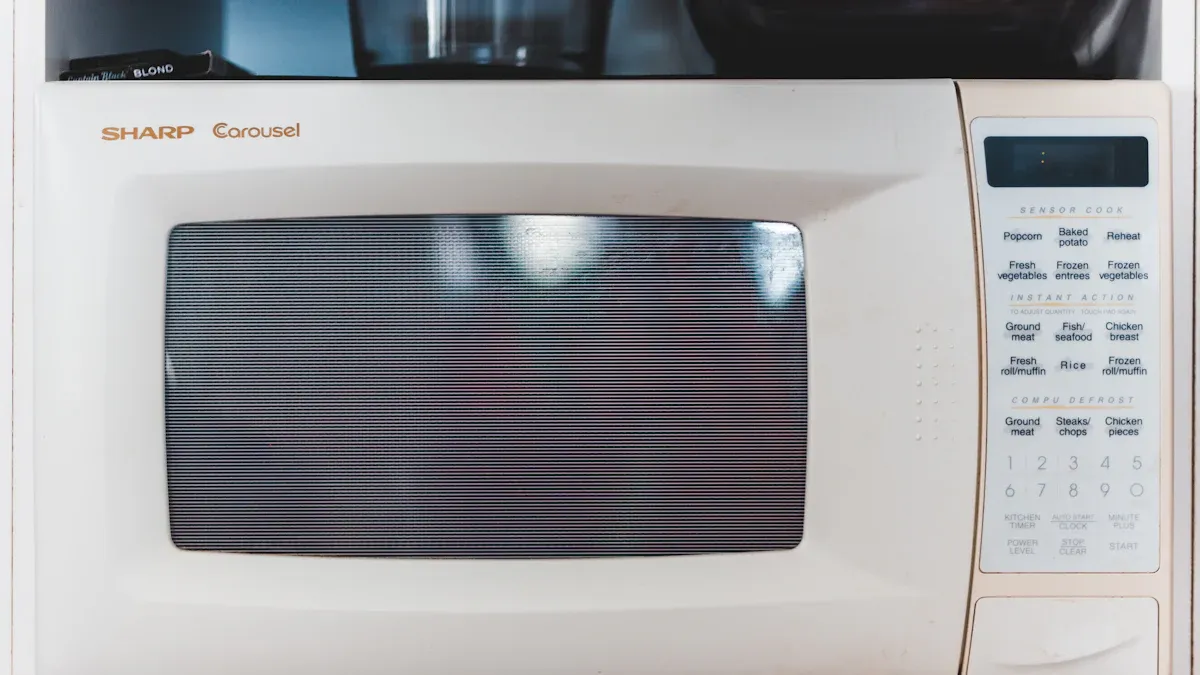
Choosing the right microwave baking pan involves more than just material. You should also look for specific features that enhance safety and ease of use. These details make a big difference in your kitchen experience.
Microwave-Safe Labeling for Baking Pans
Always check for a “microwave-safe” label on your baking pans. This label tells you the manufacturer has tested the item for microwave use. You might see a few different symbols. Some items have wavy lines only, often three horizontal squiggles, which represent microwave energy. Another common symbol is a microwave icon with waves inside the cavity. This explicitly shows the item is safe for microwave ovens. You might also find a dish or bowl with waves above it, signaling it can hold or reheat food. Sometimes, the item simply has the text label “Microwave Safe” or “Microwave Oven Safe” printed on it. These markings confirm the product can handle heat and electromagnetic exposure without issues.
Temperature Ratings for Baking Pans
Understanding a pan’s temperature rating is crucial. This rating tells you the maximum heat the pan can safely withstand. For example, Made In porcelain bakeware is microwave safe and oven safe up to 650°F. A Portable Collapsible Food Grade Pizza Tray can withstand temperatures up to 230°C for microwave use. Always check the specific temperature limits on your product. This ensures the pan remains stable and safe during cooking.
Ergonomic Design of Baking Pans
Good design makes a microwave baking pan safer and easier to handle. Non-stick coatings, for instance, prevent food from sticking. This simplifies cleanup and reduces food waste. These coatings also help distribute heat evenly, preventing burnt spots. Non-stick surfaces contribute to safety by preventing arcing, which can damage your microwave. Ergonomic handle designs are also important. Features like soft grips, textured surfaces, and contoured shapes make gripping comfortable. They minimize hand fatigue. Pans with smooth, curved oval profiles fit the palm naturally, providing a secure grip. Lightweight and balanced designs make maneuvering easy, even when the pan is full. Unique contours can also optimize space inside your microwave and promote better heat distribution.
Top Microwave Baking Pan Recommendations for 2025
Choosing the right bakeware makes a big difference in your kitchen. For 2025, several excellent options stand out for their safety and performance in the microwave. These recommendations focus on materials known for their reliability and health benefits.
Best Silicone Microwave Baking Pans
Silicone bakeware continues to gain popularity for its incredible versatility and safety. These pans offer excellent non-stick properties, making food release effortless. They are also incredibly easy to clean, often requiring just a quick rinse or a trip through the dishwasher. Users appreciate their ability to distribute heat evenly, which helps prevent hot spots and ensures consistent cooking. Silicone pans are durable and long-lasting, resisting wear and tear even with frequent use. They also boast impressive resistance to high temperatures, making them perfectly safe for microwave use. Importantly, high-quality silicone is safe for human health, even after extensive use. A significant advantage is their ability to transition seamlessly from freezer to oven, microwave, or dishwasher without affecting their quality or the food inside.
Best Glass Microwave Baking Pan Sets
Glass microwave baking pan sets remain a timeless and reliable option for many kitchens. Their transparent nature allows cooks to monitor food as it heats, ensuring perfect results every time. Glass is non-reactive, meaning it will not leach chemicals into your food, even at high temperatures. These sets are also incredibly durable, resisting scratches and maintaining their clarity over time. Many sets come with lids, making them ideal for both cooking and storing leftovers. Glass offers a classic aesthetic and dependable performance, making it a staple for safe microwave cooking.
Best Ceramic Microwave Baking Dishes
Ceramic dishes offer both beauty and robust performance for microwave cooking. Several brands stand out for their commitment to safety and quality. Xtrema, for example, offers 100% pure ceramic bakeware, including an 8.5-inch square cake pan. Their products comply with FDA and California Prop 65 guidelines for lead and cadmium, showing a strong safety record. Staub, a brand known for stoneware designed in France, finishes its products with glass porcelain. These dishes are scratch- and thermal shock-resistant. They are oven- and broiler-safe up to 572°F, and people easily use them in the microwave oven. Made In provides ceramic bakeware made from high-fired clay. Their products are oven safe up to 482°F. They feature a thermal shock-resistant enameled surface, making them microwave, freezer, and dishwasher safe. Made In also emphasizes environmental stewardship, adding another layer of appeal to their ceramic offerings. These brands provide excellent options for a safe and effective microwave baking pan.
Maintaining Your Safe Microwave Baking Pans
Proper care extends the life of your safe bakeware. It also ensures continued safety and performance. Knowing how to clean, store, and when to replace your pans helps you get the most from them.
Proper Cleaning Techniques for Microwave Baking Pans
Cleaning your silicone, glass, and ceramic pans is usually straightforward. For silicone, its non-stick surface makes food release easy. You can wash silicone by hand with warm, soapy water or place it in the dishwasher. Glass pans are also non-porous and dishwasher safe. For stubborn food, a gentle scrub brush or non-abrasive sponge works well. Ceramic dishes, especially those with a glaze, clean up easily in the dishwasher or with hand washing. Avoid harsh abrasive cleaners on any of these materials. They can damage surfaces, particularly glazes on ceramic. Always clean your microwave baking pan promptly after use to prevent food from drying and sticking.
Storage Best Practices for Microwave Baking Pans
Storing your safe bakeware correctly helps maintain its condition. Silicone pans are flexible. You can fold or roll them, which saves valuable cabinet space. Glass pans stack well, but place a cloth or paper towel between them to prevent chipping or scratching. This protects their surfaces. Store ceramic dishes individually or use soft dividers. This prevents scratches on their glazed surfaces. Always keep all your pans in a dry, clean area. Proper storage prevents damage and keeps them ready for your next cooking adventure.
When to Replace Your Microwave Baking Pans
Even the best pans eventually need replacing. Look for specific signs of wear. For silicone, if it becomes sticky, tears, or shows permanent discoloration that does not wash off, it is time for a new one. Glass pans with cracks, chips, or deep scratches should go. These damages compromise their structural integrity and can make them unsafe. For ceramic, replace any dish with cracks or chips in the glaze. This exposes the porous material underneath, which can harbor bacteria. Replacing damaged bakeware ensures your continued safety and optimal cooking results.
When choosing bakeware for your kitchen, prioritize silicone, glass, and ceramic. These materials offer reliable, non-toxic cooking.
- Always check for microwave-safe labeling on any bakeware you buy. This simple step confirms its suitability.
- Investing in a safe microwave baking pan protects your health. It ensures peace of mind in your kitchen. Make informed choices for every meal.
FAQ
Can you use any glass dish in the microwave?
No, you cannot use just any glass dish. Always look for a “microwave-safe” label or symbol on the bottom of the dish. This ensures the glass can handle microwave heat without cracking or breaking. Regular drinking glasses or decorative glass may not be safe.
How do you know if your silicone pan is food-grade?
Look for certifications like FDA (Food and Drug Administration) or LFGB (Lebensmittel- und Futtermittelgesetzbuch) on the packaging. These labels confirm the silicone meets strict safety standards for food contact. High-quality silicone does not contain harmful chemicals.
Is it safe to put ceramic dishes with metal trim in the microwave?
No, never put ceramic dishes with metal trim in the microwave. Metal reflects microwaves, which can cause sparks, arcing, and even fires. This also damages your microwave oven. Always choose ceramic dishes without any metallic decorations.
What should you do if your microwave-safe pan gets a crack or chip?
You should replace it immediately. Cracks or chips compromise the pan’s integrity. They can cause further breakage during heating. For ceramic, a damaged glaze exposes porous material, which can harbor bacteria. Safety always comes first.