
The global kitchenware landscape is undergoing a radical shift. As urban living spaces shrink and the pace of life accelerates, the global microwave accessories market growth is hitting unprecedented levels. For importers and bulk distributors, identifying high-potential products isn’t just about finding what sells; it’s about finding what solves the modern consumer’s biggest frustration: the “soggy” microwave result.
Traditional microwave cooking relies on exciting water molecules, which often leads to steamed, rubbery food. However, the emergence of the specialized microwave frying pan—designed to induce the Maillard reaction in microwave environments—has changed the game. This guide dives deep into the essential features that make these pans a high-margin kitchen appliance for importers and why they are essential for today’s eco-conscious, time-poor consumer.
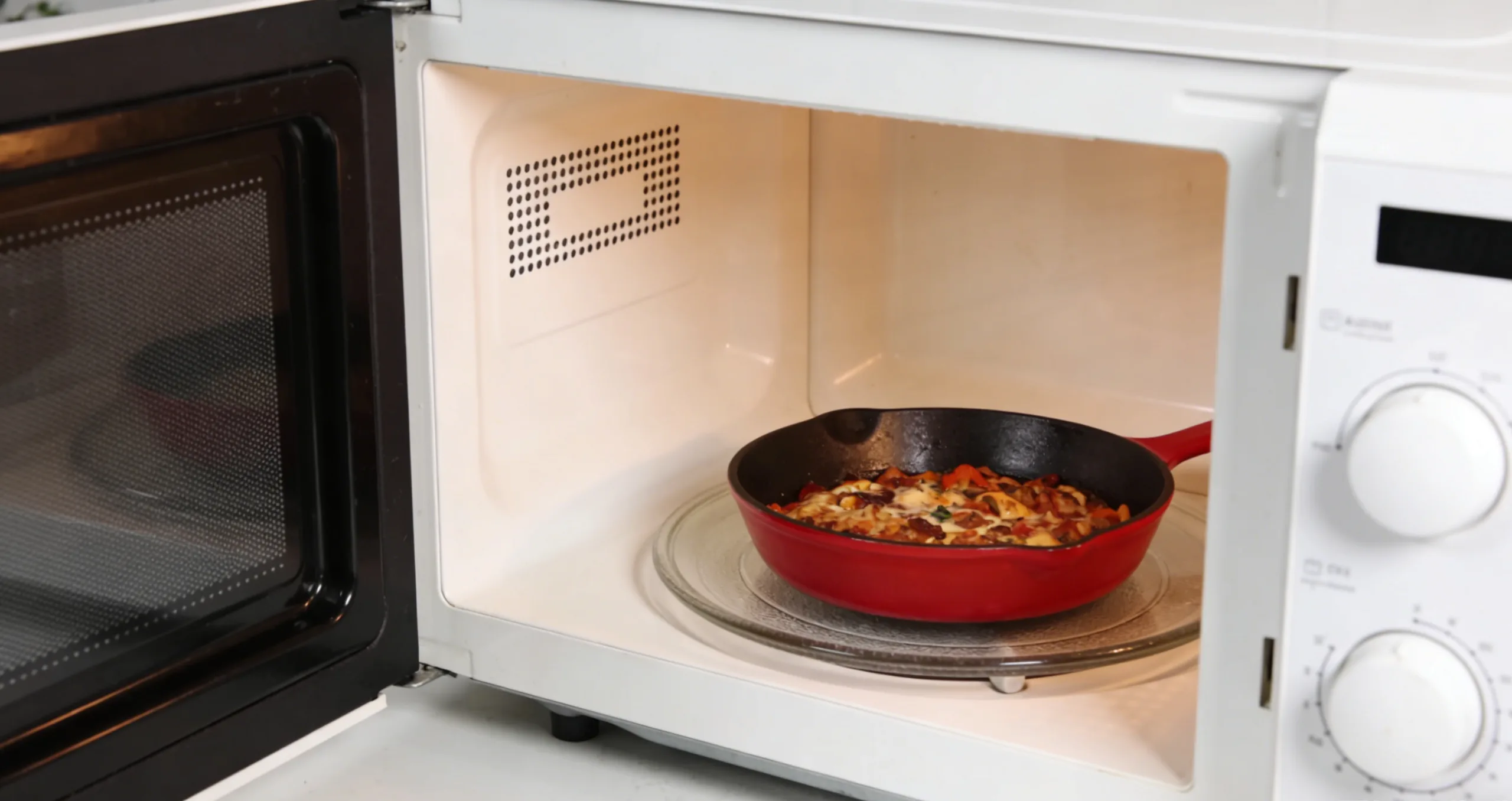
Why is the demand for microwave grilling increasing?
The surge in demand is driven by a convergence of lifestyle changes and technological advancements. Consumers are no longer satisfied with a microwave that only reheats leftovers; they want a device that cooks raw proteins and vegetables to perfection.
- Urbanization and Small Kitchens: In metropolitan hubs, many apartments lack full-sized ovens. A high-quality microwave frying pan turns a basic appliance into a versatile grill.
- Health Consciousness: There is a massive shift toward healthy oil-free microwave cooking. Consumers want the “fried” taste without the saturated fats associated with deep-frying.
- Energy Efficiency: Using a microwave for 10 minutes is significantly more energy-efficient than preheating and running a 3000-watt conventional oven for 40 minutes, aligning with the rise of eco-friendly microwave cooking solutions.
Can a microwave frying pan achieve a crispy texture?
One of the most common questions from skeptical buyers is whether a microwave can truly “fry.” The answer lies in materials science. Professional-grade microwave frying pans use susceptor technology.
A susceptor is a material that absorbs microwave energy and converts it into thermal heat. When this material is integrated into the base of a pan, the surface temperature can reach over 200°C (392°F). This intense contact heat triggers the Maillard reaction, a chemical reaction between amino acids and reducing sugars that gives browned food its distinctive flavor and crispy texture.
Comparison: Traditional Microwaving vs. Microwave Frying Pan
| Feature | Traditional Microwave Heating | Microwave Frying Pan Cooking |
|---|---|---|
| Heat Mechanism | Molecular friction (dielectric heating) | Contact heat + Dielectric heating |
| Surface Result | Moist, soft, or rubbery | Crispy, browned, and seared |
| Maillard Reaction | Minimal to none | High (above 140°C) |
| Oil Required | Variable | Minimal to zero (oil-free) |
| Texture | Steamed | Grilled/Fried |
What are the consumer pain points with traditional microwave cooking?
To sell effectively, importers must understand what consumers are currently frustrated with. Identifying these “pain points” allows for better marketing positioning.
- The “Soggy” Factor: Traditional microwaving traps steam, making breaded items or pizzas soft and unappealing.
- Lack of Flavor Development: Without the browning process, meat often looks grey and lacks the depth of flavor found in pan-seared dishes.
- Uneven Cooking: Everyone has experienced a meal that is boiling on the edges and frozen in the center.
- Health Concerns: Old-fashioned plastic “microwave-safe” containers often leach chemicals when heated, driving the demand for food-grade, metal-alloy, or silicone-hybrid pans.
Which material technologies ensure the best heat distribution?
When sourcing, the first feature an importer should inspect is the material composition. Not all “microwave grills” are created equal.
Advanced Susceptor Coatings
The base must be coated with a high-performance electromagnetic wave-absorbing material. High-quality pans use a proprietary blend of ferrite and ceramic that ensures the pan reaches searing temperatures within 90 to 120 seconds.
Heat-Resistant Silicone or Cool-Touch Polymers
While the interior must get hot, the exterior handles and lid must remain safe to touch. Look for pans that utilize FDA-approved, BPA-free silicone. This provides a dual benefit: safety and a non-slip grip.
Non-Stick Surface Durability
Importers should prioritize PFOA-free non-stick coatings. Since these pans reach higher temperatures than standard microwave containers, the coating must be rated for high-heat stability to prevent peeling or off-gassing.
How does the lid design impact cooking results?
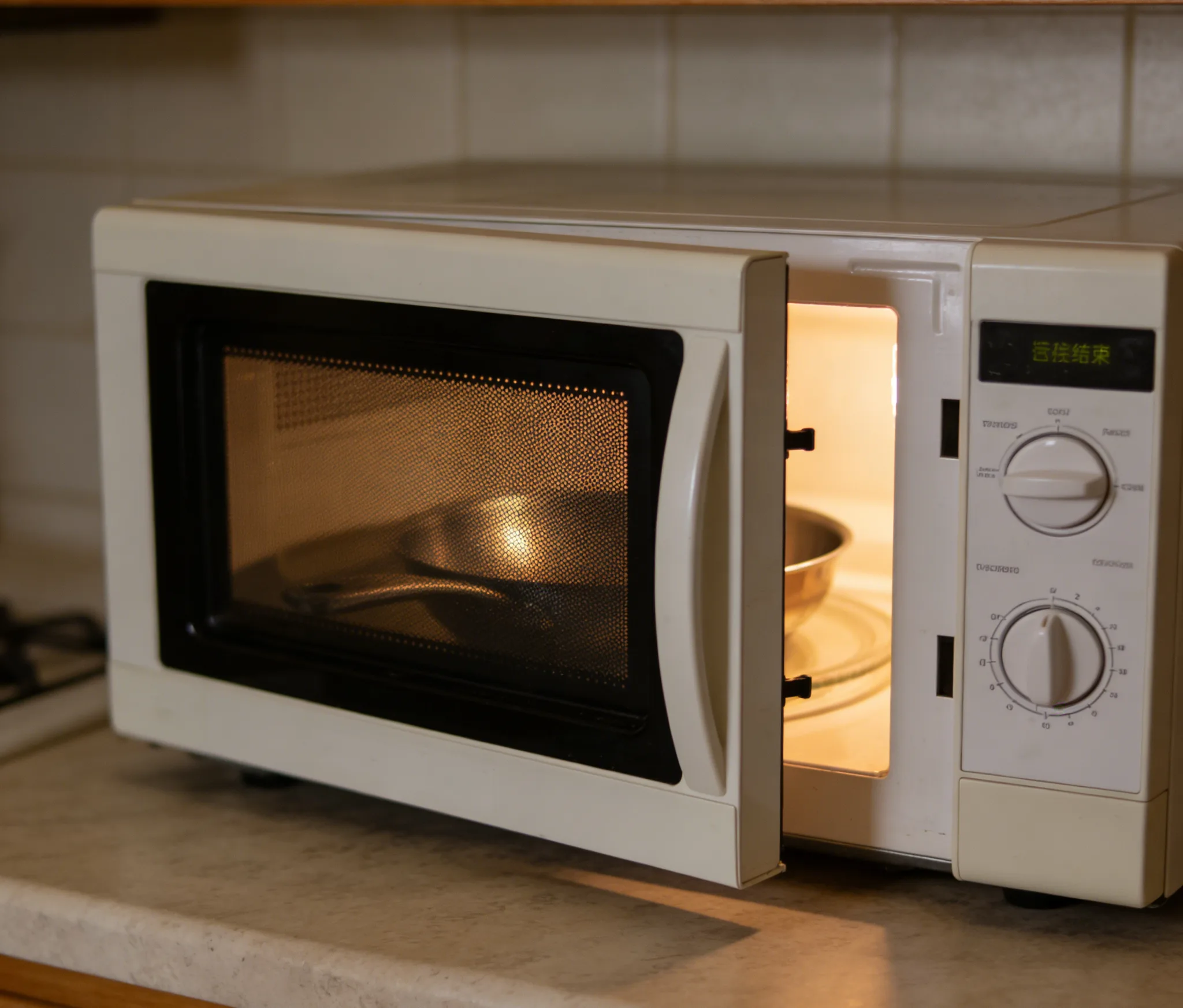
A feature often overlooked by novice importers is the lid. In microwave frying, the lid serves two critical functions: moisture control and wave shielding.
Steam Venting Systems
A high-quality microwave frying pan features a lid with adjustable or precision-engineered steam vents. By allowing a specific amount of steam to escape, the pan prevents the food from “stewing” in its own juices, which is vital for maintaining a crispy exterior.
Microwave Shielding
Some advanced lids are designed to block microwaves from hitting the top of the food directly. This forces the energy to be absorbed primarily by the pan’s base. This “bottom-up” heating mimics a stovetop frying pan, ensuring the bottom of a steak sears before the top becomes overcooked and tough.
Why is ease of cleaning a top priority for market demand?
In the context of microwave cookware market demand, “convenience” is the king of features. If a pan is difficult to clean, the consumer will revert to using disposable plates or basic glass bowls.
Dishwasher Safety
Importers should verify that the materials can withstand the high-alkaline environment of a dishwasher. Many low-end pans lose their susceptor effectiveness after a few dishwashing cycles due to corrosion.
Integrated Grease Grooves
Look for designs that include “grill lines” or grooves. These serve two purposes:
- Health: They allow excess fats to drain away from the food, supporting the healthy oil-free microwave cooking trend.
- Cleanliness: They prevent the food from sitting in a pool of oil, which makes the pan easier to wipe down after use.
How does a microwave frying pan improve meal prep efficiency?
For the modern professional, time is the most valuable currency. The efficiency of these pans is a major selling point in the multi-functional microwave grill pan trends.
Speed of Searing
A traditional stovetop pan requires preheating the burner, then the pan, then the oil. A microwave frying pan achieves cooking temperature almost instantly. A frozen salmon fillet can be thawed and seared with “grill marks” in under 8 minutes.
One-Pot Solution
These pans often function as a prep-dish, cooking vessel, and serving plate. This reduction in “dishes to wash” is a significant driver for Global microwave accessories market growth.
What safety certifications are mandatory for global importers?
As high-margin kitchen appliances for importers, these products must meet stringent international safety standards to avoid legal liabilities and returns.
- FDA/LFGB Compliance: The non-stick coating and silicone components must be certified food-safe.
- RoHS/REACH: Ensures no hazardous substances are used in the electronic-absorbing materials.
- Thermal Shock Resistance: The pan must be tested to transition from a hot microwave to a cold countertop without cracking or warping.
FAQ
What are the main benefits of a microwave frying pan?
The primary benefit is the ability to achieve “oven-like” results in a fraction of the time. It allows for the Maillard reaction in microwave cooking, meaning you get crispy, browned surfaces on meats, sandwiches, and vegetables. Additionally, it supports healthy oil-free microwave cooking, as the high-contact heat often eliminates the need for excess fats or butter.
Is it safe to use metal-based frying pans in the microwave?
Specifically designed microwave frying pans use “microwave-safe” metal alloys and are often encased in silicone or special coatings. Unlike a standard fork or aluminum foil, these pans are engineered with rounded edges and specific thicknesses that prevent “arcing” (sparking). Importers should always ensure their suppliers provide specific safety test reports for microwave compatibility.
Why is this considered a high-margin product for importers?
The microwave cookware market demand is shifting from low-cost plastic containers to high-value functional tools. Because these pans solve a specific problem (soggy food) and utilize advanced material technology, they command a much higher retail price point than standard Tupperware, allowing for better profit margins in the e-commerce and retail sectors.
Can these pans be used for frozen foods?
Yes, they are exceptionally efficient for frozen items like pizza, breaded chicken, or frozen dumplings. The pan’s base thaws and crisps the bottom of the food simultaneously, preventing the soggy texture usually associated with defrosting frozen goods in a microwave. This makes them a key part of multi-functional microwave grill pan trends.
How do I market these to eco-conscious consumers?
Focus on the eco-friendly microwave cooking solutions aspect. Highlight that using a microwave frying pan reduces total energy consumption compared to a traditional oven. Furthermore, emphasize the durability of the product—high-quality pans are designed to last years, reducing the waste associated with cheap, disposable microwave plastics that warp and need frequent replacement.
By focusing on these five features—advanced material technology, lid design, ease of cleaning, safety certifications, and multifunctional efficiency—importers can capitalize on the growing global microwave accessories market. These products are not just “gadgets”; they are essential tools for the modern, healthy, and efficient kitchen.