
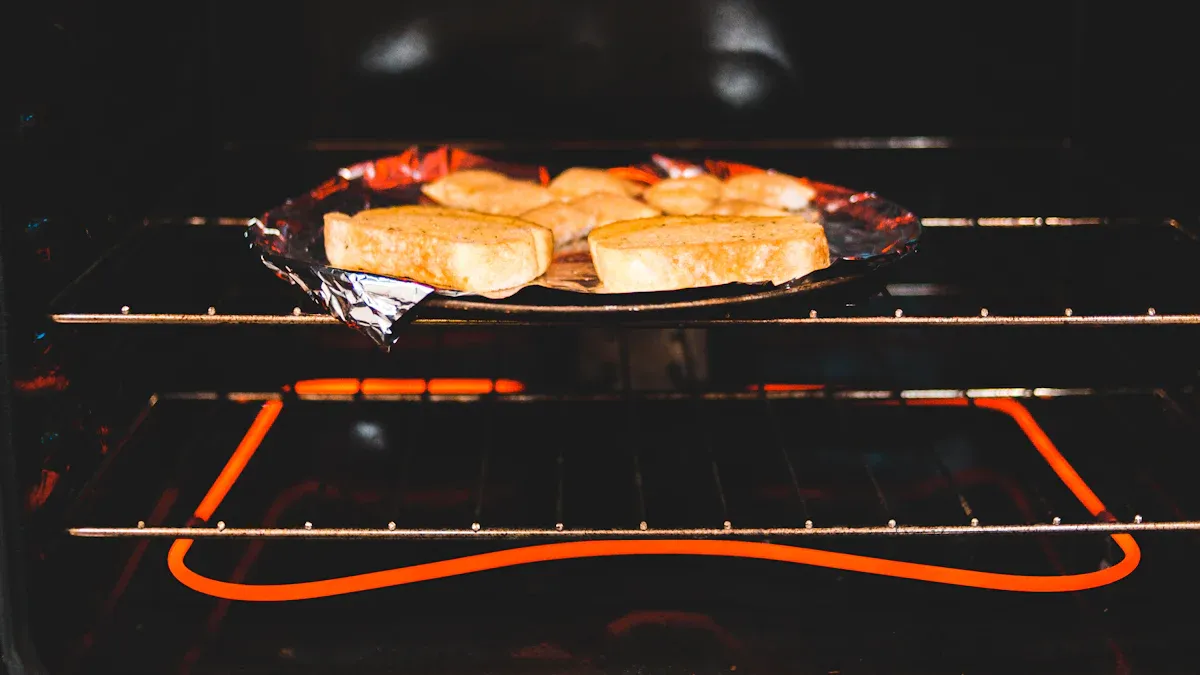
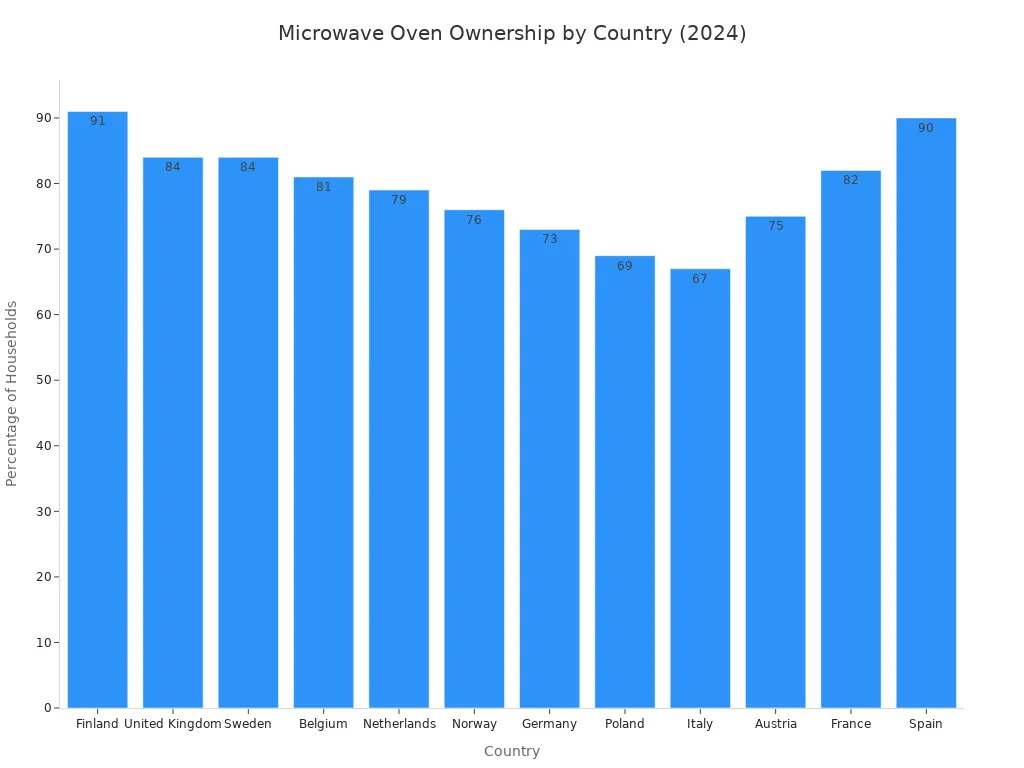
Discover the surprising range of delicious meals a Microwave Grill Pan creates. It achieves perfect browning and searing for a grilled taste, right in your microwave. This unlocks new culinary possibilities for quick, easy cooking. Traditional microwave methods often cause non-uniform heating. A Microwave Baking Pan or a Microwave Grill Pan with Lid resolves these issues. It offers easy recipes for microwave grill pan users, showing what to cook in a microwave grill pan. Microwave-specific appliances are common, as this chart illustrates.
Key Takeaways
- A microwave grill pan uses special materials to get very hot. This helps food get brown and crispy, just like on a regular grill.
- You can cook many different foods in a microwave grill pan. These include meats, vegetables, sandwiches, and even some desserts.
- For the best results, always heat the grill pan first. Also, use a little oil and do not put too much food in the pan at one time.
How Your Microwave Grill Pan Works for Perfect Grilling
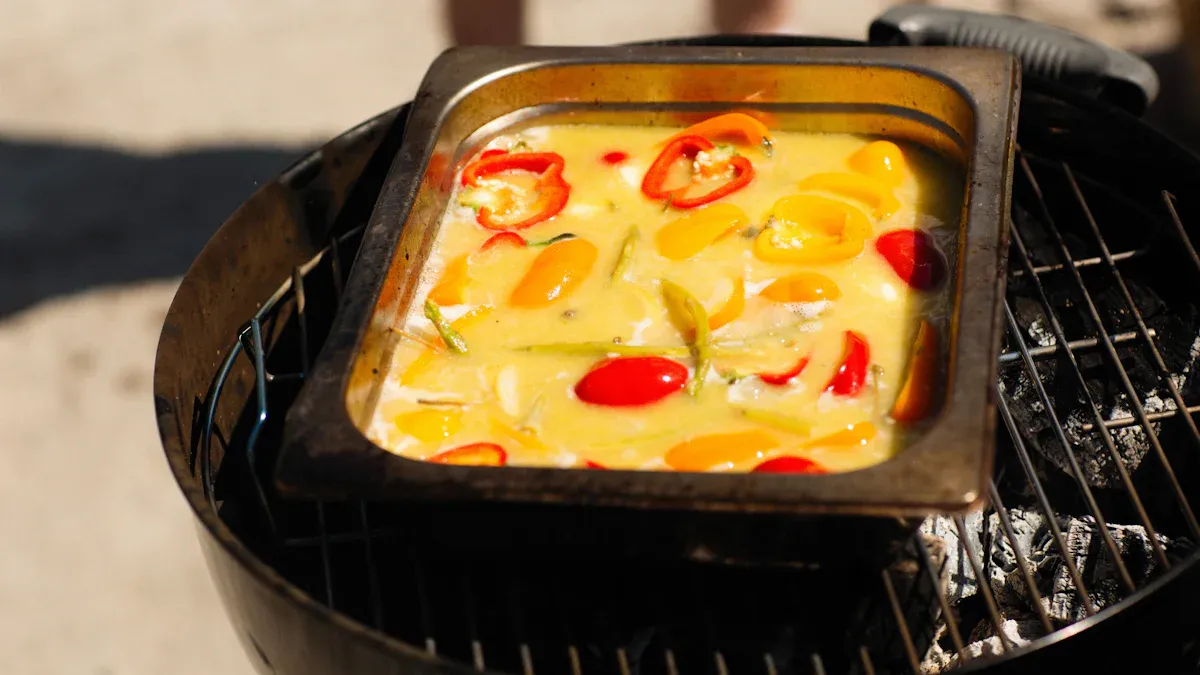
A Microwave Grill Pan transforms microwave cooking. It moves beyond simple reheating. This innovative kitchen tool allows users to achieve the desirable browning and searing typically associated with traditional grilling methods. It harnesses microwave energy in a unique way.
The Science Behind Searing and Browning
The interaction of microwave energy with the grill pan’s material generates heat for searing. This process involves radiation. Heat waves, specifically microwaves, penetrate the material. This leads to a buildup of thermal energy within the pan. Microwave grill pans utilize susceptor technology. This specialized material absorbs microwave energy. It efficiently converts this energy into intense heat. This rapid heat generation creates a hot surface. This surface is essential for searing food. It also produces authentic grill marks. The Maillard reaction is a chemical process. It involves amino acids and reducing sugars. This reaction forms melanoidins. These compounds are responsible for the distinctive flavor and brown color in foods. This non-enzymatic browning typically occurs rapidly at temperatures ranging from 140 to 165 °C (280 to 330 °F). The Maillard reaction proceeds through several stages. The early stage involves the initial condensation of a reducing sugar’s carbonyl group with an amino acid’s amino group. This forms a Schiff base or an Amadori rearrangement product. The intermediate stage sees fragmentation of the Amadori product. This leads to various reactive intermediates. The final stage produces a wide range of Maillard Reaction Products (MRPs). These include flavor compounds, pigments, and brown nitrogenous polymers called melanoidins. They contribute to the characteristic browning of food.
Achieving Authentic Grill Marks
The design of a Microwave Grill Pan specifically facilitates the creation of grill marks. The pan’s surface features raised ridges. These ridges make direct contact with the food. The intense heat generated by the susceptor material transfers directly to these contact points. This localized heat causes rapid searing and caramelization. The materials used in these pans are crucial for this effect. Manufacturers often use metal alloy or ferrite material for the pan’s construction. These materials efficiently absorb microwave energy. They then convert it into the high temperatures needed for grilling. This focused heat transfer creates the distinct, charred lines. These lines are characteristic of outdoor grilling.
Diverse Dishes You Can Cook in a Microwave Grill Pan
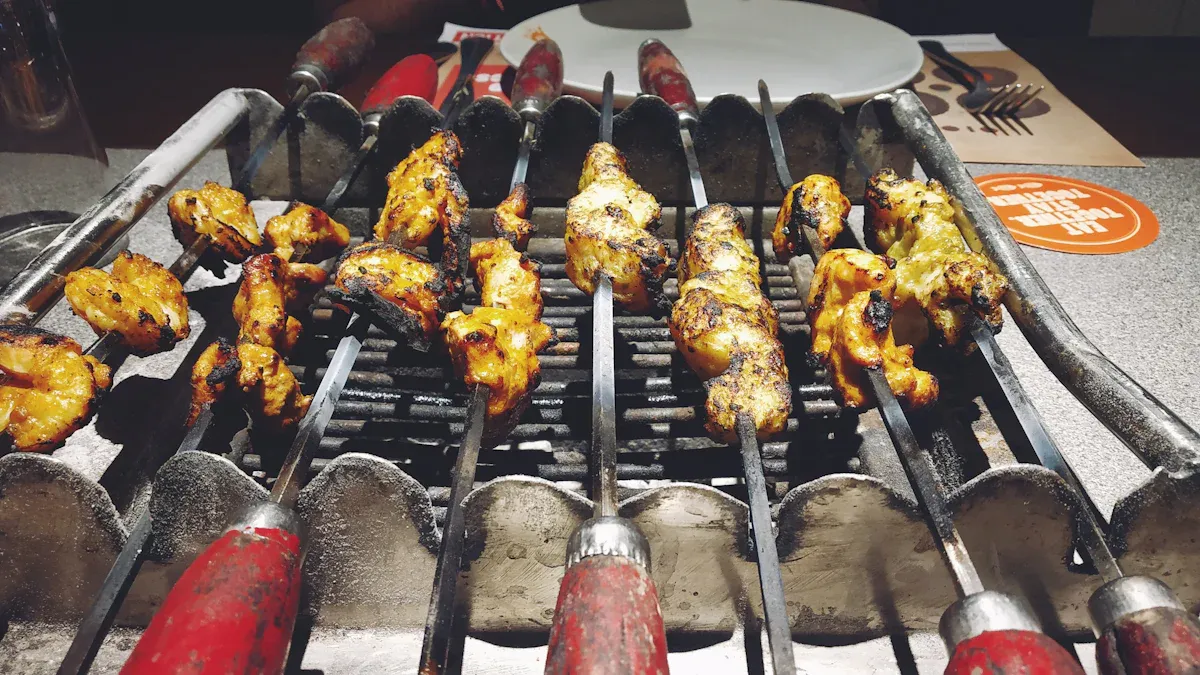
A Microwave Grill Pan significantly expands the culinary possibilities within a microwave oven. It allows cooks to prepare a wide array of dishes. These dishes benefit from direct heat and browning. This section explores the diverse meals one can create.
Meats, Poultry, and Seafood
The Microwave Grill Pan excels at cooking various proteins. It delivers a desirable sear and grill marks. Cooks can prepare thin cuts of steak, such as sirloin or flank steak. They achieve a flavorful crust. Chicken breasts and thighs also cook well. The pan browns the skin or surface, locking in juices. Fish fillets, like salmon or cod, become flaky and tender. Shrimp cooks quickly, developing a pleasant char. For best results, lightly oil the meat or seafood before placing it on the preheated pan. This ensures even cooking and prevents sticking.
Vegetables and Sides
Vegetables transform into delicious grilled sides using this pan. Asparagus spears, bell pepper strips, and zucchini slices develop a tender-crisp texture. They also show attractive grill marks. Broccoli florets and sliced mushrooms gain a roasted flavor. Small potatoes or sweet potato wedges can also be cooked. They become tender inside with a slightly crispy exterior. A light toss in olive oil and seasonings before grilling enhances their taste. This method offers a quick alternative to oven roasting or outdoor grilling.
Breakfast and Brunch Favorites
The pan makes breakfast and brunch preparation efficient. Bacon strips cook to a perfect crispness. Sausages brown evenly. Cooks can also prepare small pancakes or French toast slices. These items develop a golden-brown finish. This method provides a convenient way to make a hot breakfast without a stovetop.
Sandwiches and Quick Meals
Sandwiches and other quick meals benefit greatly from the Microwave Grill Pan. It creates perfectly toasted and melted results. Grilled cheese sandwiches are a prime example. Most microwave sandwich makers operate with a power output around 900W. These devices can achieve crisp, evenly grilled toasties in 3 to 5 minutes. For best results, preheat the grill pan for 2-3 minutes on high power. This preheating sears the food and creates distinct grill marks. Quesadillas also become crispy and golden. Paninis achieve a warm, pressed texture with attractive lines. This cooking method offers a fast solution for lunch or a light dinner.
Snacks and Appetizers
The pan also prepares various snacks and appetizers. Bruschetta toasts become perfectly crisp. Mini pizzas develop a browned crust and melted cheese. Spring rolls or samosas can be reheated. They regain their crispy texture without becoming soggy. This makes the Microwave Grill Pan a versatile tool for entertaining or quick bites.
Unexpected Desserts
Even desserts can be made in a Microwave Grill Pan. Grilled fruit, such as pineapple slices or peach halves, caramelizes beautifully. It develops a smoky sweetness. Small pastries or turnovers can achieve a flaky, browned exterior. This adds a unique touch to simple desserts. The pan offers a surprising way to finish sweet treats.
Essential Tips for Using Your Microwave Grill Pan
Achieving optimal results with a Microwave Grill Pan requires specific techniques. Users can maximize its potential by following these essential tips.
Preheating for Optimal Results
Preheating the pan is crucial for effective browning and searing. An empty microwave browner should be placed in the microwave oven. Users then preheat it for the time suggested on the browner’s cooking chart, typically several minutes on full power. This creates a hot surface, similar to a preheated stovetop pan. Immediately placing food on this hot surface ensures proper browning, as the surface cools quickly. The hot surface browns the food while microwave energy cooks it. If food is placed on a cool surface, browning will be reduced. Good contact between the food and the hot cooking surface is also necessary for effective browning.
The Right Amount of Oil
Applying a small amount of cooking oil to the pan or food enhances grilling results. Olive oil and butter are suitable choices for use on a microwave grill plate. This light coating helps achieve optimal browning and prevents food from sticking.
Avoiding Overcrowding
Overcrowding a microwave grill pan leads to uneven cooking. Food should be arranged in a single layer. This allows microwaves to reach all parts of the food evenly. The recommended maximum food capacity for a standard Microwave Grill Pan is 2 lbs (907 g). This capacity is ideal for preparing small to medium-sized meals.
Flipping for Even Cooking
Flipping food halfway through the cooking process ensures even browning and thorough cooking. This technique allows both sides of the food to make direct contact with the hot grilling surface.
Cleaning and Maintenance for Your Microwave Grill Pan
Proper cleaning extends the life of the pan. Users should allow the pan to cool completely before washing it. Most pans are non-stick, making cleanup easy with warm, soapy water and a soft sponge. Avoid abrasive cleaners or scouring pads, as these can damage the non-stick surface.
Embrace the convenience and versatility of your Microwave Grill Pan. It transforms everyday meals into grilled delights with minimal effort. Users enjoy quick, flavorful, and perfectly cooked dishes. This innovative tool simplifies meal preparation, bringing grilled tastes to your kitchen.
FAQ
How do users know when the grill pan is sufficiently preheated?
The pan’s instructions specify preheating times. Typically, users preheat it for several minutes on high power. This ensures a hot surface for effective searing and browning.
What types of oil are best for a microwave grill pan?
Olive oil and butter are suitable choices. A light coating helps achieve optimal browning. It also prevents food from sticking to the pan’s surface.