
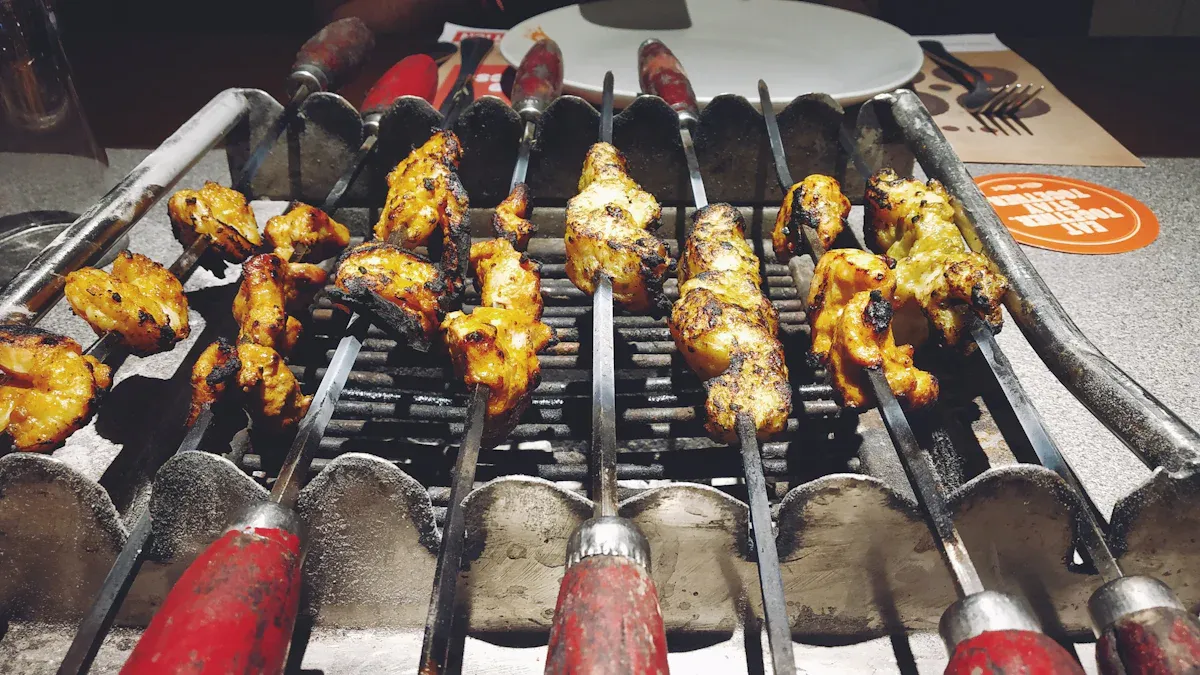
Unlock a world of grilled flavors right in your microwave using this innovative pan. It achieves delicious browning and crispy textures. Over 90% of U.S. households own a microwave oven. 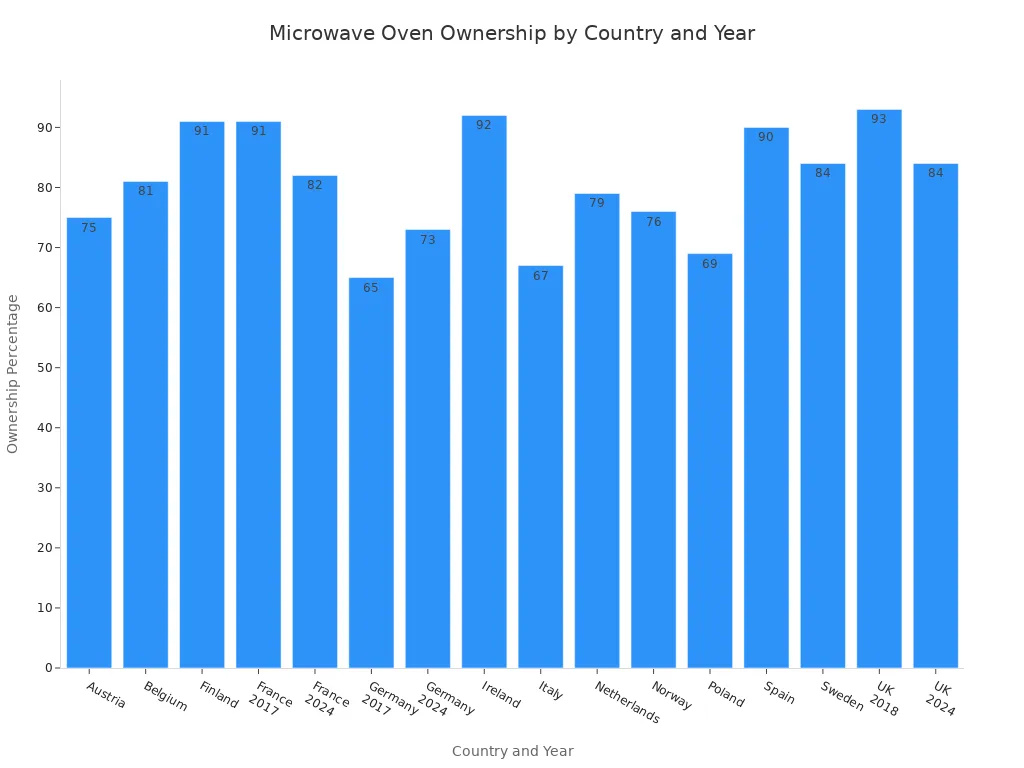 This Microwave-specific tool, unlike a Microwave Baking Pan, addresses common issues like:
- Uneven Heating: ‘Hot spots and cold centers’ often occur. A Microwave Grill Pan with Lid offers surprising versatility. Explore easy recipes for microwave grill pan meals and what to cook in a microwave grill pan.
Key Takeaways
- A microwave grill pan lets you cook many foods like meats, vegetables, and sandwiches. It gives them a grilled taste and texture.
- This special pan turns microwave energy into heat. This heat makes food brown and crispy, just like a regular grill.
- For best results, preheat the pan, use a little oil, and do not put too much food in it. Flip food often for even cooking.
Versatile Meals with Your Microwave Grill Pan
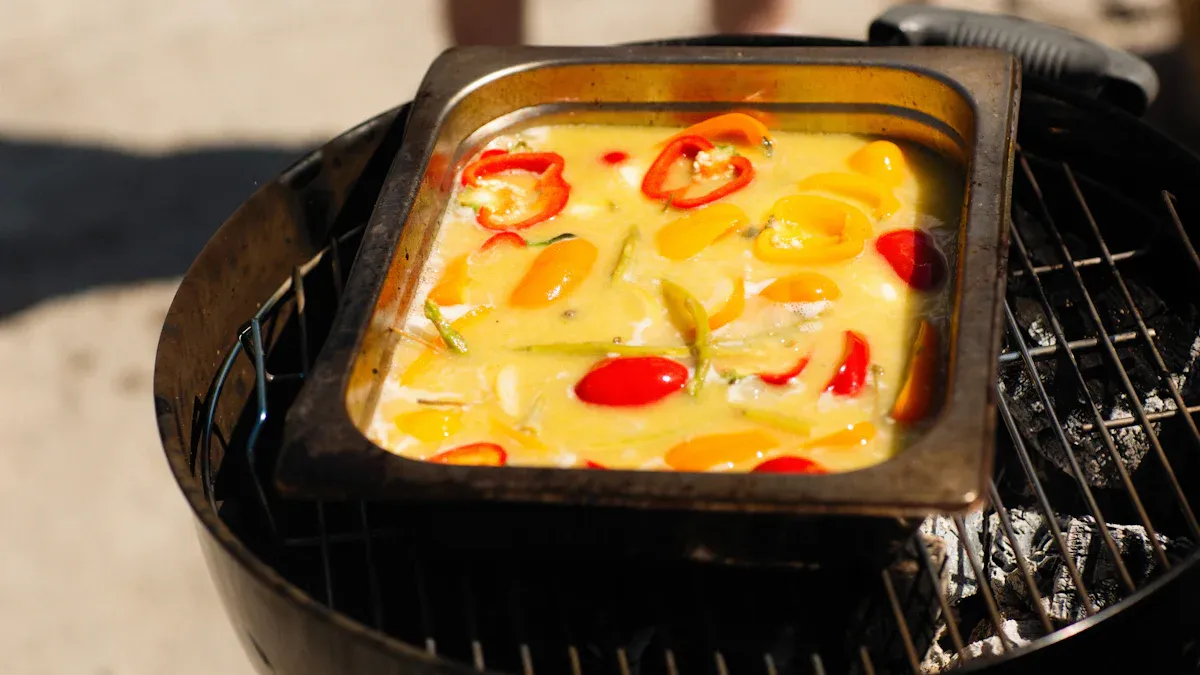
A Microwave Grill Pan opens up many cooking possibilities. It allows individuals to prepare a wide range of dishes quickly and efficiently. This tool brings grilled textures and flavors to everyday meals.
Meats and Proteins
Individuals can cook various meats and proteins using a Microwave Grill Pan. This method provides a convenient way to achieve seared results.
- Chicken (boneless, skinless breasts, thighs, or tenders)
- Fish (fillets like salmon and cod)
- Thin-cut steaks (minute steaks, skirt steak, thin-cut sirloin)
- Pork chops (thin-cut)
- Bacon (strips)
- Sausages
- Hot dogs
- Burgers (beef, turkey, and veggie burgers)
Cooking bacon is also simple with this pan. Follow these steps for crispy results:
- Place bacon on the grill and cover.
- Cook on high for 1 minute per strip or until desired crispness.
- Avoid overcooking to prevent damage to the grill.
- For microwaves over 800 watts, cook bacon at 80% power. Cooking times can vary based on microwave strength. Refer to your microwave oven’s manufacturer guide for best results.
Vegetables and Sides
The Microwave Grill Pan excels at preparing vegetables. It gives them a pleasant char and tender texture. Individuals can grill asparagus, bell peppers, zucchini, and onions. These vegetables make excellent side dishes or additions to main courses. The pan also works well for heating up pre-cooked items, adding a fresh, grilled finish.
Breakfast Favorites
Start the day with grilled breakfast items. The Microwave Grill Pan can transform morning meals. Individuals can cook sausages or bacon for a quick protein boost. French toast also cooks well in the microwave.
- Place eggy bread on a microwavable plate.
- Microwave on High for one minute. This method provides a warm, soft French toast quickly.
Sandwiches and Snacks
Achieve perfectly crispy sandwiches and snacks with this versatile tool. The Microwave Grill Pan presses and heats items, creating a satisfying crunch.
- Classic panini with various deli meats, cheeses, and vegetables.
- Chicken and cheese quesadilla.
- S’mores (a dessert sandwich) with variations like replacing milk chocolate with a Reese’s Peanut Butter Cup or substituting graham crackers with mini waffles. These options offer quick and delicious snack or light meal solutions.
Unexpected Delights and Desserts
Beyond traditional grilling, the Microwave Grill Pan offers surprising uses. Individuals can prepare grilled vegetables, as mentioned earlier, for a healthy side. While brownies are often cooked in a silicone muffin pan in the microwave, the grill pan focuses on items needing direct heat for browning. This tool expands the range of quick, hot dishes available from a microwave.
How the Microwave Grill Pan Works
The Science of Searing and Browning
A Microwave Grill Pan operates differently from standard microwave-safe dishes. It utilizes specific materials to convert microwave energy into direct heat. This conversion is crucial for its grilling capability. Manufacturers typically construct these pans from ceramic or silicone. Ceramic pans excel at reaching high temperatures. They deliver true grilled results. These materials absorb microwave radiation efficiently. They then radiate intense heat. Silicone pans offer a more gentle approach for some grilled textures. Consumers must avoid metal pans. Metal causes arcing, damages the microwave, and poses fire hazards. It also cooks food unevenly. This direct heat causes the Maillard reaction. This chemical process creates the browned crust and savory flavors associated with grilling. It transforms food surfaces, giving them a desirable texture and appearance, much like traditional grilling methods. This innovative technology brings outdoor grilling effects indoors.
Achieving Authentic Grill Marks
The design of a Microwave Grill Pan specifically creates authentic grill marks. The non-stick, scratch-resistant surface features raised ridges. These ridges are designed to sear food. The pan absorbs microwave energy. It then converts this energy into heat. This generated heat cooks the food. It also creates distinct grill marks on the surface. This unique mechanism allows users to achieve grilled aesthetics and flavors without a traditional outdoor grill. The concentrated heat from the ridges directly contacts the food. This contact produces the characteristic seared lines. These marks enhance both the visual appeal and the texture of the cooked items. They signify proper searing and add to the overall dining experience, making microwave-cooked meals more appealing.
Tips for Optimal Grilling with a Microwave Grill Pan
Preheating for Best Results
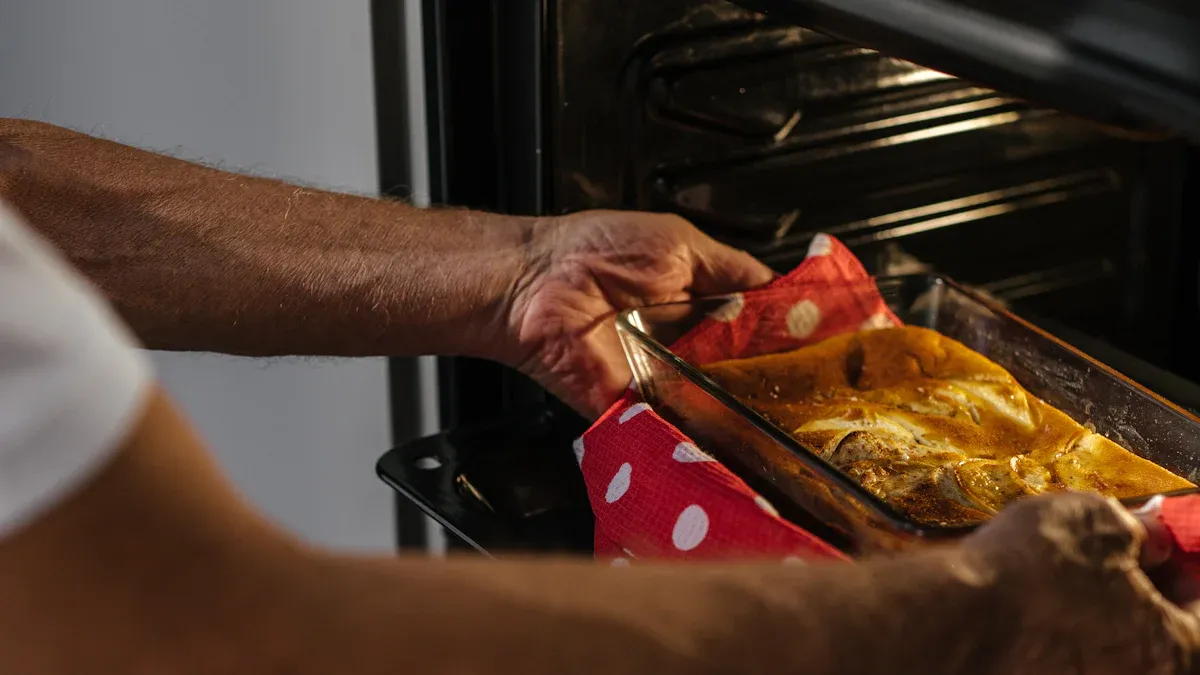
Achieving perfect searing requires proper preheating. Users must allow the empty pan to absorb energy for 2-3 minutes before adding food. Failing to preheat the pan prevents searing. This step ensures the pan reaches the necessary temperature for browning. It helps create those desirable grill marks.
Using Oil and Avoiding Overcrowding
Applying a small amount of oil to the pan or food enhances grilling. Many people use olive oil with a Microwave Grill Pan. Butter also works well for adding flavor and preventing sticking. Avoid overcrowding the pan. Placing too much food causes the heat to drop. This leads to steaming instead of frying. Ensure space exists between food items.
Overcrowding the microwave can cause issues. Accessories like convection racks or crisping pans should not touch the appliance’s interior walls.
Flipping for Even Cooking
Flipping food halfway through the cooking process ensures even grilling. This action helps both sides achieve consistent browning and texture. It also helps create authentic grill marks on both surfaces. Regular flipping prevents one side from overcooking while the other remains undercooked.
Cleaning and Maintenance
Proper cleaning extends the life of a Microwave Grill Pan. Avoid abrasive cleaners and harsh chemicals. These products can damage the pan’s interior.
- Make a baking soda paste. Mix a few tablespoons of baking soda with water.
- Apply the paste to stubborn stains. Let it sit for several minutes.
- Gently scrub the stains with a soft brush or sponge. Wipe away residue with a damp cloth.
Cif Perfect Finish Oven & Grill Cleaner is also effective for cleaning microwave grill surfaces. It easily removes burnt-on food and tough stains. The cleaner leaves the microwave sparkling without much effort. Users spray the cleaner, let it sit, and then wipe it away.
Embrace the convenience and culinary possibilities of microwave grilling. This method offers healthier grilling options by eliminating harmful chemicals. It also provides quick and efficient cooking. Expand your meal repertoire with this simple addition. Enjoy quick, delicious, and perfectly grilled dishes anytime.
FAQ
Can you use a microwave grill pan in a regular oven?
No, microwave grill pans are specifically designed for microwave use. High oven temperatures can damage the pan and compromise its functionality.
What materials are safe for microwave grill pans?
Manufacturers typically make safe microwave grill pans from ceramic or silicone. These materials absorb microwave energy effectively and convert it to heat.
Do microwave grill pans make food crispy?
Yes, microwave grill pans create crispy textures. They achieve this by searing food surfaces, which results in browning and a desirable crunch.