

A Microwave Frying Pan offers a convenient way to cook various foods directly in your microwave. This guide provides simple, effective steps for using the appliance. Many households already own a microwave, highlighting its widespread utility. For example, microwave oven ownership is very high across Europe:
| Country/Region | Year | Percentage of Households Owning Microwave Oven |
|---|---|---|
| UK | 2018 | 93% |
| Finland | 2024 | 91% |
| Spain | 2024 | 90% |
| France | 2024 | 82% |
This microwave frying pan cooking guide offers detailed microwave frying pan instructions. It shows you how to use microwave frying pan effectively. Discover the best microwave frying pan techniques with this microwave frying pan step by step approach.
Key Takeaways
- A microwave frying pan cooks food inside your microwave. It uses special materials to get hot, like a stovetop pan.
- Always read your pan’s instructions. Gather all food and tools before you start cooking.
- Pre-heat the pan in the microwave. This makes food brown and crispy.
- Use oven mitts to handle the hot pan. Never use metal tools inside the microwave.
- Place food in a single layer. Do not put too much food in the pan at once.
Understanding Your Microwave Frying Pan
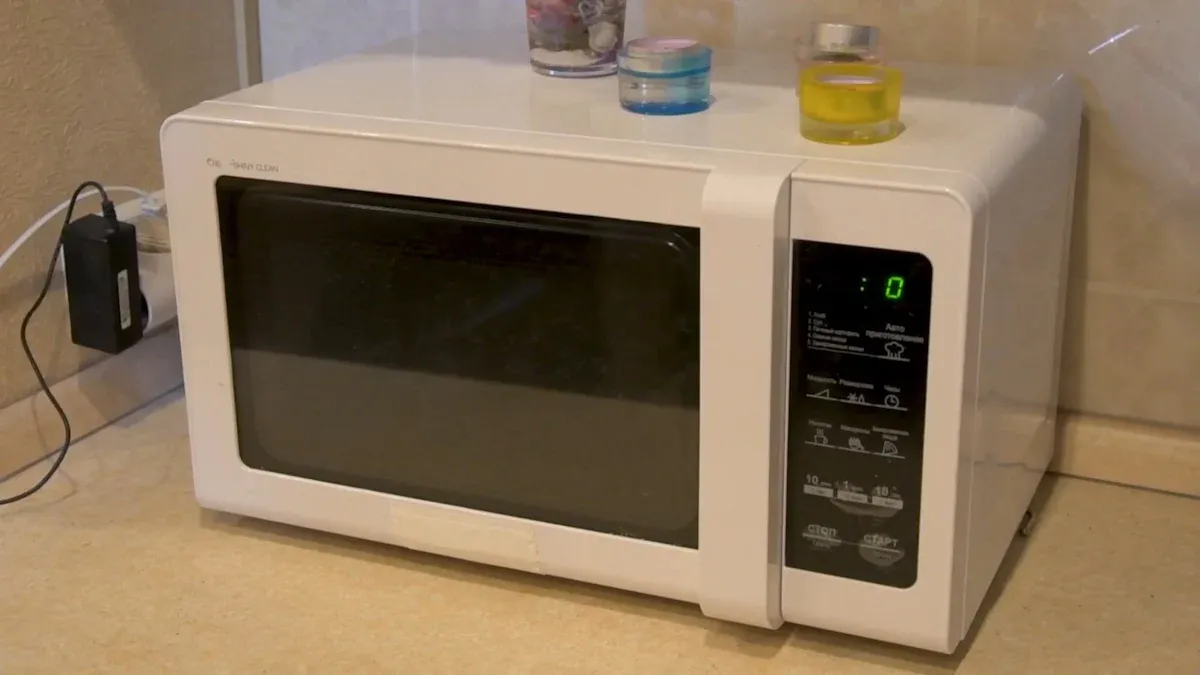
What is a Microwave Frying Pan?
A Microwave Frying Pan is a specialized cooking utensil. It allows users to fry, sear, and brown food inside a microwave oven. Unlike standard microwave-safe dishes, this pan actively converts microwave energy into direct heat. This capability enables cooking methods traditionally reserved for stovetop frying.
Key Features of a Microwave Frying Pan
The unique design of a microwave frying pan sets it apart. Its core technology involves specialized bottom materials, such as ferrite or susceptor. These materials absorb microwave energy. They then convert this energy into radiant heat. Regular microwave-safe dishes, in contrast, remain “transparent” to microwaves. They simply hold food without generating heat.
The following table highlights key differences:
| Feature | Microwave Frying Pan | Regular Microwave-Safe Dish |
|---|---|---|
| Core Technology | Specialized bottom with ferrite or susceptor materials | “Transparent” to microwaves |
| Energy Conversion | Absorbs microwave energy, converts to radiant heat | Holds food, does not convert energy |
| Surface Temperature | Reaches 200°C to 250°C (400°F to 480°F) | Does not generate significant heat |
| Cooking Action | Searing, browning, frying (mimics stovetop skillet) | Primarily reheating, holding food |
| Contribution to Cook | Actively contributes to cooking process | Does not contribute to cooking process |
This pan can achieve high surface temperatures. It reaches between 200°C and 250°C (400°F to 480°F). This intense heat allows for searing, browning, and frying. It effectively mimics a stovetop skillet. Regular dishes do not generate significant heat. The pan actively contributes to the cooking process. Other dishes do not contribute to cooking.
What to Cook in Your Microwave Frying Pan
Users can prepare a variety of dishes in a microwave frying pan. It excels at cooking items requiring a crispy exterior or a browned finish. Examples include bacon, sausages, and eggs. People also cook small cuts of chicken or fish. Vegetables like peppers and onions can be sautéed. Even grilled cheese sandwiches become possible. The pan offers a quick solution for single servings or small meals.
What Not to Cook in Your Microwave Frying Pan
While a microwave frying pan offers versatility, certain foods are unsuitable for this cooking method. Understanding these limitations ensures safety and optimal performance. Avoid cooking items that require deep frying. The pan is not designed for submerging food in large quantities of hot oil. This practice can create a fire hazard and damage the appliance.
Large cuts of meat also present challenges. A microwave frying pan excels with smaller, thinner pieces of food. Thick steaks or whole chicken breasts may cook unevenly. The exterior might burn before the interior reaches a safe temperature. For these items, traditional ovens or stovetops provide better results.
Foods with high water content can also be problematic. These items release significant steam during cooking. Excessive steam can lead to condensation inside the microwave. It can also prevent proper browning or crisping. Consider alternative cooking methods for very watery vegetables or dishes.
Do not attempt to cook foods that require constant stirring or flipping. While some minor adjustments are possible, the pan’s design limits continuous manipulation. Dishes like stir-fries, which demand frequent movement, are better suited for a conventional wok or frying pan.
Finally, avoid using metal utensils with your microwave frying pan. Metal can cause arcing in the microwave, damaging both the appliance and the pan. Always use microwave-safe materials like silicone or plastic. Adhering to these guidelines ensures a safe and effective cooking experience.
Tip: Always refer to your specific microwave frying pan’s instruction manual for a comprehensive list of recommended and prohibited foods. This ensures you maximize its utility while maintaining safety.
Essential Preparations for Your Microwave Frying Pan
Read Your Microwave Frying Pan’s Instructions
Before operating any new appliance, users must always consult its instruction manual. Each Microwave Frying Pan model possesses unique features and specific operating guidelines. The manual offers crucial information regarding recommended cooking times, appropriate power settings, and essential safety precautions. It also details proper cleaning instructions and valuable maintenance tips. Adhering strictly to these guidelines ensures safe operation and significantly extends the product’s lifespan. Manufacturers design these comprehensive instructions to help users achieve optimal cooking results consistently.
Gather Ingredients and Tools for Your Microwave Frying Pan
Successful cooking always begins with thorough preparation. Users should gather all necessary ingredients before commencing the cooking process. This includes the specific food item, a small amount of cooking oil or butter, and any desired seasonings. Additionally, collect appropriate tools for handling. These tools typically include microwave-safe spatulas or tongs for manipulating food within the hot pan. A serving plate and reliable oven mitts for safe removal are also essential. Organizing these items beforehand significantly streamlines the entire cooking experience.
Pre-Heating Your Microwave Frying Pan
Pre-heating the Microwave Frying Pan represents a critical step for achieving desired cooking results. This initial process allows the pan’s specialized material to reach its optimal searing temperature. A sufficiently hot pan ensures proper browning and crisping of food surfaces. Without adequate pre-heating, food may steam rather than fry, leading to a less appealing texture and appearance. To pre-heat, place the empty pan inside the microwave oven. Set the microwave to high power for a specified duration, typically ranging from 2 to 4 minutes. Always refer to the pan’s specific instructions for the exact timing required. Users must always employ oven mitts when handling the extremely hot pan after pre-heating.
Safety First with Your Microwave Frying Pan
Operating a microwave frying pan requires careful attention to safety protocols. Users must prioritize safety to prevent accidents and ensure optimal appliance performance. Always handle the hot pan with extreme caution. The pan reaches very high temperatures during and after cooking. Therefore, users should always employ thick oven mitts or heat-resistant gloves when removing the pan from the microwave. This prevents burns to hands and forearms.
Never use metal utensils with a microwave frying pan. Metal objects can cause electrical arcing inside the microwave oven. This arcing damages both the microwave and the frying pan. It also poses a significant fire risk. Instead, users should opt for microwave-safe materials such as silicone, wood, or plastic spatulas and tongs. These materials withstand high temperatures without causing damage or hazards.
Supervise the cooking process closely. Do not leave the microwave frying pan unattended while it operates. Cooking times can vary based on food type and microwave wattage. Monitoring prevents overcooking or potential issues. If users observe any unusual sparking, smoke, or odors, they must immediately stop the microwave and unplug it.
Ensure proper ventilation in the cooking area. While microwave frying pans typically produce less smoke than stovetop frying, some steam and odors will still generate. Adequate ventilation helps dissipate these byproducts. It also maintains good air quality in the kitchen.
Always check the internal temperature of cooked food. A food thermometer confirms that items like meat, poultry, and eggs reach safe consumption temperatures. This step ensures food safety and prevents foodborne illnesses. Following these safety guidelines helps users enjoy the convenience of their microwave frying pan responsibly.
⚠️ Safety Tip: Always keep a fire extinguisher readily accessible in the kitchen. This provides an extra layer of preparedness for any unforeseen cooking incidents.
Step-by-Step Guide to Using Your Microwave Frying Pan
This section outlines the practical steps for effectively using your Microwave Frying Pan. Following these instructions ensures optimal cooking results and a satisfying culinary experience.
Step 1: Prepare Your Food for the Microwave Frying Pan
Users begin by preparing their food. This involves washing and trimming ingredients as necessary. For optimal results, cut food into uniform, manageable pieces. Uniform sizing promotes even cooking and consistent browning across all items. Seasoning food before placing it in the pan also enhances flavor. Consider the thickness of the food; thinner cuts generally cook more efficiently in this appliance.
Step 2: Add Oil or Butter to the Microwave Frying Pan
Apply a small amount of cooking oil or butter to the pre-heated pan. This crucial step prevents food from sticking to the surface. It also contributes to a desirable crispy texture and rich flavor. A light, even coating is sufficient. Users can use a brush, cooking spray, or carefully pour a small quantity. High smoke point oils, such as canola or grapeseed, work well for frying. Butter adds a distinct taste, particularly for items like eggs or grilled sandwiches.
Step 3: Place Food in the Microwave Frying Pan
Carefully place the prepared food into the pre-heated pan. Arrange items in a single layer. Avoid overcrowding the pan. Overcrowding causes food to steam rather than fry, which prevents proper browning and crisping. Leave a small space between each piece. This allows heat to circulate effectively around the food. Use tongs or a spatula for safe and precise placement, minimizing direct contact with the hot surface.
Step 4: Secure the Lid on Your Microwave Frying Pan
After placing food in the pan, users must secure the lid. The lid plays a crucial role in the cooking process. It traps heat inside the pan, which helps maintain the high temperatures necessary for frying and browning. This trapped heat also promotes even cooking throughout the food. Furthermore, the lid prevents splattering, keeping the microwave interior clean. Ensure the lid fits snugly onto the pan. A proper fit maximizes heat retention and minimizes mess. Some lids feature vents; these allow steam to escape, preventing excessive pressure buildup while still containing most splatters.
Step 5: Set Microwave Power and Time for Your Microwave Frying Pan
Setting the correct microwave power level and cooking time is essential for successful results. Microwaves offer various power settings, with “full power” (often labeled PL 10, 100%, or High) as the default. Lower power levels prove useful for delicate cooking tasks. For instance, users can steam rice, poach fish, or prepare custards at reduced power.
Microwave power levels typically range from 10% to 100%, each serving a specific purpose:
- 100% / High (PL 10): Ideal for quickly heating convenience foods, high water content items like soups and vegetables, and microwave bread.
- 90% (PL 9): Suitable for cooking small, tender meat pieces, ground meat, poultry, fish fillets, and heating cream soups.
- 80% (PL 8): Effective for heating rice, pasta, stirrable casseroles, and cooking whole fish or meat loaf.
- 70% / Medium-High (PL 7): Best for reheating single servings of food.
- 60% (PL 6): Recommended for sensitive foods such as cheese and egg dishes, puddings, custards, and non-stirrable casseroles like lasagna.
- 50% / Medium (PL 5): Use this setting for cooking ham, whole poultry, pot roasts, and simmering stews.
- 40% (PL 4): Perfect for melting chocolate and heating bread, rolls, or pastries.
- 30% / Medium-Low / Defrost (PL 3): This level works well for defrosting bread, fish, meats (including ground beef and poultry), and precooked foods.
- 20% (PL 2): Use for softening butter, cheese, and ice cream.
- 10% / Low (PL 1): This setting helps take the chill out of fruit.
Some advanced microwaves feature a ‘Crisp’ setting, often accompanied by a crisper pan. This technology, like KitchenAid’s ‘Crispwave™ Technology and Crisper Pan,’ specifically enables grilling, frying, and convection cooking. It browns, crisps, and pan-fries foods such as pizza, bacon, or French fries. Always begin with the shortest recommended cooking time for your specific food item. Users can add more time as needed after checking the food’s progress. Refer to the Microwave Frying Pan’s instruction manual for precise timing guidelines for various dishes.
Step 6: Cook and Monitor Food in Your Microwave Frying Pan
Initiate the cooking process by starting the microwave. Do not leave the food unattended during cooking. Regularly monitor the food’s progress through the microwave window. This allows users to observe browning and cooking without interrupting the process. Depending on the food item, users may need to pause the microwave and carefully flip or stir the food. Use oven mitts and microwave-safe utensils for this task. Flipping ensures even cooking and consistent browning on all sides. Continue cooking until the food reaches the desired doneness and internal temperature. The exterior should appear golden brown and crispy, indicating proper frying.
Step 7: Remove Food Carefully from Your Microwave Frying Pan
Removing the hot food and pan from the microwave requires extreme caution. The microwave frying pan reaches very high temperatures during the cooking process. Users must always protect their hands from burns. Employ thick oven mitts or heat-resistant gloves when handling the pan. These tools provide a crucial barrier against the intense heat.
Consider using specialized tools for enhanced safety. A microwave caddy offers a practical solution for safely transporting hot items. This caddy securely holds plates or bowls ranging from 5 to 10 inches. It also effectively catches any spills, preventing messes. For direct handling of the hot pan, a Super Oven Glove proves highly effective. This glove withstands temperatures up to 480°F. Its robust heat resistance and gripping features make it ideal for safely removing hot items from the microwave frying pan.
Carefully lift the pan from the microwave. Place it on a heat-resistant surface, such as a trivet or a cooling rack. Avoid placing the hot pan directly onto countertops or other surfaces that could sustain heat damage. Allow the pan to cool slightly before attempting to transfer the food. This brief cooling period reduces the risk of accidental burns.
Step 8: Serve and Enjoy Meals from Your Microwave Frying Pan
Once the food has cooled slightly, transfer it from the microwave frying pan to a serving plate. Use appropriate microwave-safe utensils, such as a silicone spatula or tongs, for this task. These utensils prevent scratching the pan’s non-stick surface. They also ensure safe handling of the hot food.
The microwave frying pan delivers quick, delicious results. Users can immediately serve their freshly cooked meals. Enjoy the convenience and efficiency this cooking method provides. The pan simplifies meal preparation, offering a fast solution for various dishes. This innovative tool allows individuals to savor perfectly cooked food with minimal effort.
Tips for Best Results with Your Microwave Frying Pan
Achieving Even Cooking in Your Microwave Frying Pan
Achieving consistent cooking results requires careful attention to food preparation and placement. Microwave grill pans inherently provide even heat distribution, ensuring food cooks perfectly every time. Users should arrange evenly sized portions of food in a ring around the center. Place thicker portions toward the outer edges. The center of the microwave often acts as a ‘cold spot’. Microwave radiation penetrates about 1 to 1-1/2 inches. Therefore, consistent food sizes, proper placement, and standing times are crucial. Use round or oval containers. Square or rectangular ones can cause overcooking in corners due to concentrated energy. When cooking on power levels other than HIGH, the oven cycles power on and off. This allows heat to distribute without overcooking. Avoid piling food; space it apart for more uniform cooking. Allow ‘standing time’ after cooking. This allows heat to continue spreading and for additional cooking to occur, especially for large or dense foods. Pay close attention to arranging food, stirring, rotating, and standing time instructions in recipes. Portions of equal size and shape cook more uniformly. Use a cover to hold in steam, tenderize food, shorten cooking time, and promote even cooking. Ensure the cover does not touch hot food and has an opening for steam. If a microwave lacks a turntable, stop and shift food at regular intervals, particularly for larger portions. Cook large cuts of meat on medium power (50%) for longer periods. This allows heat to reach the center without overcooking the exterior. Cut vegetables into pieces of approximately equal size. When cooking assorted vegetables, place larger or tougher ones (e.g., carrots, broccoli) toward the outside of the plate. Place smaller, tender ones (e.g., peas, mushrooms) in the center. Cook omelets at 50% power (medium). This prevents edges from becoming leathery before the center finishes cooking.
Preventing Sticking in Your Microwave Frying Pan
Preventing food from sticking ensures easy removal and simplifies cleanup. Always apply a small amount of cooking oil or butter to the pan’s surface before adding food. This creates a non-stick barrier. Ensure the pan is adequately pre-heated. A hot surface helps sear food quickly, preventing it from adhering. Avoid overcrowding the pan. Overcrowding lowers the surface temperature and can cause food to release moisture, leading to steaming and sticking.
Dealing with Splatter from Your Microwave Frying Pan
Splatter can make microwave cleanup tedious. Always use the pan’s lid during cooking. The lid contains most splatters, keeping the microwave interior clean. Some lids feature vents. These vents allow steam to escape while still minimizing mess. If splatter occurs, wipe down the microwave interior promptly after it cools. This prevents food particles from hardening and becoming more difficult to remove.
Adjusting for Different Microwave Wattage with Your Microwave Frying Pan
Microwave ovens vary significantly in wattage. This difference directly impacts cooking times. Higher wattage microwaves cook food faster and more intensely. Conversely, lower wattage models require longer cooking durations to achieve similar results. Users must adjust cooking times based on their specific microwave’s power output. A common approach involves starting with the shortest recommended cooking time. Then, users can add small increments of time until the food reaches desired doneness. For example, a recipe designed for a 1000-watt microwave might need an extra minute or two in an 800-watt appliance. Always consult the appliance’s instruction manual for specific guidance.
Cleaning Your Microwave Frying Pan
Proper cleaning extends the lifespan of your cooking tools. Cleaning the pan is straightforward due to its advanced design. Manufacturers apply a professional-grade nonstick coating through a multi-layer spraying process. This ensures even coverage and durability. The nonstick surface prevents food from sticking, which also allows for cooking with less oil. Most food residues wipe off easily with a soft cloth. For a more thorough clean, users can wash the pan with warm, soapy water. Many models are also dishwasher-safe, offering added convenience. Always allow the pan to cool completely before cleaning. This prevents warping and ensures safety.
Advanced Usage and Care for Your Microwave Frying Pan
Understanding Microwave Frying Pan Wattage
Microwave ovens operate at various wattage levels. This power output directly influences cooking times. Higher wattage microwaves cook food more quickly and intensely. Conversely, lower wattage models require extended cooking durations. Users must adjust cooking times based on their specific microwave’s power. A recipe designed for a 1000-watt microwave may need additional time in an 800-watt appliance. Always consult the appliance’s instruction manual for precise guidance. Starting with the shortest recommended cooking time prevents overcooking. Users can then add small increments of time until the food reaches desired doneness.
Proper Ventilation for Your Microwave Frying Pan
Adequate ventilation is crucial when using a microwave frying pan. Cooking generates steam and odors. Proper airflow helps dissipate these byproducts. It also maintains good air quality in the kitchen. Users should ensure their kitchen has a functioning exhaust fan or open a window. This prevents moisture buildup inside the microwave and the kitchen. Good ventilation also helps prevent the accumulation of cooking smells.
Avoiding Overcooking in Your Microwave Frying Pan
Preventing overcooking ensures optimal food quality. Microwave frying pans cook food rapidly. Therefore, users must monitor the cooking process closely. Do not leave the food unattended. Always begin with the shortest recommended cooking time. Check the food’s doneness frequently. Users can add more time in short bursts if necessary. Flipping or stirring food halfway through cooking promotes even heat distribution. This technique helps prevent certain areas from overcooking. Removing food promptly once it reaches the desired temperature also prevents further cooking from residual heat.
Safe Handling of a Hot Microwave Frying Pan
Users must exercise extreme caution when handling a hot microwave frying pan. The pan reaches very high temperatures during the cooking process. Always use thick oven mitts or heat-resistant gloves. These tools provide essential protection against burns. Never touch the hot pan directly with bare hands.
After removing the pan from the microwave, immediately place it on a heat-resistant surface. A trivet or a cooling rack works effectively. Avoid placing the hot pan directly onto countertops or other surfaces susceptible to heat damage. This prevents potential damage to kitchen surfaces. Allow the pan to cool completely before attempting to clean it or store it. Rushing this step increases the risk of accidental burns. Always prioritize safety during and after cooking.
Extending the Lifespan of Your Microwave Frying Pan
Proper care and maintenance significantly extend the lifespan of a microwave frying pan. Users should always follow the manufacturer’s cleaning instructions. Typically, washing the pan with warm, soapy water and a soft sponge is sufficient. Avoid using abrasive scrubbers or harsh chemical cleaners. These can damage the nonstick coating and the pan’s specialized materials.
Store the pan properly. Place it in a cabinet where it will not be scratched by other cookware. Avoid stacking heavy items directly on top of the pan. This prevents warping or damage to the cooking surface. Always use microwave-safe utensils, such as silicone or wood, when cooking. Metal utensils can scratch the nonstick coating, reducing its effectiveness and durability. Regular, gentle care ensures the pan performs optimally for many years.
A microwave frying pan simplifies meal preparation. It offers a quick and efficient cooking method. By following these detailed steps, users can confidently cook a variety of dishes. This guide empowers individuals to achieve excellent results. The innovative tool makes cooking easier. It brings significant convenience to any kitchen. Users will find meal preparation more efficient and enjoyable.
FAQ
Can users use metal utensils with a microwave frying pan?
No, users must avoid metal utensils. Metal causes arcing in the microwave. This damages the appliance and the pan. It also poses a fire risk. Use silicone or wood tools instead.
How do users prevent food from sticking in the pan?
Apply a small amount of cooking oil or butter. Ensure the pan is adequately pre-heated. Avoid overcrowding the pan. These steps create a non-stick barrier.
Is pre-heating the microwave frying pan necessary?
Yes, pre-heating is crucial. It allows the pan to reach optimal searing temperature. This ensures proper browning and crisping. Without pre-heating, food may steam instead of fry.
How should users clean a microwave frying pan?
Wash the pan with warm, soapy water and a soft sponge. Avoid abrasive scrubbers. Many models are dishwasher-safe. Always allow the pan to cool completely before cleaning.


