
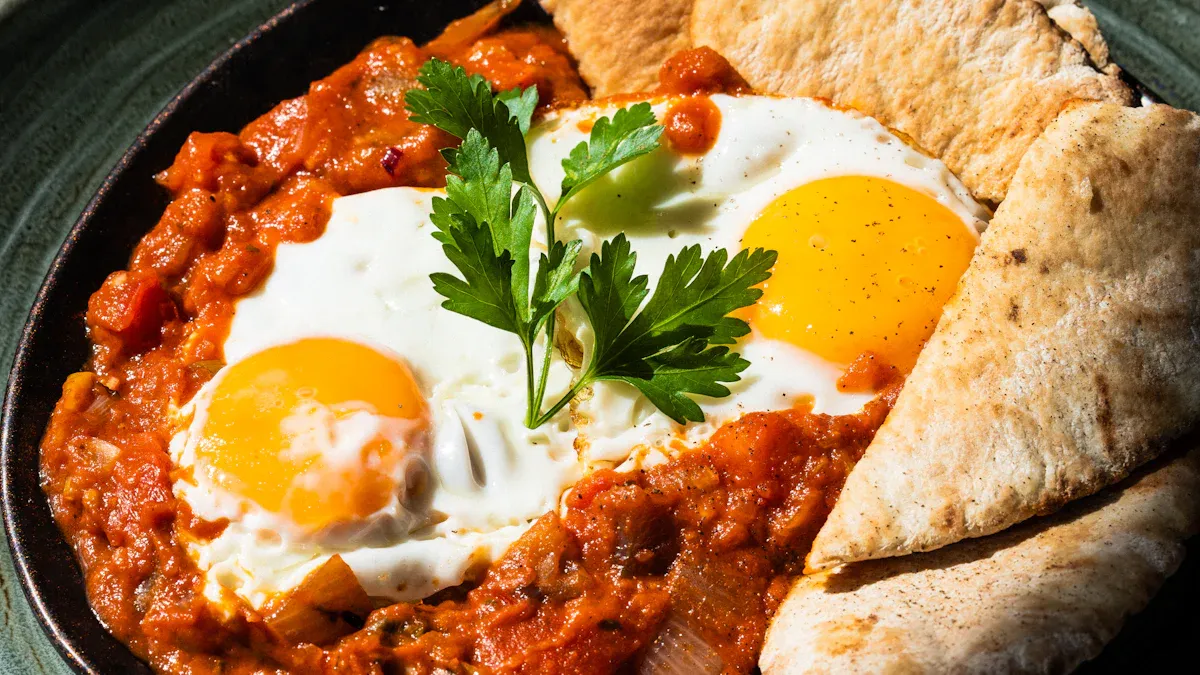
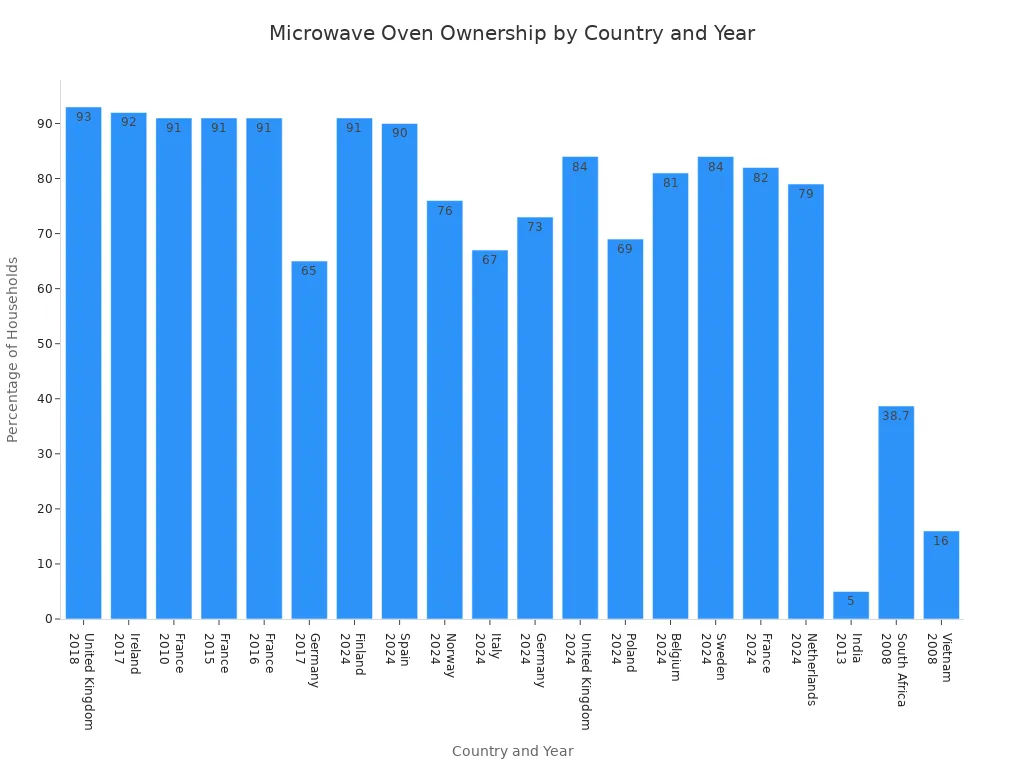
Many households worldwide rely on microwave ovens for quick meal preparation. For example, by 1997, over 90% of households in the United States owned a microwave. This trend continues globally, as shown below:
A microwave frying pan offers a surprisingly effective method for cooking eggs, bacon, and vegetables. This microwave frying pan cooking guide provides clear, step-by-step instructions. Users learn how to cook eggs in a microwave frying pan, achieving perfectly cooked eggs, crispy bacon, and tender vegetables. Proper microwave frying pan power settings ensure optimal results. A BPA free microwave frying pan allows users to cook vegetables in microwave frying pan safely and efficiently.
Key Takeaways
- Always use a microwave-safe frying pan made of glass or ceramic to avoid damaging your microwave.
- Prepare bacon by laying strips flat with paper towels to absorb grease, which makes it crispy.
- Cut vegetables into same-sized pieces and add a little water to help them cook evenly and stay moist.
- Whisk eggs for scrambling or pierce the yolk for fried eggs to prevent them from exploding in the microwave.
- Cook foods in order: bacon first, then vegetables in the bacon fat, and finally eggs, to build great flavors.
Essential Tools and Ingredients for Your Microwave Frying Pan Meal
Selecting the Right Microwave Frying Pan
Choosing the correct cooking vessel is crucial for successful microwave cooking. A suitable microwave frying pan ensures safety and optimal results. When selecting a pan, look for explicit "microwave-safe" labeling. Materials like heat-resistant glass and ceramic are ideal choices. Glass efficiently conducts heat, ensuring uniform food heating without releasing harmful substances. Ceramic offers good thermal stability and heats food evenly. Always ensure ceramic cookware lacks metal decorations or components. Conversely, avoid metal materials such as stainless steel, aluminum, and cast iron. These materials reflect microwaves, potentially causing sparks, damage to the appliance, and ineffective heating.
Key features enhance the cooking experience. A lid is essential for retaining moisture, trapping flavors, and minimizing mess. It also speeds up cooking and maximizes aroma. An advanced thermal technology delivers a golden-brown, grilled texture and a pan-fried crunch. A non-stick surface ensures easy cleaning and prevents food from sticking. Many quality pans feature BPA and PTFR-free premium non-toxic coatings. Even heat distribution is crucial for uniform cooking and achieving a perfect sear or crust. Consider a compact design if cooking in small spaces like dorms or offices.
Gathering Your Eggs, Bacon, and Vegetables
The foundation of a delicious meal begins with fresh ingredients. For eggs, choose large, fresh eggs. For bacon, select your preferred cut, whether thick-sliced or regular. When selecting vegetables, consider quick-cooking options. Broccoli florets, sliced bell peppers, spinach, mushrooms, and cherry tomatoes are excellent choices. These vegetables cook efficiently in a microwave frying pan.
Must-Have Seasonings and Optional Additions
Simple seasonings elevate the flavor of any dish. Essential seasonings include salt and black pepper. These staples enhance the natural taste of eggs, bacon, and vegetables. For additional flavor, consider garlic powder, onion powder, or paprika. Fresh herbs like chives or parsley add a vibrant touch. Optional additions include shredded cheese for eggs, a dash of hot sauce for a kick, or a sprinkle of red pepper flakes. These additions allow for customization, catering to individual preferences.
Mastering Bacon in Your Microwave Frying Pan
Cooking bacon in a microwave frying pan offers a convenient and less messy alternative to traditional stovetop methods. This approach ensures crispy results with minimal effort.
Preparing Bacon for Optimal Microwave Cooking
Proper preparation sets the stage for perfectly cooked bacon. Begin by selecting the right type of bacon. Thin-cut bacon cooks faster and achieves better crispiness compared to thick-cut bacon. Thick-cut slices require a longer cooking time, and thin bacon generally crisps more effectively. Lay the bacon strips flat in a single layer within the microwave frying pan. Avoid overlapping the strips, as this can lead to uneven cooking and less crispy results. If cooking a larger quantity, work in batches.
Achieving Perfect Crispness in the Microwave Frying Pan
Achieving perfectly crispy bacon in a microwave frying pan involves a simple yet effective technique. Place a paper towel directly on the bottom of the microwave frying pan before arranging the bacon strips. Then, cover the bacon with another paper towel. Cooking bacon in a microwave between paper towels results in an evenly cooked batch. This method produces a crunchy bite. The bacon strips remain flat and did not curl, which is beneficial for sandwiches or other dishes. Microwave the bacon on high power, typically for 1-2 minutes per slice, depending on the bacon’s thickness and the microwave’s wattage. Observe the bacon closely during the last minute of cooking to prevent overcooking, which can lead to burnt or brittle results.
💡 Tip: The paper towels absorb excess grease, contributing to crispier bacon and easier cleanup.
Safe Handling and Draining Bacon Fat
After cooking, carefully remove the hot microwave frying pan from the microwave. The bacon and the pan will be hot. Use oven mitts or a heat-resistant cloth for protection. Transfer the crispy bacon to a plate lined with fresh paper towels to absorb any remaining grease. Allow the bacon to cool slightly before serving. For the rendered bacon fat in the pan, allow it to cool and solidify slightly. Never pour hot grease down a drain, as it can clog pipes. Instead, pour the cooled fat into a disposable container, such as an old jar or coffee can, and discard it in the trash. This responsible disposal prevents plumbing issues and maintains a clean kitchen.
Cooking Vegetables to Perfection in the Microwave Frying Pan
Preparing and Arranging Vegetables for Even Cooking
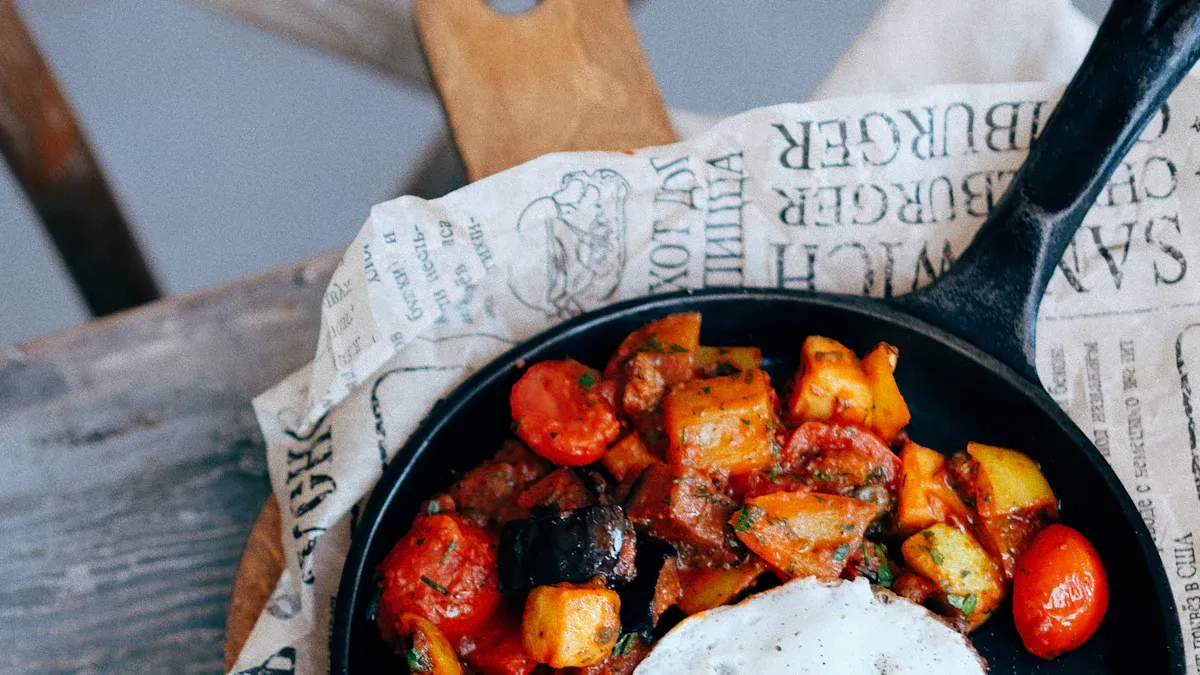
Proper preparation of vegetables ensures even cooking. Cut all vegetables into uniform pieces. This allows them to cook at the same rate. Arrange the prepared vegetables in a single layer within the Microwave Frying Pan. Avoid overcrowding the pan. Overcrowding can lead to uneven cooking and steaming rather than proper heating. A small amount of water or broth, typically 1-2 tablespoons, can be added to the pan. This creates steam, which helps cook the vegetables thoroughly and maintains their moisture.
Recommended Microwave Cooking Times for Various Vegetables
Microwave cooking times vary depending on the type and quantity of vegetables. The following table provides general guidelines for achieving crisp-tender results. Adjust these times based on your microwave’s wattage and your preferred level of doneness.
| Vegetable | Microwave Cooking Time |
|---|---|
| Broccoli (1 1/2 lb) | 6 to 8 minutes (until crisp-tender) |
| Bell Peppers (2 medium) | 3 to 4 minutes (until crisp-tender) |
| Onions (8 to 10 small) | 7 to 9 minutes (until tender) |
Always monitor vegetables during cooking. This prevents overcooking.
Tips for Tender-Crisp Results in Your Microwave Frying Pan
Achieving tender-crisp vegetables requires careful attention. Cover the Microwave Frying Pan with its lid or microwave-safe plastic wrap. This traps steam, which cooks the vegetables efficiently and helps them retain their vibrant color and nutrients. Stir the vegetables halfway through the cooking process. Stirring promotes even heat distribution. It also ensures all pieces cook uniformly. After the recommended cooking time, check the vegetables for doneness. They should be tender but still have a slight bite. If they require more cooking, return them to the microwave for short intervals, typically 30 seconds to 1 minute, until they reach the desired texture. Avoid overcooking vegetables; they can become mushy and lose their appeal.
Crafting Delicious Eggs in Your Microwave Frying Pan
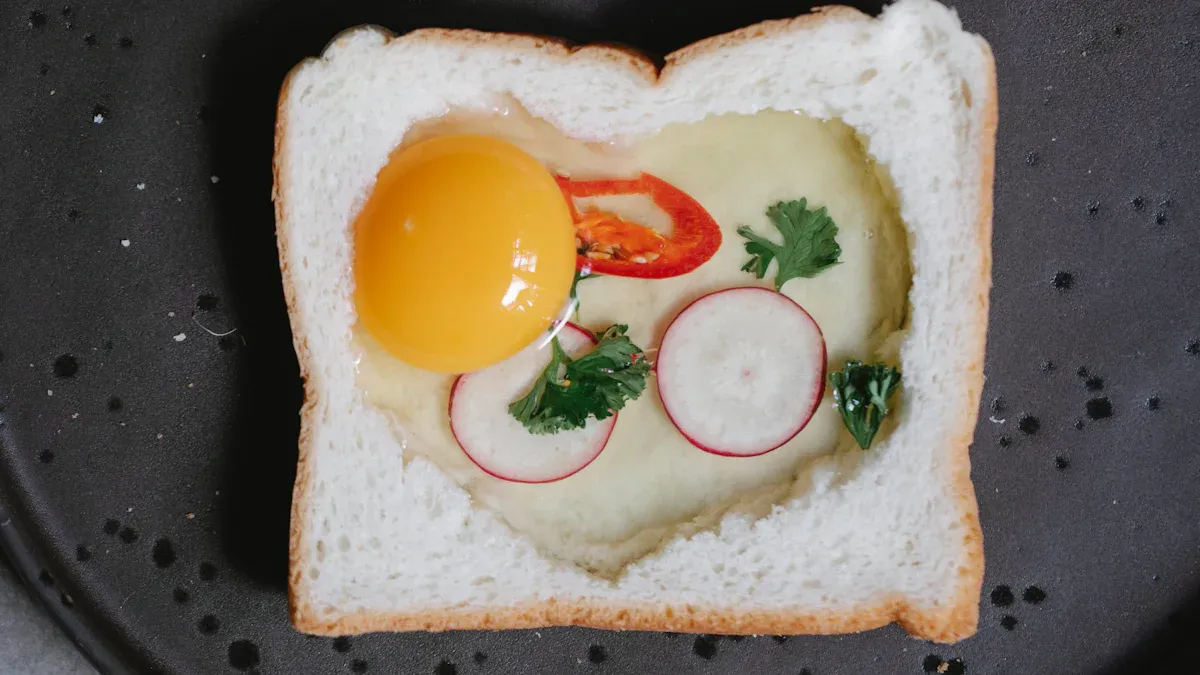
Cooking eggs in a microwave frying pan offers a quick and convenient method for breakfast or any meal. This approach allows for various egg preparations, from fluffy scrambled eggs to perfectly cooked fried eggs.
Preparing Eggs for Frying or Scrambling in the Microwave
Proper preparation ensures optimal results when cooking eggs in a microwave. For scrambled eggs, crack the desired number of eggs into a separate bowl. Whisk them thoroughly until the yolks and whites combine completely. This creates a uniform mixture for even cooking. For fried eggs, crack each egg directly into the Microwave Frying Pan. A crucial step for fried eggs involves piercing the yolk with a fork or toothpick. This simple action helps relieve internal pressure during cooking, effectively preventing the egg from exploding in the microwave. Covering the pan with a lid also traps heat, leading to more even cooking and containing any potential splatters.
Seasoning and Initial Setup for Microwave Eggs
Seasoning eggs before cooking enhances their flavor profile. Add salt and black pepper to taste. For scrambled eggs, consider incorporating a tablespoon of liquid per egg, such as water, milk, oil, or butter. This addition significantly improves the texture, preventing the eggs from becoming dry or rubbery. After seasoning, place the prepared eggs in the Microwave Frying Pan. If making scrambled eggs, stir the mixture every 30 seconds during cooking. This regular stirring evenly distributes heat, breaks up lumps, and prevents rubberiness, allowing for better monitoring of doneness.
Adjusting Microwave Cooking Times for Desired Egg Doneness
Achieving the desired egg doneness in a microwave requires careful attention to cooking times and power levels. Microwave wattages vary, so initial cooking times serve as guidelines. Cooking eggs at reduced power levels, typically between 30% and 80%, leads to more gentle and improved results. This technique helps prevent explosions and rubbery textures, though it may increase the overall cooking time. For a single "fried" egg, start with 30 seconds on high power and continue in 15-second intervals if necessary, monitoring closely.
Avoiding overcooking is paramount, as it can quickly lead to rubbery eggs. For a more structured approach to doneness, consider a method that utilizes varying power levels. For example, one can microwave eggs for 4 minutes at 50% power, allow them to sit for one minute, and then microwave for an additional 4 minutes at full power. This method helps achieve a consistent texture. Always monitor the eggs closely and adjust cooking times in small increments until they reach your preferred level of doneness.
Combining for a Complete Meal in Your Microwave Frying Pan
Sequential Cooking for Layered Flavors
Crafting a complete meal in a microwave frying pan involves strategic sequential cooking. This method builds layered flavors. Cooks typically begin with bacon. They render the bacon fat, which provides a flavorful base. After removing the crispy bacon, they often cook vegetables in the residual fat. This infuses the vegetables with a rich, savory taste. Finally, they prepare the eggs, either fried or scrambled, in the same pan. This sequence ensures each component contributes to the overall taste profile, creating a cohesive and delicious meal.
Strategies for One-Pan Meal Integration
Integrating all components into a single, satisfying meal requires thoughtful planning. After cooking the bacon, vegetables, and eggs separately, cooks combine them in the microwave frying pan. They can gently mix the scrambled eggs with the vegetables and crumbled bacon. Alternatively, they can layer the components, placing the vegetables as a base, topping them with eggs, and garnishing with crispy bacon. This approach minimizes cleanup and allows flavors to meld together. The microwave frying pan efficiently handles each step, from initial cooking to final assembly.
Tips for Even Cooking and Flavor Blending in the Microwave Frying Pan
Achieving even cooking and optimal flavor blending in a microwave frying pan requires specific techniques. Cooks reduce microwave power and increase cooking time to avoid uneven heating, especially for denser ingredients. Covering food ensures safe, even heating and retains moisture. They limit overcrowding in the pan and microwave items of similar density together. This promotes even heating. Placing thicker food pieces closer to the microwave walls also helps. Cooks stir dishes midway through cooking or flip larger items. If a microwave lacks a turntable, they rotate the bowl or plate mid-cycle. A 2- to 3-minute resting period after cooking allows residual steam and heat to finish the process. For denser foods like meat and grains, using lower power settings (50-70%) allows slower, more even heating without drying. Placing a small glass of water next to or in the center of food, or using a damp paper towel, adds moisture and prevents drying.
Cooking eggs, bacon, and vegetables in a microwave frying pan offers a practical, efficient, and surprisingly effective method for a quick, satisfying meal. This approach allows for rapid preparation of various dishes, proving its versatile functionality. By following these simple steps, users enjoy a delicious, easy-to-prepare dish with minimal cleanup. The non-stick surface simplifies cleaning. Its compact design also fits most microwaves, making it ideal for small spaces. This method truly demonstrates the versatility of a microwave frying pan.
FAQ
Can one use any frying pan in the microwave?
No, only microwave-safe frying pans are suitable. Manufacturers design these pans from materials like heat-resistant glass or ceramic. Metal pans reflect microwaves and can damage the appliance. Always check for a "microwave-safe" label.
How does one prevent uneven cooking in a microwave frying pan?
Users should cut ingredients into uniform pieces. They arrange food in a single layer and avoid overcrowding the pan. Stirring or rotating food halfway through cooking also promotes even heat distribution. Reducing power and increasing cooking time helps.
Is cleaning a microwave frying pan difficult?
No, cleaning is typically easy. Most microwave frying pans feature a non-stick surface. This prevents food from adhering. Users simply wash the pan with warm, soapy water after each use. This ensures quick and convenient cleanup.
Can one cook other foods besides eggs, bacon, and vegetables?
Yes, a microwave frying pan offers versatility. Users can cook various items, including small portions of fish, chicken, or even reheat leftovers. The pan’s design allows for efficient heating of many different foods.
How does one prevent food from sticking to the microwave frying pan?
The non-stick coating on quality microwave frying pans prevents food from sticking. Additionally, using a small amount of cooking spray or oil can further enhance non-stick properties. This ensures easy food release and simplifies cleanup.


