
Achieving the perfect pizza at home is an art form that balances dough consistency, topping selection, and, most importantly, the baking process. One of the most debated questions among home bakers is: do you grease a pizza pan before baking? While it might seem like a minor detail, the way you prepare your pan can significantly impact the texture, flavor, and overall success of your pizza. Whether you’re aiming for a thin, crispy New York-style slice or a thick, golden-brown deep-dish crust, understanding the science behind pan preparation is essential. This guide will explore the benefits of greasing, the best fats to use, and how to ensure your pizza never sticks to the pan again.
Why Should You Consider Greasing Your Pizza Pan?
Greasing a pizza pan serves two primary purposes: preventing the dough from sticking and enhancing the crust’s texture. When you apply a thin layer of fat to the pan, it acts as a barrier between the dough and the metal surface.
•Non-Stick Barrier: The most obvious reason to grease is to ensure the pizza slides off the pan easily after baking. Nothing is more frustrating than a perfectly cooked pizza that is fused to the pan.
•Heat Conduction: Oil and fats are excellent conductors of heat. By greasing the pan, you facilitate a more even and efficient transfer of heat from the pan to the bottom of the dough, resulting in a more uniform bake .
•Texture and Color: A light coating of oil essentially “fries” the bottom of the crust, giving it a desirable golden-brown color and a satisfyingly crispy texture that is difficult to achieve on a dry pan.
•Flavor Enhancement: Certain fats, like olive oil or butter, add a subtle layer of flavor to the crust, elevating the overall taste of the pizza.
Just as moisture control is vital for maintaining a healthy home environment, managing the moisture and fat content on your baking surface is key to culinary success.
What are the Best Oils and Fats for Greasing a Pizza Pan?
Not all fats are created equal when it comes to high-heat baking. The “smoke point” of an oil—the temperature at which it begins to break down and produce smoke—is a critical factor to consider, as pizzas are typically baked at temperatures between 450°F and 550°F.
Comparison of Common Greasing Agents
|
Fat/Oil Type
|
Smoke Point
|
Best For…
|
Flavor Profile
|
|
Avocado Oil
|
520°F
|
High-heat baking, maximum crispiness
|
Neutral
|
|
Refined Canola Oil
|
400-475°F
|
General purpose, budget-friendly
|
Neutral
|
|
Extra Virgin Olive Oil
|
374°F
|
Lower temperature baking, adding authentic flavor
|
Rich, peppery
|
|
Shortening
|
360-410°F
|
Deep-dish pizzas, creating a “fried” crust texture
|
Neutral
|
|
Butter
|
350°F
|
Low-temp baking, rich flavor (best mixed with oil to prevent burning)
|
Rich, creamy
|
|
Cooking Spray
|
Varies
|
Quick application, low-calorie option
|
Neutral
|
Using an oil with a high smoke point, such as avocado oil, ensures that your kitchen remains smoke-free and your pizza doesn’t develop a bitter, burnt taste .
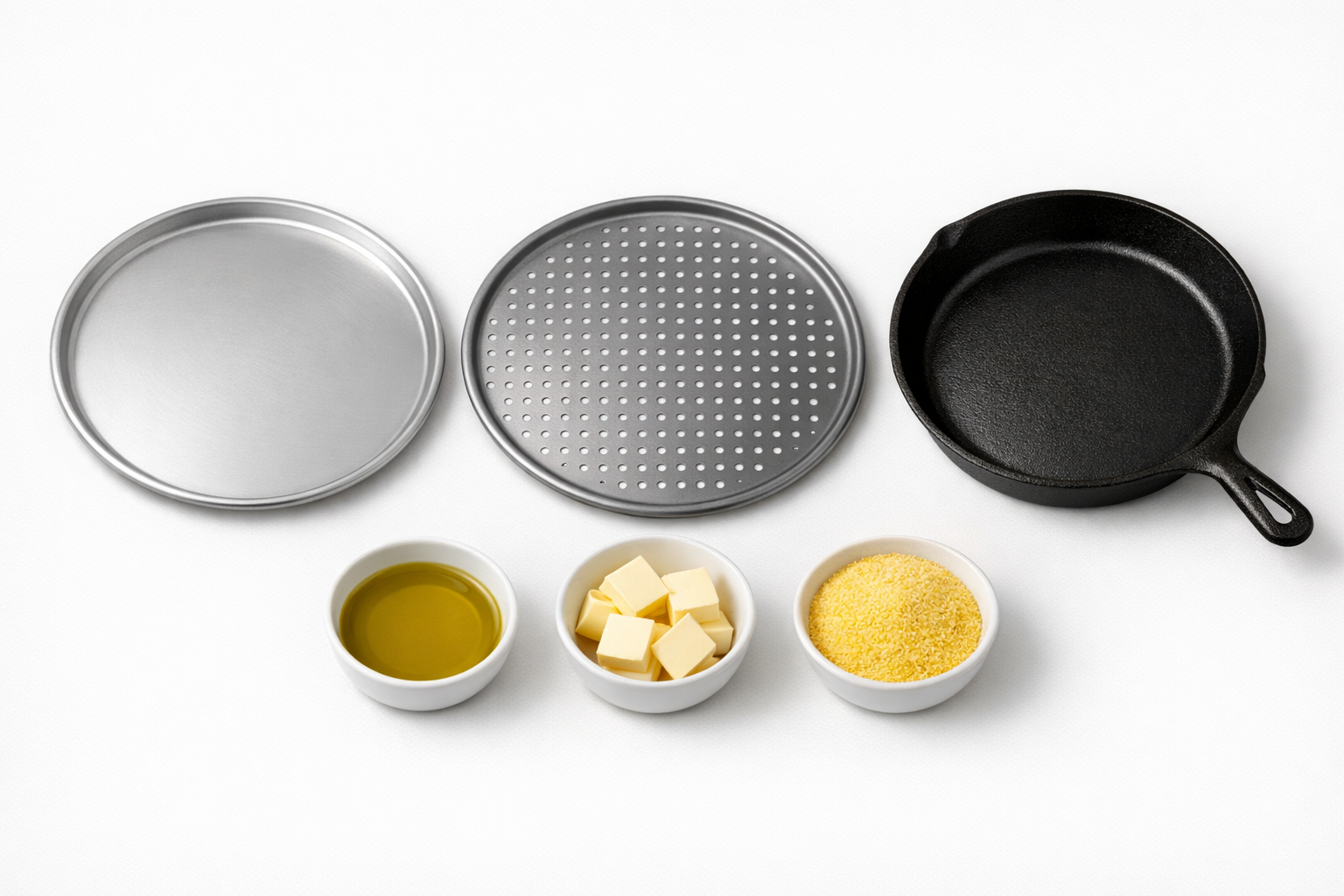
How to Properly Grease Your Pizza Pan: A Step-by-Step Guide
Proper application is just as important as choosing the right fat. Follow these steps for a perfectly prepared pan:
1.Clean and Dry the Pan: Ensure your pan is free from any old food residue. Most importantly, it must be completely dry. Any residual water can turn into steam, which might make the crust soggy or cause the oil to splatter.
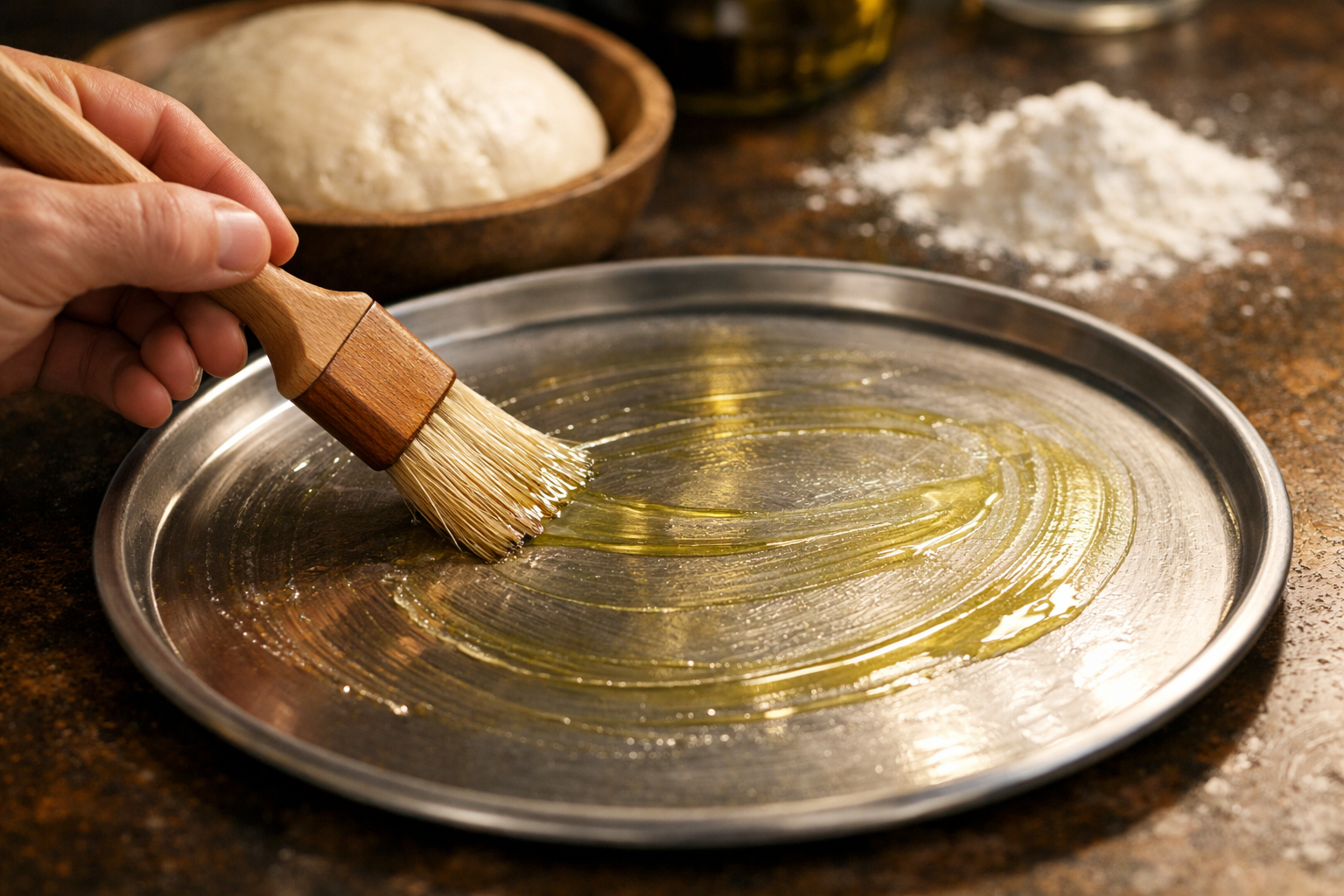
2.Apply a Small Amount of Fat: You don’t need much. A teaspoon or two is usually sufficient for a standard 12-inch pan.
3.Spread Evenly: Use a pastry brush or a clean paper towel to spread the oil across the entire surface of the pan, including the edges where the crust will sit.
4.Optional: Add Texture: For extra crunch and to further prevent sticking, some bakers sprinkle a light layer of cornmeal or semolina flour over the greased surface.
5.Place the Dough: Carefully transfer your stretched dough onto the prepared pan, being mindful not to tear it.
Are There Any Risks to Greasing Your Pizza Pan?
While greasing is generally beneficial, there are a few things to keep in mind to avoid common pitfalls:
•Smoking and Acrid Flavors: If you use an oil with a low smoke point (like butter or unrefined flaxseed oil) at very high temperatures, it will smoke and impart a bitter flavor to your pizza.
•Excessive Greasiness: Using too much oil can lead to a heavy, greasy crust that feels oily to the touch. Aim for a thin, even sheen rather than a pool of oil.
•Soggy Bottoms: If the dough is placed on a pan that is too cold or if the oil is mixed with water, it can lead to a soggy bottom. Preheating your pan (if the recipe allows) can help mitigate this.
When Should You Avoid Greasing Your Pizza Pan?
There are certain scenarios where greasing might be unnecessary or even counterproductive:
•Non-Stick Pans: High-quality non-stick pizza pans are designed to release food without extra fat. However, a very light coating can still help with browning.
•Perforated Pans: Pans with holes are designed for maximum airflow to create a crispy crust. Greasing these can be messy as the oil may drip through the holes into your oven.
•Pizza Stones and Steels: These should never be greased. They are porous and designed to absorb moisture from the dough. Oiling them can cause smoke and damage the stone’s surface. Instead, use cornmeal or parchment paper to prevent sticking.
•Parchment Paper: If you are using parchment paper on top of your pan, there is no need to grease the pan itself.
Conclusion: The Secret to a Professional-Grade Home Pizza
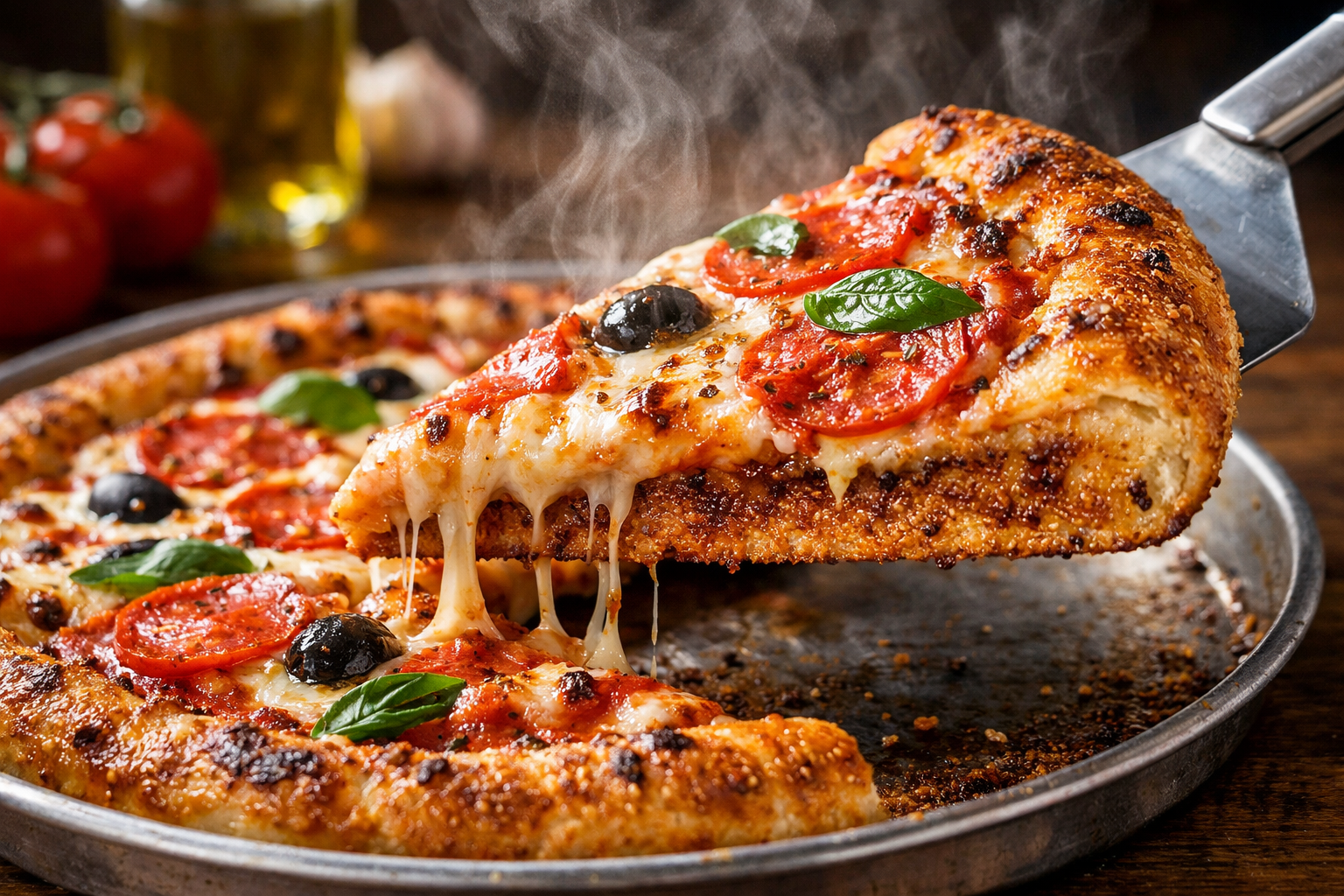
So, do you grease a pizza pan before baking? For most standard metal pans, the answer is a resounding yes. Greasing not only prevents the heartbreak of a stuck pizza but also plays a vital role in developing the crust’s color, texture, and flavor. By choosing the right fat with an appropriate smoke point and applying it correctly, you can elevate your home-baked pizza from ordinary to extraordinary. Remember that baking is as much about environment as it is about ingredients—managing moisture in your kitchen is just as important as managing it in your home. Happy baking!
FAQ: Your Top Questions About Pizza Pan Preparation Answered
Can I use butter instead of oil to grease my pizza pan?
Yes, you can use butter, but be cautious. Butter has a low smoke point (around 350°F) and contains water and milk solids that can burn at high pizza-baking temperatures. For the best results, mix butter with a high-smoke-point oil or use clarified butter (ghee), which has a much higher smoke point.
Does greasing the pan make the pizza crust soggy?
No, if done correctly, greasing actually helps make the crust crispier. The oil conducts heat efficiently and lightly fries the bottom of the dough. A soggy crust is usually caused by too many watery toppings, undercooking, or placing dough on a cold, wet pan.
What if I don’t have any oil or cooking spray?
If you don’t have oil, you can use a thin layer of shortening or even a sprinkle of cornmeal or flour to create a physical barrier. Alternatively, using parchment paper is an excellent fat-free way to prevent sticking.
Should I grease a non-stick pizza pan?
While not strictly necessary, a very light coating of oil on a non-stick pan can improve the golden-brown color and crispiness of the crust. However, avoid using aerosol cooking sprays on non-stick surfaces, as they can leave a gummy residue over time.
How do I clean a pizza pan that has been greased?
Wait for the pan to cool completely. Soak it in warm, soapy water to loosen any baked-on oil or crumbs. Use a non-abrasive sponge to wipe it clean. For stubborn spots on non-stick pans, a paste of baking soda and water can be very effective without scratching the surface.


