
Silicone baking pans are generally safe to use in the microwave when the product is labeled food-grade and microwave-safe. Silicone is a heat-resistant, non-metallic material that does not spark like metal cookware. This makes silicone baking pans a common option for reheating, steaming, and microwave baking. However, safety depends on product quality, temperature limits, and correct usage. According to the U.S. Food and Drug Administration (FDA), food-contact materials should be used according to manufacturer instructions. Choosing reliable microwave baking pan solutions helps reduce warping, odor, and uneven heating issues.
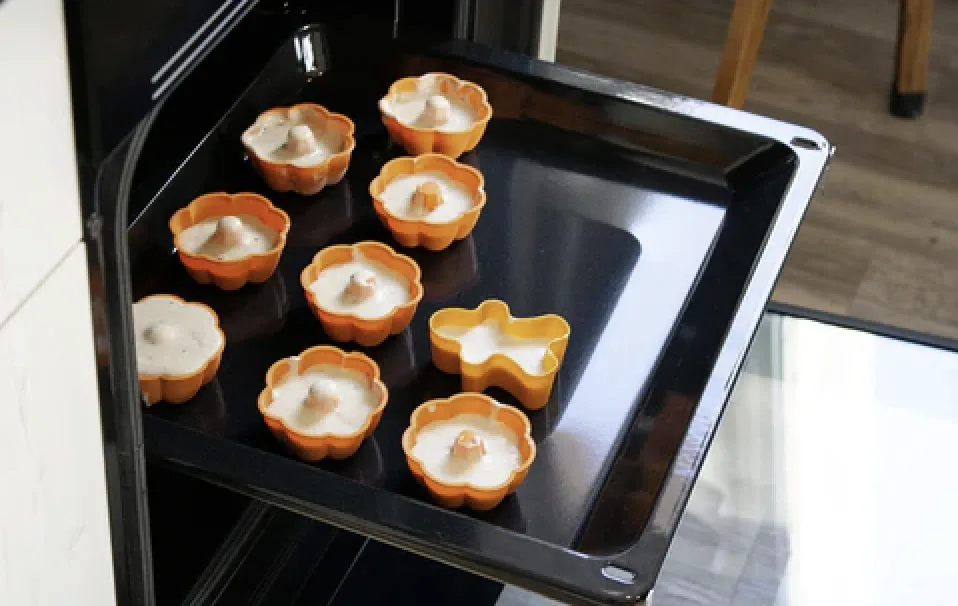
Why Silicone Baking Pans Work in Microwave Cooking
Microwave ovens heat water molecules inside food rather than directly heating cookware. Silicone does not contain metal, so silicone baking pans do not reflect microwaves or create sparks. Instead, the food absorbs the energy while the pan warms gradually from contact heat.
This creates several practical benefits:
Safe use in most household microwaves
Flexible release for cakes or muffins
Lower sticking risk than some rigid pans
Easy cleaning after cooking
Many households choose microwave safe baking pans because they combine convenience with easy storage.
What Temperature Limits Apply to Silicone Baking Pans?
Silicone performs well in microwave heating, but every product has a maximum temperature rating. Many food-grade silicone pans are rated between 220°C and 260°C, though exact limits vary by manufacturer. The microwave itself may not exceed that range, but food hotspots can still stress lower-quality silicone.
According to the NSF food equipment resources, certified food-contact products should meet material performance standards.
| Silicone Pan Type | Typical Use | Important Note |
|---|---|---|
|
Muffin Tray |
Cupcakes, eggs |
Use tray support |
|
Loaf Pan |
Bread, meatloaf |
Avoid overfilling |
|
Round Cake Pan |
Cakes, brownies |
Rotate if needed |
|
Lid Tray |
Covered steaming |
Vent lid slightly |
Reliable silicone microwave bakeware usually displays temperature guidance on packaging.
Are All Silicone Baking Pans Microwave Safe?
Not every silicone product is equal. Some low-cost pans use fillers or thin walls that reduce durability. A pan described only as “soft mold” without safety labeling may not be suitable for microwave baking. Product labeling matters.
Check for these indicators:
Microwave-safe marking
Food-grade silicone statement
BPA-free labeling if applicable
Clear temperature range
Reputable manufacturer details
The U.S. Consumer Product Safety Commission recommends following labeled use instructions for kitchen products. Choosing tested food grade microwave pans lowers avoidable risk.
Best Foods to Cook in Silicone Baking Pans
Silicone pans are especially effective for moist or batter-based foods. Microwave energy works well when water content is present, so cakes, custards, steamed eggs, and quick breads often cook efficiently.
| Food Type | Performance in Silicone Pan |
|---|---|
|
Mug Cake Batter |
Fast and even |
|
Brownie Batter |
Good with shallow fill |
|
Steamed Egg |
Excellent release |
|
Banana Bread |
Good in loaf format |
|
Frozen Reheat Meals |
Good if vented |
Many users pair silicone pans with microwave baking pan with lid products for moisture retention during steaming.
Common Mistakes When Using Silicone Baking Pans in the Microwave
Most silicone problems come from technique rather than material. Overfilling batter, placing a soft pan directly on a weak turntable edge, or removing a hot flexible pan too quickly can cause spills.
Avoid these mistakes:
Filling batter to the rim
Using damaged or torn silicone
Ignoring cook-time adjustments
Lifting full pans without a tray underneath
Sealing lids completely without venting steam
According to the USDA Food Safety and Inspection Service, venting containers can help prevent pressure buildup during heating.
How to Use Silicone Baking Pans Correctly
Correct handling improves results and extends product life. Place the silicone pan on a rigid plate or microwave tray before filling. This supports the flexible structure during movement. Use medium power for dense batters to reduce overcooked edges.
Recommended steps:
Place pan on a flat microwave-safe plate
Fill only 2/3 to 3/4 full
Use moderate power if batter is thick
Check doneness in short intervals
Let pan cool briefly before unmolding
Many kitchens use non stick microwave baking trays alongside silicone molds for different recipes.
Cleaning and Maintenance of Silicone Microwave Bakeware
Silicone is usually dishwasher-safe, but hand washing can preserve surface texture longer. Oils and sugar residue may create odors if not removed fully. Baking soda paste or warm soapy water often helps.
According to University of Minnesota Extension food resources, residue removal is important for safe and effective kitchen tool reuse.
| Cleaning Issue | Best Solution |
|---|---|
|
Greasy Film |
Warm water + detergent |
|
Sweet Residue |
Soak before washing |
|
Mild Odor |
Baking soda rinse |
|
White Marks |
Mineral deposit cleaning |
Well-maintained reusable silicone baking pans can last for years.
Final Verdict
Silicone baking pans are usually a safe and practical microwave option when the product is food-grade, microwave-safe, and used correctly. They are especially useful for cakes, steamed foods, eggs, and quick breads.
Key conclusions include:
Silicone does not spark like metal.
Product labeling matters.
Support trays improve safety.
Moderate power improves baking consistency.
Quality silicone pans offer long reuse cycles.
FAQ
Are Silicone Baking Pans Microwave Safe?
Yes, they are safe, but only if they are made of 100% food-grade silicone.
Does silicone release toxins?
As long as it’s 100% food-grade silicone, it has a very stable chemical structure within the specified temperature range and will not release bisphenol A (BPA) when heated, unlike some inferior plastics.
Will it change the taste of food?
Pure silicone is odorless. However, if the silicone pan has residual detergent or grease from strongly flavored foods, the taste may transfer when heated. It is recommended to clean it thoroughly before use.
Can silicone baking pans melt in the microwave?
Most quality silicone pans will not melt under normal microwave use because they are designed for high temperatures. Low-quality products or misuse beyond rated limits may deform or fail.
Why does my silicone pan feel soft after heating?
Silicone remains flexible by design. Heat can make the material feel softer temporarily. After cooling, the pan usually returns to normal firmness if the material quality is good.


