
How Does a Pizza Pan for Microwave Create Crispy Crusts at Home?
A pizza pan for microwave uses specialized heat distribution technology to transform soft dough into golden, crispy pizza crusts without preheating a conventional oven. This article explains the science behind microwave pizza cooking, compares different pan materials, and provides practical guidance for achieving restaurant-quality results at home. Understanding how microwave-safe pizza pans work helps home cooks select the right equipment and apply optimal cooking techniques for consistent outcomes. By mastering the fundamentals of microwave pizza preparation, anyone can create delicious crispy-crust pizzas in minutes rather than the traditional 15-20 minute oven baking process.
Understanding Microwave Pizza Pan Technology
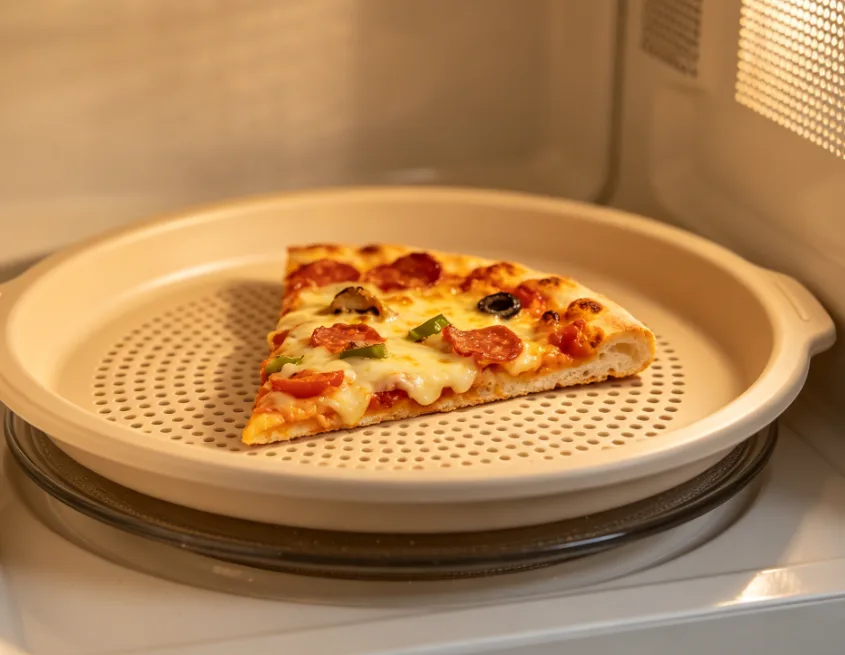
Microwave pizza pans function by redirecting microwave energy away from the food surface while allowing the pan base to absorb and radiate sustained heat. This combination creates the conditions necessary for the Maillard reaction, the chemical process that browns and crisps dough during cooking. The typical microwave pizza pan features a perforated surface that allows moisture to escape while the solid base maintains consistent contact heat. The design philosophy differs fundamentally from conventional oven baking, where heat surrounds the food evenly from all directions. A quality microwave baking pan addresses this technological difference by creating a hybrid heating environment within the microwave cavity.
The Science of Crispy Crust Formation
Crispy pizza crust develops when surface moisture evaporates faster than internal moisture migrates upward, creating a dry, structurally sound layer. The pizza pan for microwave facilitates this process by elevating the pizza slightly above the microwave floor, preventing soggy bottom crust formation. Steam generated during cooking escapes through the perforations rather than condensing on the dough surface. The heat retention properties of the pan material determine how effectively the surface browns during the short cooking window. Metals like aluminum and steel conduct heat more efficiently than ceramic or glass alternatives. Understanding this heat transfer mechanism helps cooks select appropriate cooking times and power levels for their specific microwave models.
Microwave Pizza Pan Materials Compared
Different pan materials produce varying results when used for microwave pizza cooking, affecting both crust texture and cooking time. Aluminum pizza pans offer excellent heat conductivity and lightweight handling, making them popular for daily home use. Steel pans provide superior durability and heat retention, though they require careful monitoring to prevent overcooking. Silicone pans work as flexible alternatives but generally produce softer crusts due to lower heat transfer capabilities. Ceramic-coated pans distribute heat evenly and resist scratching but may develop hot spots over time. The choice of material should align with your primary cooking goals and frequency of use. For detailed information on international quality standards for cookware materials, visit
Key Features of Effective Microwave Pizza Pans
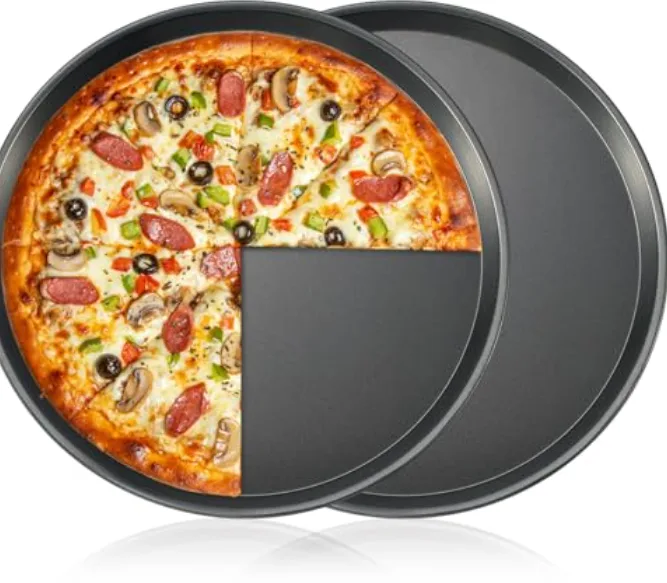
When evaluating pizza pan options, several design features directly impact cooking performance and convenience. Perforated cooking surfaces with laser-cut or stamped holes ensure proper steam ventilation throughout the cooking process. Raised bottom designs create necessary airflow space beneath the pan, preventing moisture accumulation. Non-stick coatings simplify cleanup but may degrade faster with metal utensils or high-temperature cooking. Handles or grips should remain cool to the touch during cooking to prevent burns when removing food. Compatibility with dishwasher cleaning simplifies maintenance for regular users. The microwave frying round pan design demonstrates how round geometries optimize heat circulation within microwave cavities.
Step-by-Step Cooking Process for Perfect Results
Achieving consistently crispy pizza crusts requires following a systematic cooking approach rather than guessing at times and temperatures. Preheating the empty pan in the microwave for 1-2 minutes creates a hot cooking surface before adding the pizza. Placing the pizza on the heated pan immediately transfers surface heat to the dough. Cooking at full power for 3-4 minutes allows the cheese to melt while the crust begins to brown. Rotating the pizza 180 degrees halfway through cooking compensates for uneven microwave energy distribution. A final 1-2 minute rest period allows carryover heat to complete the crisping process. For thicker crusts or loaded toppings, adding 30-second intervals with visual inspection prevents burning while ensuring thorough cooking. Technical guidance on optimizing cooking processes can be found at
Common Mistakes to Avoid
Several frequent errors prevent home cooks from achieving the crispy results they desire when using a pizza pan for microwave. Cooking at reduced power levels extends total time but reduces surface browning, resulting in softer rather than crispier crusts. Skipping the preheating step eliminates the initial heat shock that jumpstarts the crisping process. Using oversized pans that contact the microwave walls blocks proper energy circulation and creates hot spots. Ignoring the rotation step leads to uneven cooking where one side burns while the other remains underdone. Overloading toppings adds moisture that softens the crust regardless of cooking technique. The microwave frying square pan design helps minimize some of these issues through optimized geometry.
Comparing Microwave Pizza to Conventional Oven Methods
Microwave pizza preparation differs substantially from conventional oven baking in several measurable ways. Cooking times drop from 12-15 minutes to 4-6 minutes when using microwave-compatible equipment. Energy consumption decreases significantly due to shorter operation duration and no preheating requirements. Texture differences remain noticeable, with microwave versions typically achieving crispiness without the slight chew that deck ovens produce. Convenience favors the microwave approach for weeknight meals or single servings when firing a conventional oven seems excessive. The microwave frying pan technology bridges the gap between these two approaches by introducing radiant heat elements. For those seeking traditional results, conventional ovens remain superior despite the longer preparation and cleanup time.
Maintenance and Care Guidelines
Proper maintenance extends the functional lifespan of any pizza pan for microwave while preserving its non-stick properties. Hand washing with soft sponges prevents scratching that degrades surface coatings over time. Avoiding abrasive cleaners protects both appearance and cooking performance. Drying pans completely after washing prevents water spots and potential rust formation on metal surfaces. Stacking protective liners between stacked pans prevents dents that affect heat distribution. Regular inspection for warping or damage ensures continued safe operation. For comprehensive guidance on equipment maintenance and accessibility considerations, refer to microwave folding bowl for steaming and baking accessories offer complementary care requirements for expanded cooking versatility.
Selecting the Right Pan for Your Needs
Choosing an appropriate microwave pizza pan depends on your cooking frequency, available storage space, and quality expectations. Occasional users benefit from versatile microwave frying pan grill cooker options that serve multiple purposes beyond pizza. Family cooks should prioritize durable materials that withstand daily use without premature wear. Small kitchens favor compact designs that store easily between uses. Those prioritizing authentic results may accept longer cooking times for superior crust texture. Budget-conscious buyers can achieve acceptable results with mid-range aluminum options that balance performance and cost effectively.
Troubleshooting Guide for Common Issues
When pizza crusts fail to achieve desired crispiness, systematic troubleshooting identifies the underlying cause for correction. Soggy bottoms indicate insufficient preheating time or pans that sit too flat against the microwave floor. Burnt edges while centers remain undercooked suggest excessive power levels or overly thick toppings requiring adjusted timing. Uneven browning points to positioning issues requiring rotation or repositioning closer to the microwave center. Sticking cheese or toppings result from insufficient oil application or non-stick coating degradation. Metallic taste in food may signal pan coating breakdown requiring replacement for food safety reasons. The microwave frying round pan with glass lid includes visual monitoring capabilities that help identify these issues during cooking.
Conclusion
A pizza pan for microwave creates crispy crusts through specialized design features that redirect microwave energy and introduce radiant heat to the cooking surface. Understanding the science behind moisture evaporation and heat transfer empowers home cooks to optimize their techniques for consistently satisfying results. Material selection, proper preheating, and attention to rotation intervals address most common cooking challenges. The convenience of 4-6 minute cooking times makes homemade pizza practical for weeknight dinners without sacrificing quality. Investing in a quality microwave pizza pan transforms the appliance from a simple reheating tool into a versatile pizza preparation station.
Frequently Asked Questions
Can I use any pan for microwave pizza cooking?
Not all pans work effectively in microwaves. Metal pans with proper design features redirect energy appropriately, while regular ceramic or glass plates lack the heat distribution properties needed for crispy crusts.
Why does my microwave pizza crust become soggy?
Soggy crusts typically result from skipping the preheating step, insufficient steam ventilation through perforations, or placing the pizza too flat against the microwave floor without adequate airflow beneath.
How long should I preheat a microwave pizza pan?
Most microwave pizza pans require 1-2 minutes of preheating at full power before adding food. This creates the hot cooking surface necessary for proper browning and crisping.
Can I cook frozen pizzas on a microwave pizza pan?
Yes, frozen pizzas work well on microwave pizza pans. Cooking times extend by 1-2 minutes compared to fresh pizzas, and rotating the pizza during cooking ensures even heating throughout.
How do I clean a microwave pizza pan without damaging it?
Hand wash with soft sponges and mild dish soap to preserve non-stick coatings. Avoid abrasive cleaners and metal scrubbers that scratch surfaces and reduce cooking effectiveness over time.


