
A Beginner’s Guide to Using Microwave Baking Pans Safely
Microwave baking pans are specialized kitchen tools designed for safe and efficient cooking, reheating, and baking directly in microwave ovens. Understanding how to use these pans correctly is essential for preventing accidents, ensuring food safety, and achieving optimal cooking results. This comprehensive guide covers everything beginners need to know about selecting, using, and maintaining microwave baking pans with proper safety protocols.
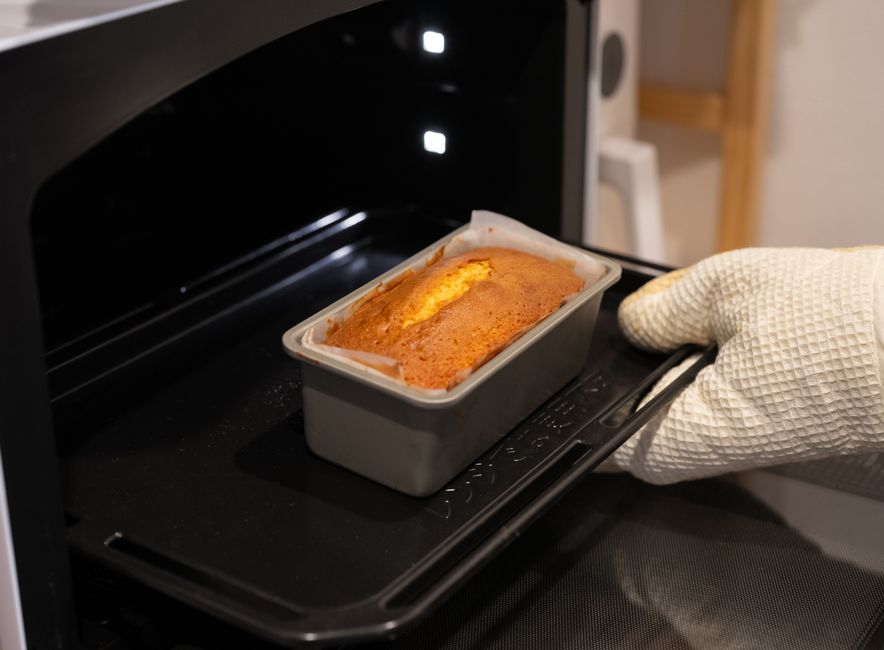
Why Microwave-Specific Baking Pans Matter
Standard bakeware may contain materials that arc, melt, or release harmful chemicals when exposed to microwave radiation. Microwave baking pans are specifically engineered with materials that absorb microwave energy safely and distribute heat evenly. Using inappropriate containers can damage your microwave, create fire hazards, and compromise food quality. According to the NIST guidelines for small businesses, even kitchen appliances require proper handling protocols to prevent safety incidents.
Understanding Microwave-Safe Materials
Microwave baking pans come in various materials, each with distinct properties affecting heat distribution and durability.
- Ceramic: Excellent heat retention and even cooking, but can crack under thermal shock if heated too quickly
- Borosilicate Glass: Highly resistant to thermal stress, transparent for monitoring cooking progress
- Silicone: Flexible and lightweight, though may require support due to soft structure
- Microwave-Safe Plastic: Lightweight and affordable, but may warp at high temperatures
Look for containers explicitly labeled as microwave-safe. The FDA requires all microwave-safe containers to undergo testing for thermal stability and chemical leaching resistance. A quality Microwave Baking Pan – Junsheng will display certification marks indicating compliance with safety standards.
Key Safety Features to Look For
When selecting a microwave baking pan, prioritize these essential safety features to ensure reliable performance.
- Microwave-safe certification symbol or label
- Heat resistance rating of at least 250°C (482°F)
- Secure-fitting lids with steam release vents
- Sturdy base with anti-tip design
- BPA-free materials for food contact
- Dishwasher-safe designation for easy cleaning
A Microwave Frying Pan Grill Cooker – Junsheng often includes additional safety features like heat-resistant handles and reinforced edges. These design elements prevent burns and container failure during high-heat cooking operations.
Step-by-Step Guide to Using Microwave Baking Pans
Follow these systematic steps to use your microwave baking pan safely and effectively.
- Verify the pan is labeled as microwave-safe before first use
- Place food in the pan without overcrowding for even heat circulation
- Cover with a microwave-safe lid or microwave-safe wrap with vent holes
- Set microwave power level to medium or according to recipe instructions
- Use oven mitts when removing the hot pan from the microwave

The Microwave Folding Bowl For Steaming And Baking – Junsheng is particularly useful for vegetables and fish, as it creates a closed steam environment that cooks food evenly while retaining nutrients. Steam escaping from vents indicates proper pressure management within the container.
Common Mistakes to Avoid
Avoiding these frequent errors prevents accidents and extends the lifespan of your microwave baking pans.
- Using metal-trimmed or metal-embedded containers not designed for microwaves
- Operating the microwave with an empty pan inside
- Exceeding recommended cooking times or power levels
- Using containers with cracks, chips, or warped surfaces
- Removing lids too quickly, causing steam burns
- Placing unsuitable materials like foam containers in the microwave
Material Comparison Table
| Material | Max Temp | Durability | Weight | Best For |
|---|---|---|---|---|
| Borosilicate Glass | 300°C | High | Heavy | Even baking, visibility |
| Ceramic | 250°C | Medium | Heavy | Slow cooking, heat retention |
| Silicone | 230°C | Medium | Light | Flexible cooking, storage |
| Microwave Plastic | 150°C | Low | Light | Light reheating |
Choosing the Right Pan Shape and Size
Different pan shapes serve specific cooking purposes and microwave configurations.
A Microwave Frying Round Pan – Junsheng works well for single portions and evenly cooks items like eggs, pancakes, and small casseroles. Round shapes promote better heat circulation in most microwave designs.
The Microwave Frying Square Pan – Junsheng maximizes interior space, making it ideal for baking brownies, lasagna portions, or batch cooking. Square pans fit more efficiently in square microwave cavities.
For dishes requiring moisture retention, consider a Microwave Frying Round Pan with Glass Lid – Junsheng. The glass lid allows visibility while trapping steam for moist cooking results.
A versatile Microwave Frying Pan – Junsheng serves as an all-purpose option for sautéing vegetables, pan-frying meats, and preparing breakfast dishes directly in the microwave.
Maintenance and Care Tips
Proper maintenance ensures your microwave baking pans remain safe and functional for years.
- Clean pans thoroughly after each use with mild detergent and soft sponge
- Inspect regularly for cracks, chips, or discoloration that indicate degradation
- Store in a dry location to prevent moisture-related damage
- Avoid using abrasive cleaners that scratch protective surfaces
- Replace pans showing signs of warping or structural weakness
Troubleshooting Common Issues
Address these frequent problems to maintain safe and efficient microwave cooking.
- Food heating unevenly: Ensure food is arranged in a single layer and rotated during cooking
- Pan becoming excessively hot: Reduce power level and cooking time; check for microwave output issues
- Steam leaking excessively: Verify lid is properly seated and vents are clear
- Unusual odors: Clean the pan thoroughly; persistent odors may indicate material degradation
Safety Checklist Before Each Use
Perform this quick inspection before every microwave cooking session.
- Confirm the pan displays a valid microwave-safe certification
- Check for visible damage including cracks, chips, or warping
- Verify handles are securely attached and heat-resistant
- Ensure the lid or cover fits properly with adequate venting
- Clean any residue from previous uses
- Confirm the pan size fits your microwave interior with clearance
Conclusion
Microwave baking pans offer convenient and efficient cooking when used correctly with proper safety protocols. Understanding material properties, following manufacturer guidelines, and performing regular equipment inspections prevent accidents and ensure consistent cooking results. By selecting quality pans with appropriate certifications and maintaining them properly, beginners can confidently explore the possibilities of microwave cooking while minimizing risks.
Frequently Asked Questions
Can I use regular aluminum foil in a microwave baking pan?
Only use aluminum foil specifically designed for microwave use. Standard aluminum foil can cause arcing and fire hazards. Microwave-safe containers should be clearly labeled as such. For more information about proper material selection, consult that explain product safety standards.
How do I know if my baking pan is microwave-safe?
Look for the microwave-safe symbol (usually waves) on the bottom of the pan. Manufacturers may also print “Microwave Safe” text. When in doubt, contact the manufacturer or replace the pan.
Why did my microwave baking pan crack during use?
Thermal shock from rapid temperature changes causes most cracks. Avoid placing cold pans directly in a hot microwave or adding cold food to a preheated pan. Allow gradual temperature transitions.
What is the maximum temperature for microwave baking pans?
Most microwave-safe baking pans tolerate temperatures up to 230-300°C depending on material. Borosilicate glass offers the highest heat resistance, while plastic-based options have lower limits.
Can I bake a cake in a microwave baking pan?
Yes, many microwave baking pans are suitable for cakes, brownies, and other baked goods. Use medium power levels and follow recipes designed for microwave cooking to avoid overcooking or drying out the batter.