
Microwave Frying Pan vs Traditional Frying Pan: Key Differences Explained
A microwave frying pan and a traditional frying pan represent two fundamentally different approaches to cooking food. Understanding the key differences between these cooking tools helps home cooks make informed decisions about which equipment best suits their kitchen needs. This comprehensive guide examines heat technology, cooking performance, convenience factors, and practical considerations to help you choose the right frying pan for your cooking style.
What Is a Traditional Frying Pan?
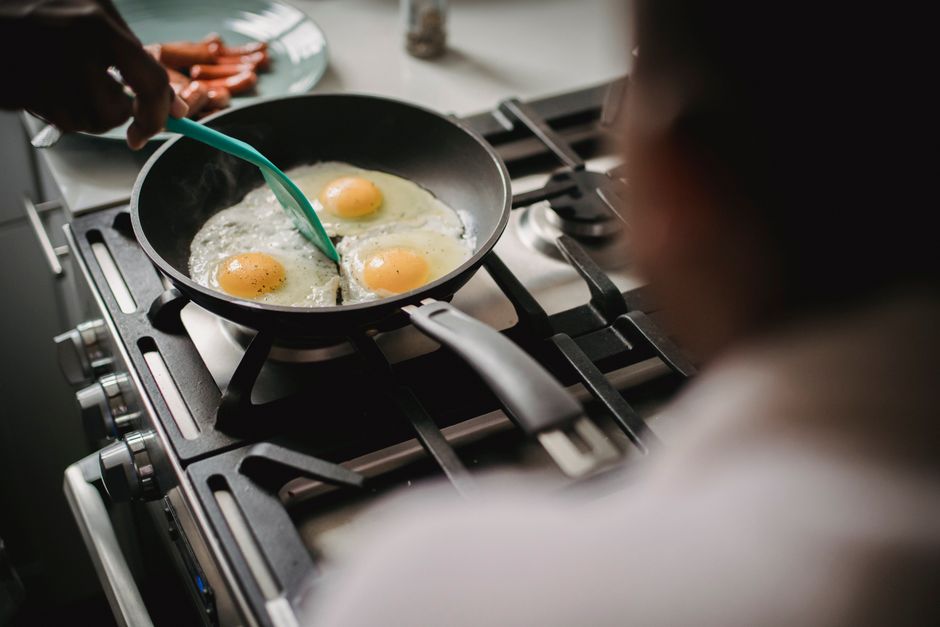
A traditional frying pan, also known as a skillet, is a flat-bottomed cookware item designed for stovetop cooking over direct heat sources. These pans typically feature a sturdy construction using materials such as cast iron, stainless steel, or aluminum. Traditional frying pans rely on thermal conduction from a gas or electric burner to heat the cooking surface and prepare food through direct contact with hot metal.
The design of traditional frying pans has remained largely unchanged for decades because the basic principle of stovetop cooking delivers consistent, reliable results. Chefs and home cooks appreciate the precise temperature control available when adjusting burner heat levels. The microwave frying pan offers an alternative cooking method that eliminates the need for stovetop burners entirely.
What Is a Microwave Frying Pan?
A microwave frying pan is a specialized cookware item designed to work inside a microwave oven. These pans typically feature a microwave-absorbing base material that generates heat when exposed to microwave radiation. The cooking surface allows users to fry, sauté, and brown food using microwave energy instead of conventional stovetop burners.
Manufacturers design microwave frying pans with unique construction that combines microwave transparency with heat generation. The microwave frying pan grill cooker represents one popular category that combines frying and grilling functions in a single unit. This technology appeals to kitchen spaces where traditional stovetop cooking is impractical or unavailable.
Heat Source and Cooking Technology Comparison
The fundamental difference between these two pan types lies in their heat sources. Traditional frying pans generate heat externally through burners, while microwave frying pans produce heat internally through microwave radiation absorption. This distinction affects everything from cooking speed to food texture and flavor development.
Traditional stovetop burners can reach temperatures exceeding 400°F (204°C) relatively quickly, providing immediate high-heat cooking capability. Microwave technology operates differently, with energy causing water molecules in food to vibrate and generate heat from within. According to food science principles, these two heating mechanisms produce distinctly different cooking results.
Traditional frying pans offer superior browning and searing capabilities due to direct contact with hot metal surfaces. The Maillard reaction, which creates complex flavors and golden-brown colors, occurs more effectively on traditional cookware. Microwave frying pans, while convenient, often produce less browning and may require adjustments to achieve similar results.

Cooking Performance and Food Quality
When evaluating cooking performance, traditional frying pans generally excel at tasks requiring high direct heat and surface browning. Eggs, steaks, and vegetables benefit from the direct contact with hot metal that produces crispy exteriors and properly developed flavors. The microwave frying round pan works well for foods where browning is less critical.
Microwave frying pans perform adequately for reheating already-cooked foods and cooking items that do not require significant browning. Foods like scrambled eggs, pancakes, and grilled cheese sandwiches can achieve acceptable results in microwave cookware. However, achieving the caramelized crust on a properly seared piece of fish remains challenging with microwave technology.
Heat distribution patterns differ significantly between these methods. Traditional pans distribute heat from the bottom up through conduction, creating predictable cooking zones. Microwave heating can produce uneven results if food is not rotated or arranged properly within the cooking vessel. The microwave frying square pan offers a larger cooking surface that can help address some distribution issues.
Convenience and Energy Efficiency Factors
Microwave frying pans offer notable convenience advantages for certain kitchen situations. Cooking with a microwave frying pan eliminates the need to monitor stovetop heat levels and reduces active cooking time. The microwave oven automatically stops producing energy when the door opens, providing an inherent safety feature not available with traditional burners.
Energy efficiency comparisons favor microwave cooking for certain food types. Microwaves deliver energy directly to food molecules without heating surrounding air or cookware components extensively. According to energy efficiency principles, targeted heating methods can reduce overall energy consumption compared to heating large thermal masses.
Traditional frying pans require more attention during cooking but provide greater control over the final result. Experienced cooks can adjust heat instantly and observe visual cues that indicate when to flip, stir, or remove food. This hands-on approach produces consistent, high-quality results for complex recipes requiring precise timing.
Durability and Maintenance Comparison
Traditional frying pans, particularly those made from cast iron or stainless steel, can last for decades or even generations with proper care. These materials resist damage from metal utensils and tolerate high temperatures without degradation. Many professional kitchens continue using the same cast iron skillets for 20 years or longer.
Microwave frying pans typically have shorter lifespans due to the specialized materials required for microwave-compatible construction. Non-stick coatings on microwave cookware may wear out faster than traditional pan finishes. The microwave baking pan shares similar durability considerations with other microwave cookware products.
Cleaning requirements also differ between these pan types. Traditional frying pans often develop natural non-stick properties through seasoning (cast iron) or can be cleaned more aggressively without damage. Microwave frying pans require gentler handling to preserve their specialized surfaces and microwave-absorbing properties.
Pros and Cons Summary
Understanding the advantages and limitations of each pan type helps consumers make purchasing decisions aligned with their cooking habits and kitchen setup.
| Feature | Traditional Frying Pan | Microwave Frying Pan |
|---|---|---|
| Browning Quality | Excellent – direct heat contact | Moderate – limited browning |
| Temperature Control | Precise and immediate | Limited – based on microwave settings |
| Cooking Speed | Fast preheating | Variable – depends on food type |
| Durability | Very high with proper care | Moderate – specialized materials |
| Versatility | Excellent – multiple cooking techniques | Limited – specific use cases |
| Energy Efficiency | Good for high-heat cooking | Good for reheating and small portions |
The microwave folding bowl represents another microwave cooking option that complements the frying pan for certain meal preparation needs.
Selecting the Right Frying Pan for Your Kitchen
Choosing between a microwave frying pan and a traditional frying pan depends on several practical factors related to your cooking style, kitchen equipment, and available space. Consider the following criteria when making your selection:
- Kitchen Setup: Limited stovetop access makes microwave frying pans attractive alternatives for dorm rooms, offices, or small apartments.
- Cooking Goals: Serious home chefs who prioritize browning and searing should invest in quality traditional cookware.
- Meal Types: Frequent cooking of eggs, meats, and vegetables favors traditional pans for superior results.
- Convenience Priority: Those valuing speed and minimal cleanup may appreciate microwave cooking convenience.
- Budget Considerations: Quality traditional pans represent long-term investments, while microwave pans may require more frequent replacement.
Many well-equipped kitchens benefit from owning both pan types to handle different cooking scenarios effectively. The microwave frying round pan with glass lid offers a versatile option for steaming and low-heat cooking tasks that complement traditional cooking methods.
Conclusion
The choice between a microwave frying pan and a traditional frying pan ultimately depends on your specific cooking needs and kitchen circumstances. Traditional frying pans deliver superior browning, precise temperature control, and long-term durability that appeals to serious home cooks. Microwave frying pans provide convenient alternatives for reheating, small-space cooking, and situations where traditional stovetop equipment is impractical.
Understanding the fundamental differences in heat technology helps set realistic expectations for cooking results. Neither pan type universally outperforms the other across all cooking applications. The most practical approach involves evaluating your typical meals, available kitchen space, and cooking priorities to determine which technology best serves your needs.
Frequently Asked Questions
Can you really fry food in a microwave frying pan?
Yes, microwave frying pans can fry food using microwave energy. However, the browning and searing quality differs from traditional stovetop frying. Foods that require crispy exteriors may not achieve the same texture in microwave cookware.
Do microwave frying pans work in all microwave ovens?
Most microwave frying pans are designed for standard household microwave ovens (typically 700-1200 watts). Always check manufacturer compatibility requirements before purchasing to ensure proper performance.
Are microwave frying pans safe to use?
Yes, properly manufactured microwave frying pans meeting safety standards are safe for household use. Follow all usage instructions regarding maximum cooking times and food types appropriate for microwave cooking.
How long do microwave frying pans typically last?
With proper care, microwave frying pans typically last 2-5 years depending on usage frequency and maintenance. Non-stick coatings may wear out before the pan structure fails.
Can I use metal utensils in a microwave frying pan?
Most manufacturers recommend avoiding metal utensils with microwave frying pans to protect non-stick coatings and specialized surfaces. Use wooden, silicone, or plastic utensils to maximize pan lifespan.
Which is better for cooking eggs – microwave or traditional frying pan?
Traditional frying pans generally produce better results for eggs, providing superior browning and more precise control over cooking texture. Microwave frying pans can cook eggs but typically produce softer textures without crispy edges.